Information
Landmark: Skyline ParkwayCity: Duluth
Country: USA Minnesota
Continent: North America
Skyline Parkway, Duluth, USA Minnesota, North America
Skyline Parkway – Duluth, Minnesota
A historic and scenic 28-mile byway offering sweeping views, architectural landmarks, and access to natural and recreational areas.
1. Historical Background
Skyline Parkway’s origins date back to the late 19th century, born from the vision of William K. Rogers, Duluth’s first park board president. Rogers sought to create a scenic roadway atop Duluth’s ridges to provide panoramic views of Lake Superior, the city, and surrounding landscapes.
Construction began in 1889, initially creating a five-mile stretch called Rogers Boulevard, which provided public access to these elevated vantage points.
In 1899, then-Mayor Samuel F. Snively expanded the system by developing the Seven Bridges Road, named for the series of distinctive stone bridges that cross the parkway’s many ravines and creeks.
By 1929, these and other road segments were unified under the name Skyline Parkway, chosen through a public contest to reflect the spectacular skyline views along the route.
In 2001, Skyline Parkway was officially designated a Minnesota State Scenic Byway, recognizing its significance in cultural history and natural beauty.
2. Route and Geography
Stretching approximately 28 miles, Skyline Parkway follows the ancient shoreline of Glacial Lake Duluth, a prehistoric precursor to Lake Superior. This elevated position along Duluth’s ridges provides commanding views across the city, harbor, and the lake.
The western terminus is near Becks Road, while the eastern end approaches Seven Bridges Road on the city’s east side.
The roadway meanders through wooded ravines, parklands, and residential neighborhoods, maintaining a scenic and peaceful atmosphere despite proximity to the urban core.
The route’s elevation varies but generally rises between 700 to 1,200 feet above Lake Superior’s surface, enhancing its panoramic character.
3. Scenic Overlooks and Viewpoints
Skyline Parkway is renowned for numerous overlooks that offer breathtaking views, often featuring benches and interpretive signage.
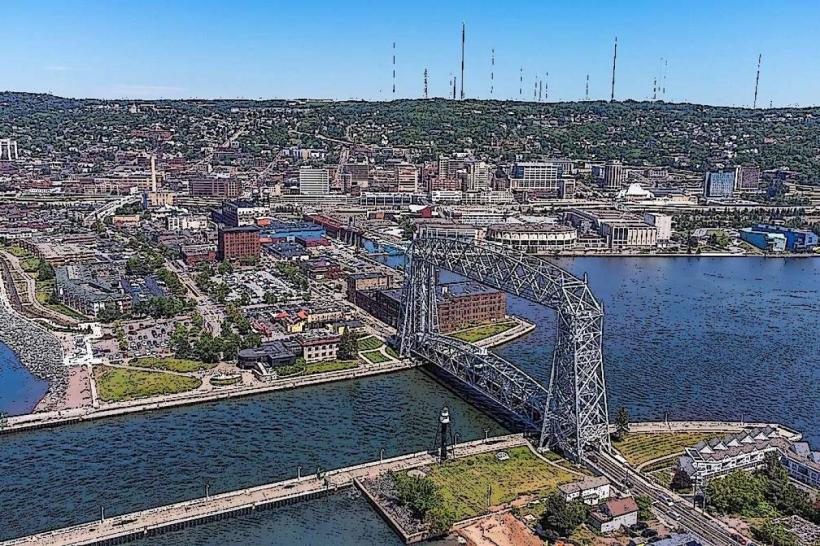
Duluth Harbor Overlook: Provides iconic vistas of the port area where Lake Superior meets the St. Louis River.
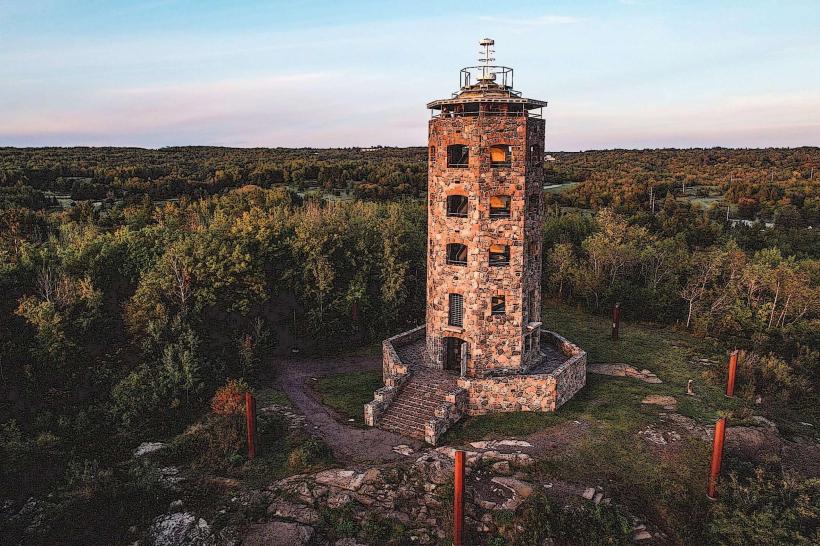
Enger Tower: An 80-foot stone observation tower located within Enger Park, offering 360-degree views of Duluth, the lake, and beyond. The tower itself is a historic landmark built in 1939 by the Civilian Conservation Corps (CCC) and is open to visitors seasonally.
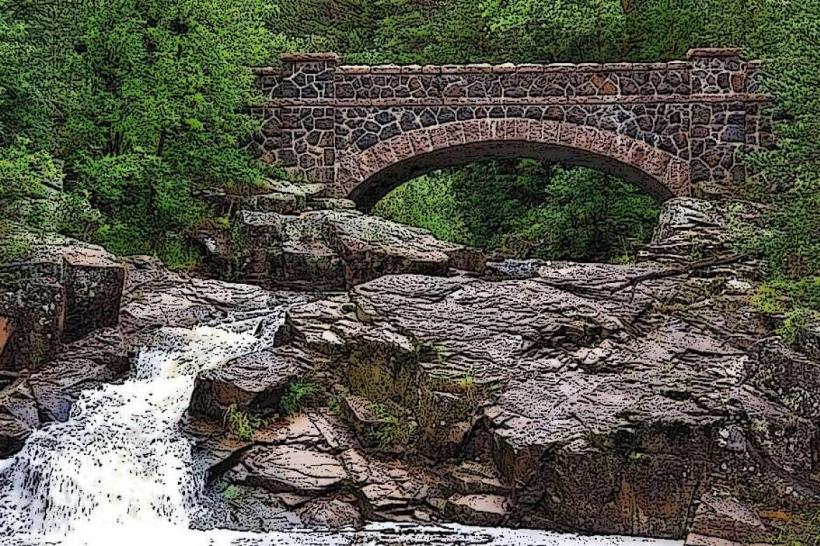
Amity Creek and Stewart Creek Ravines: Visitors can admire stone arch bridges dating from the 1920s that complement the natural beauty and serve as architectural highlights.
Seven Bridges Road: Famous for its series of seven stone arch bridges crossing scenic ravines, it’s considered one of the most picturesque drives in Minnesota and is incorporated into the Skyline Parkway system.
4. Architecture and Historic Structures
Skyline Parkway features multiple historic stone bridges constructed primarily in the 1920s under the supervision of the city’s engineering department and with support from New Deal programs like the CCC. These bridges utilize local stone and classic arch designs that blend harmoniously with the surrounding forested environment.
Stewart Creek Bridge is listed on the National Register of Historic Places for its architectural significance.
Several picnic shelters, stairways, and retaining walls built of stone along the parkway add to the historical ambiance and visitor amenities.
5. Outdoor Recreation and Natural Areas
Skyline Parkway is more than a scenic drive; it serves as a gateway to numerous natural parks and recreational opportunities.
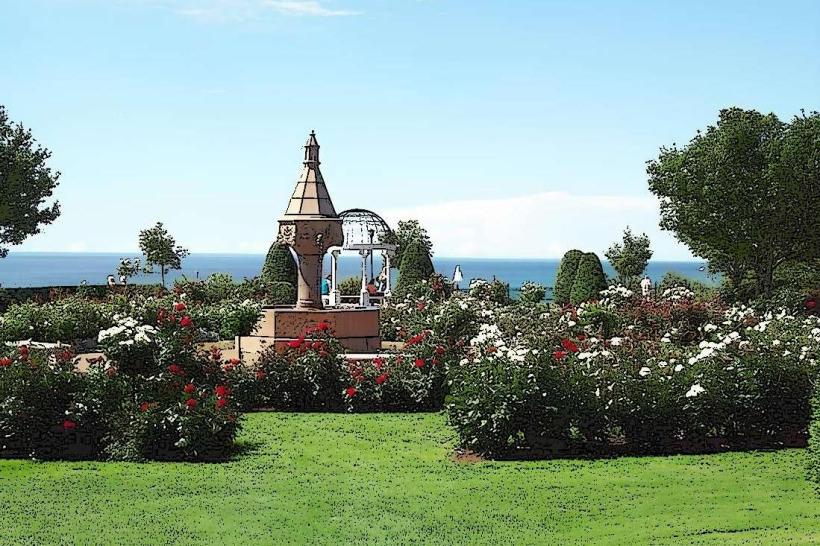
Enger Park: Adjacent to Skyline Parkway, Enger Park includes walking trails, gardens, the aforementioned Enger Tower, and a Japanese garden.
Magney-Snively Natural Area: Accessible from the parkway, this rugged wilderness area features steep hills, waterfalls, and extensive hiking trails popular for birdwatching and nature study.
Cross-country skiing and snowshoeing are common winter activities on sections of the parkway and connected trails.
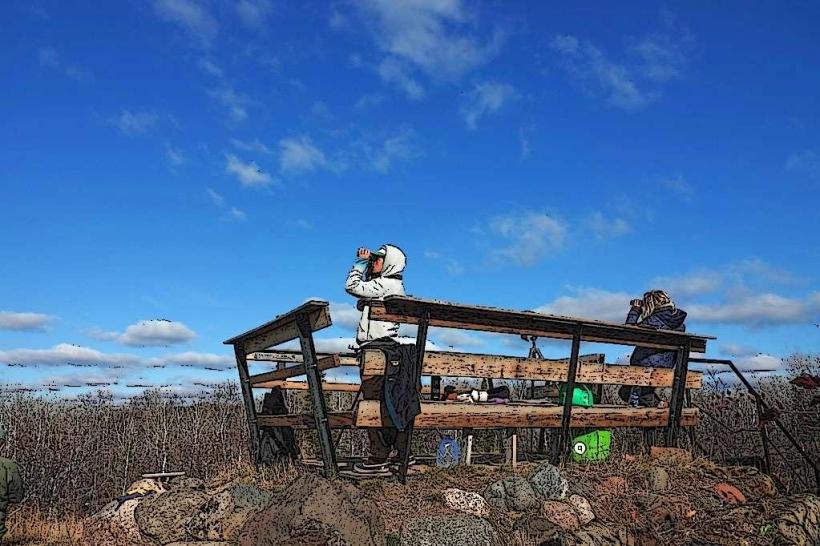
Bird Watching: The elevation and natural habitats along the route make it a favored location for observing migrating raptors and songbirds, especially in spring and fall.
6. Access, Safety, and Visitor Information
Skyline Parkway is accessible by vehicle, bicycle, and on foot at multiple points. Several parking areas and trailheads allow visitors to stop and explore the surroundings.
To improve safety, portions of the parkway near Enger Tower have been converted to one-way traffic to reduce congestion and hazards on the narrow, winding road.
The parkway is maintained by the City of Duluth’s Parks and Recreation Department, which also oversees seasonal snow removal and trail grooming.
The byway is open year-round, with spring through fall being the most popular seasons for touring and outdoor activities.
7. Visitor Experience
Driving Skyline Parkway offers a leisurely and immersive experience that combines natural beauty, historical architecture, and cultural landmarks. Popular activities along the way include:
Stopping at overlooks to photograph the Duluth skyline and Lake Superior.
Walking short trails to ravines and waterfalls tucked beneath the parkway.
Exploring Enger Park’s tower, gardens, and picnic areas.
Enjoying birdwatching and seasonal events held in park areas adjacent to the byway.
8. Significance
Skyline Parkway represents one of Duluth’s earliest efforts to integrate urban planning with natural landscape preservation. It reflects early 20th-century ideals about public access to scenic beauty and the health benefits of green spaces. Today, it remains a treasured community asset and a must-see for visitors wanting to understand Duluth’s geography, history, and outdoor culture.
Summary
Skyline Parkway is a historic and scenic route that reveals Duluth’s spectacular topography and cultural heritage through its length. Its panoramic overlooks, stone bridges, and connection to natural parks provide an all-season destination for driving, hiking, photography, and relaxation, making it a defining feature of Duluth’s outdoor landscape.