Information
Landmark: Hawk Ridge Bird ObservatoryCity: Duluth
Country: USA Minnesota
Continent: North America
Hawk Ridge Bird Observatory, Duluth, USA Minnesota, North America
Hawk Ridge Bird Observatory – Duluth, Minnesota
A premier raptor migration observation site and nature reserve renowned for its exceptional birdwatching opportunities, conservation efforts, and environmental education.
1. Location and Natural Setting
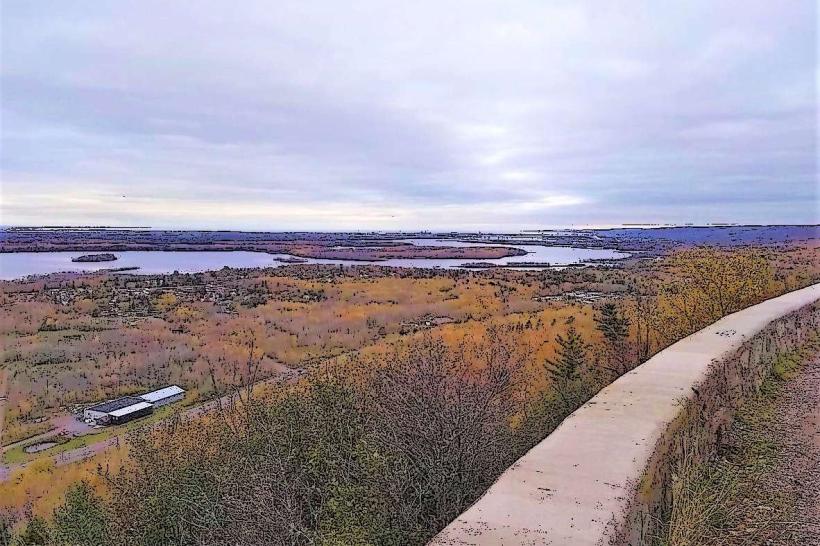
Hawk Ridge Bird Observatory is situated on a 235-acre natural preserve atop Duluth’s Skyline Parkway, at one of the highest elevations along the North Shore of Lake Superior. The site occupies a prominent bluff that forms a natural migration corridor for raptors and other migratory birds flying south along the lake’s edge.
This geographical position funnels tens of thousands of birds of prey during their seasonal migrations, making Hawk Ridge one of the most significant raptor observation sites in North America. The bluff overlooks the city of Duluth and Lake Superior, providing spectacular panoramic views and an ideal vantage point for birdwatching.
2. Importance for Raptor Migration
Hawk Ridge serves as a critical flyway where many species of raptors-hawks, eagles, falcons, and owls-converge during migration periods. The area’s topography and prevailing winds help concentrate birds into a narrow corridor, facilitating their observation.
Fall Migration (Mid-August to November): The fall season is the peak migration period, with huge numbers of Broad-winged Hawks passing through, often reaching tens of thousands during peak days in mid-September. Other commonly observed species include Sharp-shinned Hawks, Red-tailed Hawks, Bald Eagles, Golden Eagles, Northern Goshawks, Peregrine Falcons, and Rough-legged Hawks.
Spring Migration (March through May): Although less intense than fall, spring migration also draws various raptors and other birds as they travel north to breeding grounds. The observatory maintains designated sites and programs during spring but with less frequent staffing.
The observatory’s consistent, long-term data collection on migration numbers contributes to important scientific research and conservation efforts.
3. Visitor Experience and Facilities
Hawk Ridge is open to the public year-round, with the most active visitor season during the fall migration. It is managed by a nonprofit organization dedicated to raptor conservation, education, and research.
Main Overlook: The primary observation point is located on East Skyline Parkway, providing accessible views over the migration corridor.
Educational Staff and Programs: From September 1 through October 31, naturalists and volunteers staff the site daily between 9:00 AM and 4:00 PM. They offer live bird demonstrations, identification assistance, and interpretive talks to help visitors understand the species, their behaviors, and conservation challenges.
Facilities: While the site is largely natural and outdoors, temporary amenities include a merchandise trailer selling nature-related books, gear, and refreshments, as well as portable restrooms during the fall season.
Trails: The Hawk Ridge Nature Reserve features approximately 4 miles of hiking trails, ranging from easy walks to more rugged, rocky paths. Trails allow visitors to explore the diverse habitats of the ridge beyond the overlook area.
Accessibility: The main overlook is accessible by car and foot from Skyline Parkway. During winter months, when the road is closed due to snow, the reserve remains accessible via hiking.
4. Conservation and Research Role
Hawk Ridge Bird Observatory is more than a scenic lookout; it functions as an active center for:
Bird Monitoring and Data Collection: Volunteers and staff conduct daily counts of raptors and other birds during migration seasons, creating one of the longest-running migration datasets in the region. This data informs research on population trends, migration patterns, and environmental impacts.
Public Education: Through on-site programs, workshops, and outreach, Hawk Ridge raises awareness about raptor biology, habitat preservation, and the importance of migratory bird corridors.
Habitat Preservation: The observatory works to protect and manage the natural habitat of the ridge, maintaining the ecological integrity essential for supporting diverse wildlife populations.
5. Best Times to Visit
Fall Migration Peak: The most active viewing is between mid-August and late October, with the highest concentration of migrating raptors in mid-September (especially September 10–25).
Daily Hours: Raptors are most visible from about 10:00 AM to 2:00 PM, with migration starting shortly after 9:00 AM and tapering off later in the afternoon.
Spring Migration: From March 1 through May 31, migration occurs with fewer staff presence, but visitors can still observe birds at designated sites.
6. Access and Directions
Address: Hawk Ridge Bird Observatory, P.O. Box 3006, Duluth, MN 55803
Directions: From Interstate 35 Northbound, take the London Road/Highway 61 exit. Turn left onto 45th Avenue East, then left onto Glenwood Street. Drive approximately 3/4 mile to Skyline Parkway, turn right, and continue for about 1 mile to the Hawk Ridge main overlook on East Skyline Parkway.
Summary
Hawk Ridge Bird Observatory is a premier destination for bird enthusiasts, nature lovers, and scientists alike. It offers unparalleled opportunities to witness spectacular raptor migrations against the breathtaking backdrop of Lake Superior and Duluth’s skyline. Beyond its beauty, the observatory plays a crucial role in conservation and research, fostering a deeper understanding of migratory birds and their habitats through education and community engagement. Its blend of natural splendor, scientific significance, and public accessibility makes it a cornerstone of Duluth’s outdoor and environmental attractions.