Information
Landmark: Great Lakes AquariumCity: Duluth
Country: USA Minnesota
Continent: North America
Great Lakes Aquarium, Duluth, USA Minnesota, North America
Great Lakes Aquarium – Duluth, Minnesota
A freshwater-focused science center on the shores of Lake Superior, blending environmental education, conservation, and immersive exhibits
1. Introduction
The Great Lakes Aquarium (GLA) is a unique, interactive, and freshwater-dedicated facility located on the Duluth waterfront near Canal Park. Opened in 2000, it is one of the few aquariums in the world with a primary focus on freshwater ecosystems. The building spans approximately 62,000 square feet and is home to more than 1,500 animals across 250 species, most of which are native to the Great Lakes Basin, the Amazon River, and other large lake systems around the globe.
The aquarium’s mission is to “inspire stewardship of freshwater resources and ecosystems”, a goal fulfilled through live animal exhibits, science education programs, and conservation outreach.
2. Building and Layout
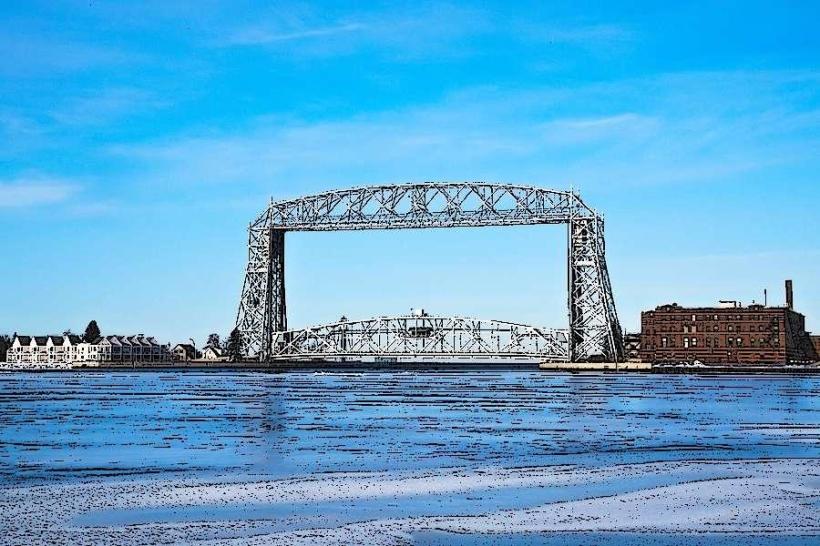
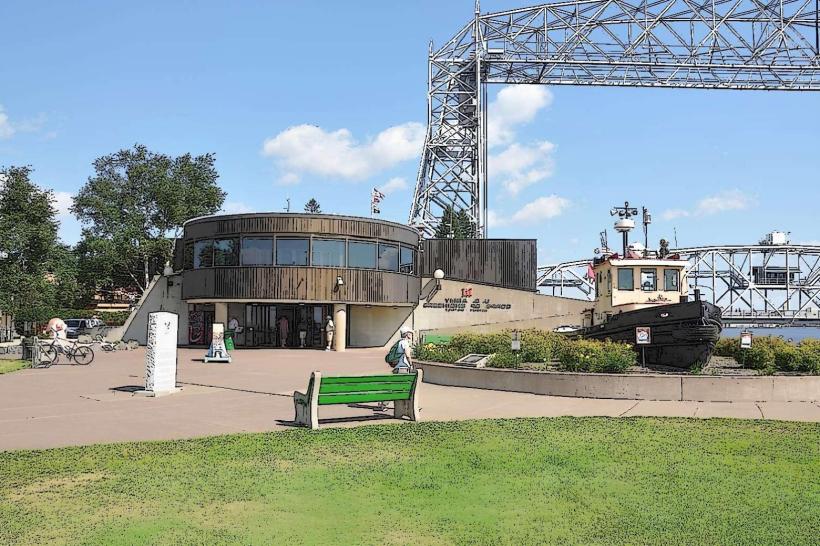
The aquarium is designed across two main levels, connected by elevators and wide ramps, making the entire facility fully ADA accessible. The architecture features large curved glass panels and an observation deck that offers expansive views of Lake Superior, the Aerial Lift Bridge, and the Duluth Harbor.
3. Signature Exhibits
A. Isle Royale Exhibit
The centerpiece tank, holding 85,000 gallons, is visible from both floors.
Modeled after the Lake Superior waters surrounding Isle Royale, it contains native species.
The exhibit mimics deep lake conditions with dim lighting and underwater structures.
A glass viewing tunnel lets guests walk beneath the surface level.
B. Baptism River and St. Louis River Galleries
These replicate northern Minnesota river ecosystems with flowing water, log jams, and gravel bottoms.
These habitats are used to explain watershed dynamics and sedimentation.
C. Otter Cove
A major attraction for families, this is a naturalistic habitat for North American river otters.
The otters, named Agate and Ore, can be seen swimming, sliding, and playing both underwater and above ground.
The habitat includes a waterfall, sandbars, and educational panels about the otters’ native range, behavior, and conservation.
D. Unsalted Seas
Opened in 2016, this gallery explores other large freshwater lakes of the world.
It includes a touch pool for sturgeon, one of the largest of its kind in the U.S.
E. Amazing Amazon
Tropical rainforest setting with vibrant and exotic freshwater species.
Rainforest soundscapes and humidified air enhance immersion.
F. Origins and Aquatic Invaders
Origins traces the development of aquatic life through Earth’s early history, showcasing:
Ancient fish fossils
Amphibians
Corals and invertebrates
Aquatic Invaders educates about non-native species disrupting the Great Lakes, like:
Zebra mussels
Round gobies
Sea lamprey
Interactive panels simulate the ecological and economic impacts of invasives.
G. Raptor Ridge
Outdoor exhibit featuring non-releasable birds of prey, such as:
Bald eagle (Bogey)
Turkey vulture (Horus)
These animals participate in live demonstrations with trained staff, focusing on raptor rehabilitation and migration science.
H. Wild Neighbors
A walk-through forested area showcasing Minnesota’s terrestrial and wetland animals, including:
Box turtles
Tree frogs
Crows
Striped skunks
Highlights the interconnection between land and water ecosystems.
4. Live Animal Interactions
The aquarium emphasizes interactive learning, offering:
Sturgeon touch pool – rare opportunity to touch large sturgeon and learn about their endangered status.
Scheduled animal feedings – otters, fish, and turtles with educator commentary.
Pop-up presentations – informal Q&A sessions with biologists and volunteers.
Kid-friendly discovery stations – microscopes, animal pelts, and tactile learning activities.
5. Education & Programming
A. School & Group Visits
Offers standards-aligned science programs for K–12 students.
Topics include ecosystems, adaptations, water cycles, and human impact.
Classes often involve hands-on labs and behind-the-scenes tours.
B. Camps and Youth Programs
Seasonal day camps for ages 6–14.
Topics range from fish biology to conservation art.
"Aquarium U" program for high school students focuses on environmental leadership and public speaking.
C. Teacher & Community Outreach
Professional development workshops for educators.
Traveling exhibits and virtual learning for rural communities.
MinnAqua fishing curriculum partnerships with the Minnesota DNR.
6. Events and Community Engagement
Annual Aqua Affair – A fundraising gala featuring live music, local cuisine, and behind-the-scenes tours.
Family STEM Nights – Free or low-cost community events with hands-on science themes.
Art Exhibitions – Rotating local art shows in the Fine Arts Gallery.
Otter Birthday Parties – Special celebrations with themed games and keeper talks.
7. Sustainability and Conservation Impact
Aquarium participates in freshwater mussel rearing and native fish conservation programs.
Actively involved in public awareness campaigns about:
Lead fishing tackle alternatives
Aquatic invasive species prevention
Shoreline habitat restoration
Collaborates with Large Lakes Observatory (UMD) to interpret climate and water quality data.
8. Visitor Experience
Practical Information
Hours: Open daily 10 AM – 6 PM (closed only on Christmas).
Admission:
Adults: ~$20
Seniors: ~$18
Children (3–12): ~$16
Children under 3: Free
Gift shop: Locally themed aquatic books, toys, and merchandise.
Café: None onsite, but walking distance to restaurants in Canal Park.
Parking: Onsite paid lot in front of the building.
Accessibility: Fully ADA accessible; strollers and wheelchairs available.
Ideal Visit Duration
Average visit takes 1.5 to 2 hours.
Early arrival recommended for quieter experience and full access to timed programs.
Conclusion
The Great Lakes Aquarium is more than just a place to see fish-it’s an engaging, hands-on exploration of how freshwater systems sustain life, both locally and globally. Whether you’re drawn by the playful antics of otters, the prehistoric majesty of sturgeon, or the humbling power of Lake Superior just outside the windows, the aquarium offers something deeply educational and deeply personal. It’s a place where science becomes tangible, conservation feels urgent, and visitors of all ages walk away with a deeper connection to the world of water.