Information
Landmark: Duluth LakewalkCity: Duluth
Country: USA Minnesota
Continent: North America
Duluth Lakewalk, Duluth, USA Minnesota, North America
Lakewalk – Duluth, Minnesota
A scenic, multi-use pathway tracing Lake Superior’s rugged shoreline, connecting nature, history, and urban charm
1. Overview
The Duluth Lakewalk is a nearly 8-mile-long paved and boardwalk trail that runs along the northern edge of Lake Superior, offering breathtaking lake views, public art, gardens, beaches, and direct access to some of Duluth’s most iconic landmarks. It stretches from Canal Park in the southwest through Leif Erikson Park, Fitger’s Complex, and Brighton Beach (Kitchi Gammi Park) in the northeast.
Popular with both locals and visitors, the Lakewalk serves as a peaceful corridor for walking, running, cycling, and rollerblading, while also supporting access to hotels, parks, and waterfront attractions.
2. Historical Development
Origins
In the 1980s, Duluth began a significant effort to reclaim and beautify its industrial lakefront, which had been dominated by warehouses and shipping activity.
The first segments of the Lakewalk opened in Canal Park, coinciding with the area’s tourism-driven revitalization.
Expansion
Over the next two decades, the Lakewalk gradually expanded northeastward, connecting previously disconnected parks, beaches, and residential zones to downtown.
Its final major extensions-reaching toward Brighton Beach-were added in the 2010s.
Storm Damage & Rebuild (2017–2021)
Powerful storms in 2017 and 2018 caused major erosion, wave damage, and structural failures along portions of the Lakewalk.
Duluth undertook a multi-year reconstruction project, rebuilding the Lakewalk with resilient concrete paths, improved seawalls, enhanced drainage, and native landscaping.
The upgraded trail now better resists wave action while remaining accessible year-round.
3. Route and Key Segments
A. Canal Park to Leif Erikson Park (2.5 miles)
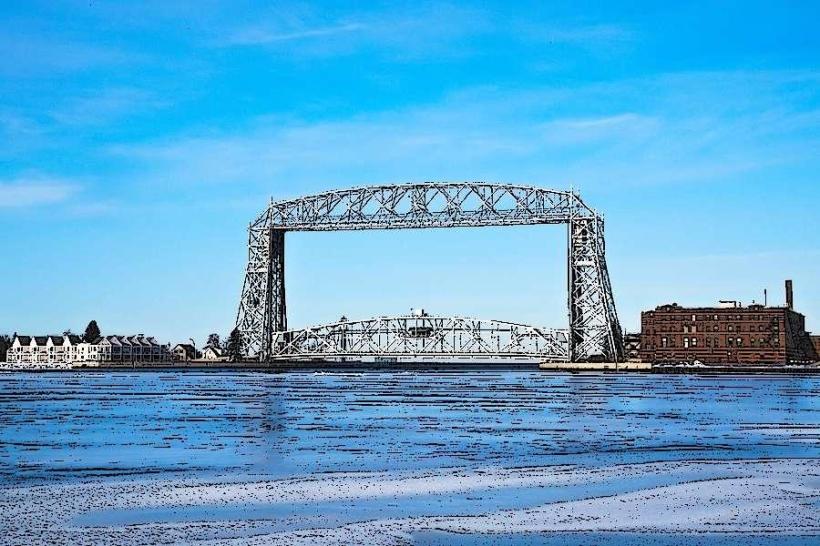
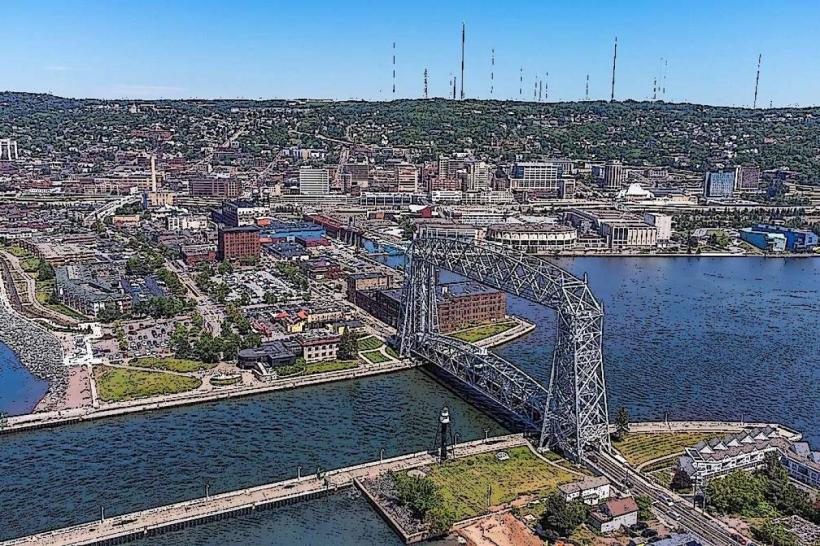
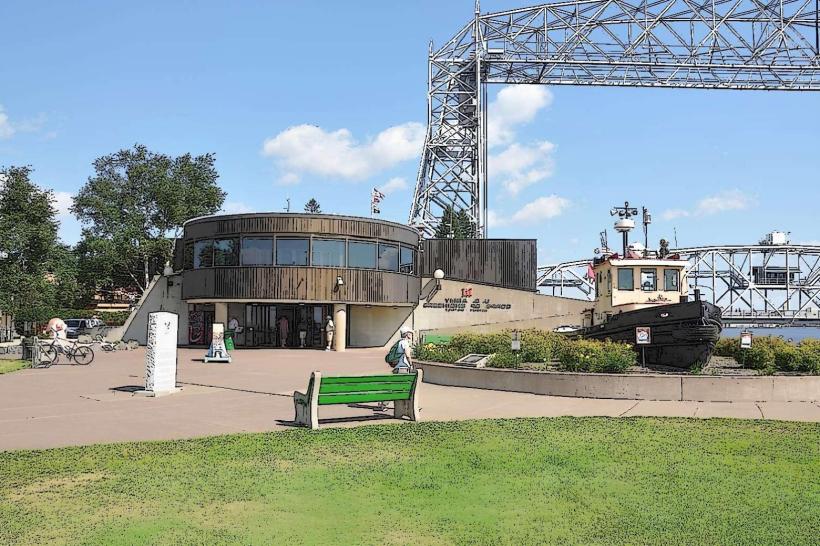
Begins at Canal Park, near the Aerial Lift Bridge, then hugs the shoreline eastward.
Highlights include:
Ship Canal and Piers
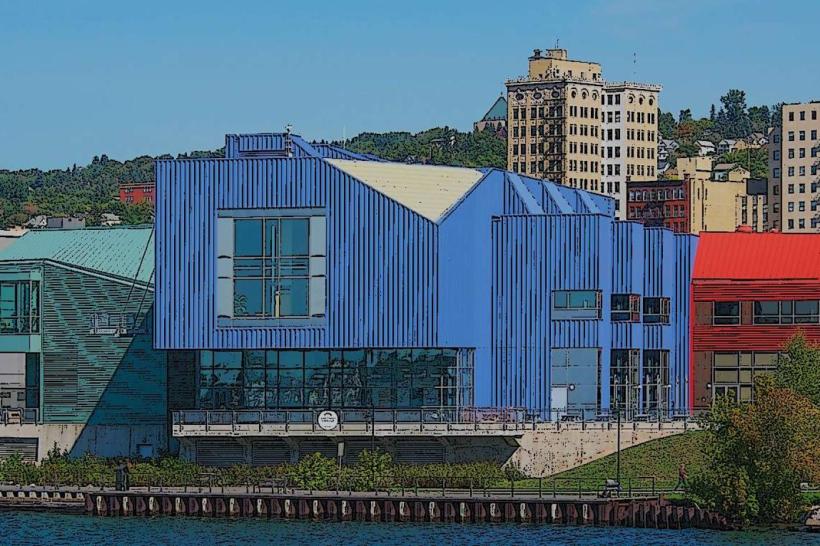
Maritime Visitor Center
Lakeside plazas with benches, sculptures, and flower gardens
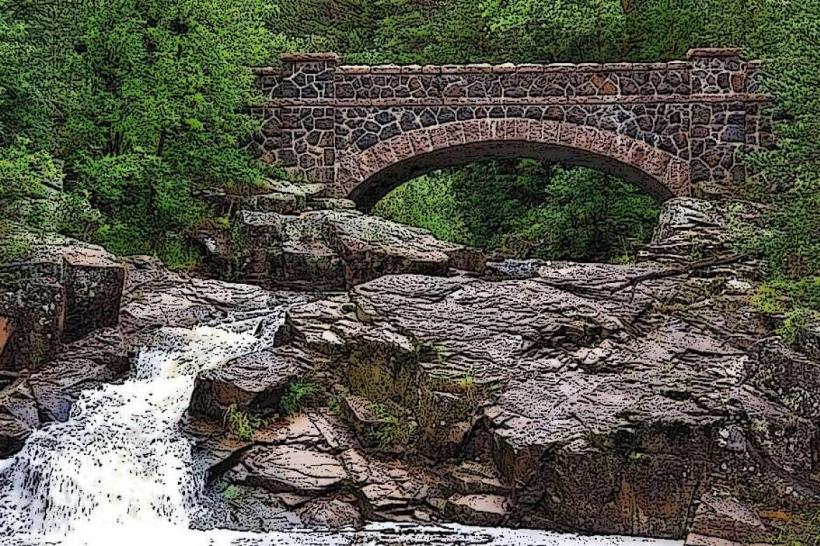
Historic Lakewalk Tunnel under Interstate 35
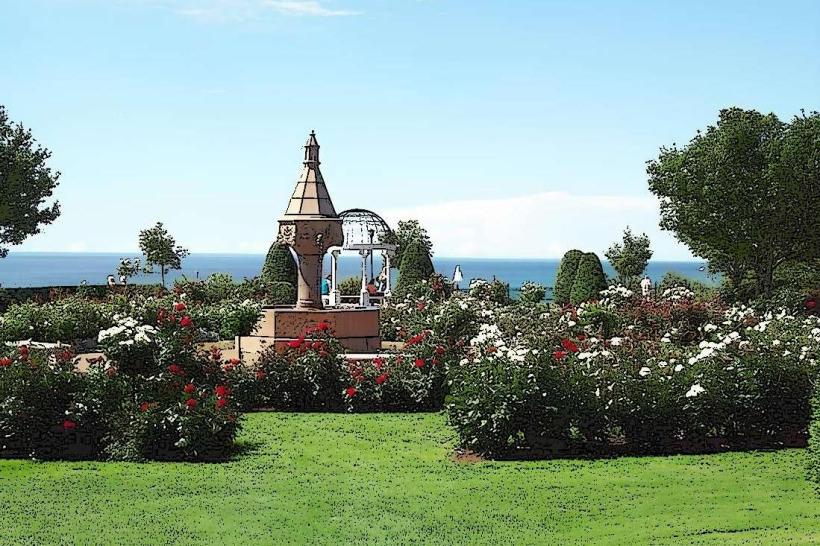
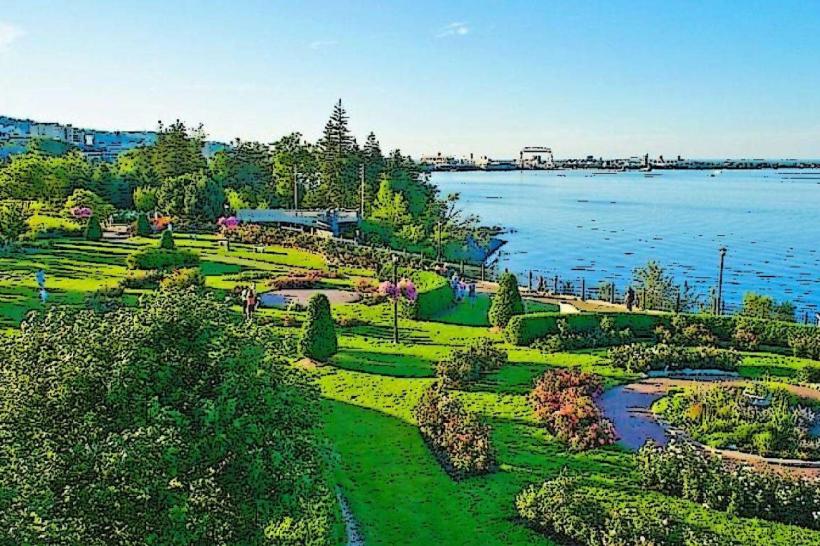
Leif Erikson Park with its stone amphitheater and Rose Garden
B. Leif Erikson to 21st Avenue East (~1.5 miles)
Passes more residential areas and beach access points
Quieter and more tree-lined section
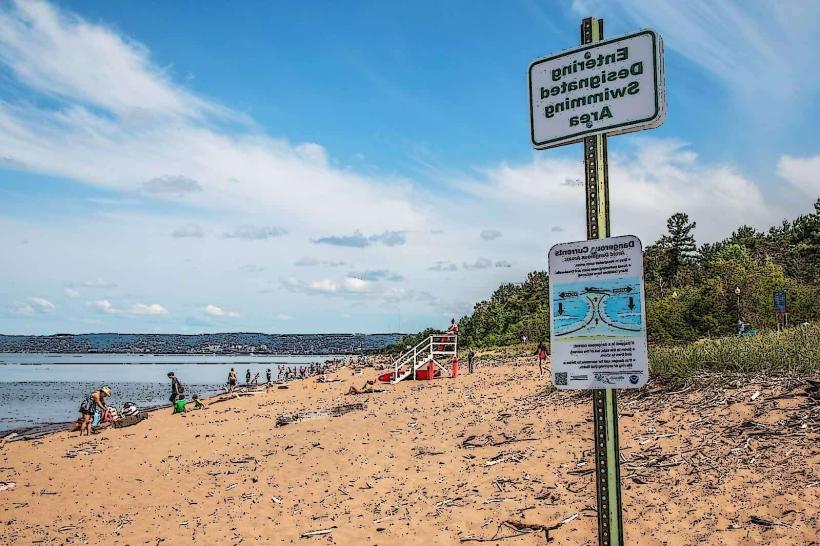
Occasional lake pebbled beaches for skipping stones or storm watching
C. 21st Avenue East to Brighton Beach (~3.5 miles)
Transition from urban to semi-natural landscape
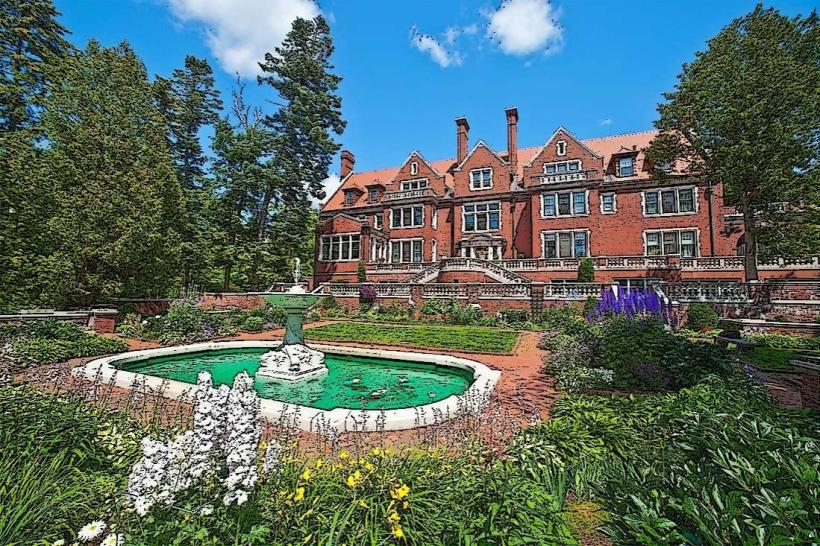
Near the Endion Station Inn and Glensheen Mansion (a historic estate open to the public)
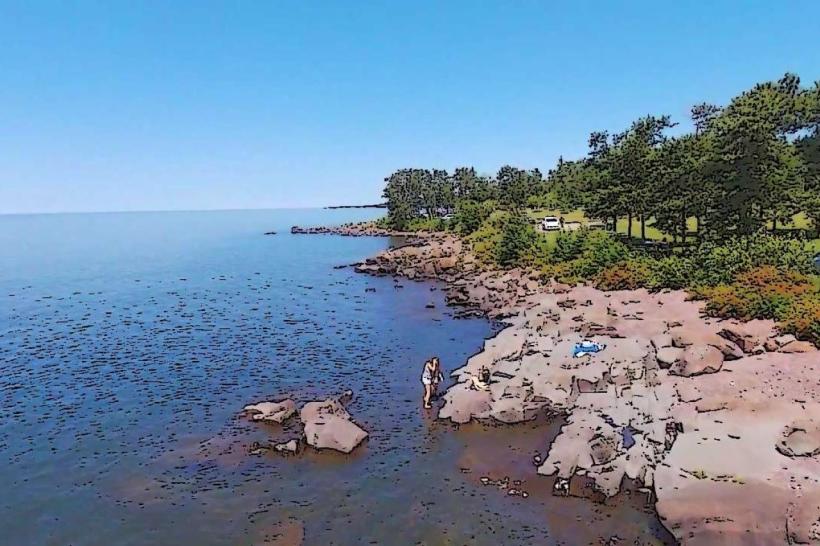
Terminates at Brighton Beach/Kitchi Gammi Park, a natural rocky shore popular for picnics and sunrise viewing
4. Activities and Experience
A. Walking and Running
The smooth surface and moderate grade make it ideal for walkers, joggers, and those pushing strollers or wheelchairs.
Sunrise and sunset walks are especially popular due to Lake Superior’s expansive views and sky reflections.
B. Biking and Rollerblading
A dedicated bike lane runs alongside the pedestrian path for most of the trail.
Bike rentals are available in Canal Park for hourly or daily use.
C. Wildlife & Nature Observation
Seasonal birdwatching includes gulls, herons, loons, and migratory songbirds.
You may spot otters or even deer in quieter areas near the eastern sections.
Native plantings along the route include grasses, sedges, wildflowers, and hardy shrubs adapted to the lake’s harsh climate.
D. Photography and Relaxation
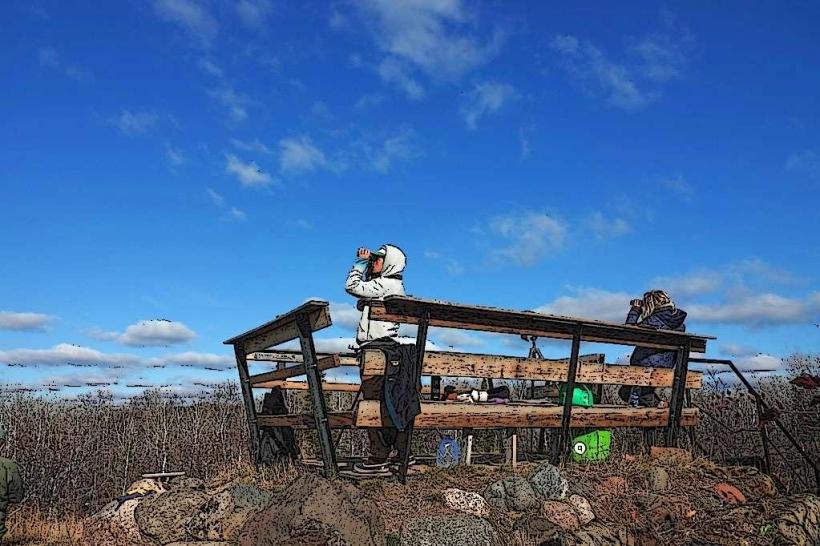
Benches, lookout decks, and plazas placed at regular intervals offer spots to sit and absorb the view.
Public art pieces and interpretive signs provide historical context and cultural storytelling.
5. Events and Community Use
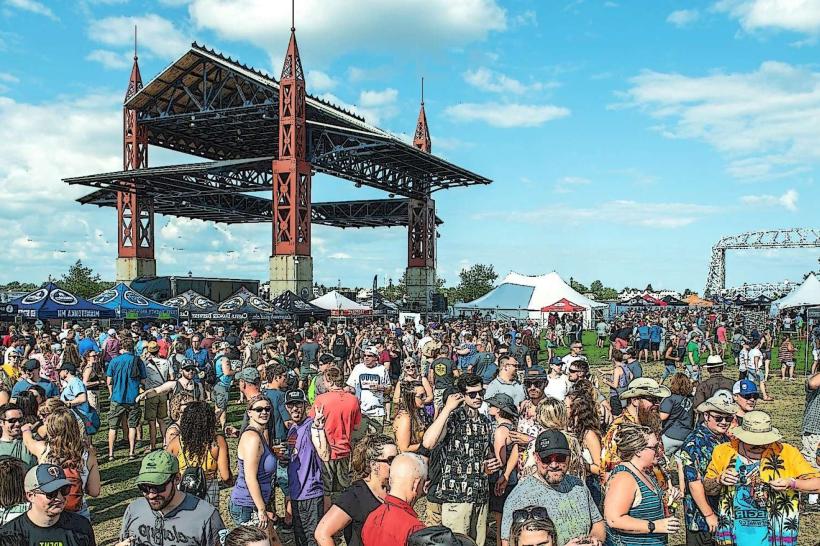
Grandma’s Marathon: Runners pass sections of the Lakewalk, especially through Canal Park.
Fitger’s 5K and other races utilize Lakewalk segments.
Public yoga classes, musicians, and street performers often appear during summer weekends.
Wedding and engagement photos are frequently taken near the Rose Garden or piers.
6. Accessibility and Infrastructure
The entire Lakewalk is wheelchair accessible with ramps, curb cuts, and flat surfaces.
Frequent access points allow entry from multiple neighborhoods and streets.
Lighting has been upgraded in central sections for early morning or evening safety.
Public restrooms are located near Canal Park, Leif Erikson Park, and Brighton Beach.
Wayfinding signs and trail maps are installed at regular intervals.
7. Environmental Stewardship and Resilience
Sustainability Practices
The rebuilt Lakewalk features storm-hardened concrete, wave-deflecting berms, and green infrastructure for runoff filtration.
Erosion-prone areas have been stabilized using native vegetation and naturalized stone revetments.
Maintenance and Year-Round Use
The city performs snow removal in main areas to keep the Lakewalk open in winter.
Spring and fall cleanup crews ensure that debris from storms is cleared quickly.
Plastic-Free and Waste-Conscious
Litter control programs and recycling stations help reduce trash along the lakeshore.
Volunteers and local organizations host Lakewalk cleanup days throughout the year.
8. Travel Tips for Visitors
Best Times to Visit: May through October for the most comfortable weather and activity options.
What to Bring: Jacket (lake breezes can be strong), water bottle, camera, sunglasses.
Winter Users: Use traction cleats or snow boots; some icy areas may persist near Canal Park after storms.
Biking Note: Cyclists should stay on the bike-designated lane and watch for pedestrians.
Conclusion
The Duluth Lakewalk is more than a trail-it’s a ribbon of experience connecting the natural power of Lake Superior with the charm of Duluth’s neighborhoods and history. Whether you're catching the sunrise over the rocky shore, admiring rose blooms in July, or hearing the whistle of a freighter just offshore, the Lakewalk invites reflection, exploration, and connection with one of the most beautiful freshwater coasts in the world.