Information
Landmark: Aerial Lift BridgeCity: Duluth
Country: USA Minnesota
Continent: North America
Aerial Lift Bridge, Duluth, USA Minnesota, North America
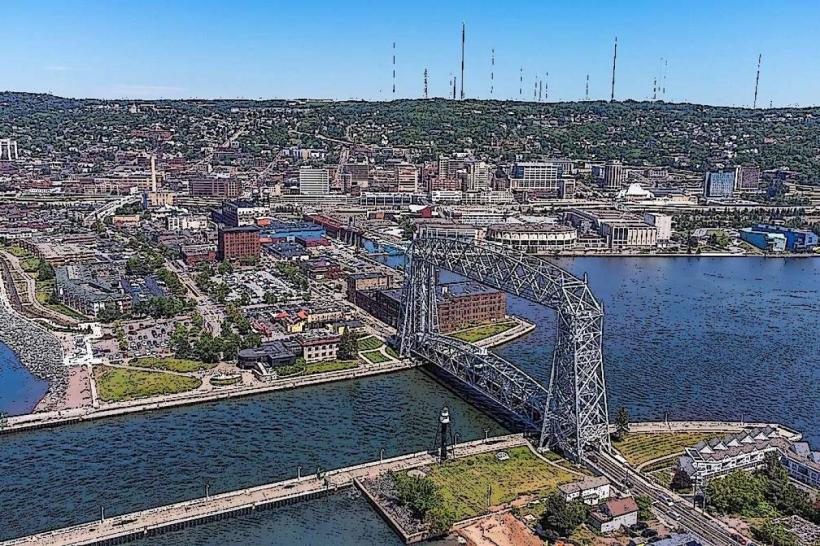
Aerial Lift Bridge – Duluth, Minnesota
In-depth Overview of History, Structure, Operation, Significance, and Visitor Experience
1. Historical Background
Early Need and Original Design (Late 19th to Early 20th Century)
By the late 1800s, Duluth had established itself as a critical shipping hub on Lake Superior, with iron ore, timber, and grain flowing in and out of the city. The natural sandbar now known as Minnesota Point (Park Point), separated the inner harbor from the lake. To allow direct lake access into the harbor, a canal was dredged through this sandbar in the 1870s-creating what’s now the Duluth Ship Canal.
This posed a new challenge: how to connect the mainland to Park Point across this shipping canal without blocking ship traffic.
First Iteration: The Aerial Transfer Bridge (1905)
Duluth adopted a rare and inventive solution: a suspended gondola bridge, completed in 1905. Its design, inspired by a similar bridge in France (Rouen), featured a gondola car that traversed a 393-foot span on steel cables strung between two massive steel towers. The gondola carried pedestrians and vehicles every five minutes, completing the trip in under a minute.
It was functional but not efficient for growing traffic-and not ideal in poor weather.
Modernization into a Vertical Lift Bridge (1929–1930)
By the late 1920s, the need for a more practical, all-weather, continuous crossing was clear. The city commissioned the Kiewit Construction Company, which replaced the gondola system with a vertical lift bridge-the one standing today. Its design came from C.A.P. Turner, a notable Minneapolis engineer.
The transformation preserved the original steel towers but replaced the upper truss with a movable lift span operated by counterweights. It officially reopened in March 1930 as the United States' first vertical lift bridge using a span that could rise to full height while remaining horizontal.
2. Structural and Mechanical Details
Design Specifications
Type: Vertical lift bridge with trussed lift span
Total Bridge Length: Approx. 501 feet
Lift Span (movable section): 390 feet long
Vertical Clearance (when raised): Around 135 feet
Lift Mechanism: Two massive 450-ton concrete counterweights (one per tower) balance the span, allowing efficient and controlled lifting.
Operation
Manual Control: The bridge is still operated manually from a control house located at mid-span.
Raise/Lower Time: Approximately 55–60 seconds to fully raise or lower.
Daily Lifts: Varies by season-can exceed 25 lifts daily during peak shipping.
Communication: Ships coordinate passage using VHF marine radio; horn signals and lights alert vehicles and pedestrians.
3. Ship Canal and Navigation Context
The Duluth Ship Canal beneath the bridge is one of two entries to the Duluth-Superior Harbor, the largest inland freshwater port in the world by tonnage. It's dredged and maintained by the U.S. Army Corps of Engineers, with traffic including:
Great Lakes bulk carriers (Lakers)
Ocean-going vessels (Salties)
Recreational boats, sailboats, and harbor cruises
Frequent ships include:
SS Arthur M. Anderson (infamous for being near the Edmund Fitzgerald when it sank)
Edgar B. Speer, Mesabi Miner, and Paul R. Tregurtha (the largest ship on the Great Lakes)
4. Role in Duluth's Identity and Symbolism
The bridge isn’t just functional-it’s an icon:
City Symbol: Featured in logos, tourism campaigns, and city branding.
Cultural Symbol: Residents often track ship passages, and its raising is a point of pride.
Community Landmark: Used in local festivals, graduation photos, and even marriage proposals.
The bridge also bridges metaphorical divides-between Duluth’s working waterfront and its modern, walkable, tourist-friendly lakefront in Canal Park.
5. Visitor Experience and Access
Best Viewing Locations
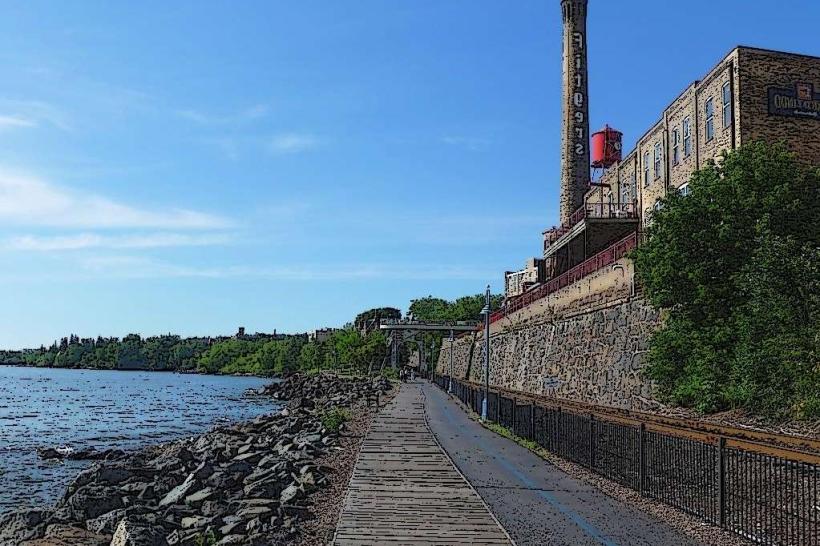
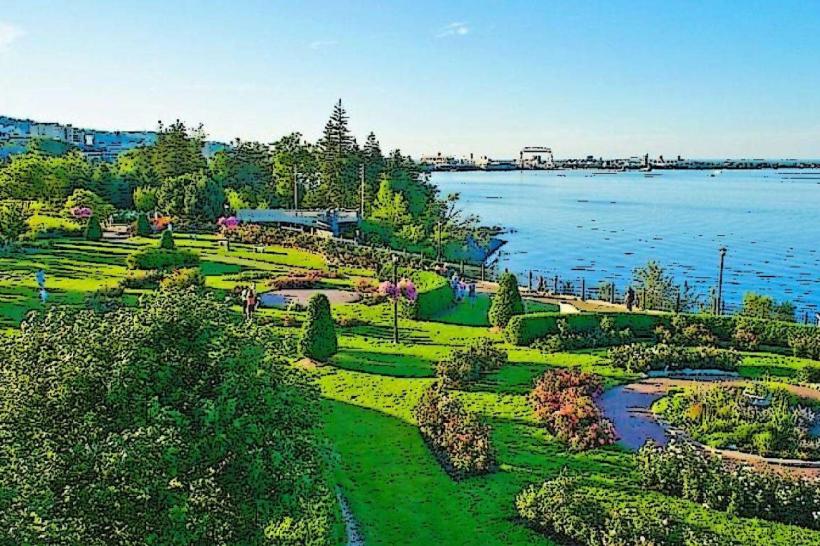
Canal Park Lakewalk: The most popular area to stand just feet away from passing freighters.
Pier Walks: Both the north and south piers extend out into the lake with red and white lighthouses-great for photography.
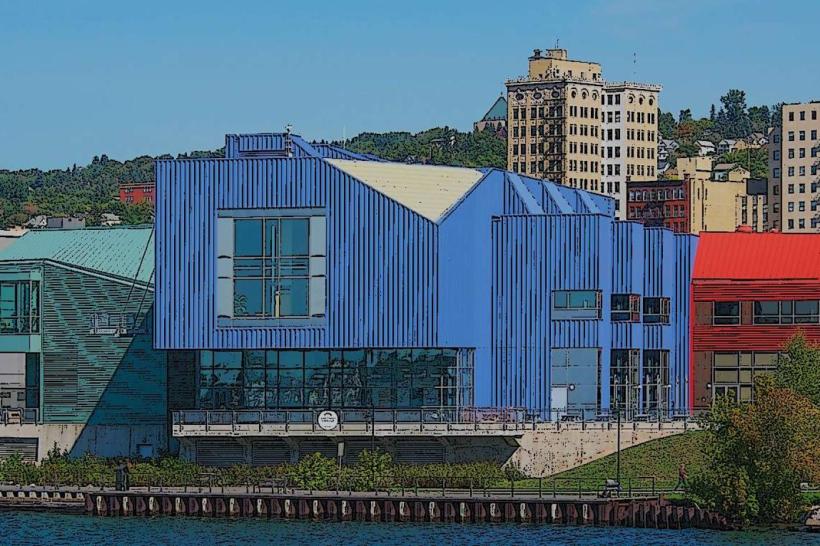
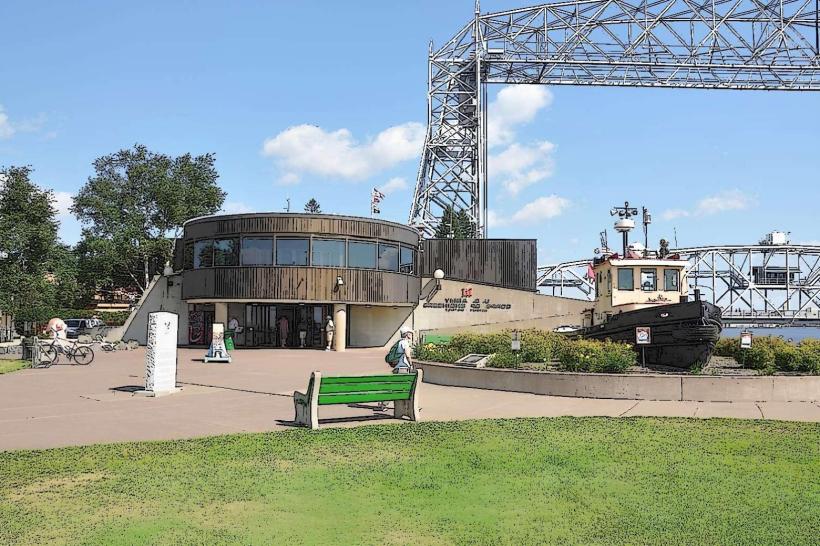
Lake Superior Maritime Visitor Center: Free, educational, and ideal for understanding the bridge's function.
Harbor Cruises: Offer views of the bridge opening from underneath.
Photographic Moments
Sunrise/Sunset: Sunlight silhouettes the bridge spectacularly over the lake.
Winter: Icy fog and lake-effect snow create ethereal scenes.
Night Lighting: The bridge is beautifully illuminated, often in themed colors for awareness causes or holidays.
6. Community and Cultural Events
Tall Ships Festival (Every few years): The bridge raises for historic sailing vessels, drawing thousands.
Grandma’s Marathon (June): Runners pass near the bridge in one of Duluth’s largest annual events.
Fourth Fest & Bayfront Events: The bridge features prominently in fireworks and lakefront celebrations.
7. Technical Maintenance and Preservation
The bridge is subject to year-round wear, especially due to:
Winter Ice and Salt
Strong Winds off Lake Superior
Heavy mechanical use
To maintain it:
Annual inspections are conducted.
Bearings, motors, and cables are serviced regularly.
Upgrades have been made to lighting (LED retrofits), safety walkways, and operator controls-without disturbing the historic character.
Its listing on the National Register of Historic Places ensures preservation oversight.
8. Sustainability and Future Outlook
Though historic, the bridge is operated with awareness of environmental impact:
Energy-efficient systems reduce power use during lift operations.
Ships are routed efficiently to reduce wait times and emissions.
Traffic and pedestrian use of the bridge reduce unnecessary detours around the harbor (via Interstate 35 or Superior, WI).
Long-term efforts are focused on ensuring it remains operational, preserved, and relevant well into the 21st century.
Conclusion
The Aerial Lift Bridge is far more than a crossing-it’s a living monument. It combines early 20th-century engineering genius with everyday functionality, civic pride, and breathtaking spectacle. Watching a 1,000-foot ore boat glide beneath its rising deck, framed by the lighthouses and the vast Lake Superior beyond, is an unforgettable experience and an essential part of understanding Duluth’s past and present.