Information
Landmark: Gangtey MonasteryCity: Wangdue Phodrang
Country: Bhutan
Continent: Asia
Gangtey Monastery, Wangdue Phodrang, Bhutan, Asia
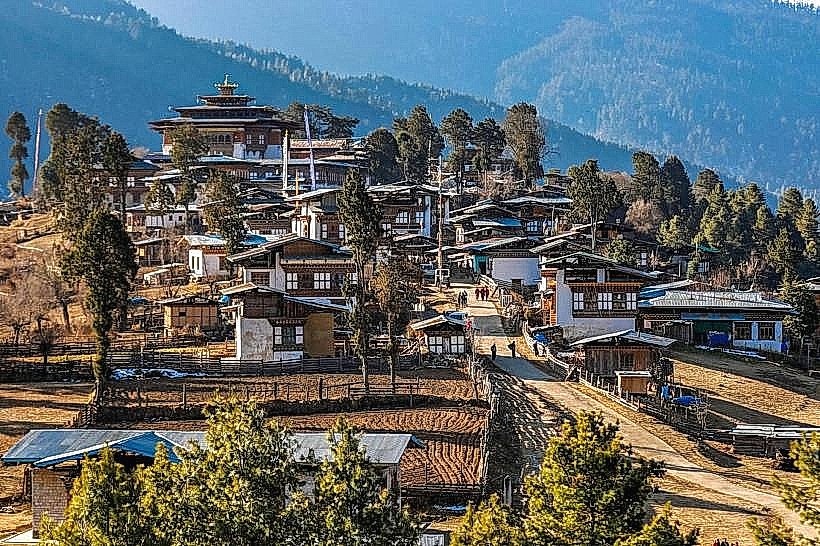
Gangtey Monastery is a significant Buddhist monastery situated in the Phobjikha Valley, within the Wangdue Phodrang District of Bhutan.
Visual Characteristics
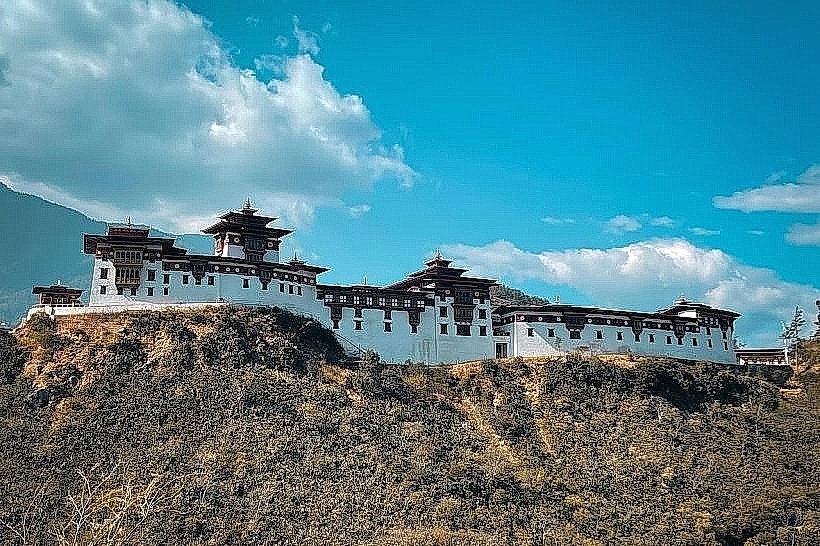
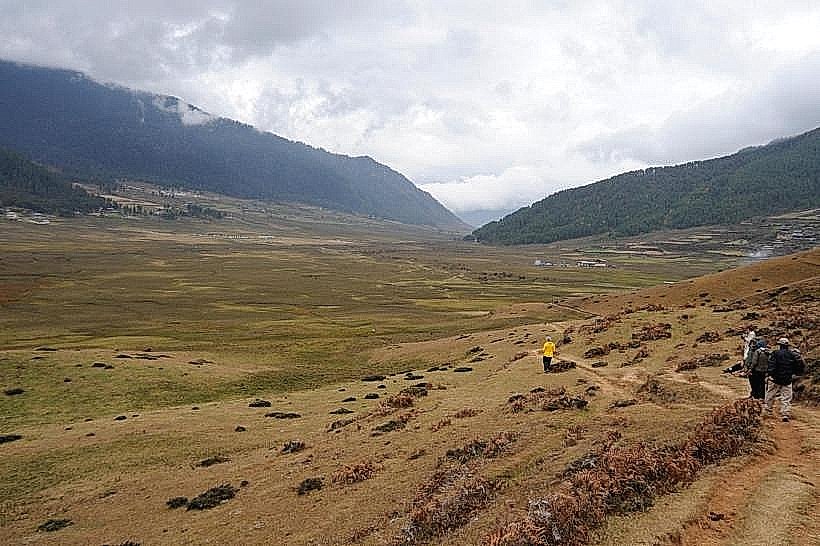
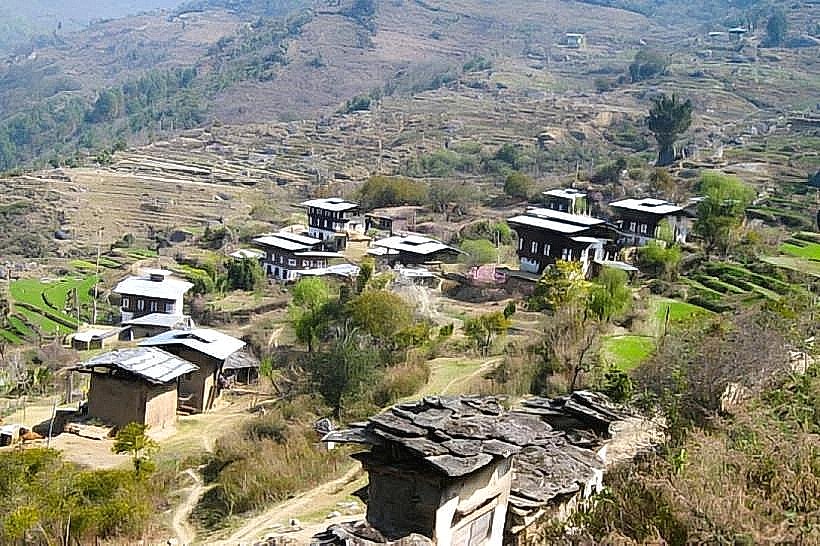
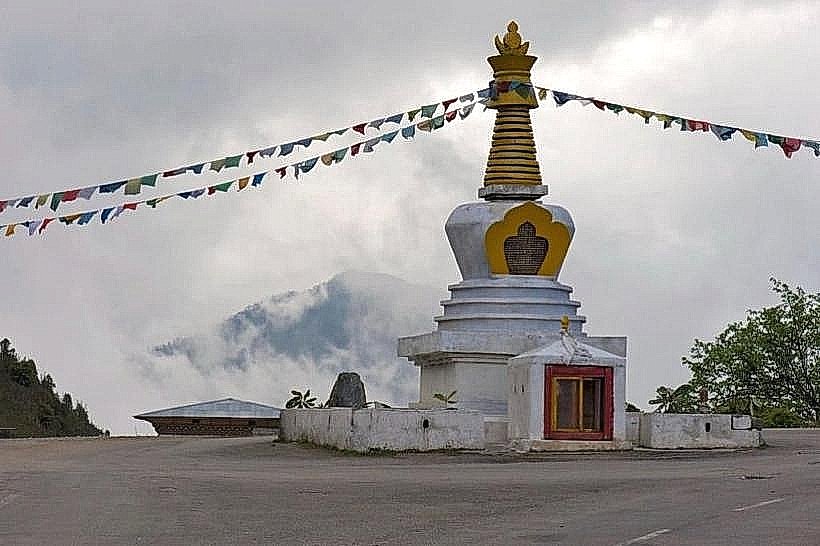
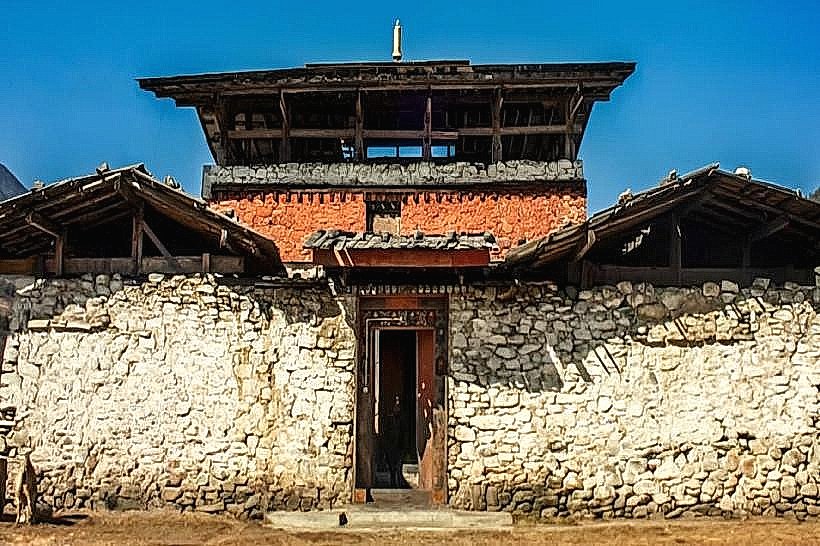
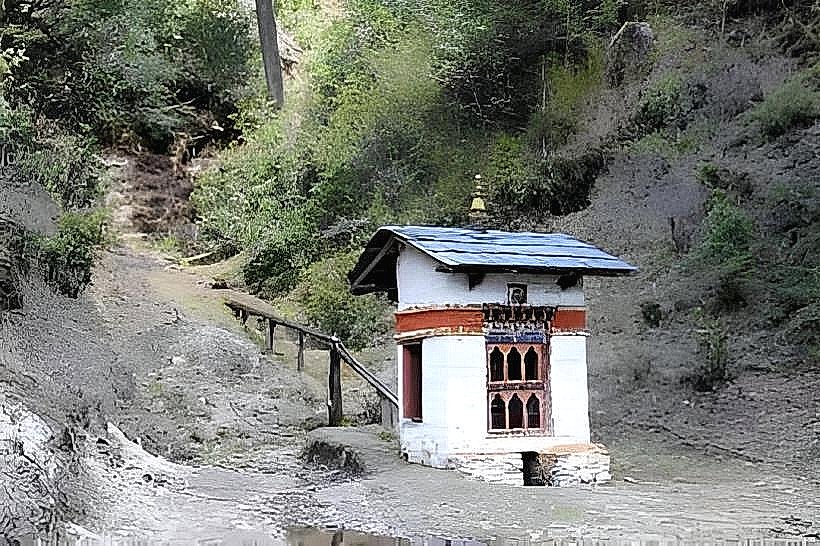
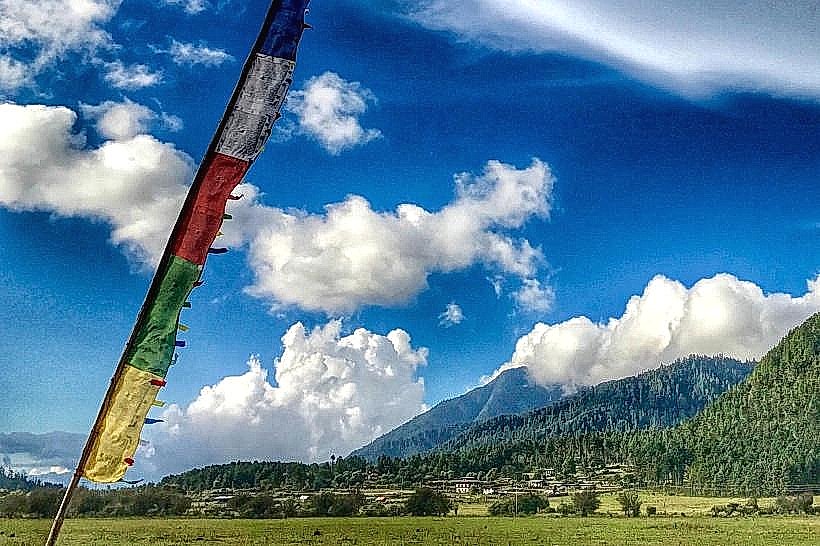
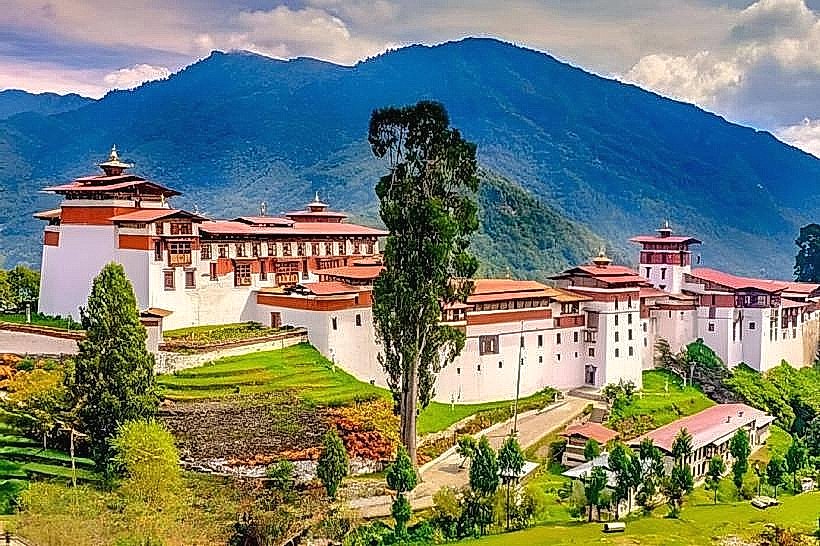
The monastery complex features traditional Bhutanese architecture. The main lhakhang (temple) is a multi-story structure constructed from stone and wood, painted in white with red trim. The roofs are gilded and feature intricate woodwork. The monastery grounds include several smaller stupas and prayer wheels. The surrounding valley is characterized by rolling hills and open grasslands.
Location & Access Logistics
Gangtey Monastery is located approximately 160 kilometers (99 miles) east of Thimphu, the capital city. The drive from Thimphu takes approximately 5-6 hours via the East-West Highway (Amo Chhu Road) and then branching off towards the Phobjikha Valley. The final approach to the monastery is via a paved road from the valley floor. Parking is available at designated areas near the monastery entrance. Public transport directly to Gangtey Monastery is limited; visitors typically arrange private vehicles or join organized tours.
Historical & Ecological Origin
The monastery was founded in the 17th century by Pema Thinley, the grandson of the renowned Bhutanese saint Pema Lingpa. It serves as the main seat of the Peling tradition of Buddhism. The Phobjikha Valley itself is a glacial valley, known for its ecological significance as the wintering ground for the endangered Black-necked Cranes.
Key Highlights & Activities
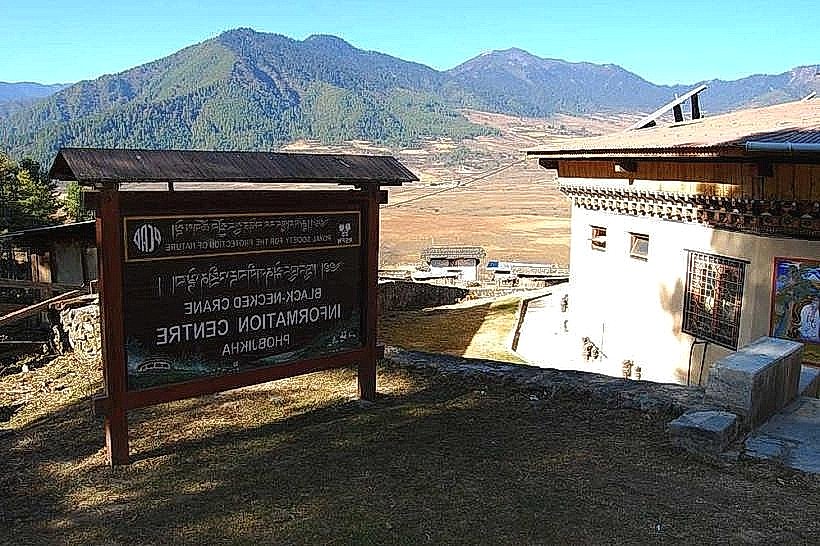
Visitors can explore the main temple, observe the monastic life, and participate in prayer ceremonies if scheduled. The monastery grounds offer views of the Phobjikha Valley. Hiking trails are accessible in the surrounding valley, providing opportunities for nature walks. The Black-necked Crane Information Centre is located a short distance from the monastery.
Infrastructure & Amenities
Restrooms are available within the monastery complex. Limited shade is provided by the monastery buildings. Cell phone signal (4G) is generally available in the vicinity. Food vendors are not typically present at the monastery itself, but small restaurants and guesthouses are located in the nearby village of Gangtey.
Best Time to Visit
The best months for visiting are March to May and September to November, offering clear skies and moderate temperatures. For photography, early morning and late afternoon provide optimal lighting conditions. The period from late October to February is ideal for observing the Black-necked Cranes, which are a significant attraction in the valley.
Facts & Legends
A local legend states that the valley was once inhabited by demons, and Pema Lingpa subdued them, establishing the monastery as a sacred site. The monastery is also known for its annual festival, the Gangtey Tshechu, which features masked dances and religious rituals.
Nearby Landmarks
- Black-necked Crane Information Centre (0.8km West)
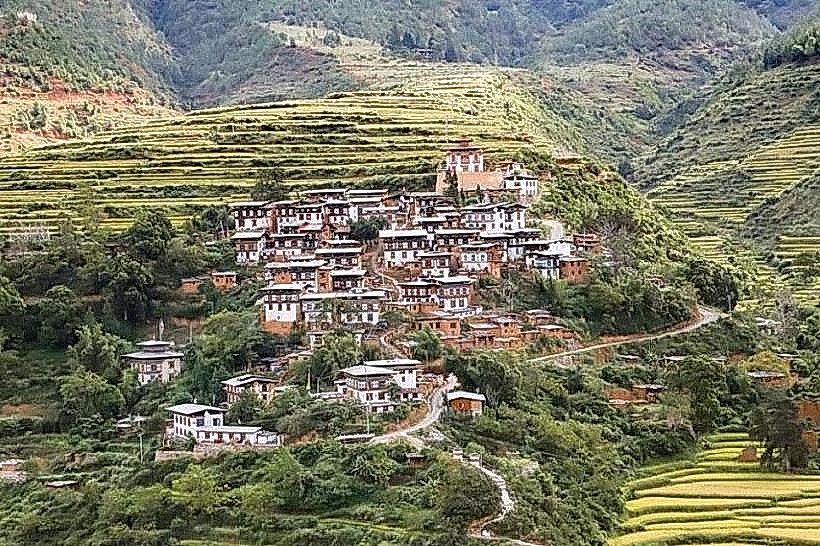
- Gangtey Village (1.5km South)
- Phobjikha Valley Hiking Trails (Accessible from monastery)
- Khewang Lhakhang (3.0km South-West)