Information
Landmark: Rinchengang VillageCity: Wangdue Phodrang
Country: Bhutan
Continent: Asia
Rinchengang Village, Wangdue Phodrang, Bhutan, Asia
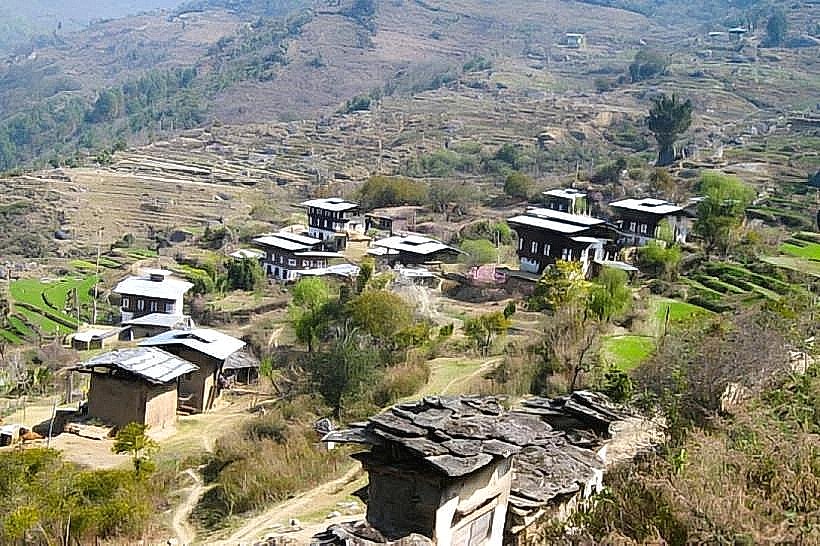
Rinchengang Village is a settlement located in the Wangdue Phodrang District of Bhutan.
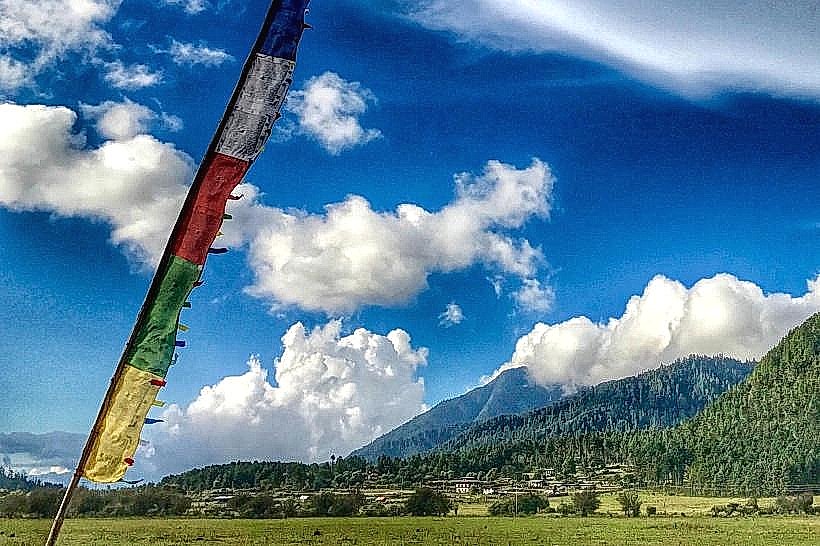
This village is situated on a hillside overlooking the Punakha Valley.
Visual Characteristics
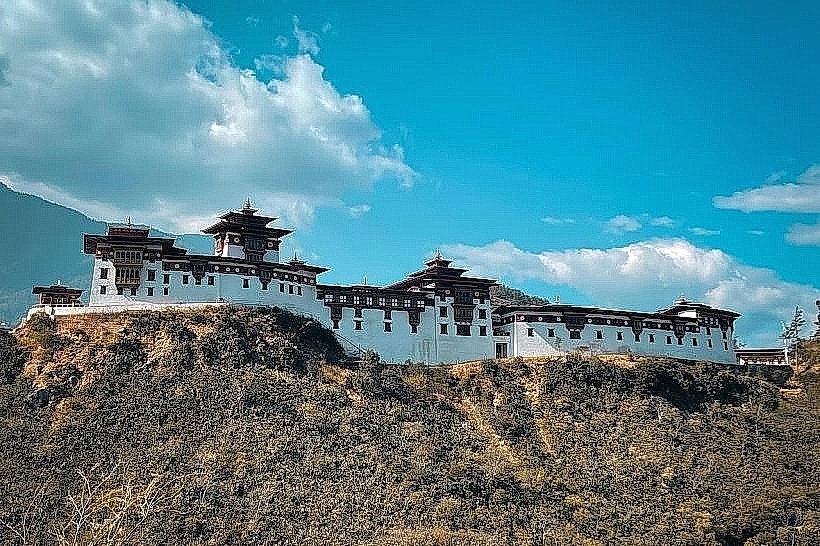
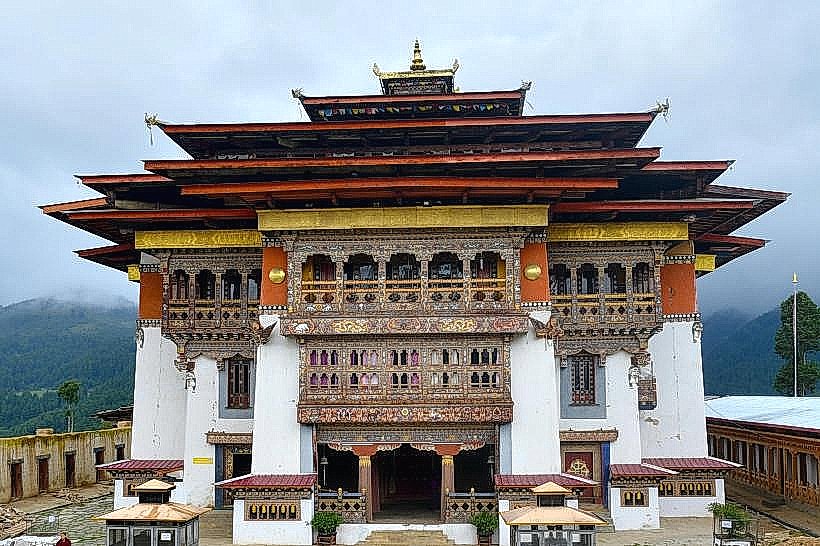
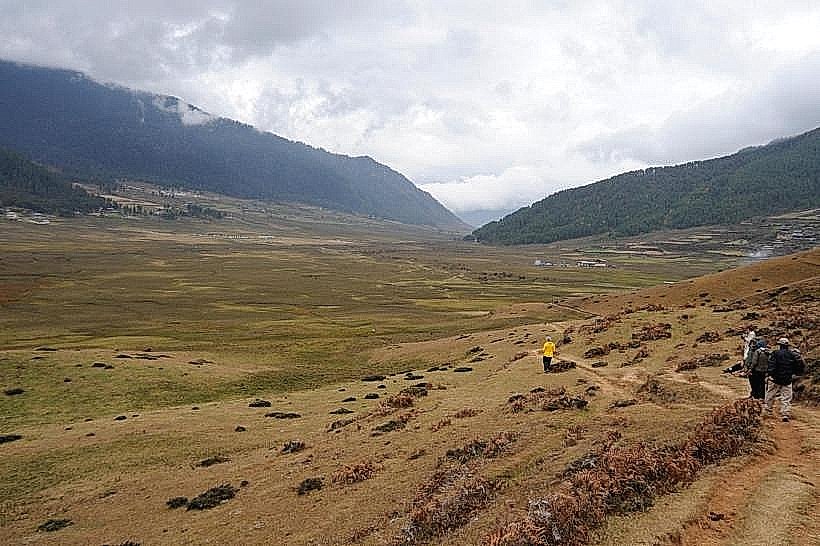
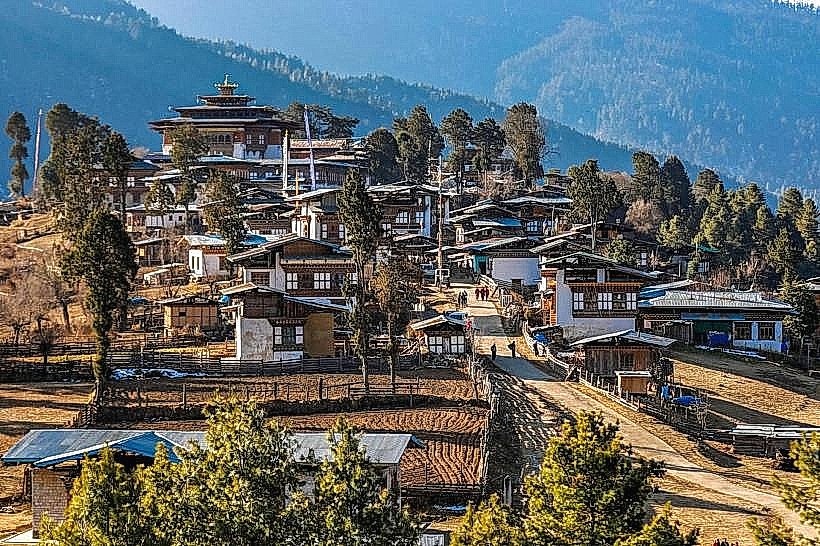
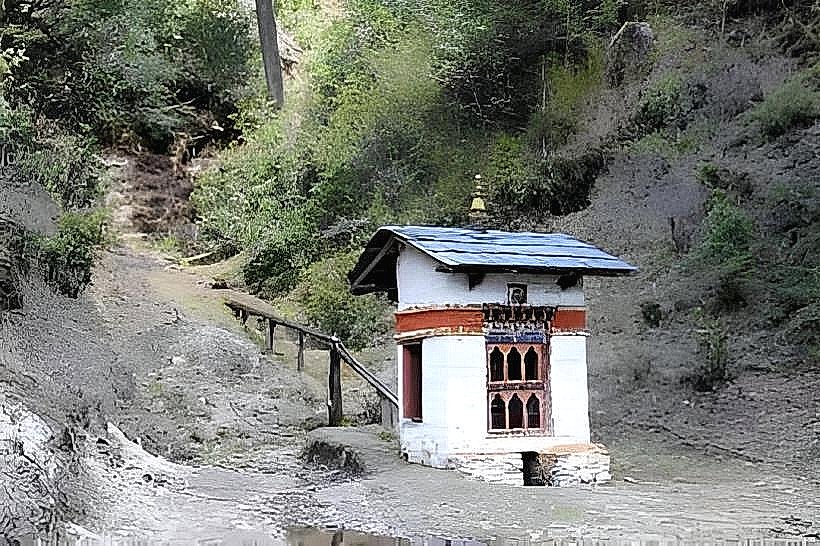
The village consists of traditional Bhutanese houses constructed from stone and timber. Roofs are typically made of slate. The structures are generally two to three stories high, with white-washed walls and dark wooden window frames. The surrounding landscape features terraced fields and dense pine forests.
Location & Access Logistics
Rinchengang Village is approximately 15 kilometers west of Wangdue Phodrang town. Access is via the national highway (NH10) which passes through the village. Turn off the highway at the signpost for Rinchengang. Parking is available along the main village road, though space can be limited during peak hours. Public transport options are infrequent; local buses from Wangdue Phodrang may stop near the village entrance, requiring a short walk uphill.
Historical & Ecological Origin
The exact construction date of the earliest structures is not precisely documented, but the village has been inhabited for centuries, serving as a traditional agricultural community. The houses are built using local materials and construction techniques passed down through generations. The surrounding area is characterized by temperate forest ecosystems.
Key Highlights & Activities
Walk through the village lanes to observe traditional Bhutanese architecture. Engage with local residents (respectfully). Hike on trails leading from the village into the surrounding hills for views of the valley. Photography of village life and landscape is possible.
Infrastructure & Amenities
Basic amenities are limited within the village itself. There are no public restrooms or designated food vendors. Cell phone signal (4G) is generally available but can be intermittent. Shade is provided by the houses and trees. Visitors should carry water and snacks.
Best Time to Visit
The best time of day for photography is late afternoon, when the sunlight illuminates the western-facing slopes. The months of March to May and September to November offer pleasant weather, with clear skies and moderate temperatures. Avoid the monsoon season (June to August) due to heavy rainfall.
Facts & Legends
A local belief states that the village was established by a lama who found a sacred relic in the area. It is also said that the unique architectural style, with houses built close together, was a defensive measure against past invasions.
Nearby Landmarks
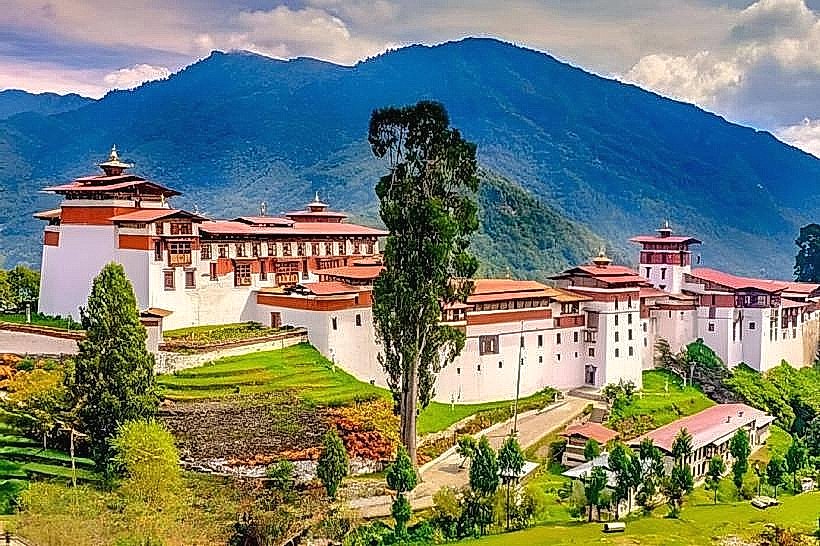
- Wangdue Phodrang Dzong (approx. 15km East)
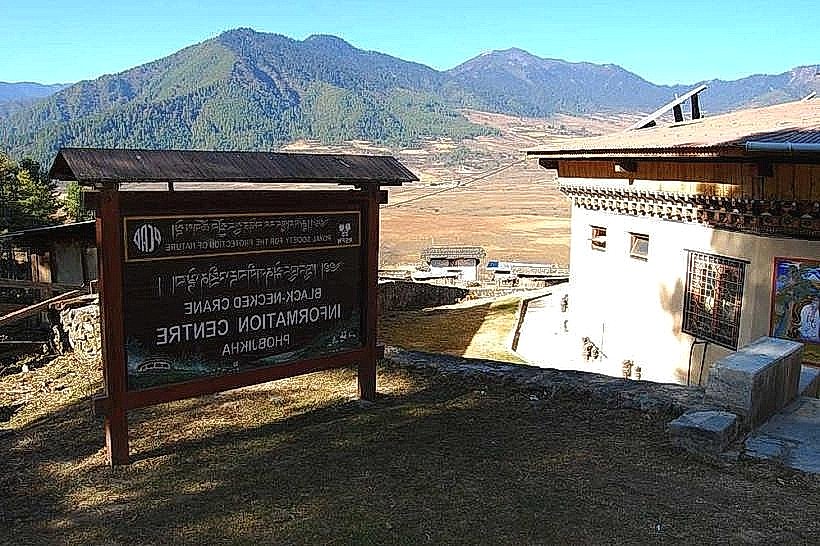
- Phobjikha Valley (approx. 30km West)
- Gangtey Monastery (approx. 32km West)
- Dochula Pass (approx. 45km East)