Information
Landmark: Wangdue Phodrang DzongCity: Wangdue Phodrang
Country: Bhutan
Continent: Asia
Wangdue Phodrang Dzong, Wangdue Phodrang, Bhutan, Asia
Wangdue Phodrang Dzong is a large fortress-monastery located in the Wangdue Phodrang district of central Bhutan. It is situated on a ridge overlooking the confluence of the Puna Tsang Chhu and the Dang Chhu rivers.
Visual Characteristics
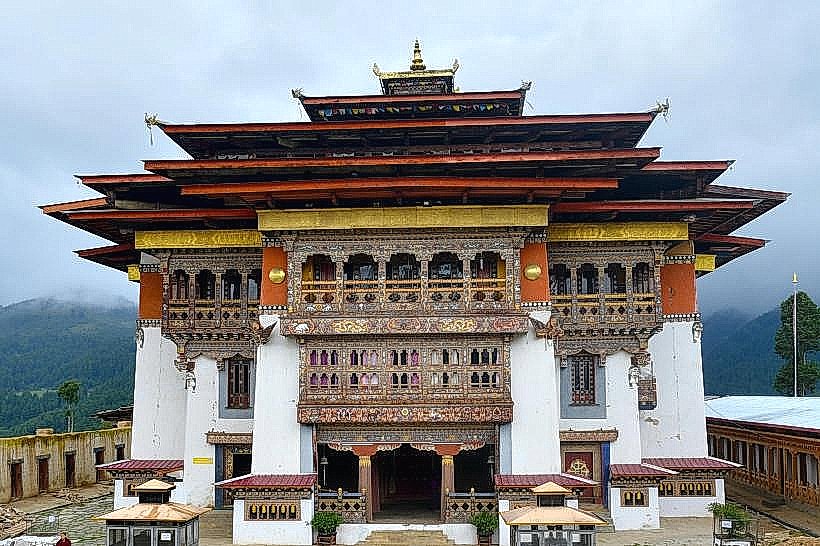
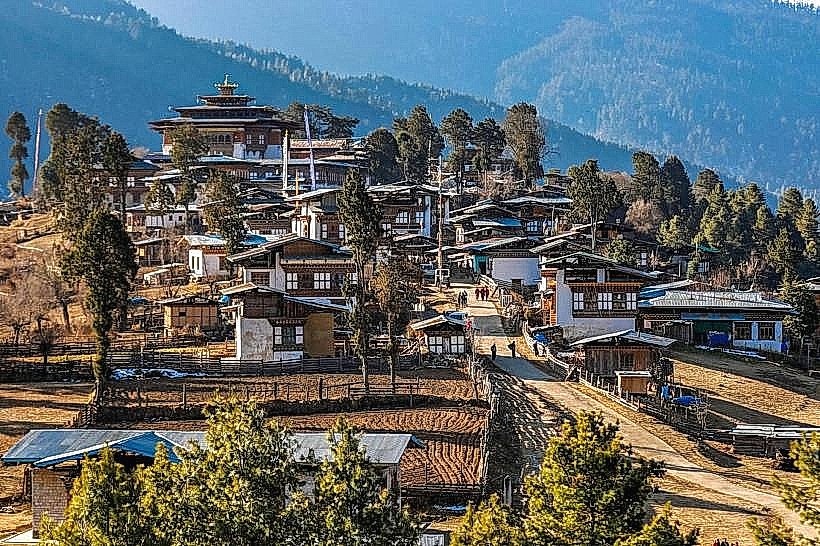
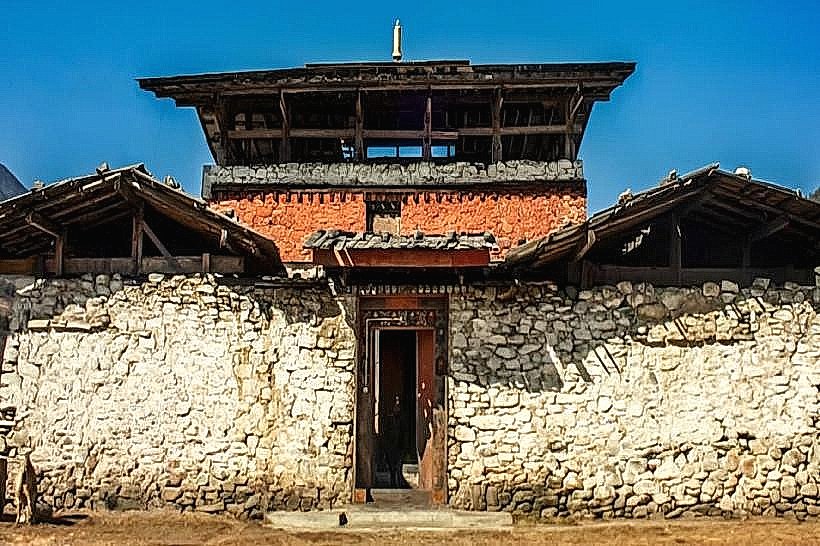
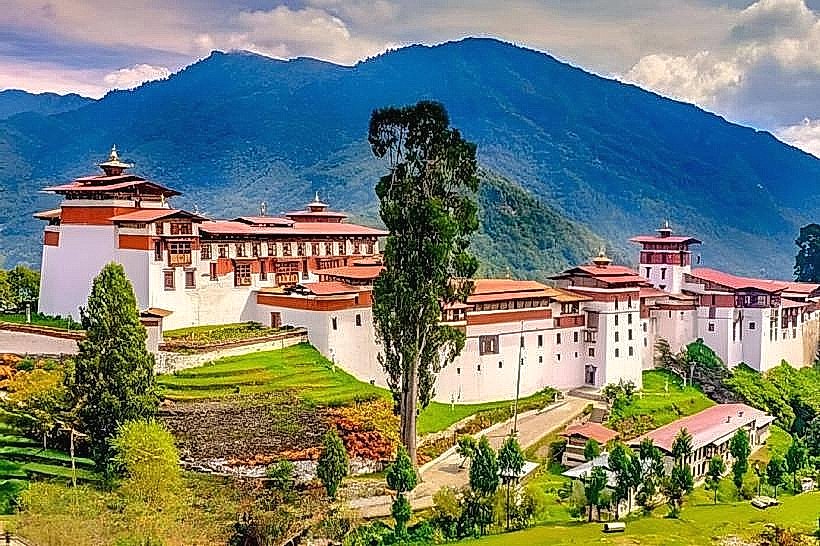
The dzong is constructed primarily from stone and timber. Its walls are whitewashed, with distinctive red and gold decorative elements around the windows and rooflines. The structure features multiple courtyards, administrative offices, and monastic quarters. It rises several stories high, with a prominent central tower (utse).
Location & Access Logistics
The dzong is located approximately 1.5 kilometers from the town center of Wangdue Phodrang. Access is via the national highway (Route A1). Parking is available at the base of the ridge leading to the dzong. Public transport options are limited; local buses connect Wangdue Phodrang to other major towns, and taxis are available within the town.
Historical & Ecological Origin
Construction of Wangdue Phodrang Dzong began in 1683 under the order of Zhabdrung Ngawang Namgyal. It was built to defend the region and serve as an administrative and monastic center. The dzong is situated on a geologically stable ridge, strategically chosen for its defensive capabilities and commanding views.
Key Highlights & Activities
Visitors can explore the main courtyards and observe the architectural details. Guided tours are available, providing information on the dzong's history and function. Photography is permitted in designated areas. The site offers panoramic views of the surrounding valleys.
Infrastructure & Amenities
Restrooms are available near the entrance. Limited shade is present within the courtyards. Cell phone signal (4G) is generally available. Food vendors are typically located in the town of Wangdue Phodrang, not directly at the dzong.
Best Time to Visit
The best time of day for photography is generally in the late afternoon when the sunlight illuminates the western facades. The dry season, from October to March, offers the most favorable weather conditions. No specific tide requirements are applicable.
Facts & Legends
A significant fire in 2012 destroyed much of the original structure. Reconstruction efforts have been undertaken, aiming to preserve the historical integrity of the dzong. Local lore suggests the dzong's strategic location was chosen to control the valley and prevent invasions.
Nearby Landmarks
- Richen Tenzin Lhakhang (0.8km West)
- Phobjikha Valley (15km North-East)
- Gangtey Monastery (16km North-East)
- Dochula Pass (30km South-West)