Information
Landmark: Trongsa DzongCity: Wangdue Phodrang
Country: Bhutan
Continent: Asia
Trongsa Dzong, Wangdue Phodrang, Bhutan, Asia
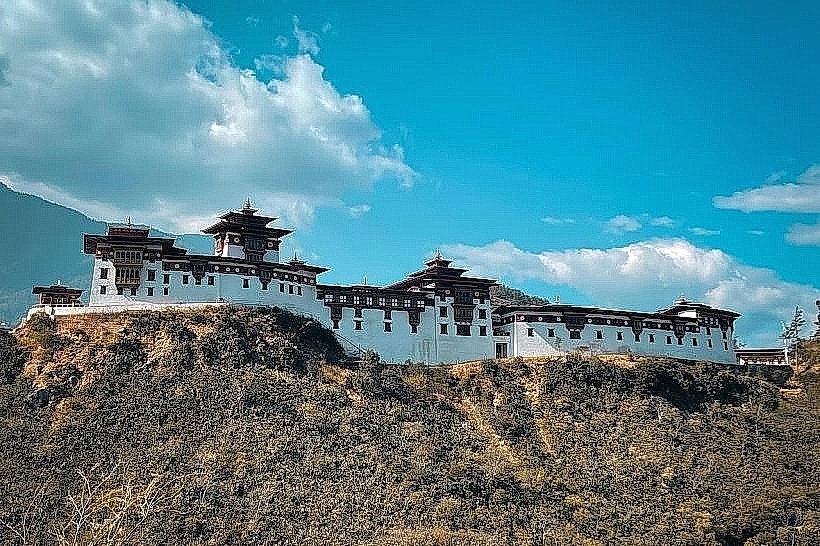
Trongsa Dzong is a large fortress and monastery situated in the central district of Trongsa, within the Wangdue Phodrang region of Bhutan.
Visual Characteristics
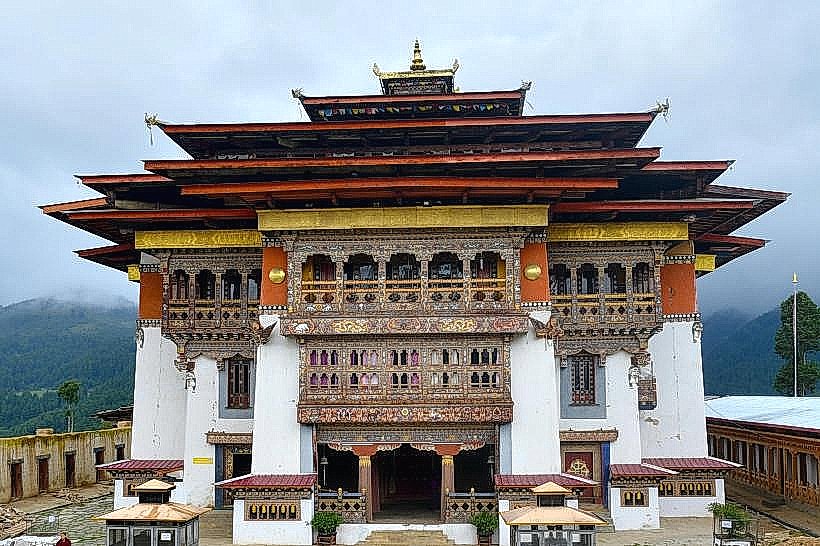
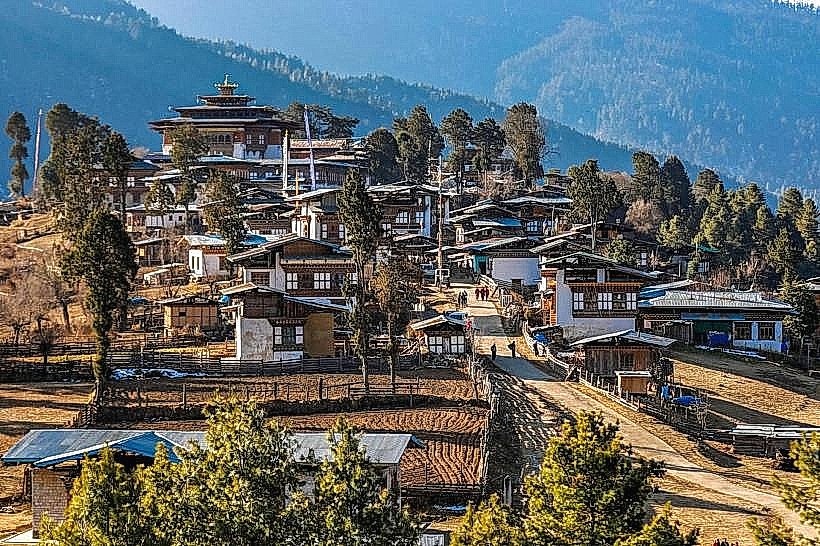
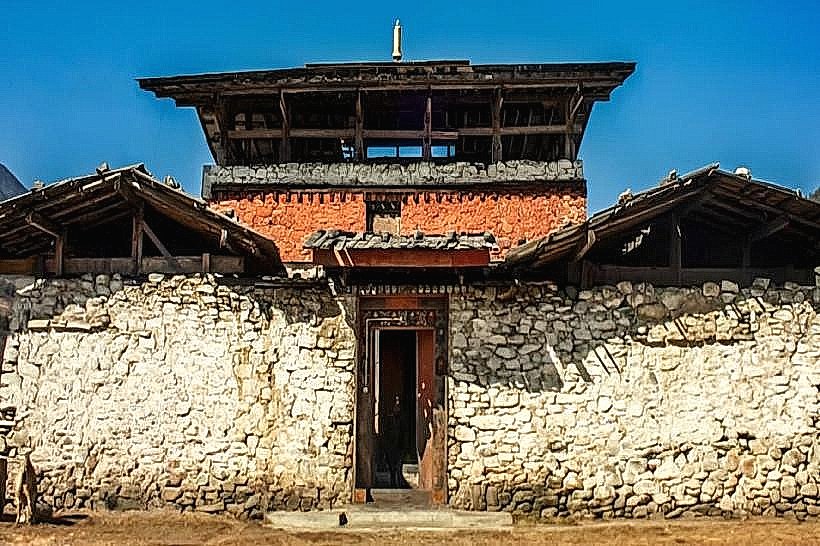
The dzong is constructed primarily from stone and features whitewashed walls with red ochre trim. It comprises multiple courtyards, temples, and administrative buildings, arranged in a complex, multi-tiered structure that follows the contours of the ridge. The main tower, the Ta Dzong, is a circular watchtower.
Location & Access Logistics
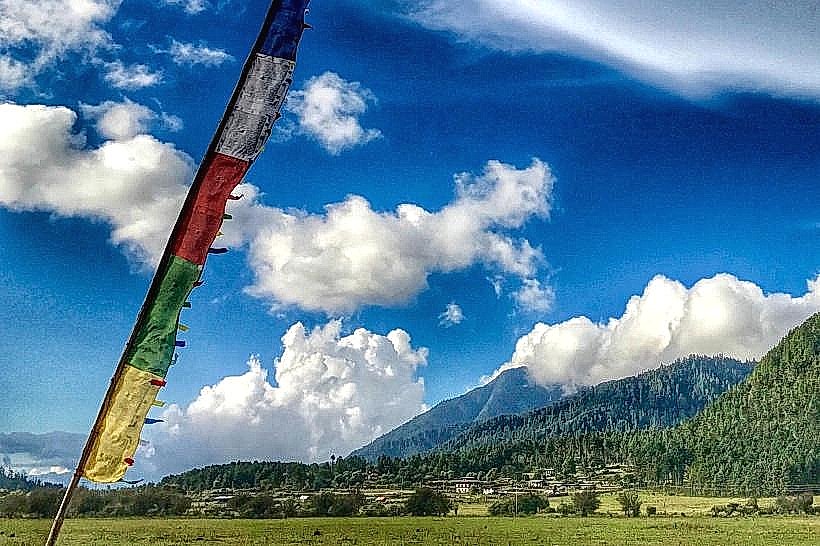
Trongsa Dzong is located on a spur overlooking the valley of the Mangde Chhu river. It is approximately 145 kilometers west of Thimphu, the capital city. Access is via the East-West Highway (A1). Parking is available at the base of the dzong, with a short uphill walk required to reach the entrance. Public transport options are limited; buses operate between major towns, and private taxis can be hired.
Historical & Ecological Origin
Construction of Trongsa Dzong began in 1541 and was completed in 1644 by Zhabdrung Ngawang Namgyal. It served as the administrative and religious center of the region and was the seat of the Penlop (governor) of Trongsa, a position historically held by the heir to the throne. The dzong is built on a strategic defensive location.
Key Highlights & Activities
Visitors can explore the various temples within the dzong, including the Yigtsug Lhakhang and the Ugyen Lhakhang. The Ta Dzong, now a museum, offers exhibits on Bhutanese history and culture. Walking through the courtyards provides insight into the dzong's architectural layout. Photography is permitted in designated areas.
Infrastructure & Amenities
Restrooms are available within the dzong complex. Limited shade is provided by the structure itself. Cell phone signal (4G/5G) is generally available in the vicinity. Food vendors are typically found in the town of Trongsa, located below the dzong.
Best Time to Visit
The best time of day for photography is generally in the morning when the sun illuminates the eastern facade. The dry season, from October to March, offers the most favorable weather conditions. No specific tide requirements apply.
Facts & Legends
Trongsa Dzong is considered the most strategically important dzong in Bhutan, as it controls the east-west trade route. It is also the ancestral home of Bhutan's royal family. A local legend states that the dzong was built on the site where a raven was seen flying in circles, signifying a sacred location.
Nearby Landmarks
- Ta Dzong (Museum) - 0.1km North
- Trongsa Town - 0.5km South
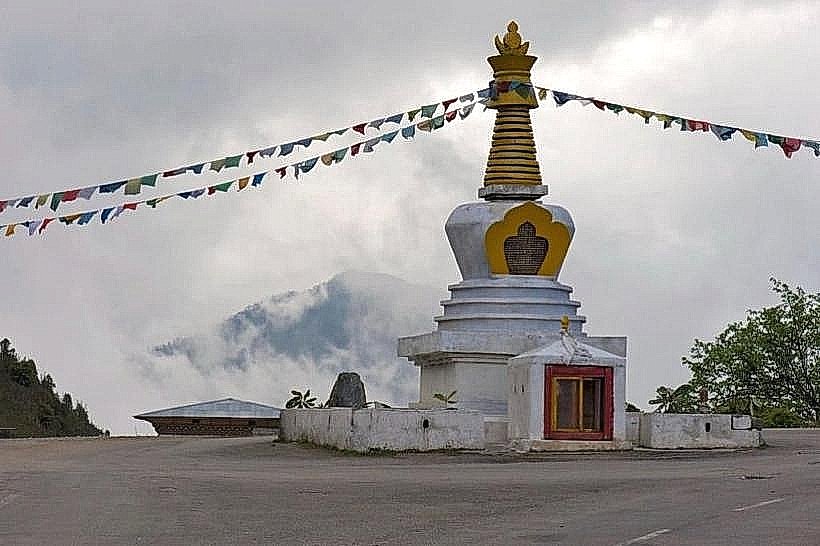
- Chendebji Chorten - 15km West
- Jigme Singye Wangchuck National Park (Southern Entrance) - 25km East