Information
Landmark: Gothenburg Botanical GardenCity: Gothenburg
Country: Sweden
Continent: Europe
Gothenburg Botanical Garden, Gothenburg, Sweden, Europe
The Gothenburg Botanical Garden (Göteborgs botaniska trädgård) is one of the largest and most diverse botanical gardens in Sweden and Europe, attracting both locals and tourists with its stunning collection of plants and natural beauty. Located in the southern part of Gothenburg, near the Änggårdsbergen Nature Reserve, the garden spans over 175 acres and offers a peaceful, scenic escape from the city.
1. Overview and History
- Established: The garden was officially opened in 1923, and it has since grown to become a major hub for plant research, conservation, and public education on plant life and biodiversity.
- Location: Situated just a few kilometers from downtown Gothenburg, the garden is set in a natural environment that features a mix of woodland, meadow, and wetland areas. The garden's location near the Änggårdsbergen Nature Reserve gives it an even greater connection to nature, offering a variety of ecosystems to explore.
- Purpose: The Gothenburg Botanical Garden serves as both a public park and a scientific research facility. It houses a vast collection of plants from around the world and is involved in various conservation efforts to protect threatened plant species.
2. Key Features and Areas
The Gothenburg Botanical Garden is organized into different themed sections, each showcasing different plant species, growing techniques, and landscapes.
1. Themed Gardens
- Rock Garden (Stenpartiet): The rock garden is one of the highlights of the botanical garden, featuring alpine plants that thrive in rocky environments. It simulates the conditions of mountainous regions and is home to species that are typically found in rocky cliffs and high-altitude habitats.
- The Japanese Garden: This tranquil space is designed with traditional Japanese garden principles in mind, featuring pruned trees, stone lanterns, a koi pond, and a variety of plants commonly found in Japan. It’s an ideal spot for visitors to enjoy a peaceful, meditative atmosphere.
- The Rhododendron Valley: The garden has one of the most impressive collections of rhododendrons in Europe, particularly stunning during the spring when the flowers are in full bloom. This section also includes azaleas and various hybrid species.
- The Arboretum: This area features a collection of trees from around the world, including Swedish native species and exotic trees. It allows visitors to observe different species of trees in various stages of growth.
- The Herb Garden: This section features a wide variety of medicinal herbs, culinary herbs, and aromatic plants. The garden showcases the diversity and practical uses of these plants throughout history and across cultures.
2. Greenhouses
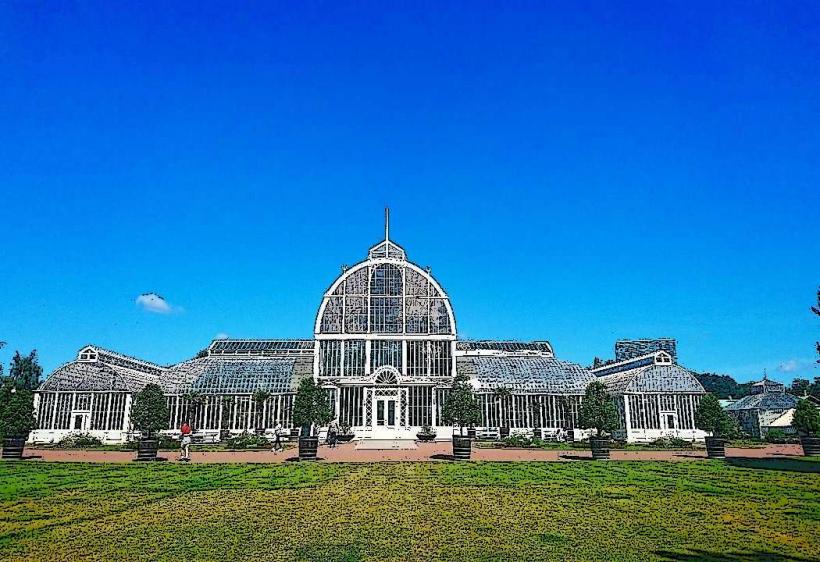
The garden houses several greenhouses that maintain tropical and subtropical plant collections. These include:
- The Tropical Greenhouse: Home to plants from tropical regions around the world, this greenhouse simulates a humid, tropical climate, allowing visitors to see exotic palms, ferns, orchids, and other species that thrive in hot, humid conditions.
- The Succulent Greenhouse: This greenhouse is dedicated to plants from arid regions, featuring a variety of cacti, succulents, and other drought-tolerant plants. It provides insight into how these plants have adapted to survive in harsh environments.
- The Mediterranean Greenhouse: Featuring plants native to the Mediterranean region, this greenhouse showcases a variety of plants that grow in hot, dry climates with a long growing season, such as olive trees, lavender, and grapevines.
3. The Flower Beds and Seasonal Gardens
Throughout the garden, visitors can enjoy a variety of seasonal flower displays, including beds full of colorful spring bulbs, summer flowers, and autumn foliage. The flower beds are carefully curated to reflect the changing seasons, ensuring a stunning display year-round.
4. The Pond and Wetlands
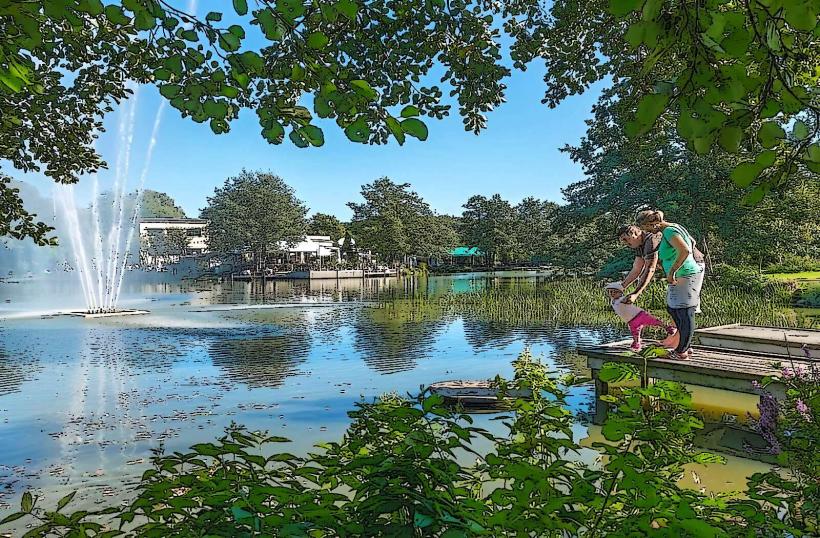
The pond and wetlands areas are designed to mimic natural water ecosystems, providing a habitat for a variety of plants and wildlife. These areas are home to water lilies, aquatic plants, and a variety of insects and birds.
5. The Grassland Area
This area mimics the look of natural grasslands, filled with wildflowers and grasses that support pollinators like bees and butterflies. It provides a peaceful contrast to the more manicured sections of the garden.
3. Educational Programs and Research
- The Gothenburg Botanical Garden is actively involved in plant research and conservation efforts. The garden works closely with Swedish and international research institutions to study plant biodiversity and develop sustainable methods of growing and conserving plants.
- The garden hosts workshops, lectures, and guided tours, offering educational programs for visitors of all ages. These programs focus on various topics, such as plant identification, sustainable gardening practices, and ecological conservation.
- The garden also runs educational outreach programs for schools, encouraging young people to connect with nature and learn about plant biology and environmental stewardship.
4. Visitor Experience
- Walking Trails: The garden offers several walking trails that guide visitors through different plant collections and areas of the garden. The paths are well-maintained and designed to accommodate visitors of all abilities, making it easy to explore the garden’s diverse landscapes.
- Seasonal Displays: The garden is known for its changing displays throughout the year. In spring, visitors can enjoy colorful flower beds and blossoming trees; in summer, the garden is in full bloom with vibrant flowers; and in autumn, the trees put on a spectacular display of fall foliage. During the winter, the greenhouses offer a warm retreat with lush tropical and subtropical plants.
- Accessibility: The garden is wheelchair accessible, with paved paths and designated areas for people with disabilities. There are also benches throughout the garden where visitors can rest and enjoy the natural surroundings.
5. Facilities
- Café and Restaurant: The garden has a café where visitors can relax and enjoy a variety of snacks, coffee, and light meals. The café offers a comfortable place to take a break after exploring the garden.
- Gift Shop: The gift shop offers a selection of botanical-themed products, including gardening tools, seeds, and plant-related books. It’s a great place to pick up a souvenir or purchase items related to plants and gardening.
6. Visitor Information
- Opening Hours: The Gothenburg Botanical Garden is open year-round, with different opening hours depending on the season. The outdoor areas are accessible throughout the year, while the greenhouses and other facilities may have adjusted hours during the winter months.
- Admission: Entry to the garden is generally free of charge, although certain special events, exhibitions, or guided tours may require a fee.
7. Conclusion
The Gothenburg Botanical Garden is a must-visit destination for nature lovers, plant enthusiasts, and anyone looking for a peaceful escape in Gothenburg. With its diverse collections, educational programs, and beautiful landscapes, the garden offers a unique experience for visitors of all ages. Whether you’re exploring the stunning flower beds in the spring, enjoying the tranquility of the Japanese Garden, or learning about plant conservation, the Gothenburg Botanical Garden provides an enriching and relaxing environment to connect with nature.