Information
Landmark: La OlivaCity: Fuerteventura
Country: Canary Islands
Continent: Europe
La Oliva, Fuerteventura, Canary Islands, Europe
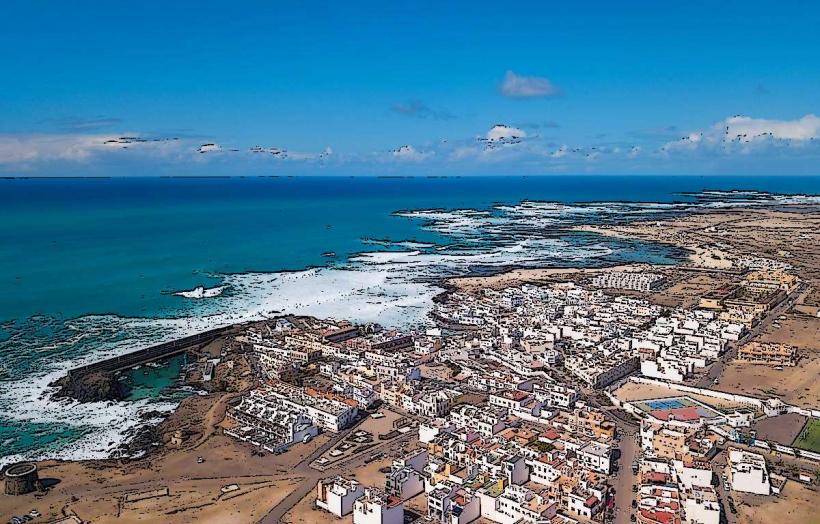
La Oliva is a municipality situated in the northern region of Fuerteventura, one of Spain's Canary Islands. It functions as a significant administrative and cultural hub, notably housing the historic Casa de los Coroneles.
Visual Characteristics
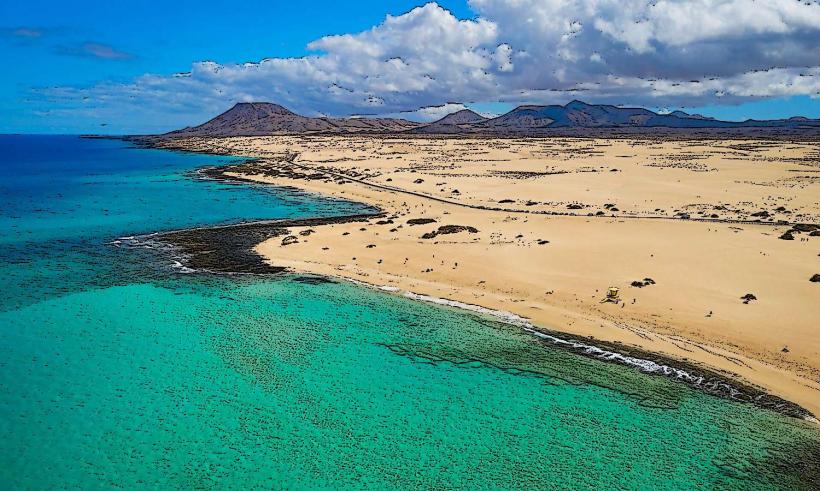
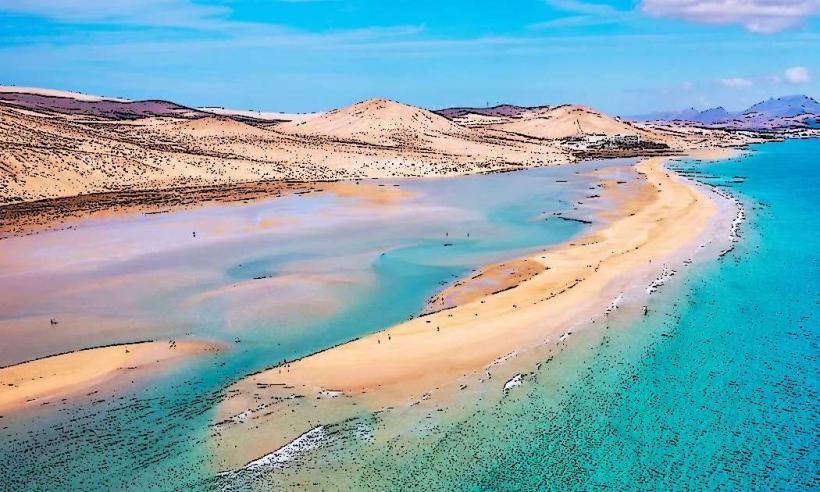
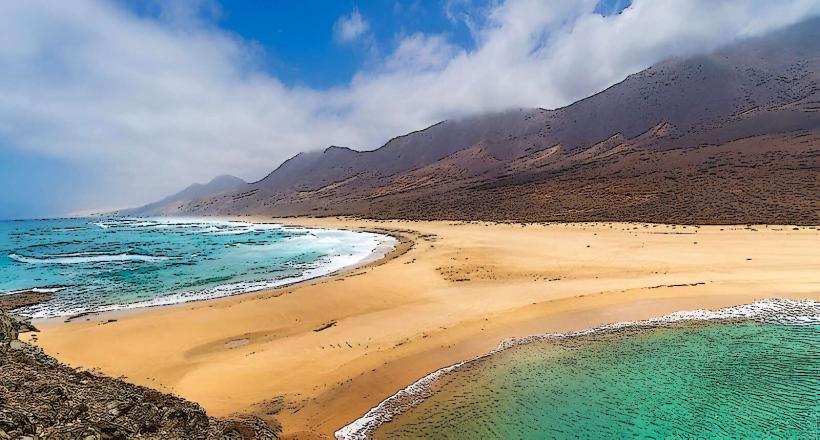
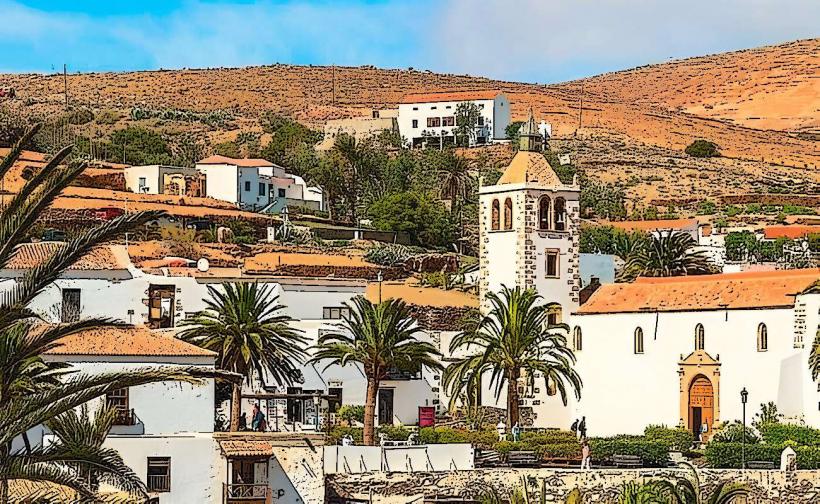
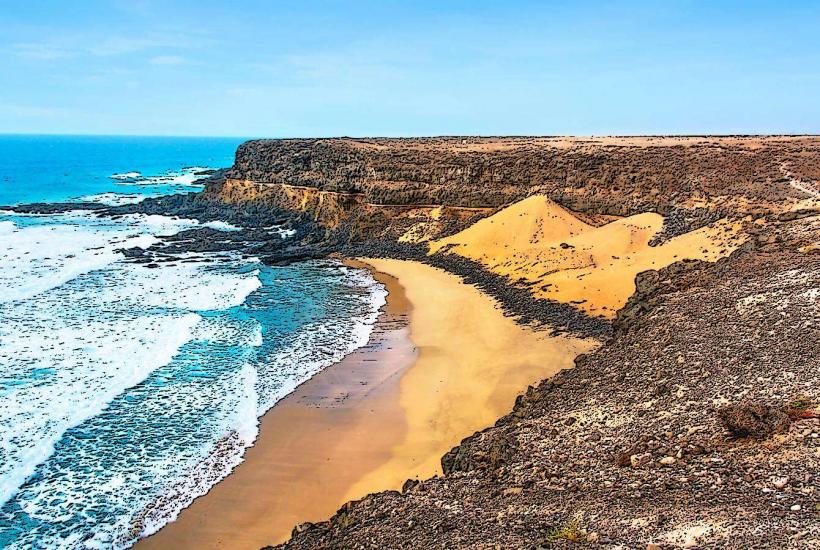
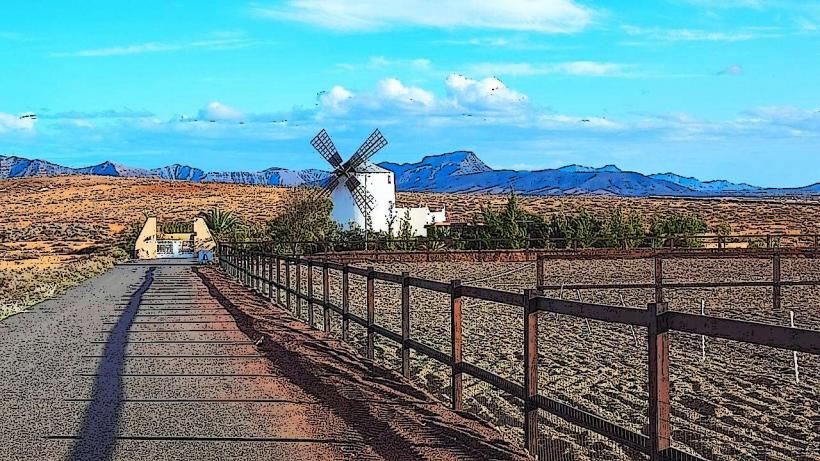
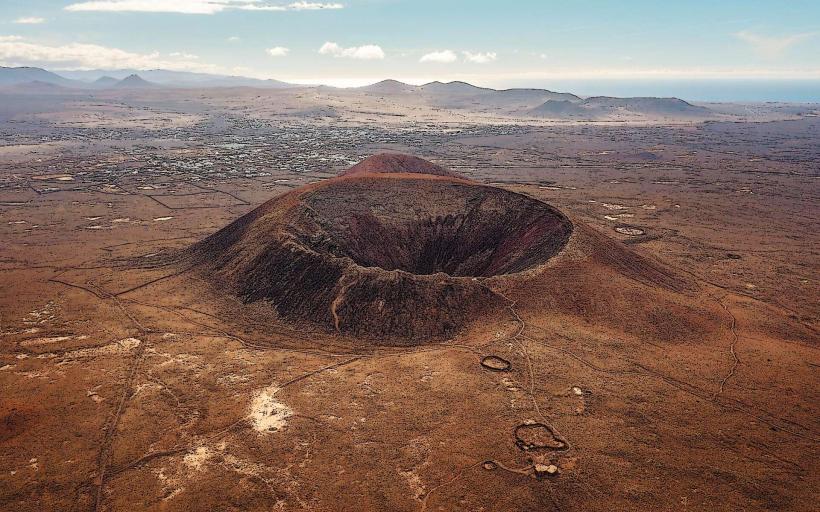
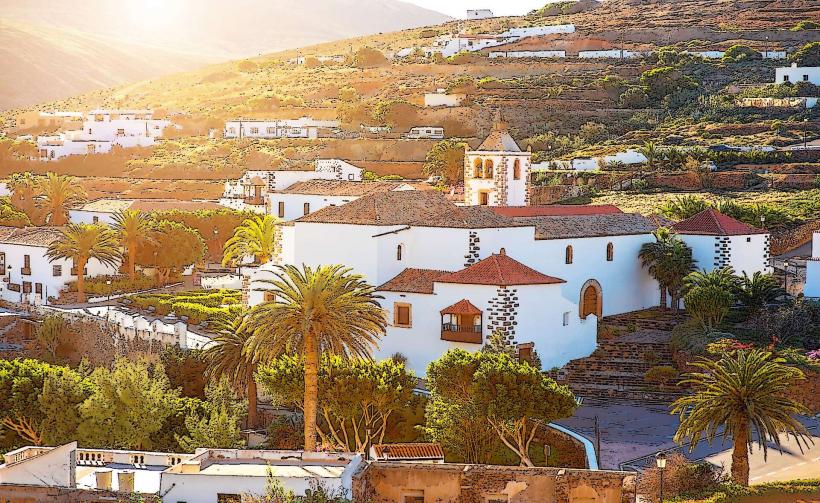
The primary architectural feature is the Casa de los Coroneles, a large, rectangular building constructed from local volcanic stone, primarily in a light ochre and grey palette. It features a symmetrical facade with multiple windows and balconies, indicative of traditional Canarian colonial architecture with military influences. The structure is two stories high, characterized by its robust walls and a central courtyard. The surrounding area of La Oliva is generally arid, with sparse vegetation consisting mainly of low-lying shrubs and palm trees.
Location & Access Logistics
La Oliva is located approximately 30 kilometers northwest of Puerto del Rosario, the island's capital. Access is primarily via the FV-10 road, which connects it to Puerto del Rosario and other northern towns. From the south, the FV-2 leads to the FV-10. Parking is available in designated public areas within the town center, often near the main square or the Casa de los Coroneles. Public transport includes bus lines operated by Tiadhe; Line 7 connects La Oliva to Puerto del Rosario, and Line 8 connects it to Corralejo.
Historical & Ecological Origin
La Oliva served as the historical capital of Fuerteventura from the 17th century until the mid-19th century. The Casa de los Coroneles, or House of the Colonels, was constructed in the mid-17th century and completed in the 18th century. It was the official residence of the island's military governors, known as the Coroneles, who held significant political and economic power. Its original purpose was to symbolize and consolidate their authority over the island.
Key Highlights & Activities
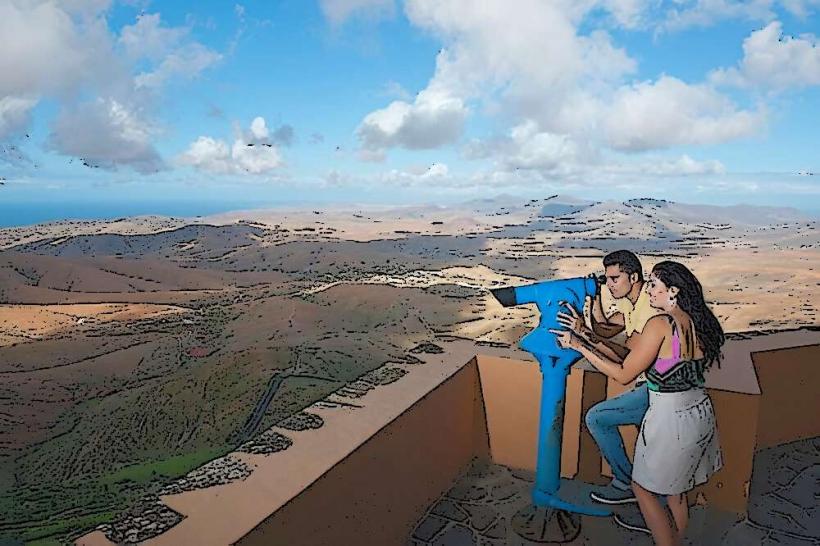
Visitors can explore the Casa de los Coroneles, which often hosts art exhibitions and cultural events. The adjacent Iglesia de Nuestra Señora de la Candelaria, a church with a distinctive bell tower, is also open for viewing. A local artisan market is held on Tuesdays and Fridays in the town square, offering local crafts and produce. Hiking trails are accessible in the surrounding rural areas, including routes towards Tindaya Mountain.
Infrastructure & Amenities
Public restrooms are available near the main square and within the Casa de los Coroneles during opening hours. Shade is limited in outdoor areas, primarily found under trees in the square or within building interiors. Cell phone signal (4G/5G) is generally strong throughout the town. Several local restaurants and cafes are present, offering traditional Canarian cuisine and beverages.
Best Time to Visit
The best time to visit La Oliva is during the cooler months from October to May, when temperatures are milder, typically ranging from 20°C to 25°C. Mornings are ideal for exploring the town and its historical sites, as the light is softer for photography and temperatures are more comfortable. Market days (Tuesdays and Fridays) offer a more active atmosphere.
Facts & Legends
The Casa de los Coroneles is the largest civil building in Fuerteventura. A verified historical oddity is that despite its grand appearance, the Coroneles rarely resided there permanently, often preferring to live in Betancuria or other estates, using La Oliva primarily for administrative and ceremonial functions.
Nearby Landmarks
- Tindaya Mountain: 8km Southwest
- El Cotillo: 15km Northwest
- Corralejo: 18km Northeast
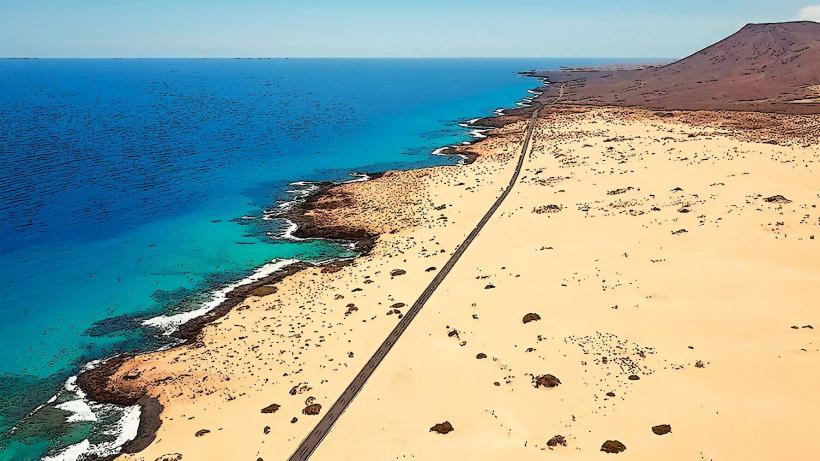
- Dunas de Corralejo Natural Park: 15km East