Information
Landmark: Parque Natural de JandíaCity: Fuerteventura
Country: Canary Islands
Continent: Europe
Parque Natural de Jandía, Fuerteventura, Canary Islands, Europe
The Parque Natural de Jandía is a protected natural park encompassing the entire Jandía peninsula, located on the southwestern tip of Fuerteventura, Canary Islands. This extensive area is characterized by its arid landscapes, volcanic formations, and significant coastal ecosystems.
Visual Characteristics
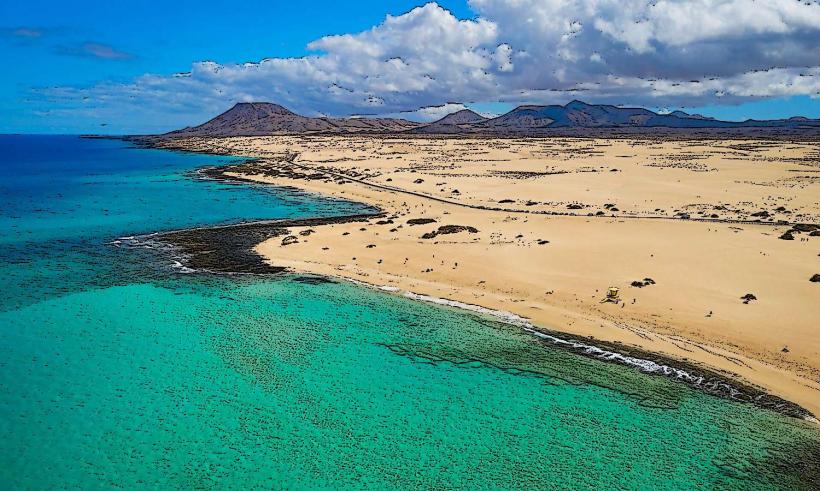
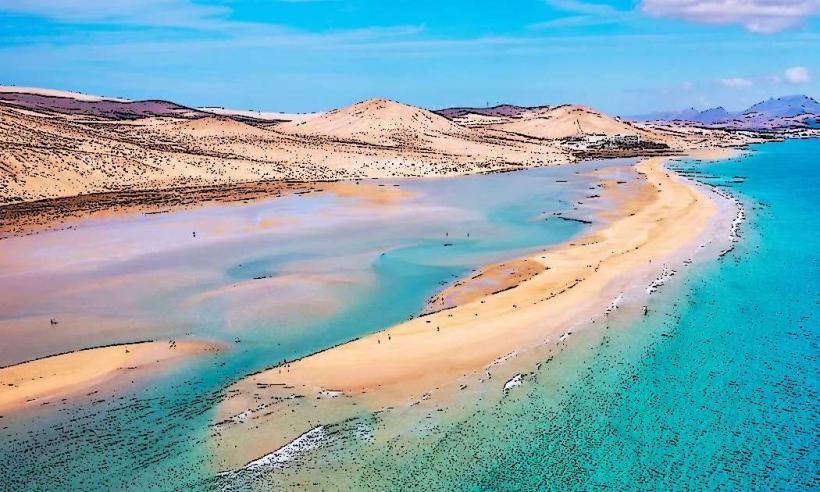
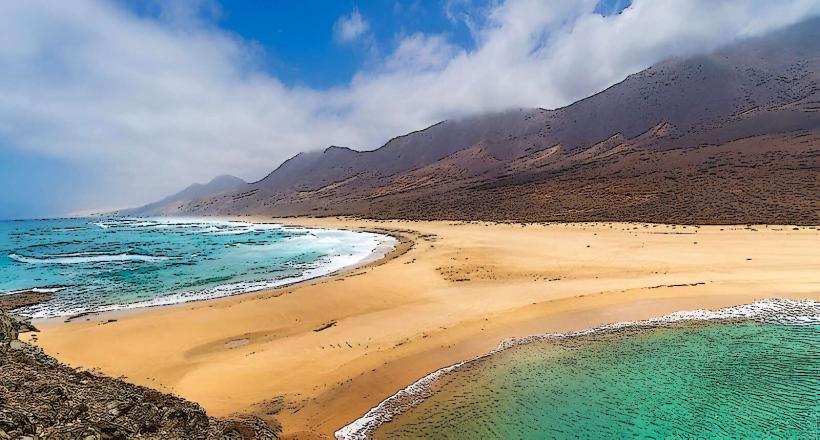
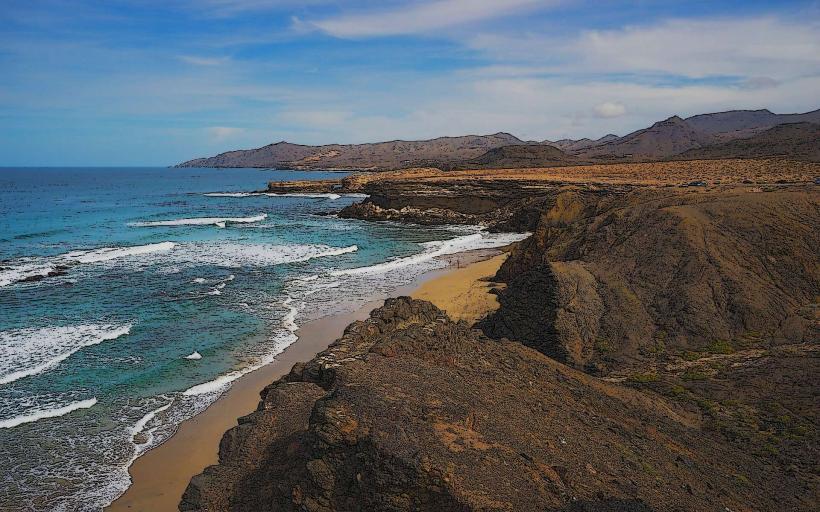
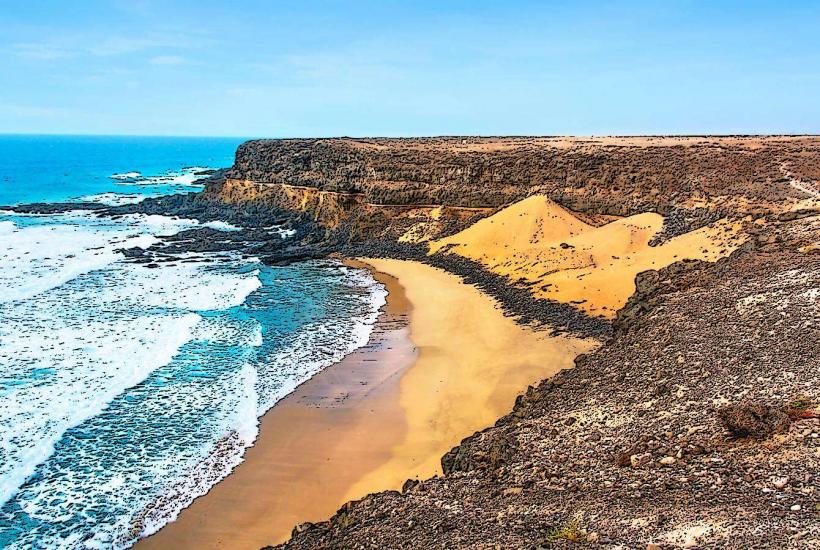
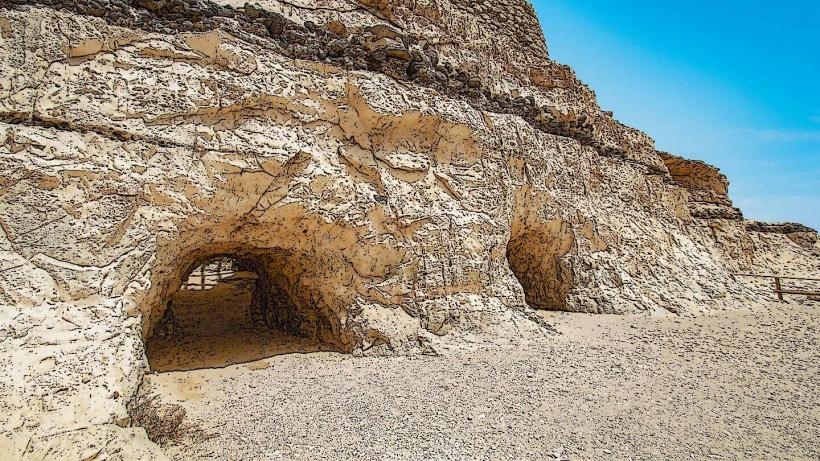
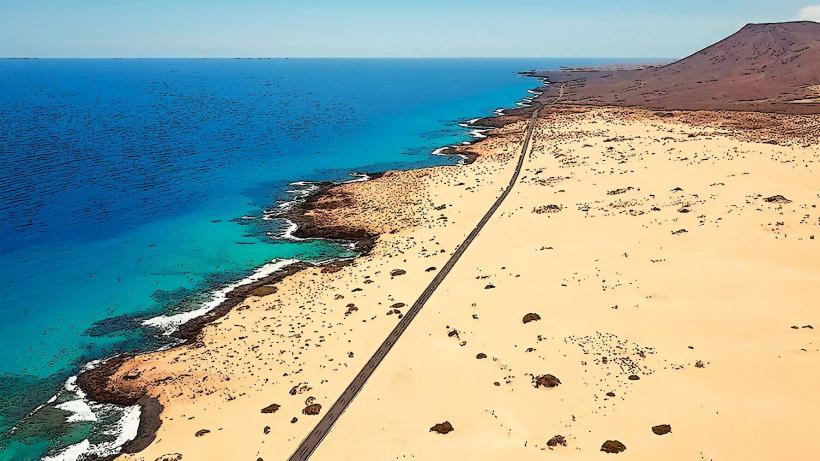
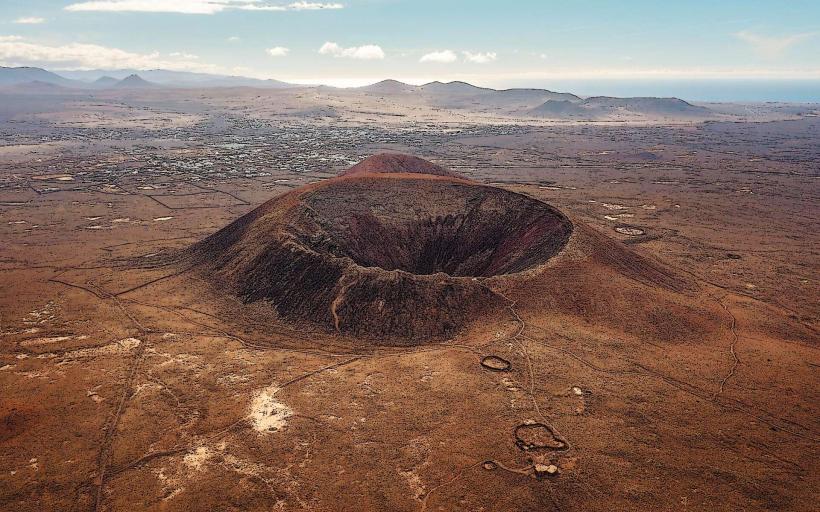
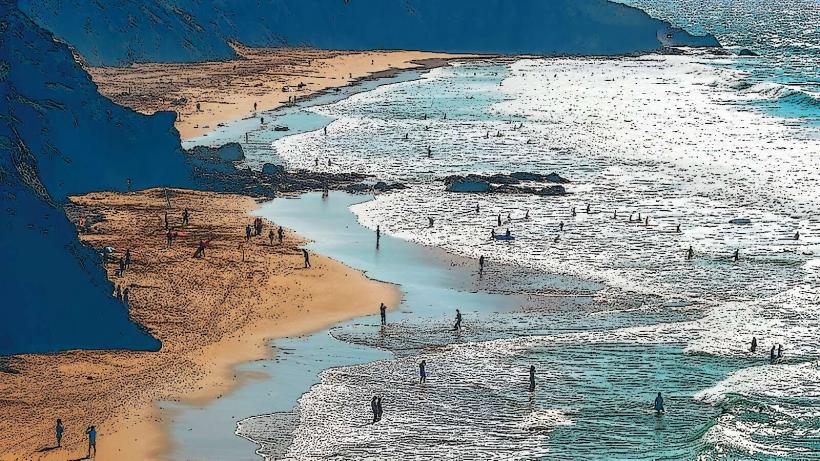
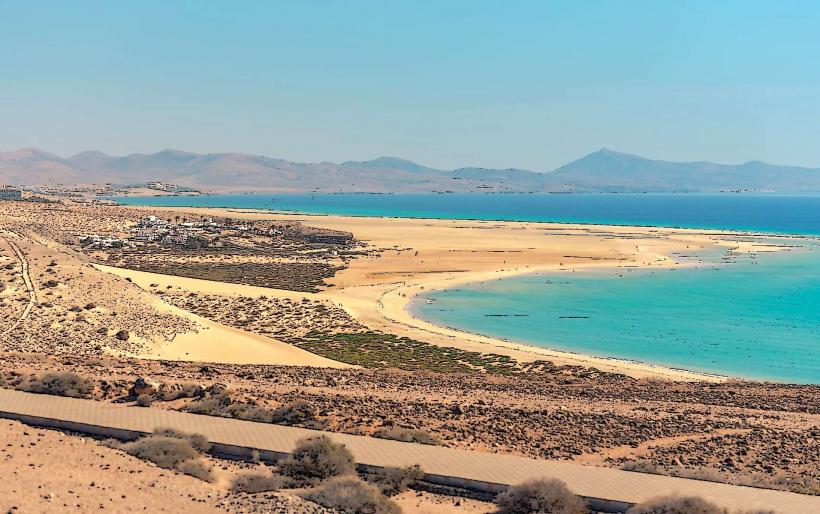
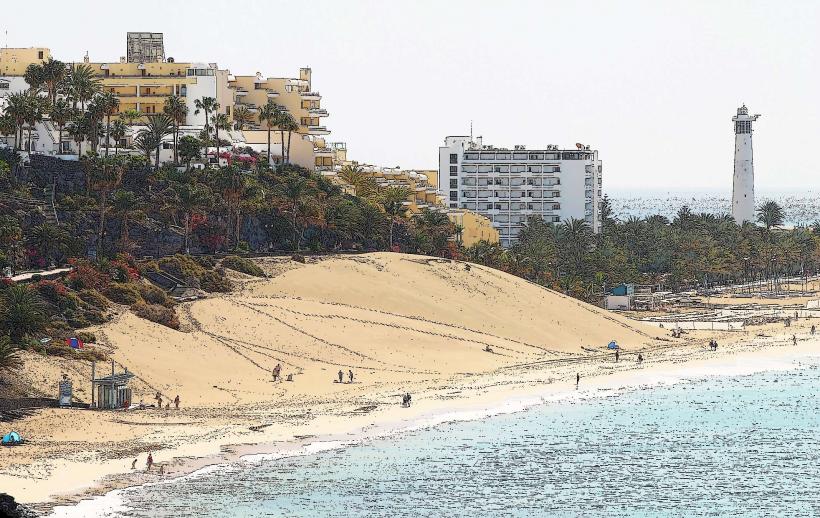
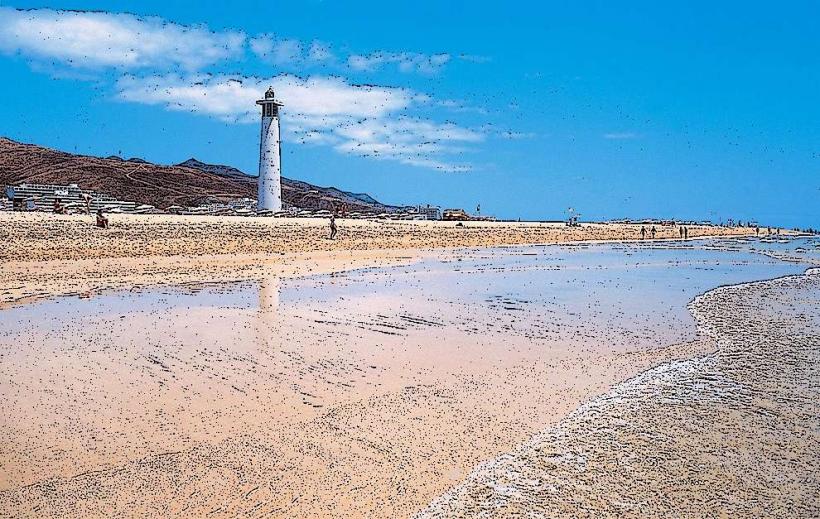
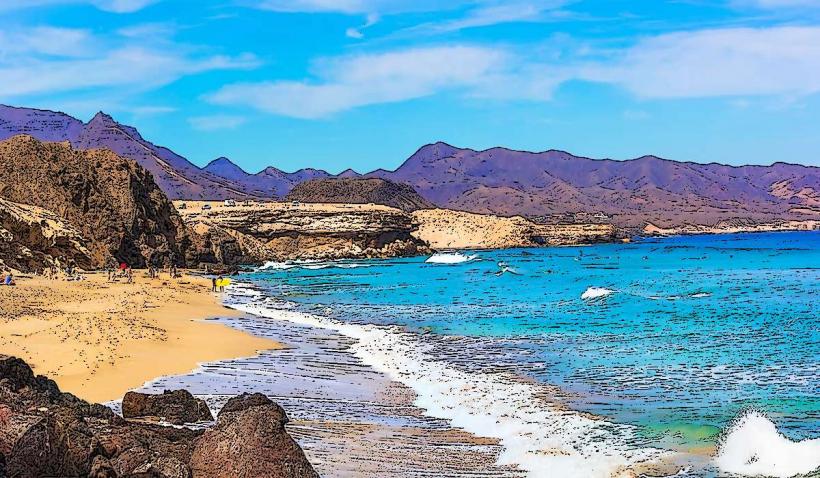
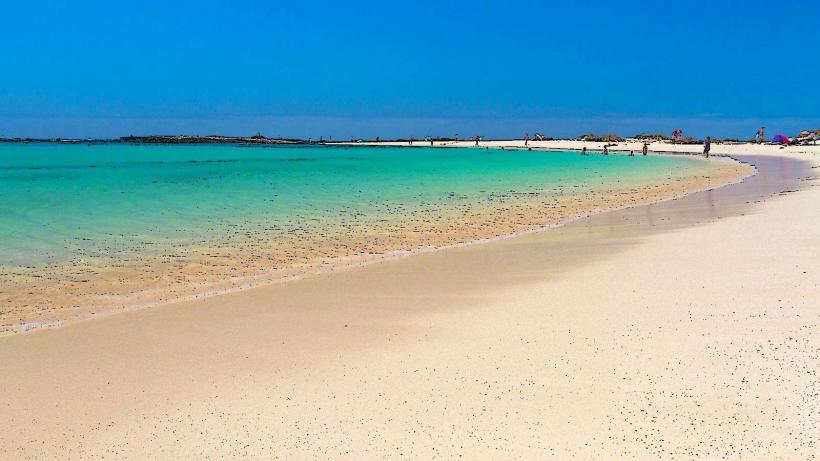
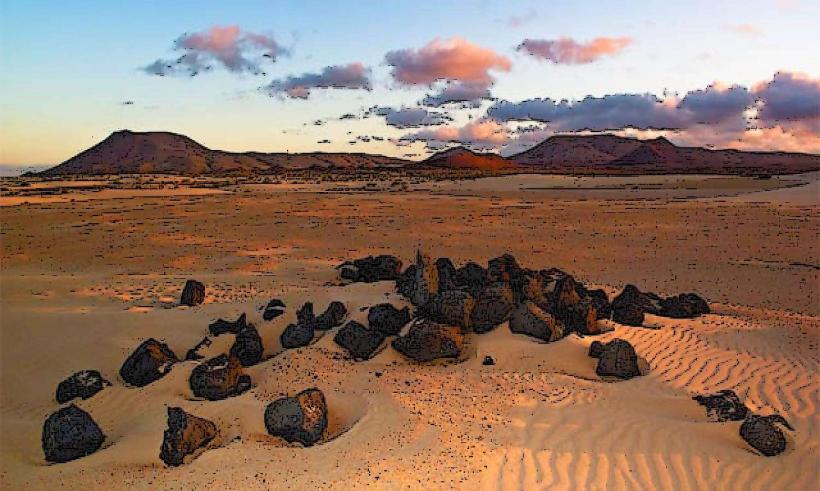
The park's terrain is predominantly arid and mountainous, dominated by the Pico de la Zarza, Fuerteventura's highest point at 807 meters. The landscape features dark volcanic rock formations, extensive sand dunes, and long stretches of golden and black sand beaches. Vegetation is sparse, consisting mainly of xerophytic shrubs, succulents, and endemic plant species adapted to dry conditions. The coastal areas exhibit dramatic cliffs and remote, windswept beaches.
Location & Access Logistics
The park is situated on the Jandía peninsula. Access is primarily via the FV-2 highway, which leads to Morro Jable, located at the park's eastern edge. From Morro Jable, unpaved tracks, such as the one leading to Cofete, penetrate deeper into the park. These tracks are often rough and require a 4x4 vehicle; standard rental cars may void insurance on these roads. Parking is informal and limited along these tracks. Public transport is minimal; a specific bus line (Line 111) operates a few times daily from Morro Jable to Cofete, but its schedule is restricted.
Historical & Ecological Origin
The Parque Natural de Jandía is a geologically ancient area, formed by volcanic activity millions of years ago, followed by extensive erosion. It is classified as a natural park due to its significant ecological value, protecting unique semi-desert and coastal ecosystems. The park is a crucial habitat for numerous endemic plant and animal species, including various bird species, reptiles, and invertebrates adapted to its harsh environment.
Key Highlights & Activities
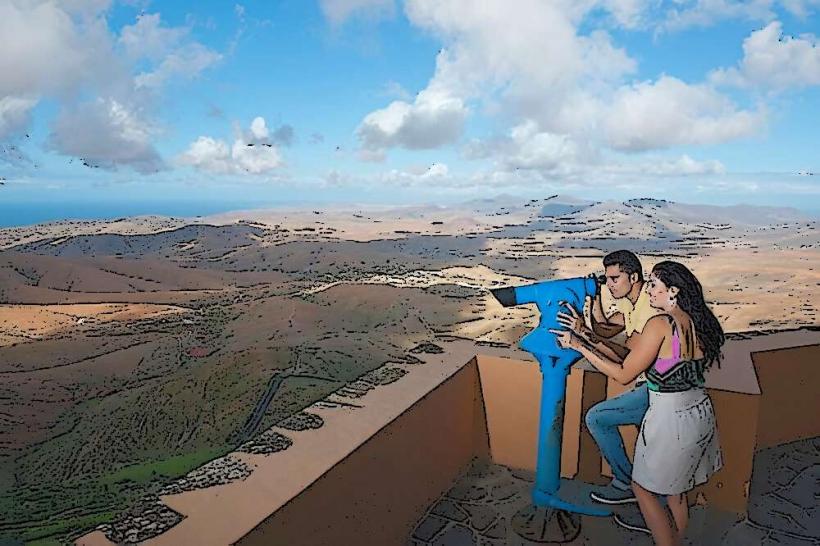
Hiking is a primary activity, with trails leading to Pico de la Zarza offering panoramic views. Exploring the remote beaches of Cofete and Barlovento is popular, though swimming can be dangerous due to strong currents. Birdwatching is possible, particularly for species like the Houbara Bustard and various raptors. Off-road excursions by 4x4 vehicles or guided tours are common for accessing the more remote areas of the peninsula.
Infrastructure & Amenities
Infrastructure within the park is minimal. There are no dedicated restrooms or permanent shade structures outside of the small village of Cofete, which has a few basic eateries. Cell phone signal (4G/5G) can be intermittent or non-existent in many remote areas of the park. Visitors should carry sufficient water, food, and sun protection. Fuel stations are only available in Morro Jable.
Best Time to Visit
The best time to visit is during the cooler months from October to May, when temperatures are more moderate for hiking. Early mornings or late afternoons are ideal for photography, particularly along the coast, to capture the dramatic light and shadows. Visiting remote beaches like Cofete is less affected by tides, but strong ocean currents are a constant consideration.
Facts & Legends
The park is home to the enigmatic Casa Winter, a secluded villa near Cofete Beach. Built by German engineer Gustav Winter in the 1940s, local legends persist about its use as a secret Nazi hideout or submarine base, though verified historical accounts are scarce. The building's isolated location and unusual architecture contribute to its mysterious reputation.
Nearby Landmarks
- Morro Jable: 0.5km East
- Playa de Cofete: 15km Northwest (via unpaved road)
- Faro de Jandía (Jandía Lighthouse): 20km Southwest (via unpaved road)
- Playa de Sotavento de Jandía: 10km Northeast