Information
Landmark: Monumento Natural de AjuyCity: Fuerteventura
Country: Canary Islands
Continent: Europe
Monumento Natural de Ajuy, Fuerteventura, Canary Islands, Europe
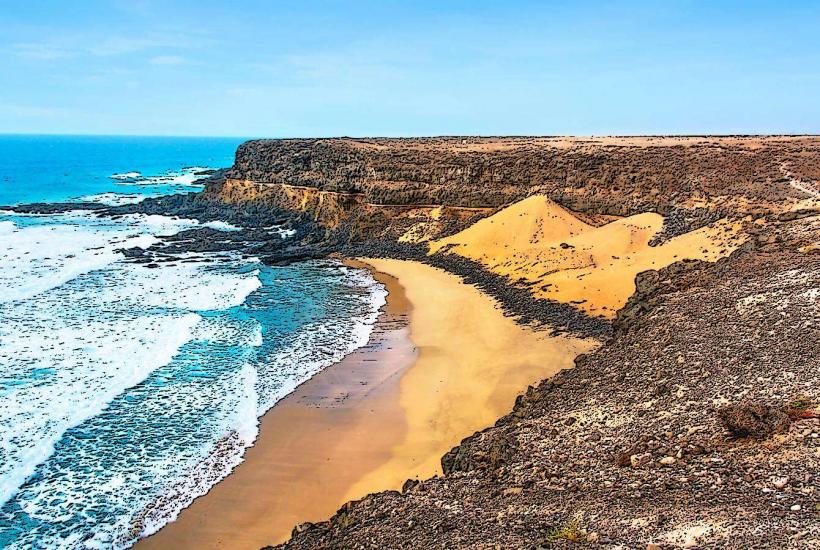
The Monumento Natural de Ajuy is a geological site featuring ancient sea caves and a black sand beach, situated on the west coast of Fuerteventura, Canary Islands.
Visual Characteristics
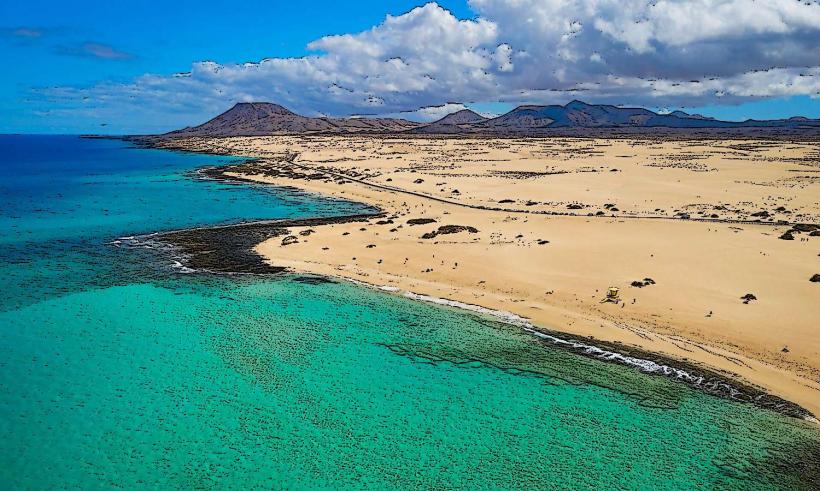
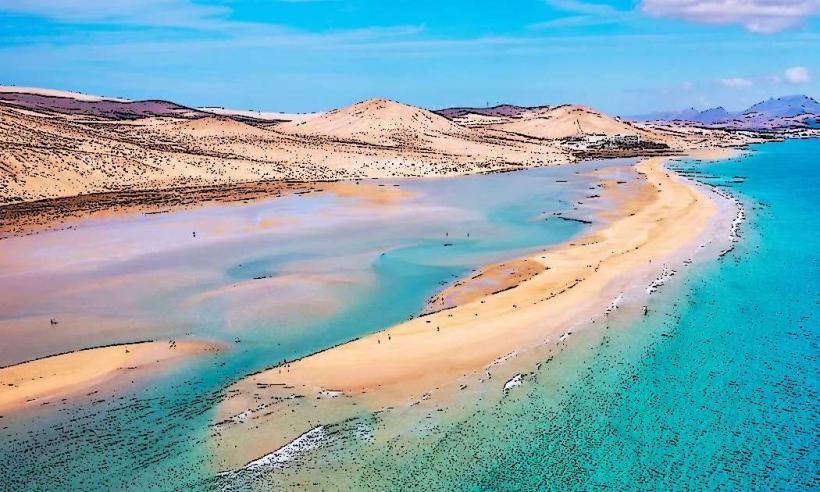
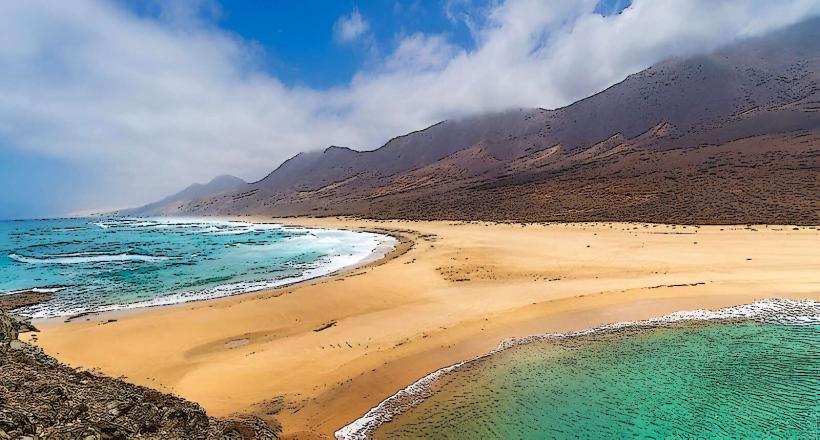
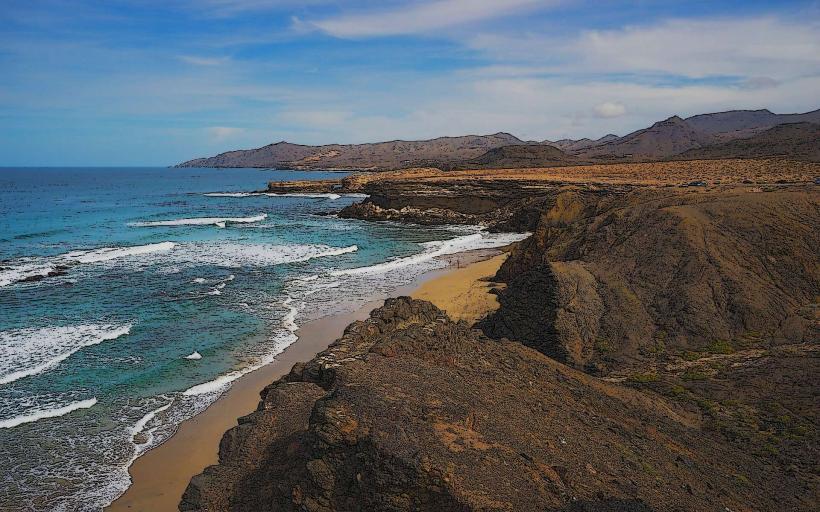
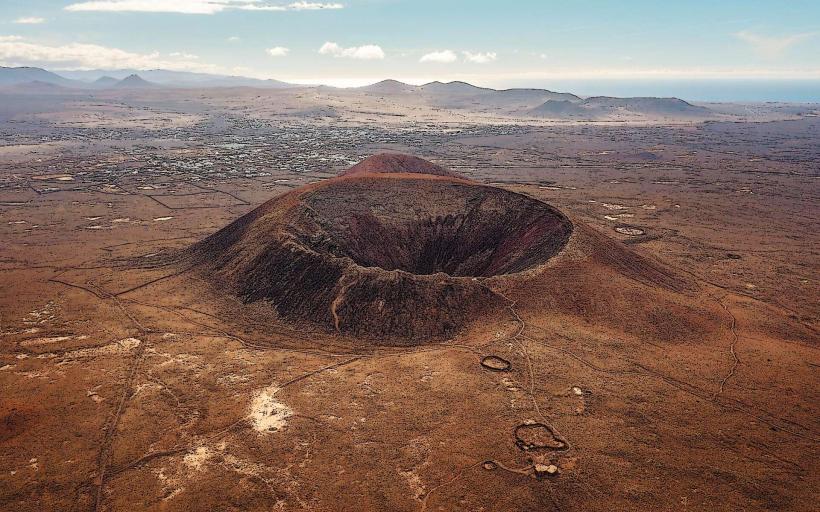
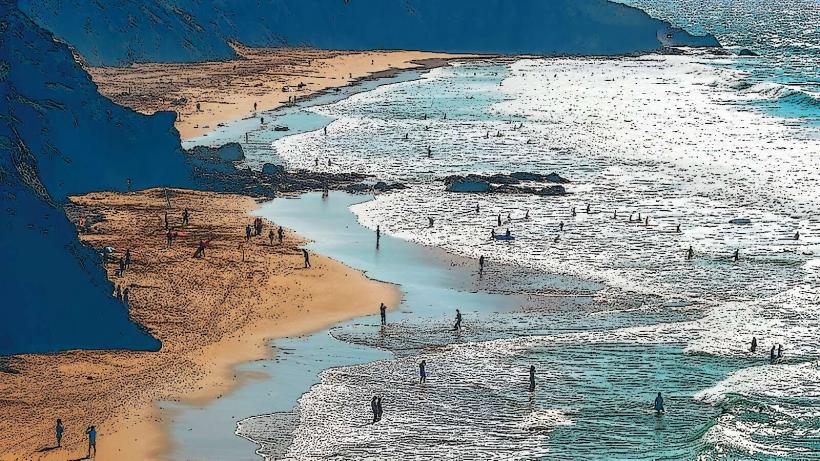
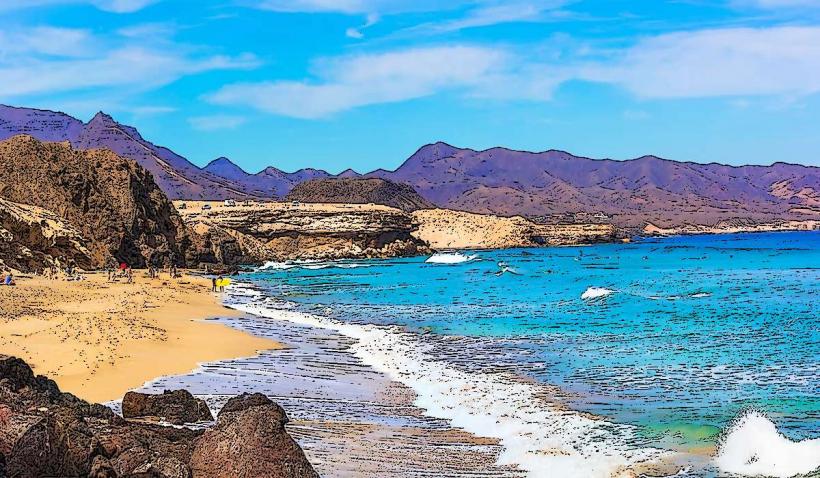
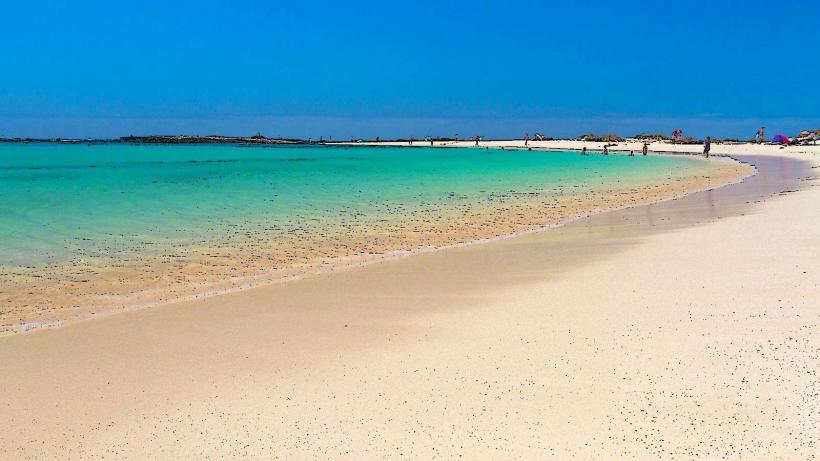
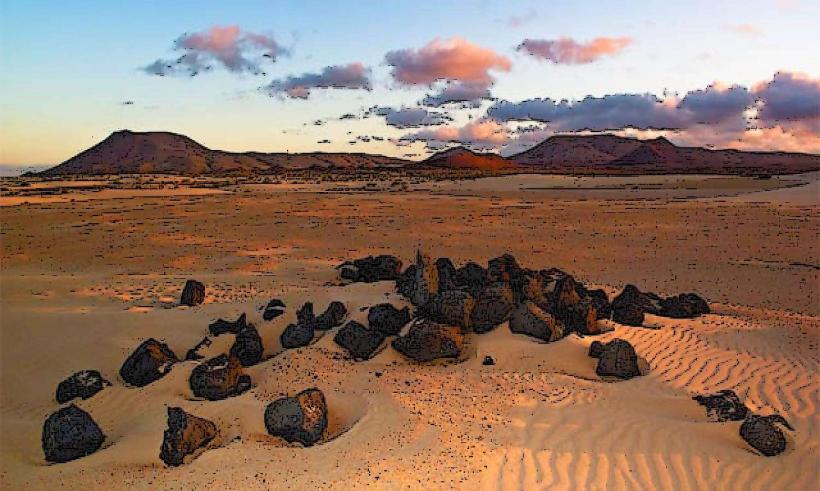
The site is characterized by dark volcanic rock formations and cliffs, contrasting with the black sand of Playa de Ajuy. The cliffs reach heights of approximately 30 meters. The sea caves are carved into the sedimentary rock layers, displaying various shades of grey and brown. The water in the cove is typically a deep blue, often with strong currents.
Location & Access Logistics
The Monumento Natural de Ajuy is located within the village of Ajuy. Access is via the FV-621 road, which branches off the FV-605. It is approximately 9 km west of Pájara and 15 km west of Betancuria. A designated parking area is available at the entrance to the village, near the beach. Public transport options are limited; a local bus service (Line 4) connects Ajuy to Pájara a few times a day, but a rental car is generally recommended for convenience.
Historical & Ecological Origin
The geological formations at Ajuy represent some of the oldest rocks in the Canary Islands, dating back approximately 70 million years. These include ancient ocean floor sediments, fossilized marine organisms, and volcanic materials. The sea caves were formed by marine erosion over millennia, carving into the softer sedimentary layers.
Key Highlights & Activities
Visitors can explore the Ajuy Caves, which are accessible via a paved path from the beach. Walking along the black sand of Playa de Ajuy is a common activity. Observing the geological strata exposed in the cliffs provides insight into the island's formation. Photography of the dramatic coastal landscape is popular.
Infrastructure & Amenities
Restrooms are available in the village of Ajuy, near the beach. Shade is limited to the interior of the caves and a few scattered rock overhangs. Cell phone signal (4G/5G) is generally reliable in the area. Several local restaurants and cafes are located directly in the village, offering food and beverages.
Best Time to Visit
The best time to visit the Ajuy Caves is during low tide, as this allows for easier and safer exploration of the cave interiors. Morning or late afternoon hours offer softer light for photography of the cliffs and ocean. The months from April to October generally provide the most stable weather conditions, though strong winds can occur year-round.
Facts & Legends
The rocks at Ajuy are considered the oldest exposed geological formations in the Canary Islands, providing a unique window into the archipelago's deep past. Historically, the caves were used as a natural harbor and refuge by pirates and smugglers due to their secluded location and strategic position on the west coast.
Nearby Landmarks
- Playa de La Pared: 10 km South-East
- Betancuria Historical Town: 15 km East
- Mirador de Sicasumbre: 18 km South-East
- Pájara Village: 9 km East