Information
Landmark: Salinas del CarmenCity: Fuerteventura
Country: Canary Islands
Continent: Europe
Salinas del Carmen, Fuerteventura, Canary Islands, Europe
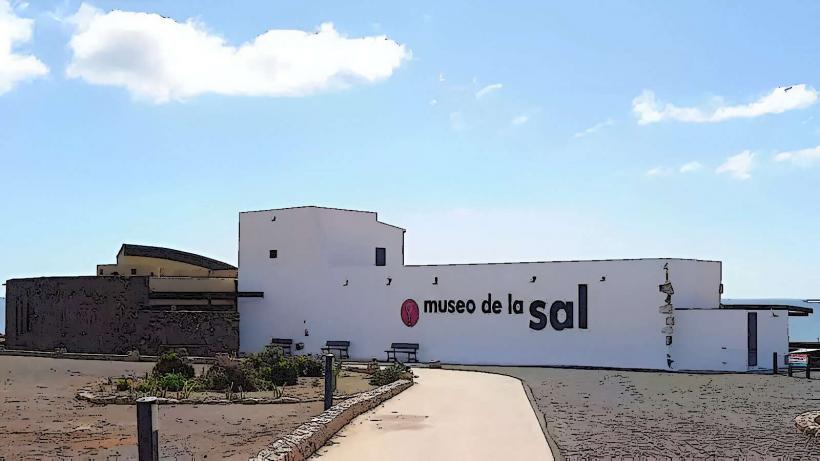
Salinas del Carmen is an active saltworks and museum situated on the east coast of Fuerteventura, Canary Islands. It is the only operational salt production facility remaining on the island.
Visual Characteristics
The site comprises a series of shallow, rectangular evaporation ponds, known as salt pans, arranged in terraces. These pans display varying shades of white, pink, and blue depending on the salt concentration and water levels. Stone walls and low earthen dikes delineate the individual pans. A traditional salt house, constructed from local stone with a tiled roof, serves as the museum and visitor center. Adjacent to the salt pans, a large skeleton of a fin whale is displayed, measuring approximately 19 meters in length.
Location & Access Logistics
Salinas del Carmen is located directly off the FV-2 highway, approximately 3 kilometers south of Caleta de Fuste and 10 kilometers north of Fuerteventura Airport. A dedicated parking area is available directly at the entrance to the facility. Public transport options are limited; a taxi or private vehicle is the most direct method of access. Bus line 3 (Puerto del Rosario - Gran Tarajal) stops near the entrance, requiring a short walk.
Historical & Ecological Origin
The saltworks were established in 1910 by Manuel Rodríguez Quevedo. Their original purpose was the production of sea salt using traditional solar evaporation methods to supply the local fishing industry and preserve food. The facility utilizes a system of channels to bring seawater into the pans, where it evaporates under the sun and wind, leaving behind salt crystals. The whale skeleton on display is from a fin whale (Balaenoptera physalus) that beached on the Fuerteventura coast in 2005.
Key Highlights & Activities
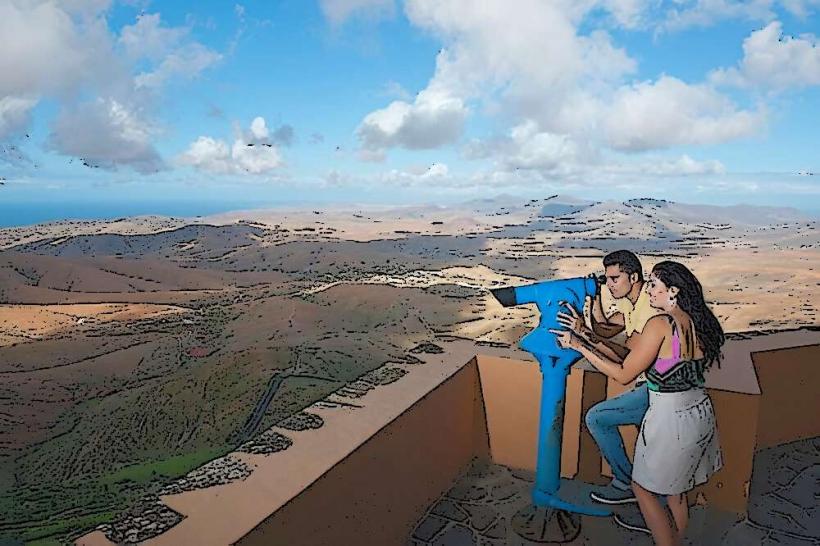
Visitors can observe the traditional salt production process, particularly during the warmer months when evaporation is most active. The on-site museum provides interpretive exhibits detailing the history and methods of salt harvesting. A designated viewing platform offers panoramic views of the salt pans and the Atlantic Ocean. The skeleton of the fin whale is a prominent exhibit. Guided tours are available to explain the operational aspects of the saltworks.
Infrastructure & Amenities
The site includes public restrooms. A small gift shop sells locally produced salt and related items. A cafe is available, offering refreshments and light meals. Limited natural shade is present, primarily around the museum building. Cell phone signal (4G/5G) is generally reliable throughout the area.
Best Time to Visit
The best time to visit for observing active salt production is during the summer months (June to September) when evaporation rates are highest. Early mornings or late afternoons are recommended for photography due to softer light and fewer shadows across the salt pans. The facility is generally open year-round, but the visual impact of the salt pans is most pronounced during periods of active harvesting.
Facts & Legends
The salt produced at Salinas del Carmen is known as "Flor de Sal" (Flower of Salt), a delicate, flaky salt harvested from the surface of the evaporation ponds. This specific type of salt is highly prized for its culinary qualities. The whale skeleton is one of the largest complete whale skeletons exhibited in the Canary Islands, serving as a reminder of the marine biodiversity of the Atlantic.
Nearby Landmarks
- Caleta de Fuste: 3km North
- Fuerteventura Golf Club: 4km North-West
- Museo del Queso Majorero (Majorero Cheese Museum): 15km South-West
- Castillo de San Buenaventura (El Castillo): 3.5km North