Information
Landmark: Parque Natural de CorralejoCity: Fuerteventura
Country: Canary Islands
Continent: Europe
Parque Natural de Corralejo, Fuerteventura, Canary Islands, Europe
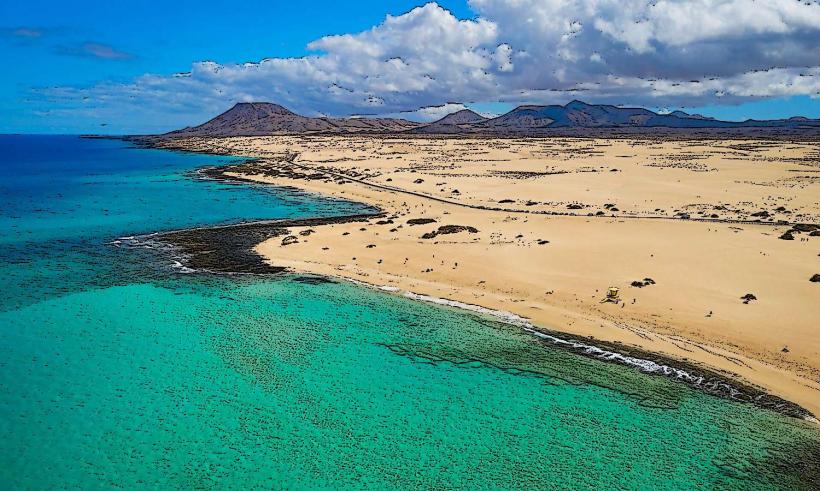
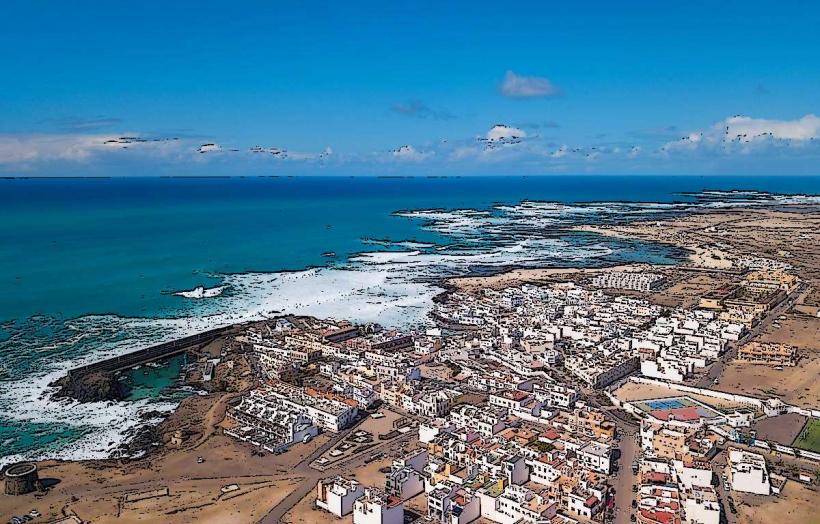
The Parque Natural de Corralejo is a protected natural park encompassing extensive sand dunes and beaches on the northeast coast of Fuerteventura, one of Spain's Canary Islands.
Visual Characteristics
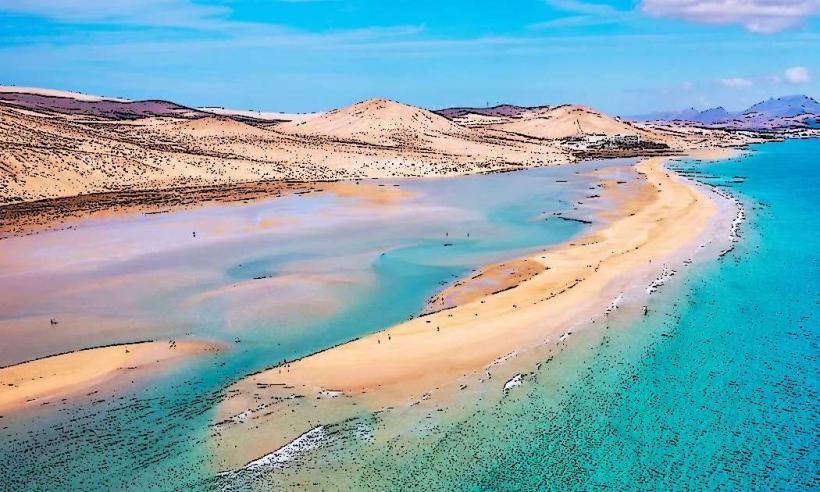
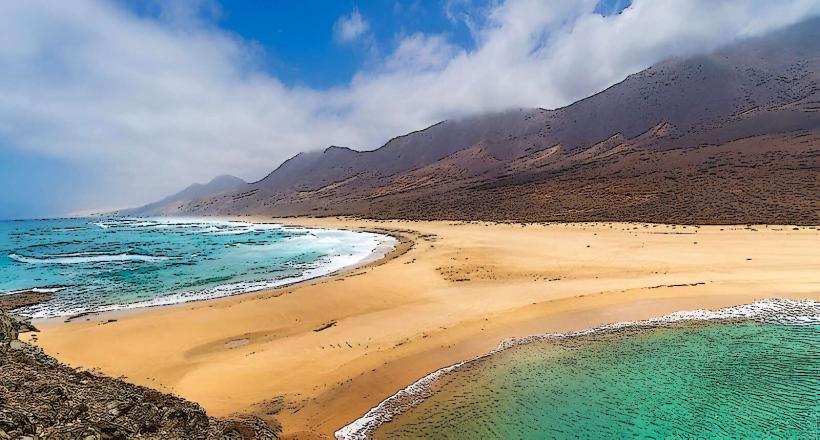
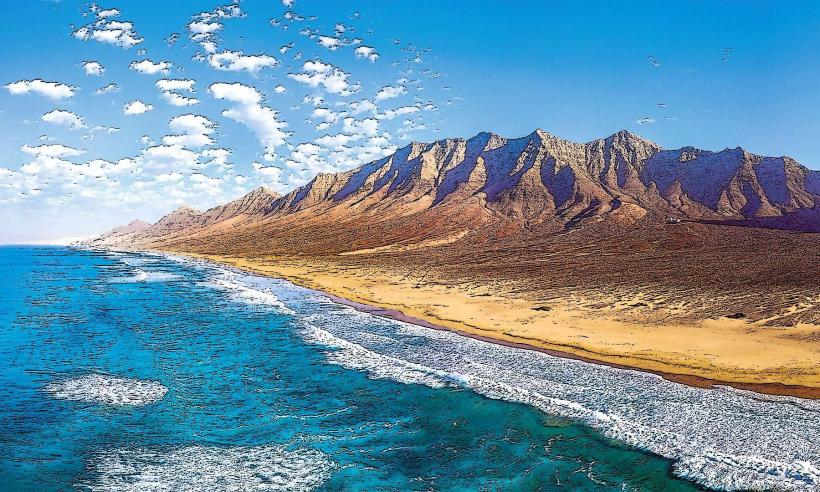
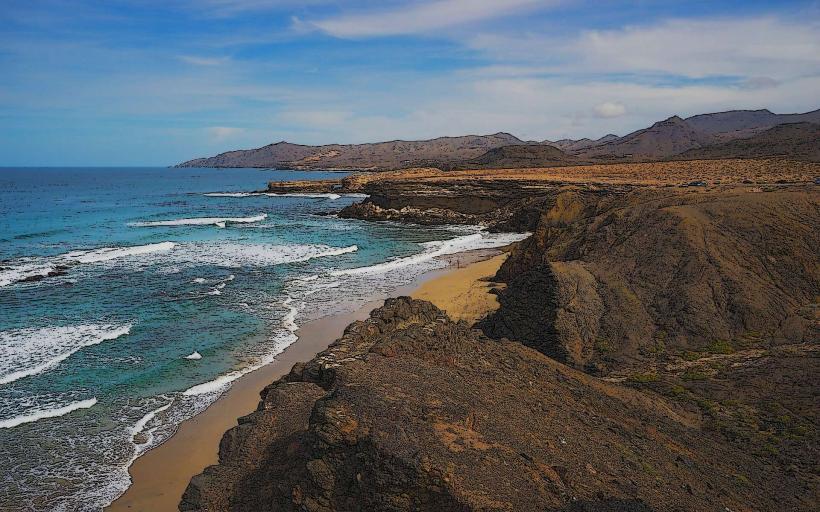
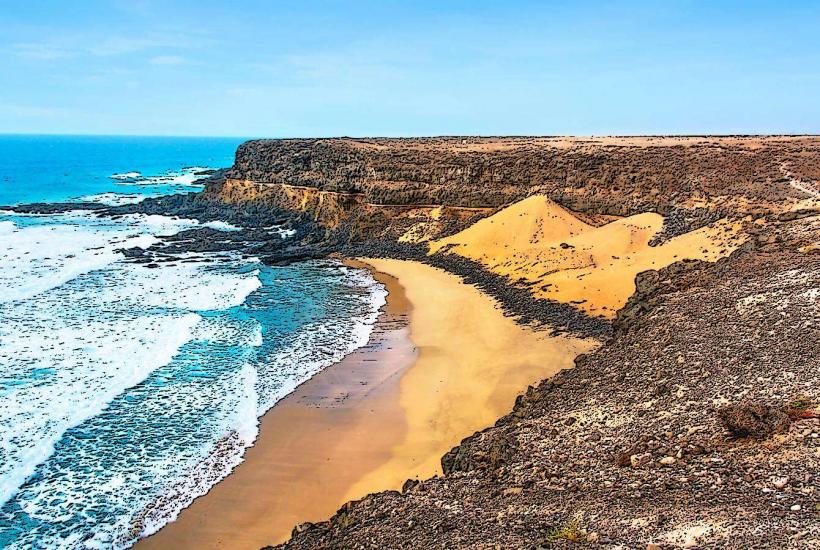
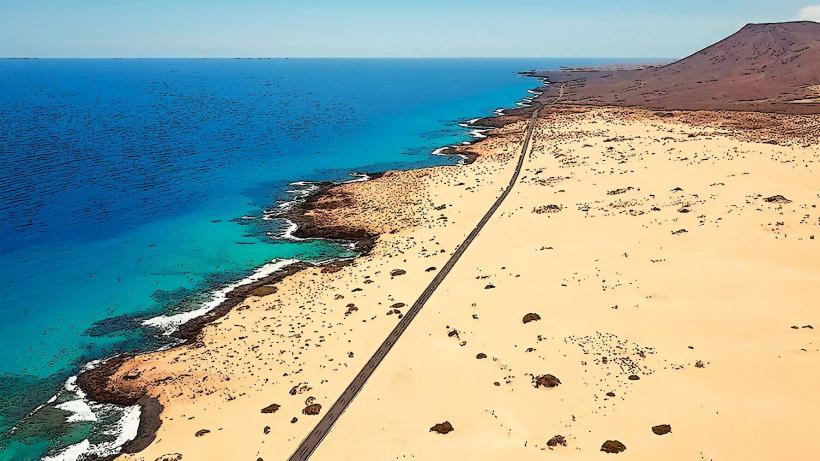
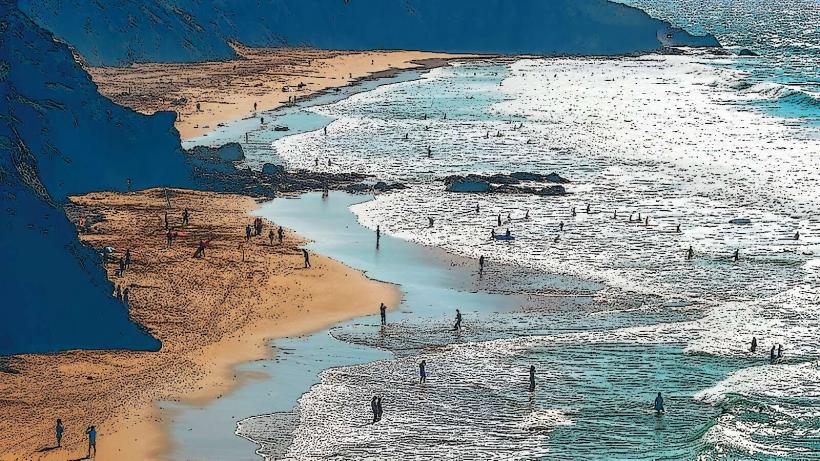
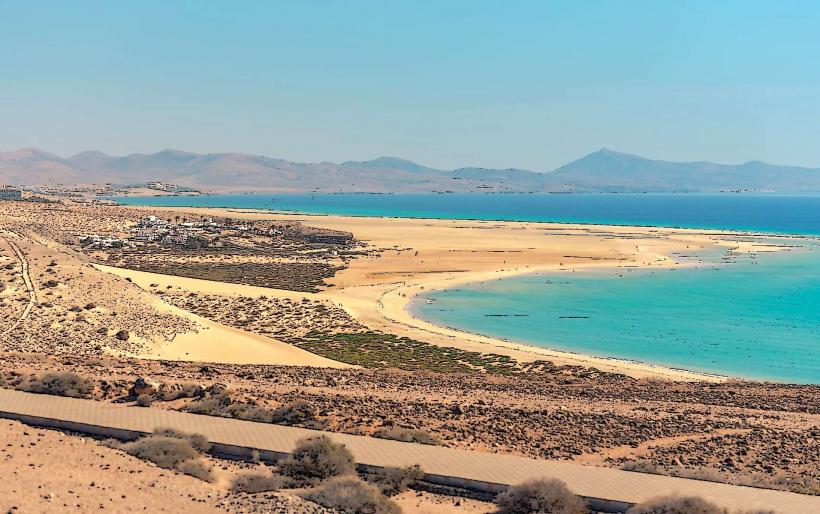
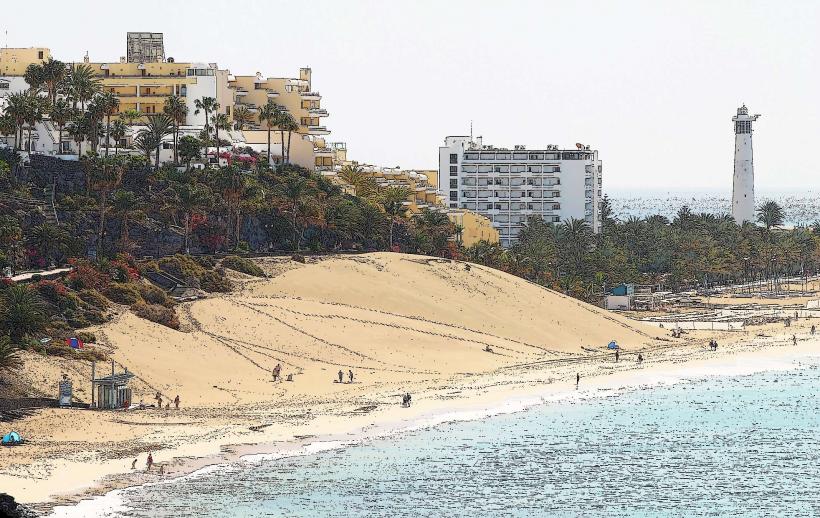
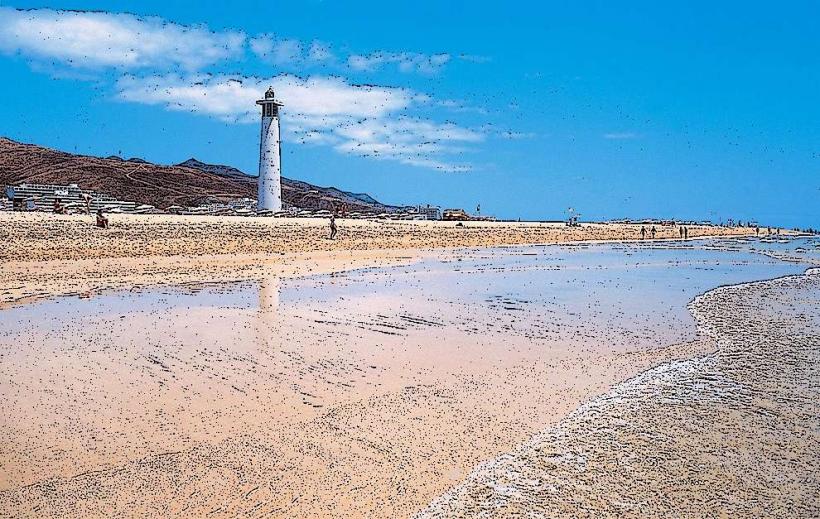
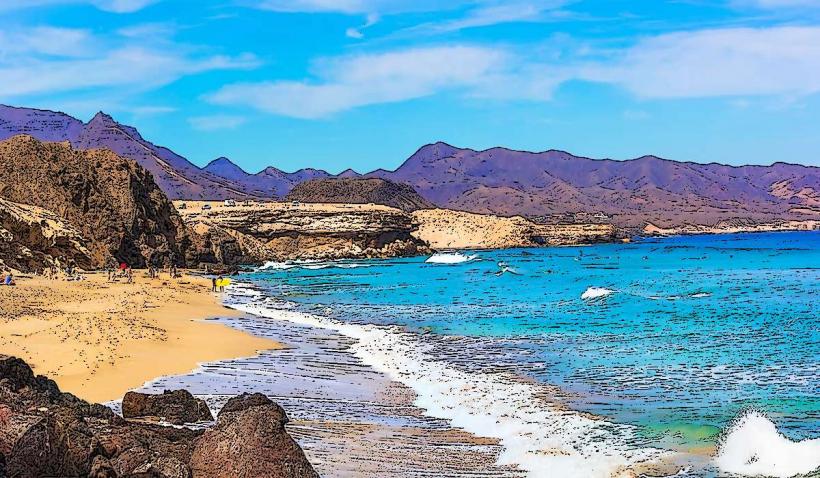
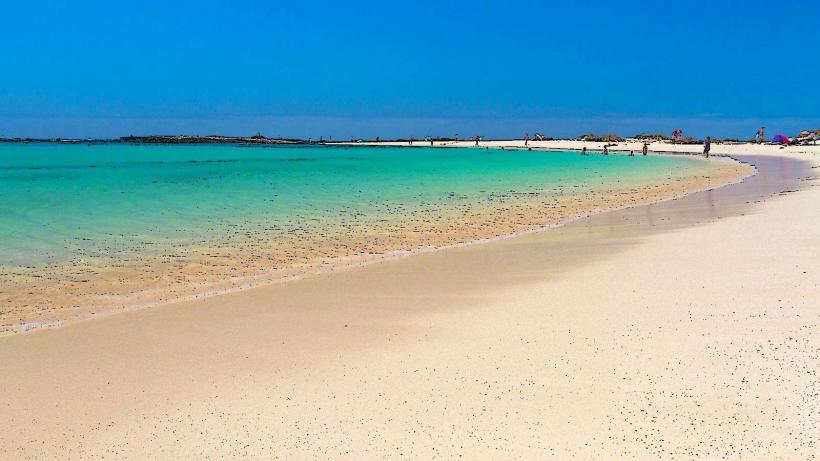
The park is characterized by vast expanses of white sand dunes, some reaching significant heights, contrasting with the dark volcanic rock formations along its coastline. The beaches feature fine, golden sand and clear turquoise waters. Sparse vegetation, primarily adapted to arid conditions, includes species like sea spurge and saltwort, which stabilize parts of the dune system.
Location & Access Logistics
The park is situated immediately south of the town of Corralejo. Access is primarily via the FV-1 coastal road, which traverses the park from north to south. Multiple designated parking areas are available along the FV-1, particularly near the main beaches and surf spots. Local bus lines, such as Line 6, connect Corralejo with destinations further south, with several stops within the park boundaries.
Historical & Ecological Origin
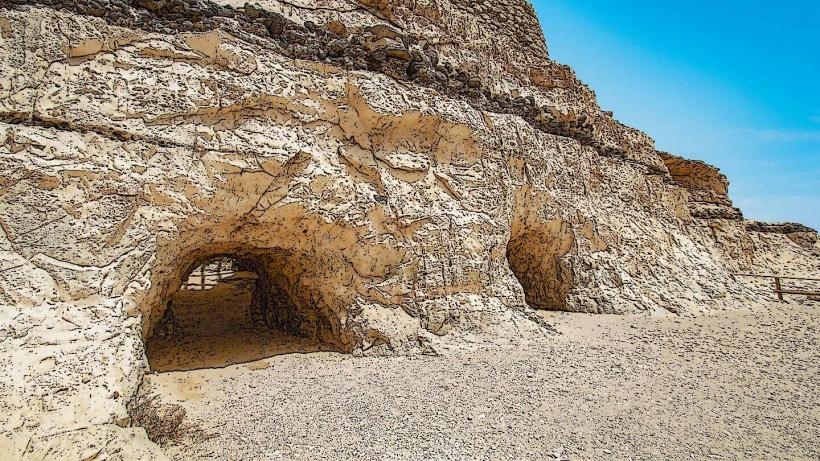
The dunes of Corralejo are aeolian in origin, formed by wind-blown shell fragments and marine sediments transported from the Saharan desert across the Atlantic. The underlying landscape consists of ancient volcanic rock formations, a result of Fuerteventura's geological history.
Key Highlights & Activities
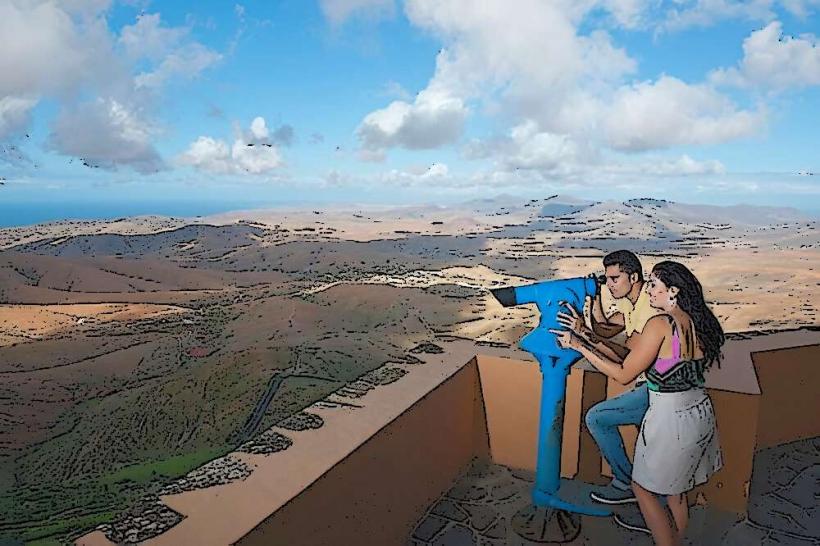
Activities include sunbathing and swimming on the extensive beaches, such as Flag Beach and Grandes Playas. Windsurfing and kitesurfing are popular due to consistent trade winds. Hiking trails are present, offering views of the dune system, the coastline, and the nearby island of Lobos. Photography of the unique desert-like landscape is a common activity.
Infrastructure & Amenities
Limited infrastructure is present within the park. Some beach areas have temporary kiosks offering refreshments and basic services during peak season. Restrooms are generally available near established beach clubs or larger parking areas. Cell phone signal (4G/5G) is generally reliable throughout the park. Natural shade is minimal, primarily found near volcanic rock outcrops.
Best Time to Visit
The best time to visit is during the cooler months from October to May, when temperatures are milder and more comfortable for outdoor activities. Early morning or late afternoon provides optimal light for photography of the dunes, minimizing harsh shadows. The beaches are accessible at all tides, though specific surf conditions may vary.
Facts & Legends
The sand comprising the Corralejo dunes is not entirely volcanic, but largely biogenic, composed of pulverized marine shells and organisms, mixed with desert dust from the Sahara, giving it its distinctive light color.
Nearby Landmarks
- Corralejo Town: 0.5km North
- Isla de Lobos (via ferry from Corralejo port): 2km North-East
- El Cotillo Lighthouse: 15km West
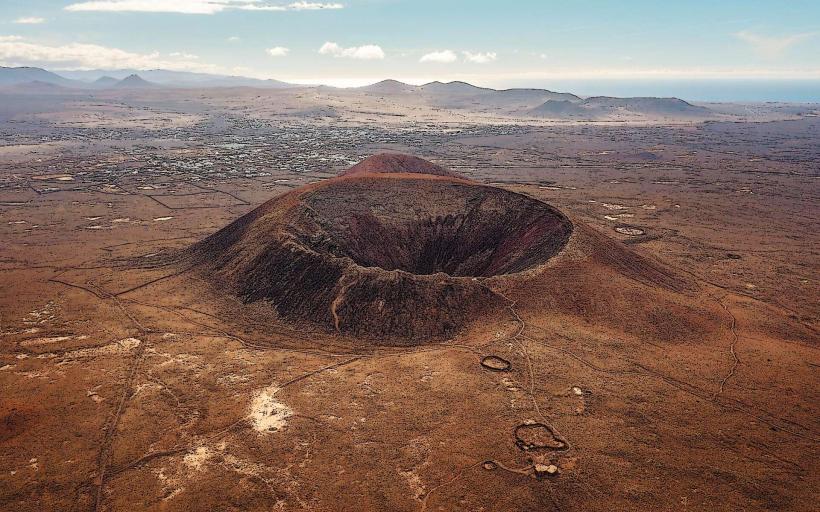
- Montaña Roja Volcano: 5km South-West
- Popcorn Beach (Playa del Bajo de la Burra): 3km North-West