Information
Landmark: LaksevågCity: Bergen
Country: Norway
Continent: Europe
Laksevåg, Bergen, Norway, Europe
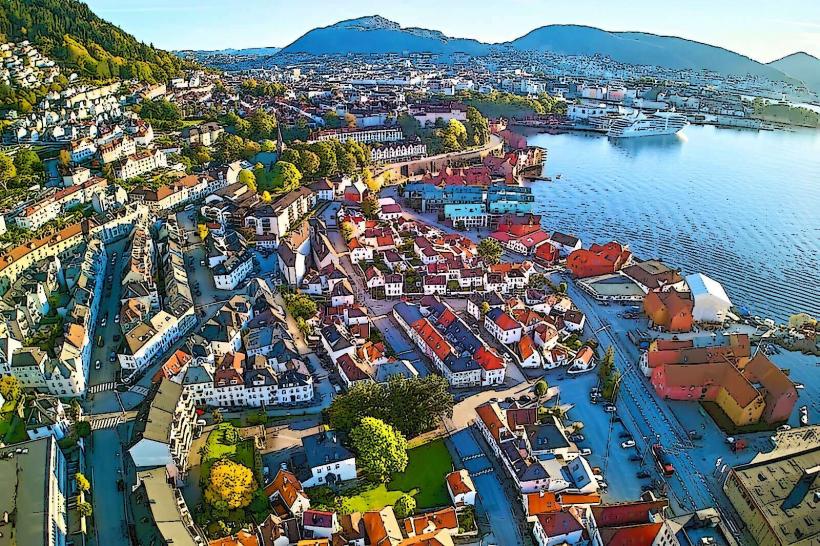
Laksevåg is a borough of Bergen, Norway, situated on the western shore of the Puddefjord. It encompasses a diverse landscape of industrial zones, residential areas, and coastal features.
Visual Characteristics
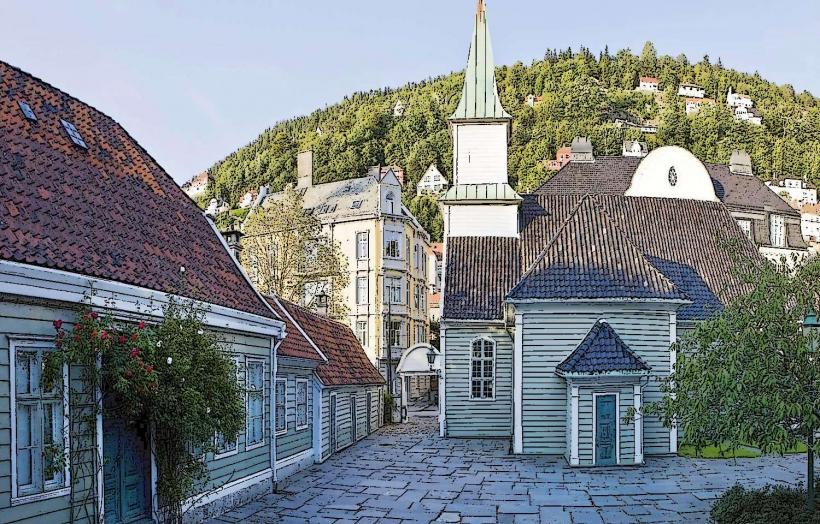
The area features a varied topography with hills rising from the fjord. Architectural styles range from older industrial buildings constructed with brick and concrete to traditional wooden houses and modern multi-story residential blocks. The coastline is defined by docks, active shipyards, and rocky outcrops. Vegetation includes typical Norwegian coastal flora, with scattered trees and green spaces interspersed among developments.
Location & Access Logistics
Laksevåg is located directly west of Bergen city center, approximately 3 to 5 kilometers from Torgallmenningen. Access by road is primarily via Fv582 (Michael Krohns gate and Carl Konows gate), which traverses the borough. Public parking is available in designated lots near commercial areas and street parking in residential zones. Public transport is provided by Skyss bus lines, including routes 16, 17, 20, and 21, which connect various parts of Laksevåg to the city center and other districts.
Historical & Ecological Origin
Laksevåg developed significantly from the late 19th century, driven by its strategic location for shipbuilding and maritime industries. During World War II, it became a crucial site for German naval operations, notably housing the U-boat bunker "Bruno" and a torpedo boat base. Geologically, the area is part of the Bergen Arc System, characterized by metamorphic rocks and glacial deposits typical of the Norwegian west coast.
Key Highlights & Activities
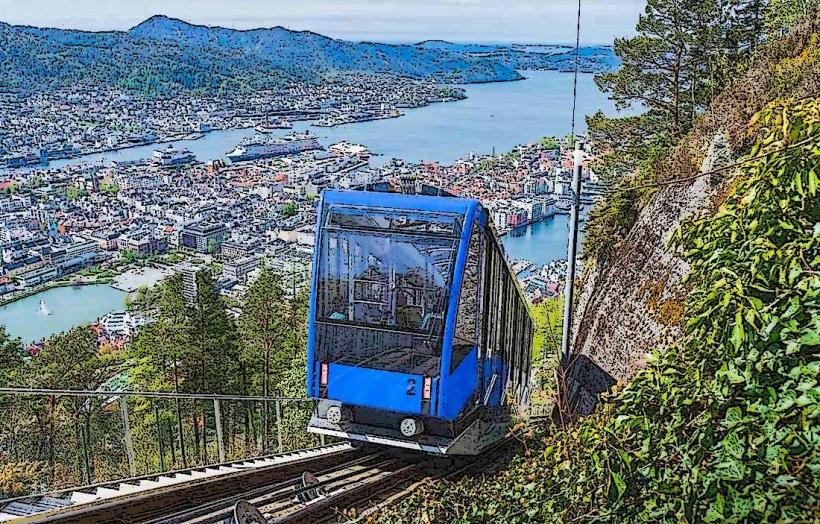
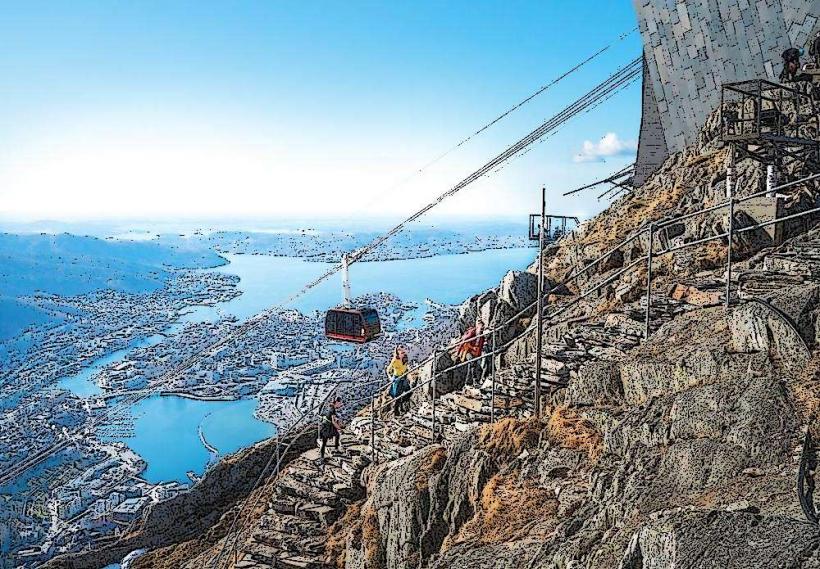
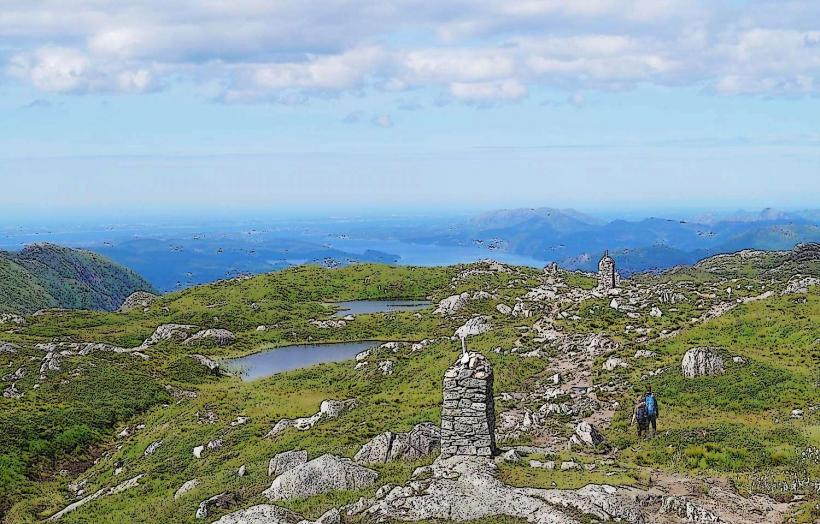
Exploration of the industrial heritage along the waterfront is possible. Remains of the German U-boat bunker "Bruno" can be observed, though direct access may be restricted. Walking paths offer views of the Puddefjord and the city. Hiking opportunities exist in the surrounding hills, providing elevated perspectives of the borough and its maritime activity.
Infrastructure & Amenities
Public restrooms are available in larger commercial establishments and some public facilities. Shade is present in residential areas with tree-lined streets and parks, but less common in open industrial zones. Cell phone signal coverage (4G/5G) is generally robust throughout the borough. Food vendors include local grocery stores, cafes, and a selection of restaurants.
Best Time to Visit
The summer months, from June to August, offer the mildest weather conditions and extended daylight hours, suitable for outdoor exploration. Daytime hours are optimal for observing industrial activity and historical sites. No specific tide requirements impact general visitation.
Facts & Legends
The U-boat bunker "Bruno" in Laksevåg was one of the largest and most heavily fortified German submarine bases in Norway during World War II, enduring multiple Allied bombing raids. A local tip involves seeking out the lesser-known footpaths leading up the hillsides for panoramic views of the fjord and the city of Bergen, often revealing hidden perspectives of the industrial landscape.
Nearby Landmarks
- Damsgård Hovedgård: 1.5km Northeast
- Løvstakken (Mountain): 3km Southeast
- Puddefjord Bridge: 1km East
- Bergen Aquarium: 3.5km Northeast
- Nygårdsparken: 2.5km East