Information
Landmark: Mardi Gras Museum of Costumes and CultureCity: New Orleans
Country: USA Louisiana
Continent: North America
Mardi Gras Museum of Costumes and Culture, New Orleans, USA Louisiana, North America
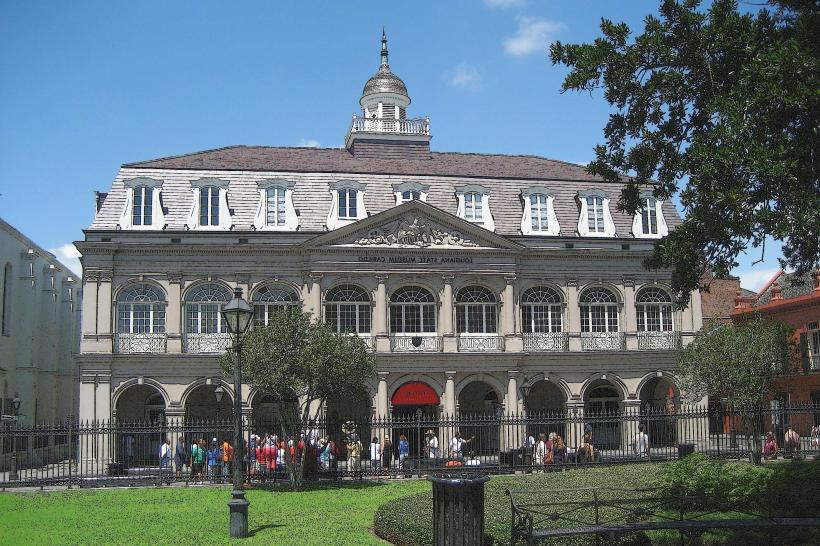
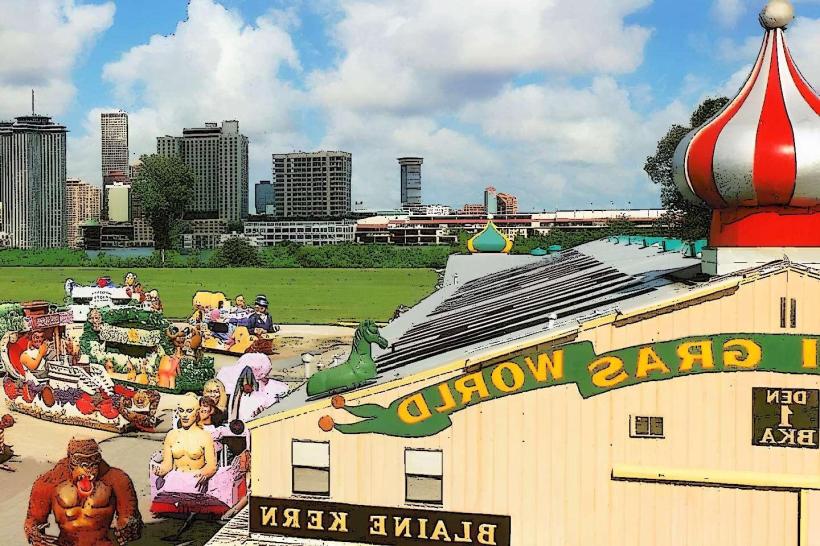
The Mardi Gras Museum of Costumes and Culture in New Orleans is a vibrant and colorful celebration of the city’s Mardi Gras traditions, showcasing the artistry, craftsmanship, and cultural significance behind the iconic costumes, parades, and festivities that define the Mardi Gras season. The museum provides an immersive experience into the history and cultural impact of Mardi Gras, offering visitors a deeper understanding of the unique cultural heritage of New Orleans.
History and Overview
The Mardi Gras Museum of Costumes and Culture was established to preserve and showcase the long-standing traditions of Mardi Gras, one of the world’s most famous and grand celebrations. Mardi Gras in New Orleans is renowned for its elaborate costumes, floats, krewe traditions, and the vibrant street parades that have been a staple of the city’s culture for over a century. The museum’s mission is to highlight the cultural diversity of New Orleans, its creole heritage, and the deep social customs associated with the celebration.
Though the museum has undergone various phases of development, its primary goal is to create a space where visitors can gain insight into the intricate costumes, the roles of Mardi Gras krewes, and the evolution of the Mardi Gras celebration itself.
Key Exhibits and Collections
The museum houses an impressive collection of Mardi Gras costumes, historical artifacts, and cultural displays that cover various aspects of the festival. Some of the standout exhibits include:
1. Mardi Gras Costumes
One of the main highlights of the museum is its collection of handcrafted Mardi Gras costumes, many of which are museum-quality pieces that have been worn by members of New Orleans’ most famous krewes. Visitors can admire the level of detail and craftsmanship involved in the making of these costumes, which often feature elaborate beadwork, feathers, sequins, and fabric patterns that represent the creativity and artistry behind the Mardi Gras celebrations.
The museum’s collection includes costumes worn by members of various krewes such as Zulu, Endymion, and Bacchus, which are some of the most well-known and largest parading groups in the city. Each costume tells its own story, often rooted in historical and mythological themes, and represents the individual creativity of the wearer.
2. The History of Mardi Gras
Another prominent exhibit focuses on the history of Mardi Gras, providing a comprehensive look at the origins of the festival in New Orleans. The exhibit explores how the festival began as a French Catholic tradition in the early 18th century and evolved into the grand, public celebration it is today. The museum explains the impact of European, African, and Caribbean traditions on the development of Mardi Gras, making it a truly multicultural celebration.
In addition to the history of the parades, the exhibit also covers the evolution of Mardi Gras' social customs, such as throws (beads, trinkets, and other small gifts tossed from floats), the coronation of kings and queens, and the central role that New Orleans' African American community has played in shaping the festival, including the founding of the Zulu Social Aid & Pleasure Club.
3. Mardi Gras Krewes and Social Clubs
The museum also delves into the history of krewes, the social clubs responsible for organizing the Mardi Gras parades. Each krewe has its own rich tradition, with many krewes going back over a century. Exhibits highlight their origins, rituals, masquerades, and how they have contributed to the spectacle of Mardi Gras. Zulu, Bacchus, Endymion, Orpheus, and other large krewes are featured prominently, with displays of historical photos, invitations, and memorabilia.
The krewes are integral to New Orleans' social fabric, and the museum showcases the influence of Mardi Gras royalty, the kings, queens, and flambeaux carriers who are celebrated in grand parades, often wearing intricate costumes and holding scepters or crowns as symbols of authority.
4. Mardi Gras Masks and Accessories
Masks play a significant role in the Mardi Gras tradition, serving as symbols of anonymity and freedom during the festival. The museum offers a fascinating exhibit on Mardi Gras masks, including some vintage masks worn during early parades. Visitors can explore the cultural significance of masking in Mardi Gras, which goes back to the festival’s roots, and see a variety of mask styles, from elaborate hand-carved masks to beaded and feathered creations. The masks often reflect themes or characters, including kings, queens, clowns, mythological figures, and animals.
In addition to masks, the museum features a collection of beads, crowns, throws, and other accessories traditionally associated with Mardi Gras, providing visitors a more comprehensive understanding of how Mardi Gras parades and celebrations are structured.
5. Mardi Gras History and Symbolism
The museum also dives into the symbolism of Mardi Gras, explaining the use of colors, icons, and characters that define the festival. For instance, the use of purple, green, and gold - which represent justice, faith, and power - is a prominent theme throughout Mardi Gras. The museum provides context to how these symbols are used during celebrations and the cultural messages they represent.
Visitor Experience
The Mardi Gras Museum of Costumes and Culture offers an interactive and immersive experience that brings the colorful world of Mardi Gras to life for visitors of all ages. Visitors can:
Explore the exhibits at their own pace, diving into the intricate details of Mardi Gras costumes, the history of the festival, and the role of krewes and social clubs.
Learn about the significance of Mardi Gras through guided tours or educational programs that delve into the festival’s rich cultural history.
Participate in workshops or attend special events held by the museum that offer hands-on activities such as mask-making or learning the art of creating Mardi Gras costumes.
Attend Mardi Gras-themed events, especially in the lead-up to the Mardi Gras season, where the museum hosts special programs celebrating New Orleans' carnival culture.
Cultural Impact and Preservation
The Mardi Gras Museum of Costumes and Culture is also committed to preserving and celebrating the evolving cultural significance of Mardi Gras. The museum plays a key role in ensuring that the artistry, history, and cultural importance of the festival are passed down through generations. By showcasing the handcrafted costumes and parade memorabilia, the museum also highlights the work of local artisans who contribute to the vibrant visual culture of Mardi Gras.
Conclusion
The Mardi Gras Museum of Costumes and Culture is a must-visit for anyone interested in understanding the heart and soul of New Orleans’ most iconic celebration. Through its elaborate costumes, historical artifacts, and cultural exhibits, the museum paints a vivid picture of the tradition, artistry, and significance of Mardi Gras. It provides an in-depth, interactive, and fun experience for visitors looking to explore the origins and evolution of Mardi Gras, while also celebrating the spirit of New Orleans in all its colorful glory.