Information
Landmark: Monumento al CampesinoCity: Lanzarote
Country: Canary Islands
Continent: Europe
Monumento al Campesino, Lanzarote, Canary Islands, Europe
Overview
Monumento al Campesino: A Detailed Guide
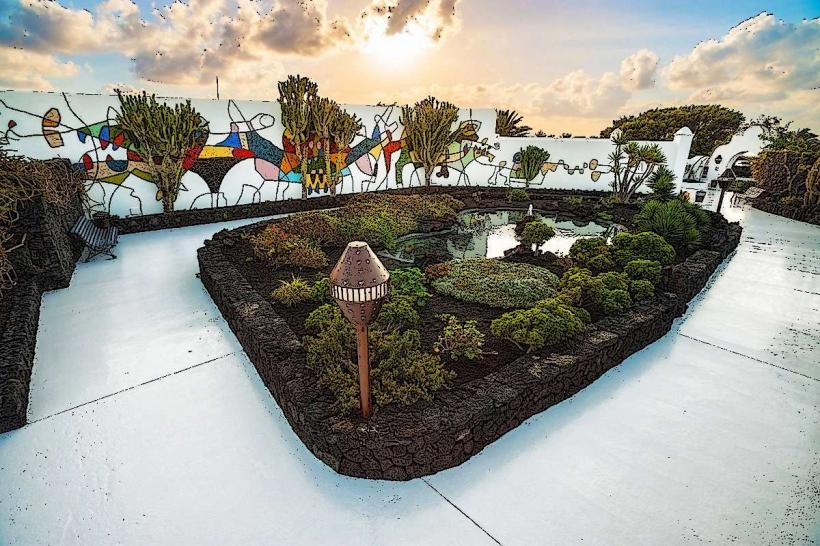
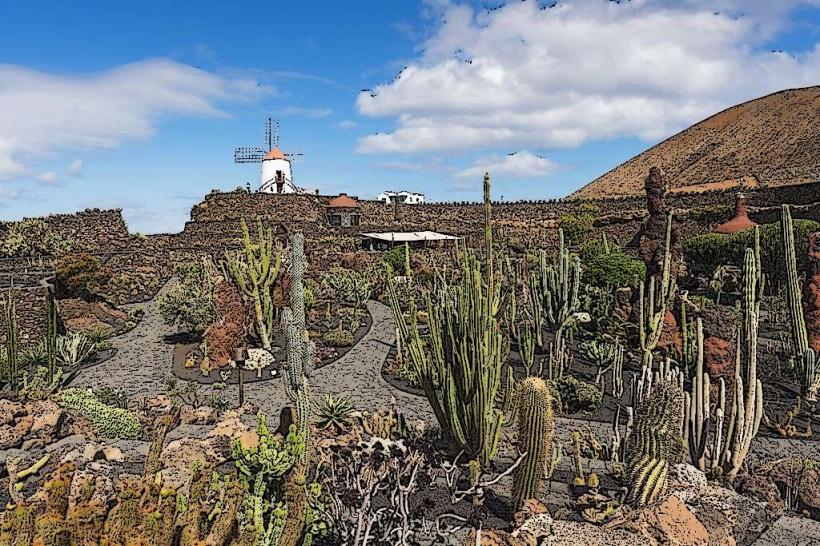
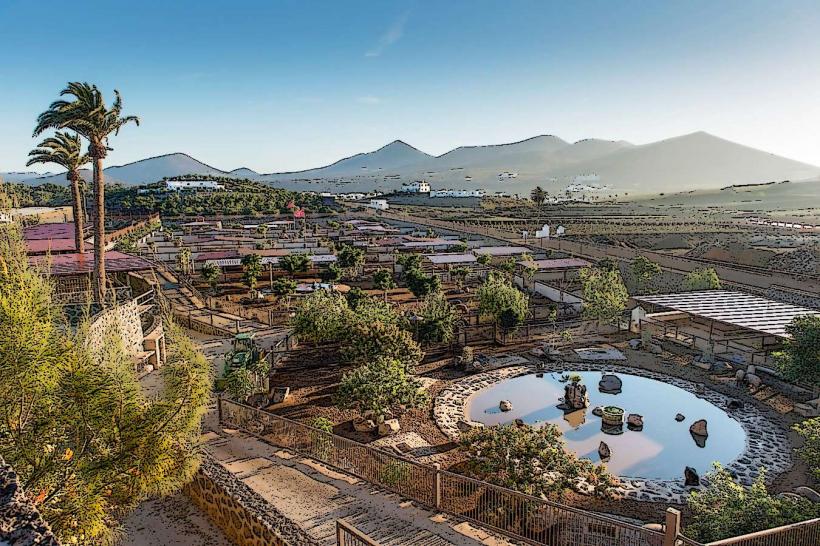
Rising from the heart of Lanzarote near the whitewashed streets of San Bartolomé, the Monumento al Campesino-Monument to the Peasant-stands as one of the island’s most iconic and culturally rich landmarks, alternatively renowned artist César Manrique designed the monument as a heartfelt tribute to the Canarian farmer, capturing the island’s agricultural heritage in its whitewashed stone and bold, clean lines.You know, This monument stands as both a record of Lanzarote’s past and a work of art that catches the island’s spirit-its wind-bent palms, whitewashed walls, and deep rural traditions, then here are the standout features of the Monumento al Campesino, from its vivid white arches to the windmill-shaped tower that catches the sun.In 1968, at the peak of his creative sway over Lanzarote, César Manrique designed the Monumento al Campesino, a work that still catches the sunlight on its whitewashed walls, subsequently the design shows Manrique’s deep commitment to weaving art into the island’s rocky cliffs, its shifting light, and its rich cultural heart, relatively The monument honors the farm workers whose hard, sunbaked days in the fields have shaped and safeguarded Lanzarote’s one-of-a-kind landscape, to boot the monument blends clean, simple lines with powerful symbols, creating a piece that catches the eye like sunlight on polished stone.A broad white cone rises from the ground, capped with a classic metal water tank that gleams in the sun, furthermore the monument’s shape echoes the island’s traditional architecture, its sharp, clean lines fitting neatly against Lanzarote’s rugged black volcanic rock.The Windmill: Just a short roam away stands a traditional windmill, its wooden sails creaking softly, a defining feature that deepens the monument’s cultural authenticity, in addition this feature honors the island’s long history of harnessing the wind for farming, a silent nod to Lanzarote’s past, when sails turned slowly above dry fields.Number two, at the same time the Monumento al Campesino stands as a tribute to Lanzarote’s farming roots, honoring the grit and dedication of the island’s peasants who once coaxed crops from its black volcanic soil.Farming has shaped Lanzarote’s story for centuries, and this monument echoes that legacy, from sunbaked fields to the traditions woven into local life, in conjunction with it’s a destination where islanders remember the lives they built here-tending rows of corn under the sun and earning their keep through age-timeworn ways of working the land.During local festivals, the monument comes alive with the sound of Canarian guitars, the swirl of dancers’ skirts, and a crowd gathered for music, dance, and other celebrations, to boot these events form part of Lanzarote’s ongoing celebration of its farming roots, offering a vivid peek at the island’s classical ways-like the creak of wooden carts and the scent of fresh bread from village ovens.Number three, at the same time the Monumento al Campesino sits in a sweeping stretch of countryside, framed by golden fields and whitewashed farmhouses that capture the heart of Lanzarote’s rural heritage.As it happens, Stroll slowly around the monument, breathing in the quiet air and taking in rolling green hills that stretch across the island’s countryside, to boot right next to the monument, a minute museum tells the story of Lanzarote’s farming past, with weathered tools and faded photographs on display.The museum offers a glimpse into the island’s classical farming ways, from weathered wooden plows to the techniques that kept fields thriving generations ago, as well as it adds an educational layer that deepens the monument’s visual impact, like noticing the fine cracks in its weathered stone.Just a short hike away, you’ll find a cozy café where visitors can unwind over traditional Canarian dishes, maybe a plate of papas arrugadas, while taking in the warm, lively atmosphere of this one‑of‑a‑kind cultural spot, alternatively the café offers a warm spot where locals and visitors gather, sipping coffee as they take in the rolling hills of Lanzarote’s countryside, fairly Number four sat there, neat and sharp, like a chalk mark on the board, equally important the Monumento al Campesino stands at the heart of Lanzarote’s cultural identity, keeping alive the island’s age-historic farming methods and customs-like the careful tending of black volcanic fields that catch the morning light.It serves as a reminder of the struggles rural communities on the island have faced, and it honors how their hard work-like hauling crates of mangoes to market at dawn-helped the island grow and thrive, not only that césar Manrique’s Vision: This monument captures Manrique’s dream of weaving art into Lanzarote’s rugged lava fields and rich cultural landscape.He designed with the goal of blending seamlessly with nature, and the whitewashed curves of the Monumento al Campesino show that vision in full, in addition you can visit the Monumento al Campesino any day of the week, and you won’t need to pay a cent to step inside.The destination feels calm and quiet, the kind where you might hear only the rustle of palm leaves, making it a perfect stop on any inland tour of Lanzarote, along with getting there’s simple-the monument sits just outside San Bartolomé, a short drive past low stone walls and sunlit fields.You’ll find it right on the main road that links the island’s towns, with plenty of parking-enough for a row of cars in the shade, after that close by, you’ll find charming Canarian villages with whitewashed houses and sweeping volcanic landscapes, giving you the chance to dive deeper into Lanzarote’s cultural and natural heritage.You can wander past quiet green fields and still waters while uncovering the island’s rich history, meanwhile why visit the Monumento al Campesino?, in some ways If you’re drawn to Lanzarote’s cultural history, this landmark-whitewashed and gleaming under the sun-is a must-glimpse, as well as it’s both an artistic nod to the island’s farming past and a proud emblem of the community’s lasting traditions, like the annual harvest feast under the aged banyan tree.César Manrique’s design turns the monument into a singular setting where beauty meets history and the wind carries the scent of volcanic stone, perfectly reflecting Lanzarote’s identity, in turn a visit to the monument immerses you in the island’s spirit, letting you feel its rough stone under your hand while revealing the artistic vision of its most influential figure.
Author: Tourist Landmarks
Date: 2025-09-08