Information
Landmark: Mount AdamsCity: Northern NH
Country: USA New Hampshire
Continent: North America
Mount Adams, Northern NH, USA New Hampshire, North America
Mount Adams is a significant peak located in the northern region of New Hampshire, USA. It is part of the Presidential Range in the White Mountains.
Visual Characteristics
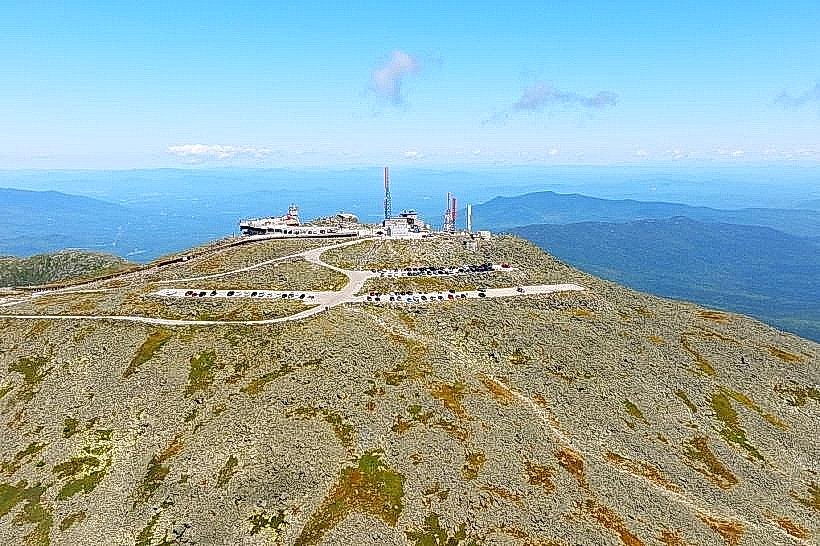
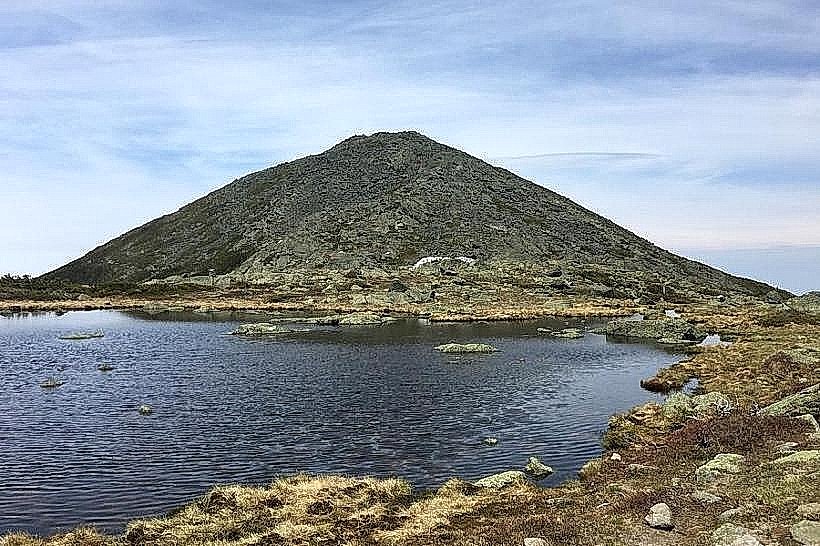
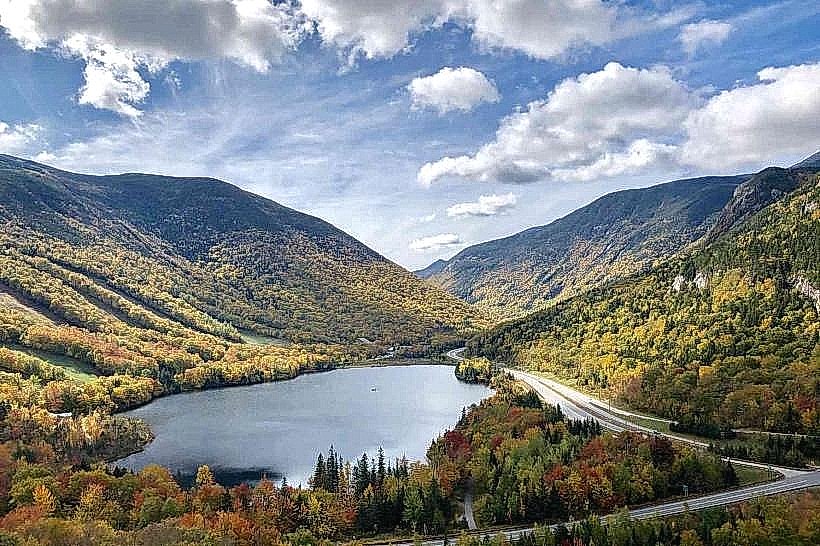
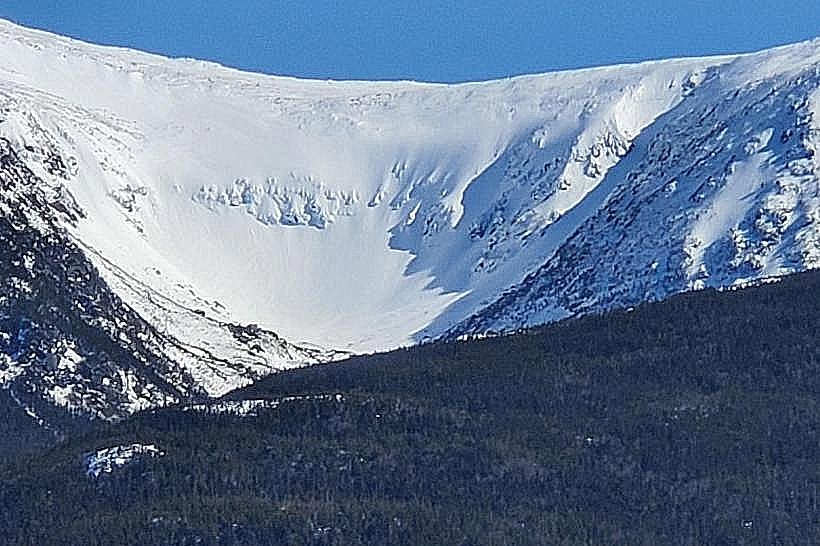
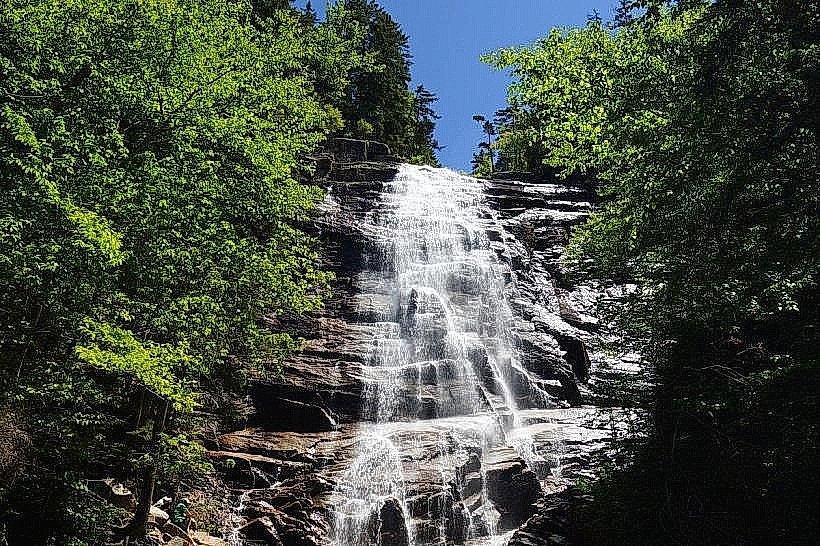
Mount Adams presents a rugged, granite-faced summit. Its slopes are characterized by dense coniferous forests at lower elevations, transitioning to alpine tundra and exposed rock fields above the treeline. The peak reaches an elevation of 5,774 feet (1,760 meters). Its appearance is dominated by steep, rocky ascents and broad, exposed ridges.
Location & Access Logistics
The primary access point for Mount Adams is via the King Ravine Trailhead, located off Bunker Hill Road in Randolph, New Hampshire. This trailhead is approximately 15 miles east of Gorham, NH, and 120 miles north of Manchester, NH. Parking is available at the trailhead, which can accommodate a moderate number of vehicles. Public transport to Randolph is limited; the nearest Amtrak station is in Berlin, NH, requiring a taxi or pre-arranged shuttle to the trailhead. Bus services also terminate in Berlin.
Historical & Ecological Origin
Mount Adams is a glacial-carved peak, formed during the Pleistocene epoch. Its geological composition is primarily granite, part of the Appalachian Mountains' formation. The mountain's ecological zones range from boreal forest to alpine tundra, supporting specialized flora and fauna adapted to harsh conditions.
Key Highlights & Activities
Hiking is the primary activity. The Mount Adams Trail offers a direct ascent. The King Ravine Trail provides a challenging route through a steep, boulder-strewn ravine. The Great Gulf Wilderness area is accessible from the eastern side. Summiting requires significant physical exertion and preparedness for alpine conditions.
Infrastructure & Amenities
Limited infrastructure exists. The King Ravine Trailhead has a small parking area. There are no restrooms or potable water sources at the trailhead or on the mountain. Cell phone signal is unreliable to non-existent above the treeline. Food vendors are not present at the trailhead; provisions must be carried by hikers. Shelters are available at higher elevations but are basic and often occupied.
Best Time to Visit
The optimal period for hiking Mount Adams is from late June through September, when snow has typically receded from the higher trails. Mid-morning offers the best light for photography of the surrounding landscape. Avoid visiting during periods of heavy fog or thunderstorms, which are common in the White Mountains.
Facts & Legends
Mount Adams is the second-highest peak in New Hampshire. A notable historical oddity is the presence of the "Adams Slide," a steep, scree-covered chute on the western side, which is a challenging descent route. Local lore sometimes refers to unpredictable weather patterns as the "Adams Temper."
Nearby Landmarks
- Mount Washington State Park (10km Southwest)
- Great Gulf Wilderness (3km East)
- Appalachian Trail (passes near the base, 2km West)
- Randolph Community Forest (1km South)
- Gorham, NH (15km West)