Information
Landmark: Mount MonadnockCity: Northern NH
Country: USA New Hampshire
Continent: North America
Mount Monadnock, Northern NH, USA New Hampshire, North America
Mount Monadnock is a mountain located in southwestern New Hampshire, USA. It is a prominent geological feature within the Monadnock State Park.
Visual Characteristics
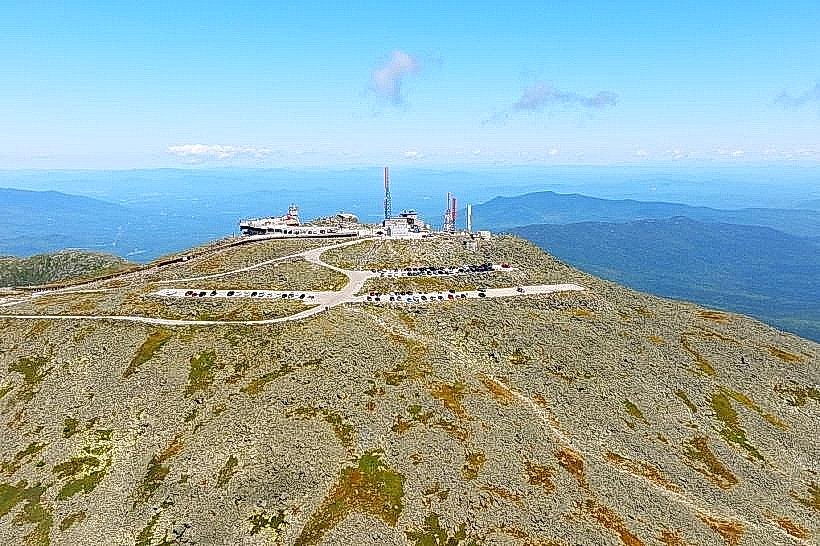
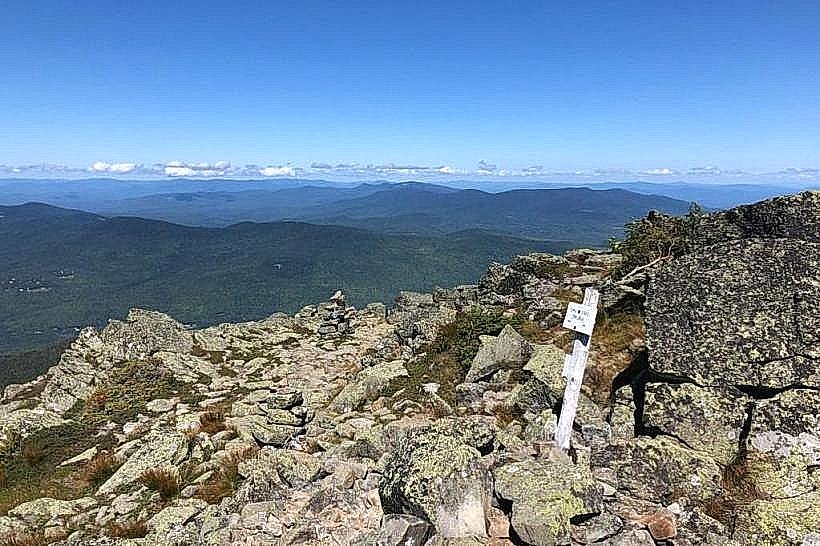
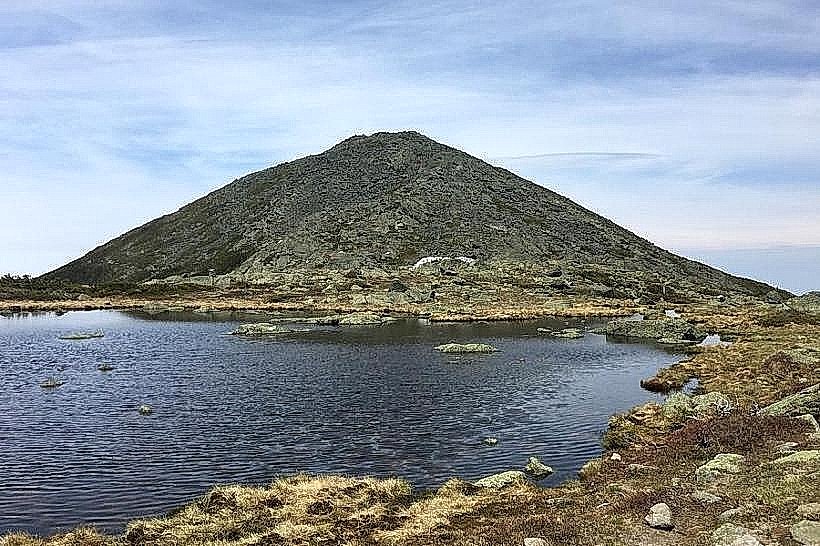
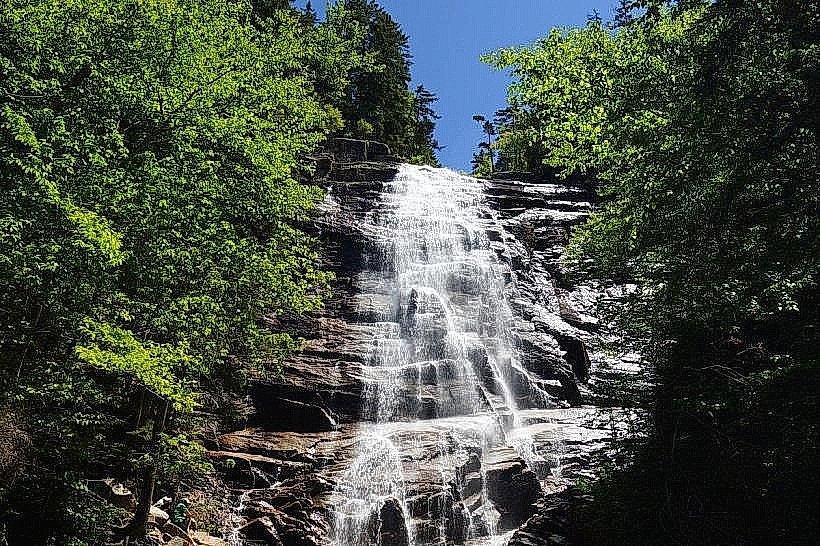
Mount Monadnock is characterized by its exposed granite summit, which rises to an elevation of 3,165 feet (965 meters). The upper slopes are largely devoid of trees, featuring rocky outcrops and sparse alpine vegetation. Lower elevations are covered by mixed hardwood and softwood forests.
Location & Access Logistics
The primary access point is via State Park Road, which branches off Route 12 in Jaffrey, New Hampshire. The park entrance is approximately 7 miles from the town center of Jaffrey. Ample parking is available at the main park headquarters and trailhead. Public transportation to the immediate vicinity of the mountain is limited; visitors typically drive to the park. The closest major airport is Manchester-Boston Regional Airport (MHT), located approximately 50 miles to the east.
Historical & Ecological Origin
Mount Monadnock is an ancient mountain, formed approximately 300 million years ago during the Appalachian orogeny. It is classified as a monadnock, an isolated mountain or rock hill that rises abruptly from a surrounding plain. The mountain has been a significant landmark for indigenous peoples and early European settlers. It was designated as a state park in 1911.
Key Highlights & Activities
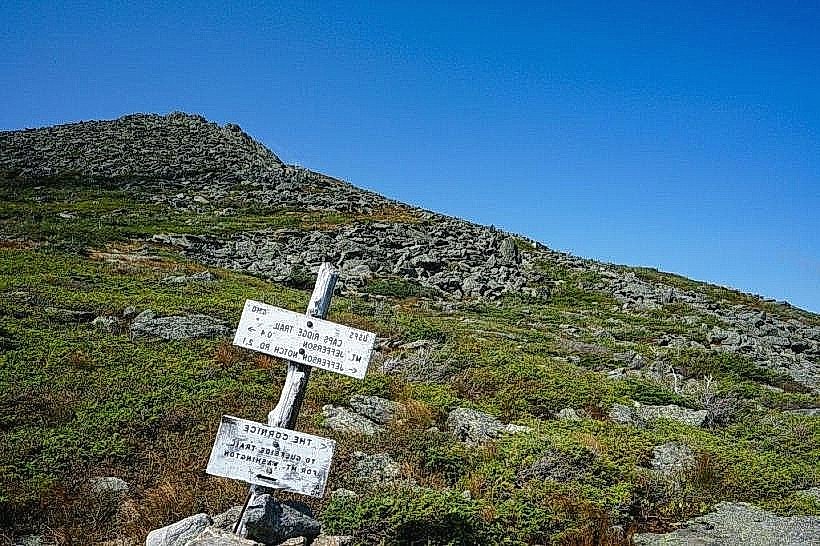
Hiking is the primary activity. The mountain features over 40 miles of marked trails, including the popular strenuous ascent via the White Dot Trail (3.6 miles roundtrip) and the more moderate Old Toll Road Trail (4.4 miles roundtrip). Summit views encompass a radius of approximately 100 miles on clear days. Rock climbing is permitted on designated cliffs.
Infrastructure & Amenities
Restrooms are available at the park headquarters and at designated points along some trails. Limited shade is present on the summit. Cell phone signal is intermittent to non-existent on much of the mountain, particularly at higher elevations. There are no food vendors within the park; visitors should bring their own provisions. A campground is available for overnight stays.
Best Time to Visit
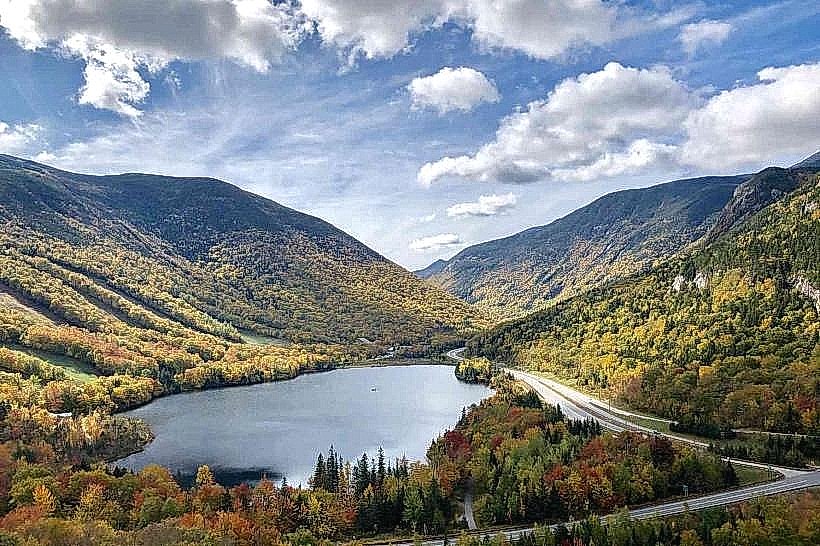
For photography, early morning light provides optimal illumination of the landscape. The best months for hiking are typically from late April through October, avoiding winter conditions. Summer months (June-August) offer warmer weather but can be crowded. Fall foliage in September and October provides distinct visual appeal. High tide is not a relevant factor for this inland mountain.
Facts & Legends
Mount Monadnock is one of the most climbed mountains in the world, with an estimated 100,000 visitors annually. Its distinctive shape and prominence have inspired numerous artists and writers, including Ralph Waldo Emerson and Henry David Thoreau.
Nearby Landmarks
- Monadnock Center for Arts and Culture (2.5km Southwest)
- Cathedral of the Pines (4.0km Southeast)
- Gleason Family Farm (3.0km West)
- Howard Hill (1.5km North)