Information
Landmark: Mount WashingtonCity: Northern NH
Country: USA New Hampshire
Continent: North America
Mount Washington, Northern NH, USA New Hampshire, North America
Mount Washington is a mountain located in the Presidential Range of the White Mountains in northern New Hampshire, USA. It is known for its extreme weather conditions and summit elevation.
Visual Characteristics
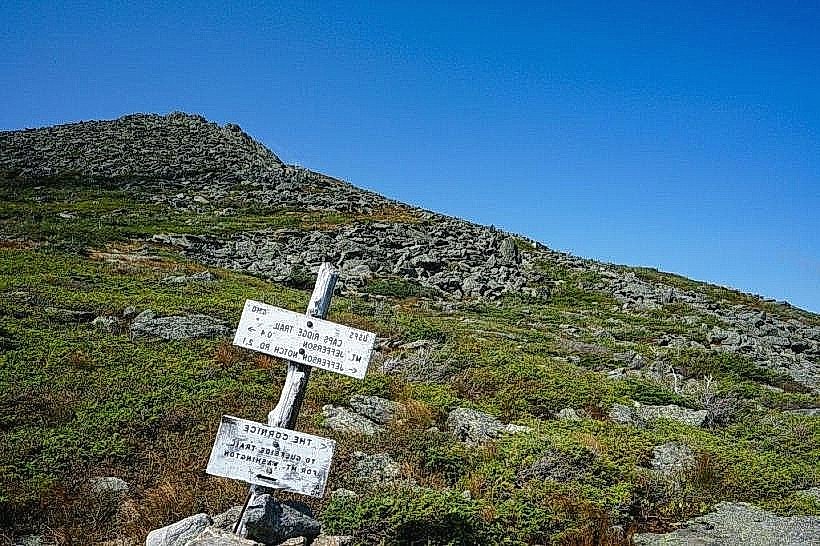
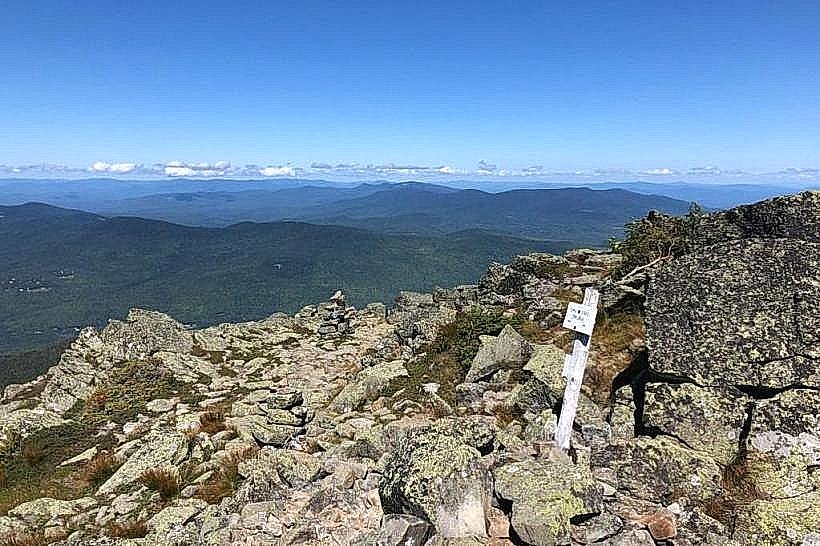
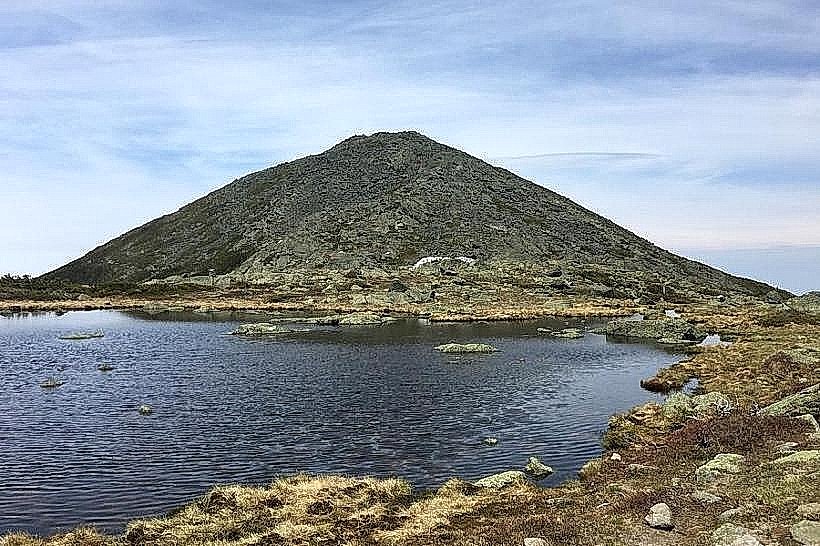
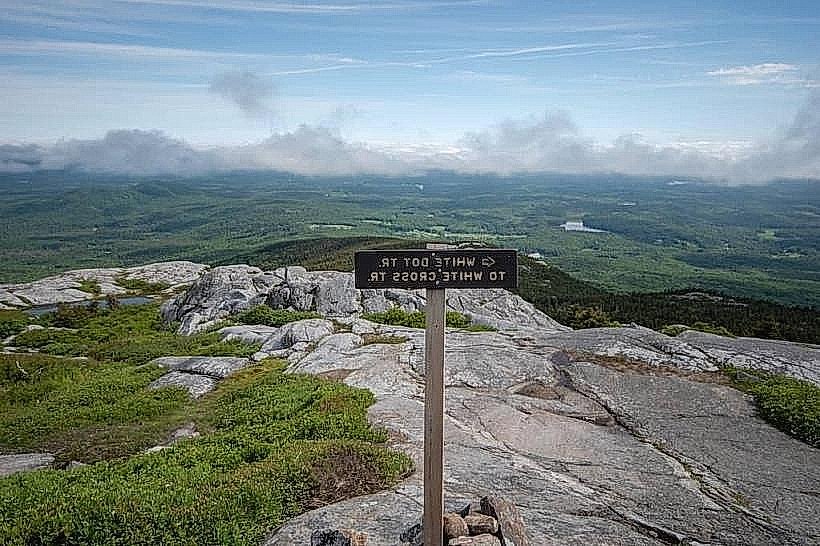
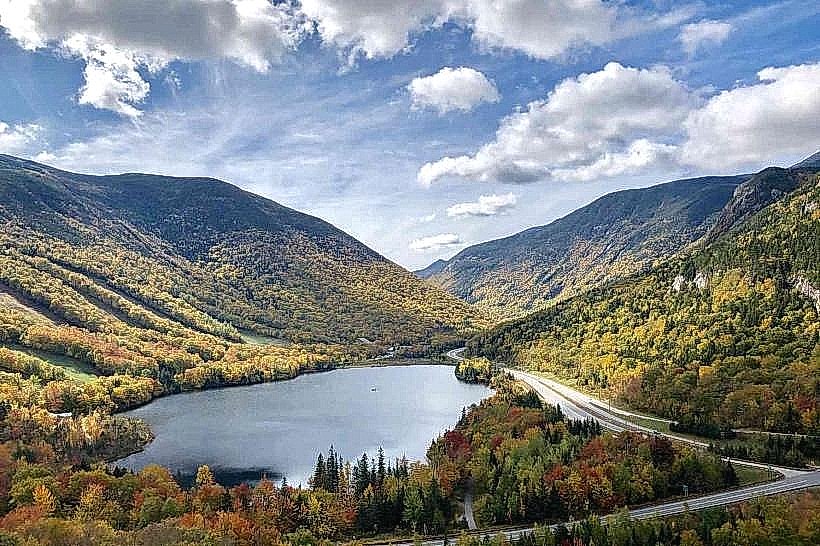
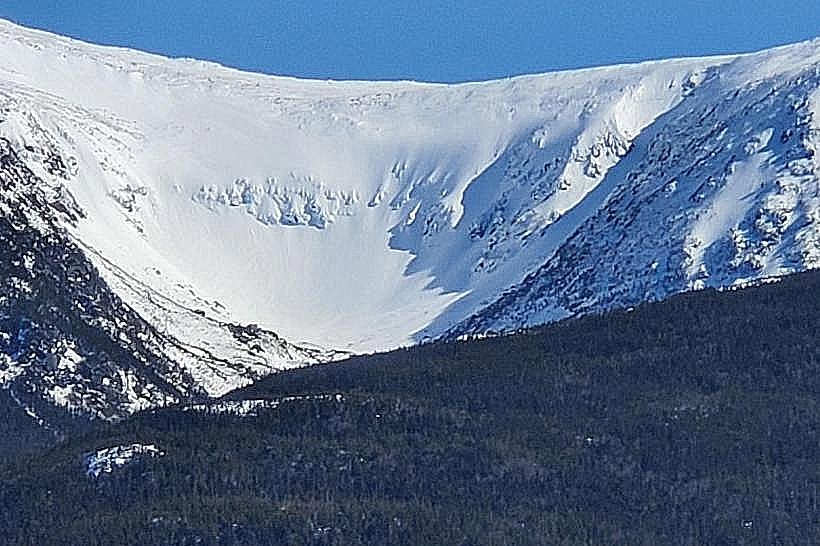
The summit of Mount Washington is characterized by exposed granite bedrock and sparse alpine vegetation. The slopes are covered in dense coniferous forest at lower elevations, transitioning to deciduous trees and then to alpine tundra above the treeline. The summit area itself is rocky and windswept.
Location & Access Logistics
Mount Washington is situated in Coos County, New Hampshire. The summit is accessible via the Mount Washington Auto Road, a paved 7.4-mile (11.9 km) toll road starting from Pinkham Notch. The Auto Road is typically open from late May to mid-October, weather permitting. Alternatively, the Mount Washington Cog Railway, a historic mountain-climbing railway, ascends from Bretton Woods. The nearest major city is Concord, NH, approximately 100 miles (160 km) south. Limited parking is available at the summit, and public transport to the base stations is not directly provided, requiring private vehicle or taxi services.
Historical & Ecological Origin
Mount Washington is a peak within the Presidential Range, formed by geological processes during the Appalachian orogeny. Its current form is a result of glacial erosion. The summit was first officially measured at 6,288.2 feet (1,916.6 m) in 1857. The Mount Washington Observatory was established in 1932 to study the mountain's unique weather phenomena.
Key Highlights & Activities
Visitors can drive or take the Cog Railway to the summit. At the summit, the Sherman Adams Visitor Center provides exhibits and facilities. Hiking trails, including sections of the Appalachian Trail, lead to the summit for experienced hikers. Observing the extreme weather conditions, including high winds, is a primary activity.
Infrastructure & Amenities
The summit features the Sherman Adams Visitor Center, which includes restrooms, a gift shop, and a cafe. Limited food and drink options are available at the summit. Cell phone signal (4G/5G) is generally unreliable at the summit due to elevation and weather. Shade is minimal on the exposed summit.
Best Time to Visit
The best time for clear summit views is typically during late summer and early autumn (August to October), when weather patterns can be more stable. Mid-morning offers good lighting for photography before potential afternoon cloud cover. The Auto Road and Cog Railway operate seasonally, so checking their operating schedules is essential. High winds are a constant factor year-round.
Facts & Legends
Mount Washington holds the record for the highest wind gust ever recorded on the Earth's surface at 231 mph (372 km/h) on April 12, 1934. The summit is often referred to as the "Home of the World's Worst Weather."
Nearby Landmarks
- Pinkham Notch Visitor Center (0.5km South)
- The Mount Washington Cog Railway Base Station (10km West)
- Wildcat Mountain Ski Area (5km East)
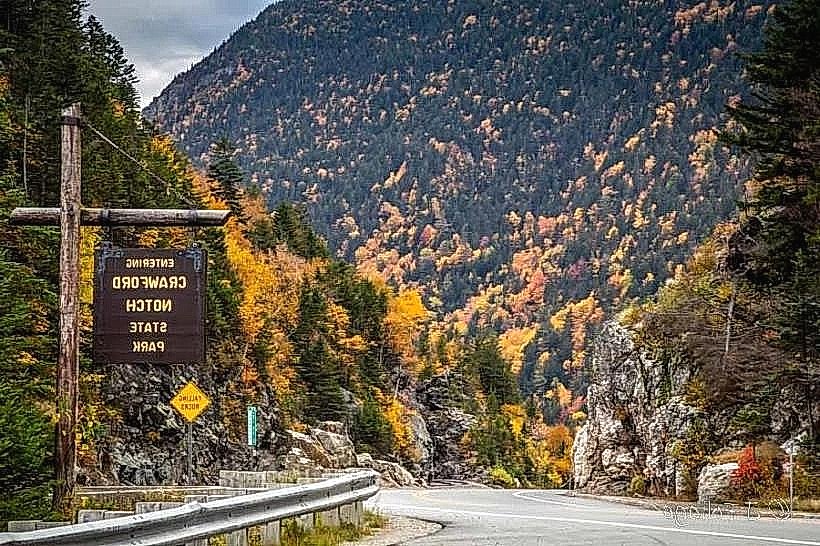
- Crawford Notch State Park (15km Southwest)