Information
Landmark: Mount MadisonCity: Northern NH
Country: USA New Hampshire
Continent: North America
Mount Madison, Northern NH, USA New Hampshire, North America
Mount Madison is a mountain peak located in the northern region of New Hampshire, USA. It is part of the Presidential Range in the White Mountains.
Visual Characteristics
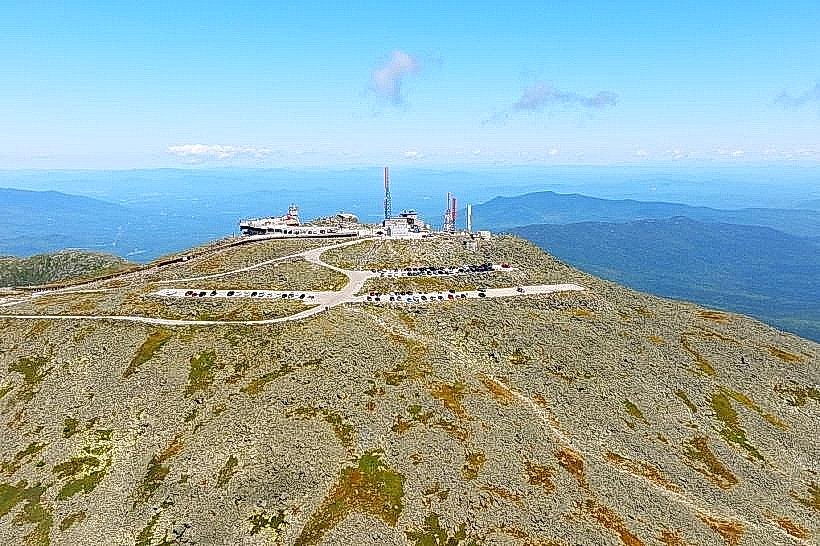
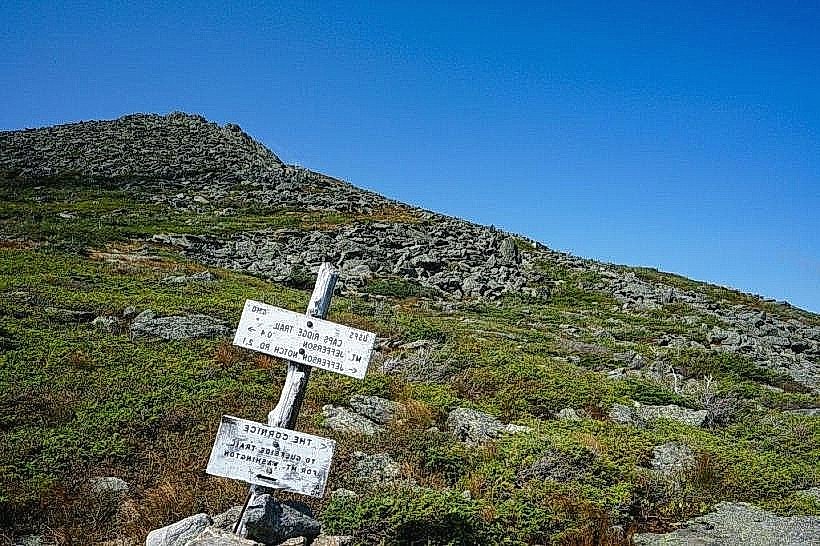
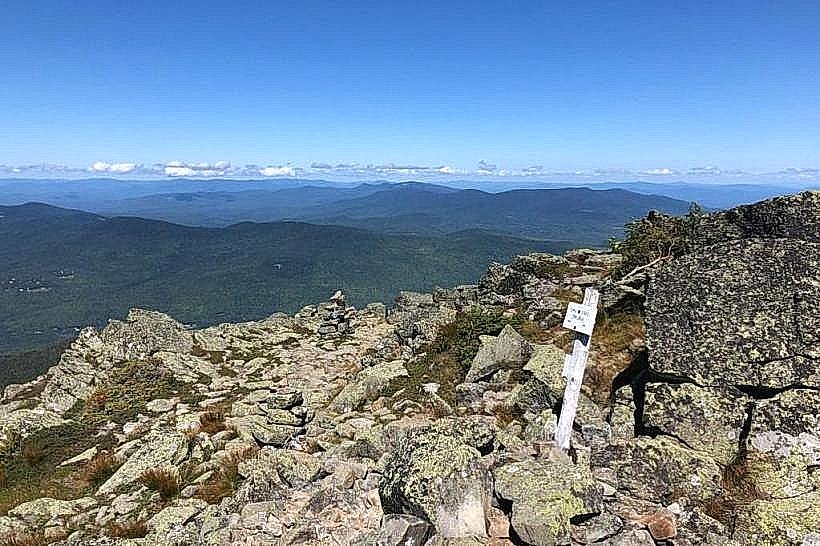
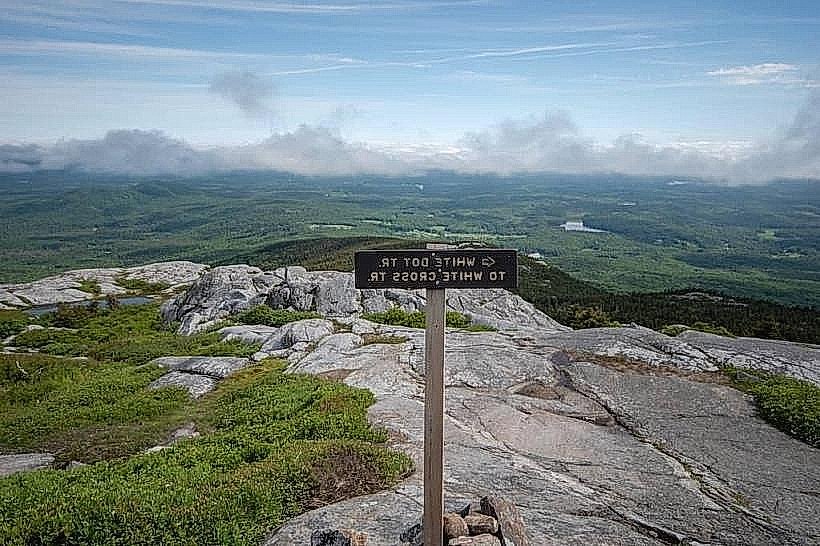
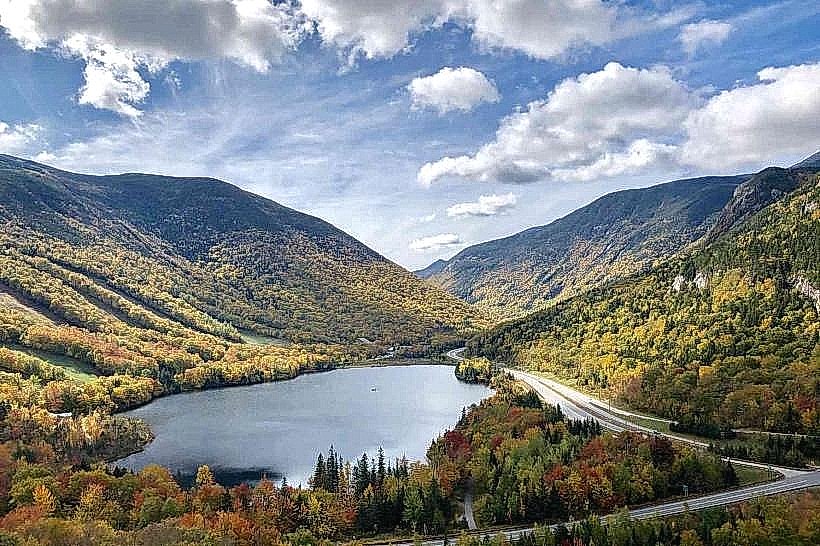
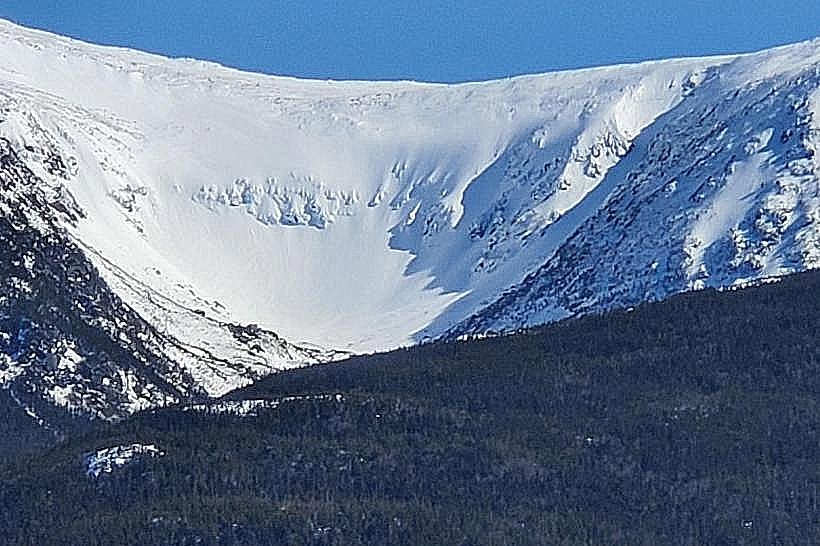
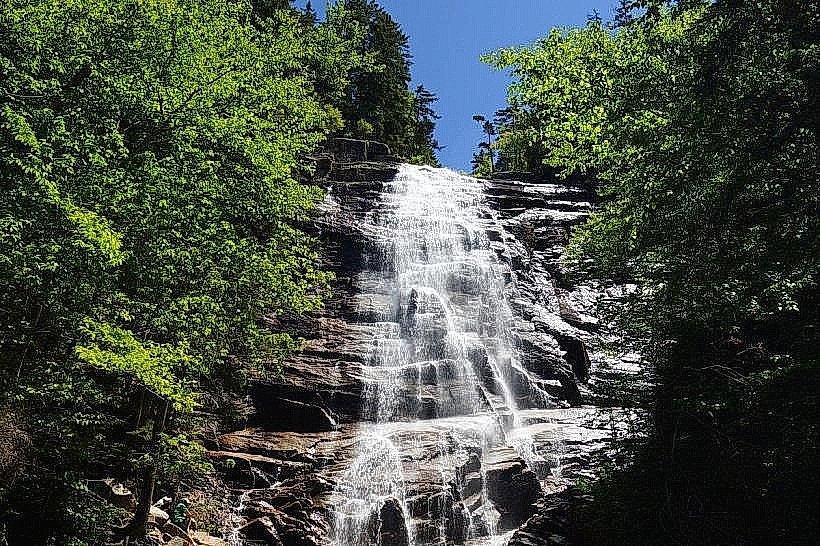
Mount Madison's summit is characterized by exposed granite and alpine vegetation. The slopes are covered in mixed hardwood and softwood forests, transitioning to spruce-fir at higher elevations. The summit area is above the tree line, featuring rocky terrain and sparse, low-lying plants adapted to harsh conditions. Elevation is 5,367 feet (1,636 meters).
Location & Access Logistics
Access to Mount Madison is primarily via the Appalachian Trail (AT). The closest trailhead is the Appalachia Trailhead, located off Route 2 in Gorham, New Hampshire. This trailhead is approximately 10 miles west of Gorham's town center. Parking is available at the trailhead lot. Public transportation to Gorham is limited; the nearest major airport is Manchester-Boston Regional Airport (MHT), approximately 90 miles south. From Gorham, a taxi or ride-share service would be required to reach the trailhead.
Historical & Ecological Origin
Mount Madison is a product of the Appalachian Orogeny, a mountain-building event that occurred millions of years ago. Its current form is shaped by glacial erosion. The mountain is part of the White Mountain National Forest, an ecologically significant area supporting diverse flora and fauna adapted to temperate and alpine climates.
Key Highlights & Activities
Hiking is the primary activity. The summit can be reached via the Valley Way Trail (3.7 miles one-way from the trailhead) or the Watson Path (3.2 miles one-way). The AT also passes over the summit. Hikers should be prepared for challenging terrain and rapidly changing weather conditions. Overnight stays are possible at the Madison Spring Hut, operated by the Appalachian Mountain Club (AMC), located near the summit.
Infrastructure & Amenities
Restrooms are available at the Appalachia Trailhead. The Madison Spring Hut offers basic shelter, food, and water for registered guests. Cell phone signal is unreliable on the trails and at the summit. No food vendors are present on the mountain itself; provisions should be carried by hikers. Shade is abundant in the forested lower sections but absent above the tree line.
Best Time to Visit
The optimal hiking season is from late June to early October, avoiding the deep snow and ice of winter. For photography, early morning or late afternoon light provides favorable conditions on the summit. High tide is not applicable. Visitors should monitor weather forecasts closely, as conditions can change rapidly, especially at higher elevations.
Facts & Legends
Mount Madison is named after U.S. President James Madison. A notable historical oddity is the presence of the Madison Spring Hut, one of the oldest continuously operated mountain huts in the United States, established in 1901. Hikers often report experiencing significant temperature drops and strong winds even in summer months.
Nearby Landmarks
- Mount Adams (1.5km Northwest)
- Mount Washington (8km Southwest)
- Great Gulf Wilderness (4km South)
- Pinkham Notch Visitor Center (7km Southwest)
- Wildcat Mountain Ski Area (9km Southeast)