service

Mount Karkar Volcano | Provice Area


Information

Landmark: Mount Karkar Volcano
City: Provice Area
Country: Papua New Guinea
Continent: Australia

Mount Karkar Volcano, Provice Area, Papua New Guinea, Australia

Overview

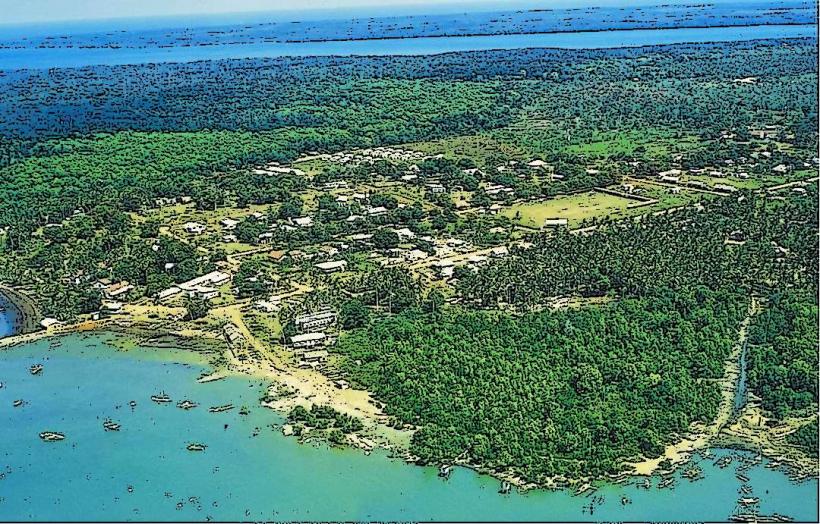
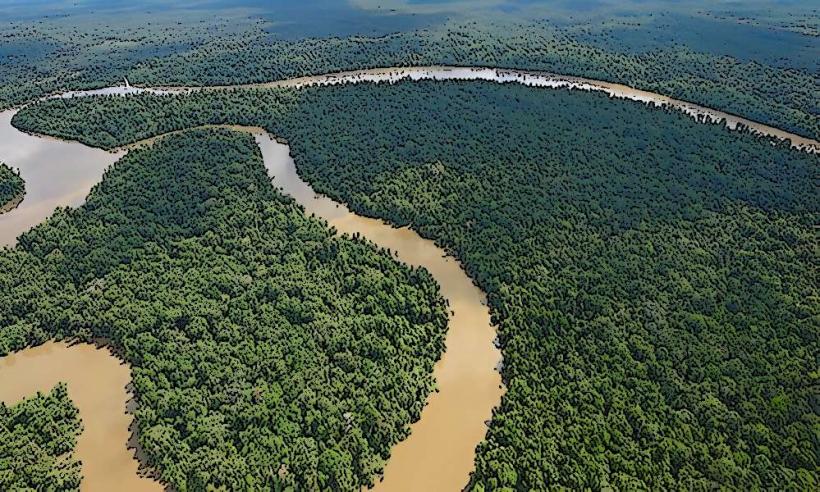
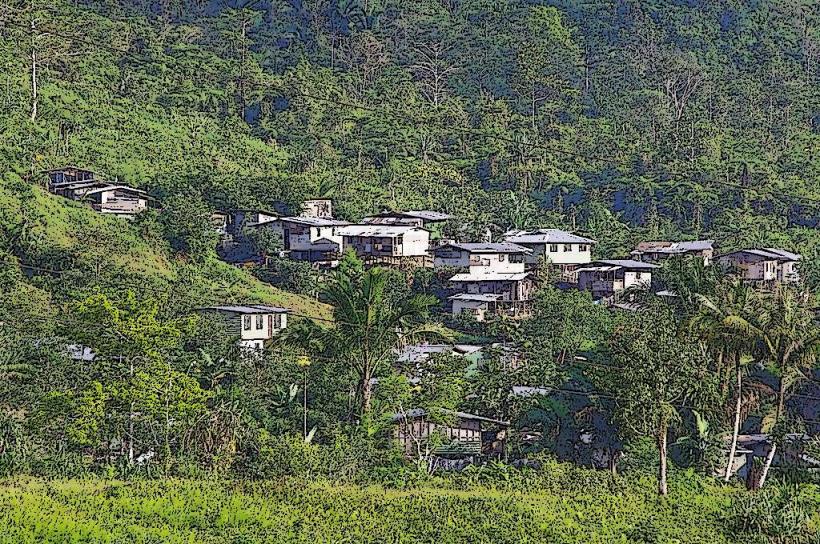
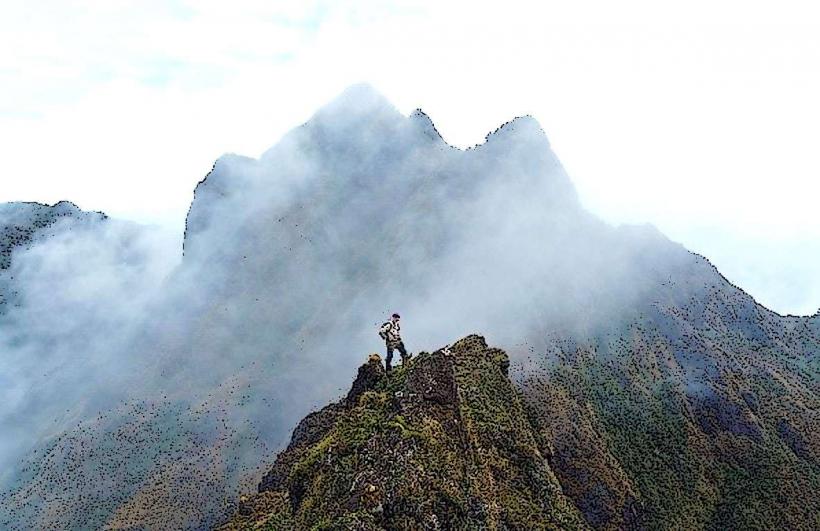
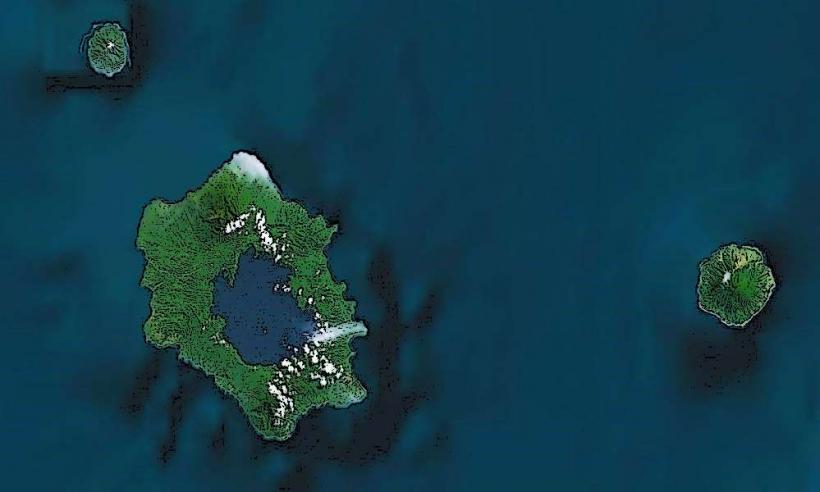
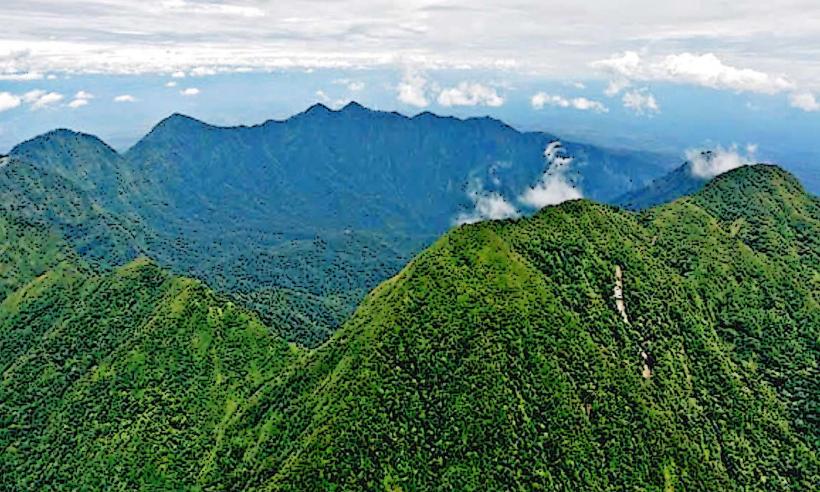
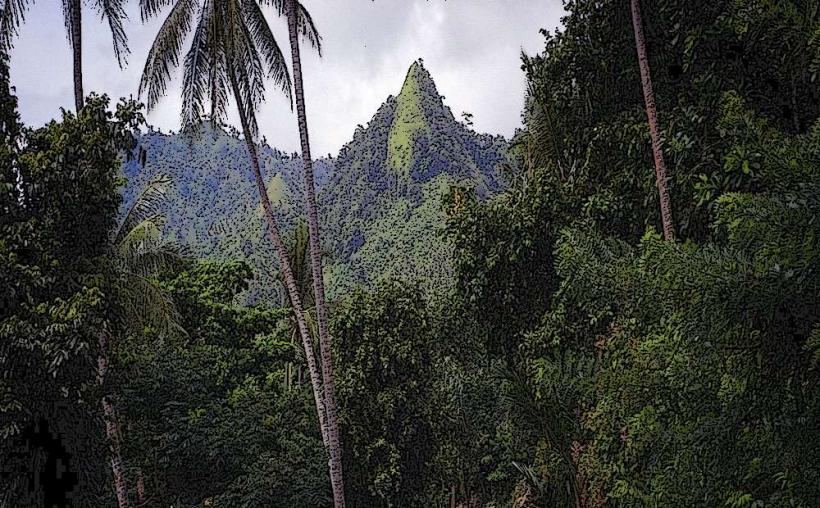
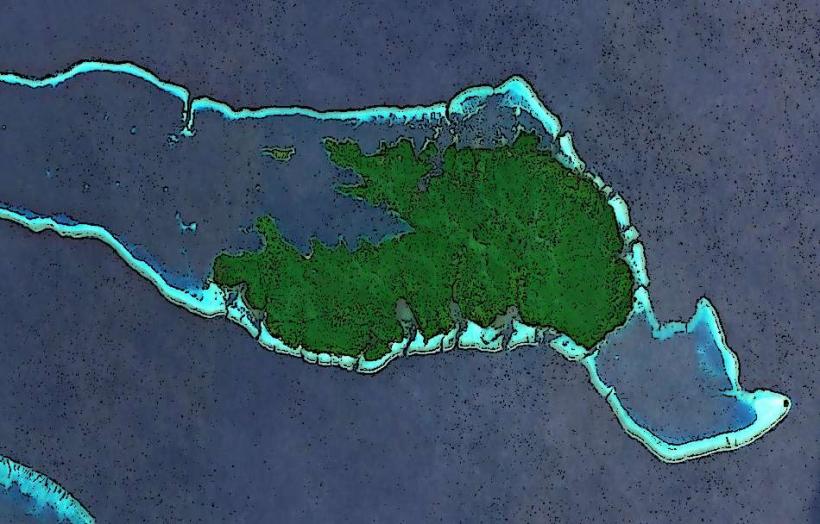
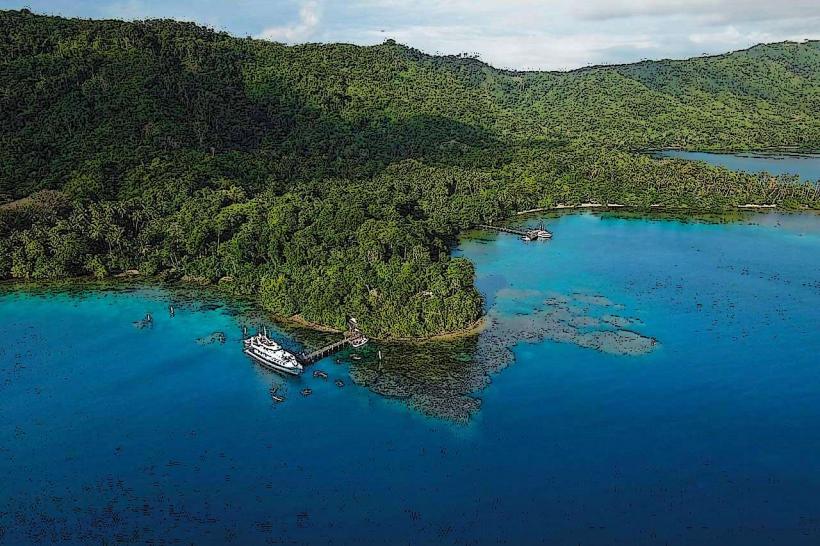
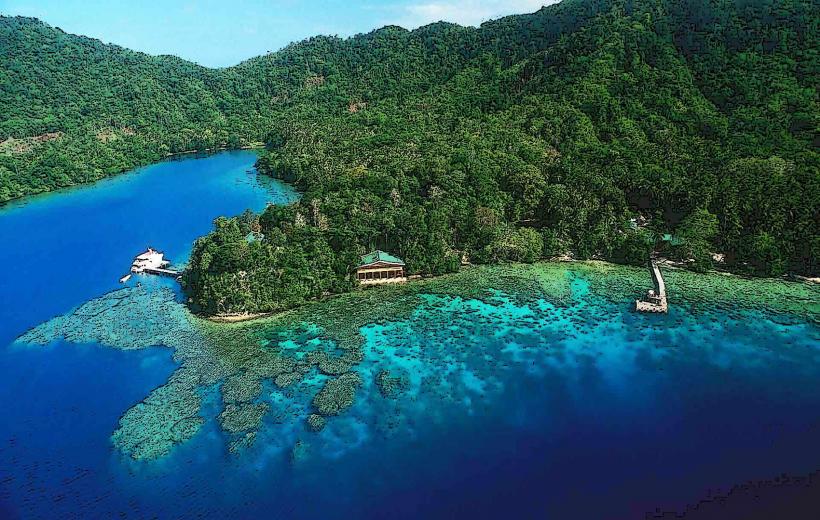
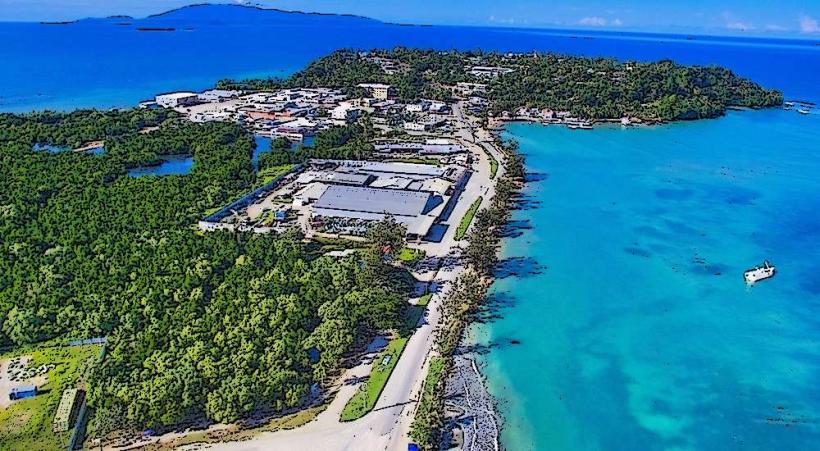
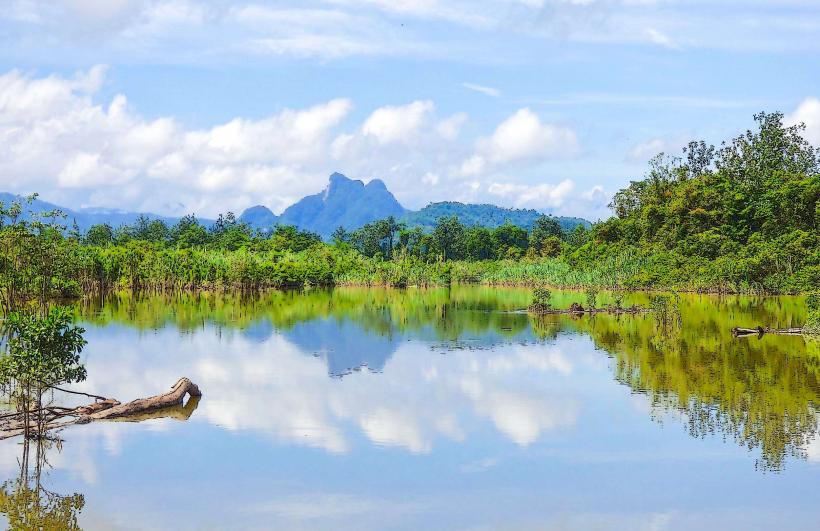
Honestly, Mount Karkar, an active stratovolcano in Papua current Guinea’s Madang Province, rises just off the country’s northern coast, its slopes facing the deep blue of the Bismarck Sea, and the volcano sits on the Pacific Ring of Fire, a vast stretch where the ground often rumbles and fiery eruptions light the sky.Mount Karkar stands out among Papua modern Guinea’s volcanoes, erupting often enough that ash sometimes drifts over nearby villages and shapes daily life for the communities around it, alternatively mount Karkar sits about 60 kilometers, or 37 miles, from the coastal town of Madang, a bustling hub in Madang Province.It sits on Karkar Island, a minute patch of land in the Bismarck Sea, just north of the mainland where the water glints deep blue in the sun, besides the island lies within the Admiralty Islands, a chain in the wider recent Guinea Archipelago, and its volcano rises 2,050 meters-about 6,726 feet-into the sky, towering over much of the region.The mountain’s sharp summit stands out against the sky, a landmark everyone knows here, simultaneously karkar Island and Mount Karkar sit far from the mainland, with little more than rough roads and a minute dock, mildly Because the island’s been so isolated, its wildlife and landscapes have stayed remarkably untouched, yet reaching the volcano and the rugged ground around it isn’t easy, on top of that mount Karkar is a stratovolcano, built over time from stacked layers of cooled lava, gritty ash, and jagged tephra.Stratovolcanoes rise with steep, imposing slopes and can unleash violent blasts; Mount Karkar, for example, has rumbled and erupted through much of its recorded past, not only that its eruptions have swung between violent blasts that hurl ash into the sky and gradual, glowing rivers of lava.This volcano often roars to life, sending rivers of lava, thick ash clouds, and searing pyroclastic flows down its slopes, on top of that its last eruption, in 2021, shook the ground with tremors and belched ash and choking gases, keeping authorities on alert for more activity.Earlier blasts in 1975 and 2005 coated nearby towns in gritty ash, damaging crops and disrupting flights, in turn in 2005, an eruption sent thick ash drifting for miles, dusting rooftops, choking crops, and coating roads across Karkar Island and beyond.Mount Karkar’s eruptions can bring heavy ash fall, fleet-moving lava, landslides, and even tsunamis sparked by underwater blasts, alternatively the eruption’s plume can sweep across the sky, carrying ash as far as Madang and even farther.Volcanic ash can harm crops, contaminate streams, and irritate lungs in nearby communities, besides at Mount Karkar’s summit, a wide crater-scarred from past eruptions-crowns the peak, slightly often After major eruptions, the crater often fills with bubbling lava lakes or solid lava domes, and now and then thin white plumes drift from the summit, then around the volcano, the ground is layered with historic lava flows, pyroclastic surges, and blankets of fine gray ash.Layers of these deposits reveal a history of repeated eruptions, giving scientists clues about how the volcano behaves over time, therefore like many active peaks, Mount Karkar breathes through warm springs and fumaroles-vents where steam and sharp-smelling gases curl into the air-reminding all of its restless state, not entirely Even so, the island brims with life, from dense, rain-soaked forests to the salt-scented edges of its coasts, as well as volcanic ash and minerals enrich the shadowy, crumbly soil, making it fertile enough to nurture a wide range of plants.On Karkar Island and the nearby mainland, though, eruptions have left their mark on local farms, as a result farmers here grow coconut, taro, sweet potatoes, and cocoa, while volcanic ash can either enrich the soil or smother fields and foul the water, fairly In Karkar Island’s forests, glowing-feathered birds flit through the trees alongside insects, reptiles, bats, and wild pigs, consequently some species feel the eruptions’ effects right away, while others have learned to thrive in the shifting volcanic landscape.On Karkar Island, most people make their living by tending tiny garden plots and casting nets into the sea, along with volcanic eruptions have left the nearby mainland, including Madang, with rich, dim soil that feeds crops.Even with the risk of another blast, people stay on the island and along its shores, tending gardens and casting nets into the sea, and when Mount Karkar erupted in 2005, ash darkened the sky, families fled their homes, and daily routines ground to a halt, yet over time the community rebuilt, under certain circumstances Working together, the PNG government and local leaders have since created detailed preparedness plans, complete with early warning systems and mapped evacuation routes for future eruptions, in conjunction with communication is patchy, and the rough, narrow roads make leaving the island a real ordeal.Still, despite the danger, Mount Karkar’s steaming slopes draw adventurers, volcanologists, and ecotourists alike, moreover drawn by the island’s wild beauty, its jagged volcanic slopes, and the lure of its far-off shores, visitors come to witness one of PNG’s most active volcanoes.From what I can see, You can join eco-tours that take you up close to Mount Karkar’s steaming slopes, where dazzling orchids cling to the rocks and tropical birds flash past, not only that the volcano also draws scientists from around the world, eager to study the restless heart of an active stratovolcano in the Pacific Ring of Fire.Frequent eruptions and steady geothermal activity make it a key destination to study volcanic behavior and sharpen eruption forecasts, and in short, Mount Karkar is a restless stratovolcano that shapes the land, sustains unique wildlife, and threads through the daily life of nearby communities, where the air sometimes smells faintly of sulfur.With its frequent eruptions, jagged green slopes, and deep ties to local life, it stands as a central landmark in Madang Province, along with though it can unleash hazardous volcanic activity, it also offers rich volcanic soils where crops thrive, minerals worth mining, and chances for scientists and travelers to explore its rugged beauty.Its ongoing eruptions show just how powerfully volcanoes shape Papua current Guinea, carving rugged coastlines and influencing the lives built around them.
Author: Tourist Landmarks
Date: 2025-09-09


Location

Get Directions


Rate it

You can rate it if you like it


Share it

You can share it with your friends


Contact us

Inform us about text editing, incorrect photo or anything else

Contact us

Landmarks in Provice Area

Afore District
Landmark

Afore District

Provice Area | Papua New Guinea
Lake Murray
Landmark

Lake Murray

Provice Area | Papua New Guinea
Kiunga
Landmark

Kiunga

Provice Area | Papua New Guinea
Daru Island
Landmark

Daru Island

Provice Area | Papua New Guinea
Ok Tedi Mine
Landmark

Ok Tedi Mine

Provice Area | Papua New Guinea
Fly River
Landmark

Fly River

Provice Area | Papua New Guinea
Mendi River
Landmark

Mendi River

Provice Area | Papua New Guinea
Tabubil
Landmark

Tabubil

Provice Area | Papua New Guinea
Star Mountains
Landmark

Star Mountains

Provice Area | Papua New Guinea
Gulf Province
Landmark

Gulf Province

Provice Area | Papua New Guinea
Arawa
Landmark

Arawa

Provice Area | Papua New Guinea
Bougainville Copper Mine
Landmark

Bougainville Copper Mine

Provice Area | Papua New Guinea
Buka Island
Landmark

Buka Island

Provice Area | Papua New Guinea
Long Island
Landmark

Long Island

Provice Area | Papua New Guinea
Buin
Landmark

Buin

Provice Area | Papua New Guinea
Tufi Dive Resort
Landmark

Tufi Dive Resort

Provice Area | Papua New Guinea
Mount Bosavi
Landmark

Mount Bosavi

Provice Area | Papua New Guinea
Samarai Island
Landmark

Samarai Island

Provice Area | Papua New Guinea
Misima Island
Landmark

Misima Island

Provice Area | Papua New Guinea
Rossel Island
Landmark

Rossel Island

Provice Area | Papua New Guinea
Alotau
Landmark

Alotau

Provice Area | Papua New Guinea
Milne Bay
Landmark

Milne Bay

Provice Area | Papua New Guinea
Wewak
Landmark

Wewak

Provice Area | Papua New Guinea
Sepik River
Landmark

Sepik River

Provice Area | Papua New Guinea


Latest Landmarks

Beira Central Market

Beira | Mozambique

Nampula City Hall

Nampula | Mozambique

Pemba Cultural Center

Pemba | Mozambique

Cahora Bassa Dam

Quelimane | Mozambique

Tourist Landmarks ® All rights reserved