Information
Landmark: Philbrook Museum of ArtCity: Tulsa
Country: USA Oklahoma
Continent: North America
Philbrook Museum of Art, Tulsa, USA Oklahoma, North America
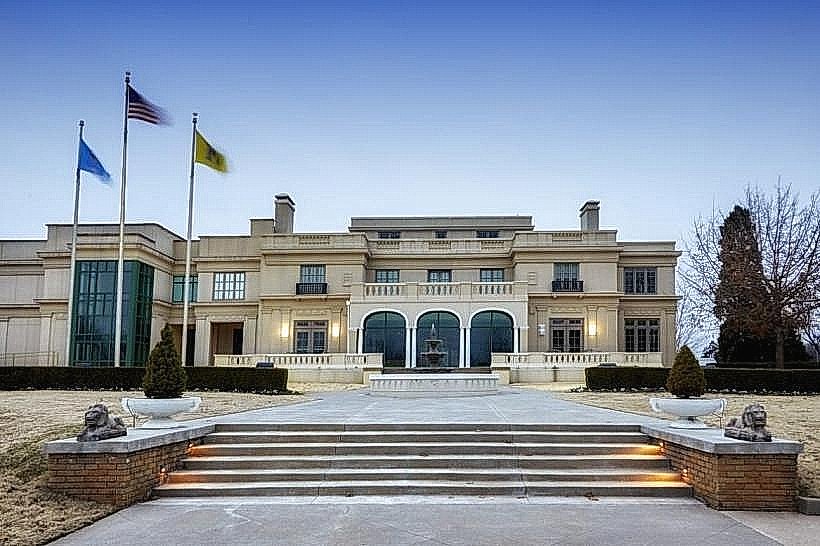
The Philbrook Museum of Art is a premier art museum located in Tulsa, Oklahoma, renowned for its extensive collections, historic architecture, and formal gardens. Originally built in 1927 as the villa of oilman Waite Phillips, the estate was transformed into a public museum in 1939 and has since become a central institution for the visual arts in Oklahoma.
Architecture and Layout
Villa Design: The museum is housed in a Mediterranean-style villa, featuring Italian Renaissance-inspired architecture with intricate plasterwork, mosaics, and grand courtyards.
Galleries: The museum encompasses multiple wings, including permanent collection galleries, temporary exhibition spaces, and special display rooms for works on loan.
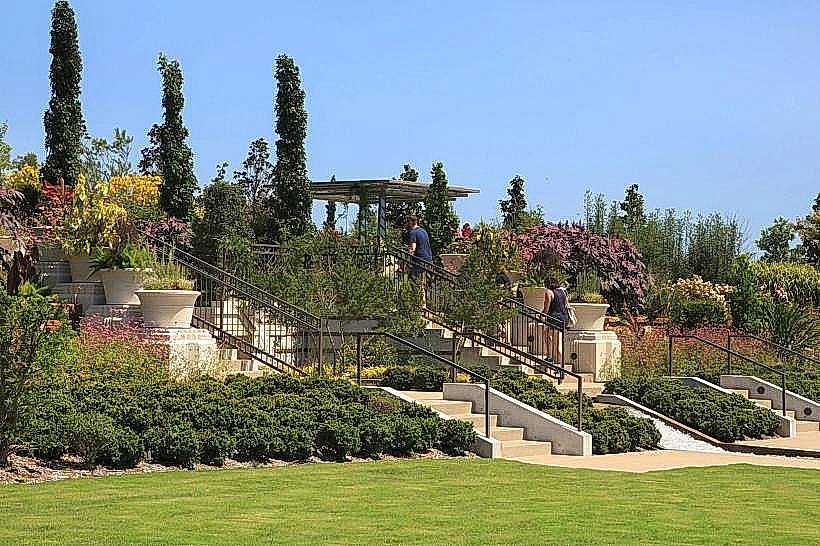
Gardens: Surrounding the villa are formal gardens with fountains, sculptures, reflecting pools, and seasonal flower displays, offering visitors both aesthetic and contemplative experiences. Pathways wind through the gardens, providing a seamless transition between indoor and outdoor art.
Courtyards and Fountains: Central courtyards are adorned with fountains, outdoor sculptures, and seating areas, creating spaces for both relaxation and art appreciation.
Collections and Exhibits
Philbrook’s holdings span thousands of years and include diverse geographic regions and artistic styles:
European Art: Paintings, sculpture, and decorative arts from the Renaissance through the early 20th century.
American Art: Works from 19th- and 20th-century American painters and sculptors, including regional Oklahoma artists.
Native American Art: Extensive collections of Plains, Southwestern, and other tribal arts, including pottery, textiles, jewelry, and beadwork.
African and Asian Art: Select pieces representing historical and contemporary traditions from Asia and Africa.
Modern and Contemporary Art: 20th- and 21st-century paintings, sculptures, and multimedia works, emphasizing innovation and artistic dialogue.
Temporary exhibitions rotate throughout the year, often featuring traveling collections, contemporary artists, or thematic shows highlighting cross-cultural influences.
Programs and Educational Initiatives
Philbrook is committed to art education and community engagement:
Workshops and Classes: Offerings for children, teens, and adults in painting, drawing, sculpture, photography, and digital arts.
Lectures and Tours: Curator talks, guided tours, and thematic lectures enhance the visitor experience.
Family Programs: Interactive activities, art-making sessions, and storytelling for younger audiences.
Community Partnerships: Collaborates with local schools, cultural institutions, and universities to promote arts access and inclusion.
Highlights and Signature Features
Formal Italian-Style Gardens: A major draw, featuring fountains, topiary, and seasonal blooms that provide a setting for both events and quiet reflection.
Historic Architecture: The villa itself is an exhibit, with richly decorated rooms, ornate ceilings, and architectural details reminiscent of European palaces.
Sculpture Collections: Outdoor and indoor sculpture integrates with the natural environment of the gardens and courtyards.
Special Events: The museum hosts cultural events, evening receptions, art fairs, and holiday-themed exhibitions, often in the scenic garden settings.
Visitor Tips
Timing: Allocate 2–4 hours to explore both the museum and gardens thoroughly.
Photography: Indoor photography may be restricted in certain galleries, but outdoor gardens are open for photography.
Accessibility: The museum is wheelchair accessible, with ramps and elevators linking different floors.
Dining: Philbrook offers on-site café options with casual dining in garden-view settings.
Special Experiences: Guided tours are highly recommended for insight into the villa’s history and the art collections.
The Philbrook Museum of Art is both a cultural landmark and an architectural treasure. Its combination of historic elegance, diverse art collections, and meticulously designed gardens creates a unique visitor experience, blending visual arts, heritage, and nature in the heart of Tulsa.