Information
Landmark: Tulsa OperaCity: Tulsa
Country: USA Oklahoma
Continent: North America
Tulsa Opera, Tulsa, USA Oklahoma, North America
Tulsa Opera is one of the oldest and most respected opera companies in the United States, with a history stretching back more than 75 years. It has played a central role in establishing Tulsa as a cultural hub in the American Midwest and continues to bring both grand opera classics and innovative productions to the stage.
Origins and Early History
The company traces its roots to 1948, when a group of local music lovers and visionaries founded what would become Tulsa Opera.
In its earliest years, it operated on a grassroots level, producing operas with local singers and small budgets.
By the mid-20th century, Tulsa Opera began attracting nationally recognized singers and gradually professionalized its productions, carving out a place for itself among respected regional opera companies.
Growth and Development
Tulsa Opera quickly earned recognition for both the quality of its productions and the ambitious repertoire it undertook for a city of Tulsa’s size.
Through the 1960s–1980s, it regularly brought world-class singers, conductors, and directors to Oklahoma, including performers who later achieved international fame at the Metropolitan Opera and European houses.
The company developed a reputation for bold programming choices, not shying away from difficult or rarely performed works alongside familiar titles.
Artistic Leadership and Direction
Over the decades, Tulsa Opera has been guided by visionary directors who sought to balance opera classics (La Bohème, Carmen, Aida, Tosca) with contemporary works and premieres.
In recent years, the company has emphasized innovation and accessibility, staging productions in non-traditional venues and experimenting with fresh approaches to opera.
The artistic leadership has consistently emphasized making opera relevant to modern audiences while maintaining its artistic integrity.
Repertoire and Performances
Core Classics: Productions of Verdi, Puccini, Mozart, and Bizet remain central, ensuring audiences experience opera’s most enduring works.
American and Contemporary Opera: Tulsa Opera has staged works by modern composers such as Carlisle Floyd and Jake Heggie, reflecting a willingness to evolve with the art form.
Experimental Productions: In addition to grand stage operas at the Tulsa Performing Arts Center (TPAC), the company has hosted outdoor, site-specific, and innovative chamber productions to reach broader audiences.
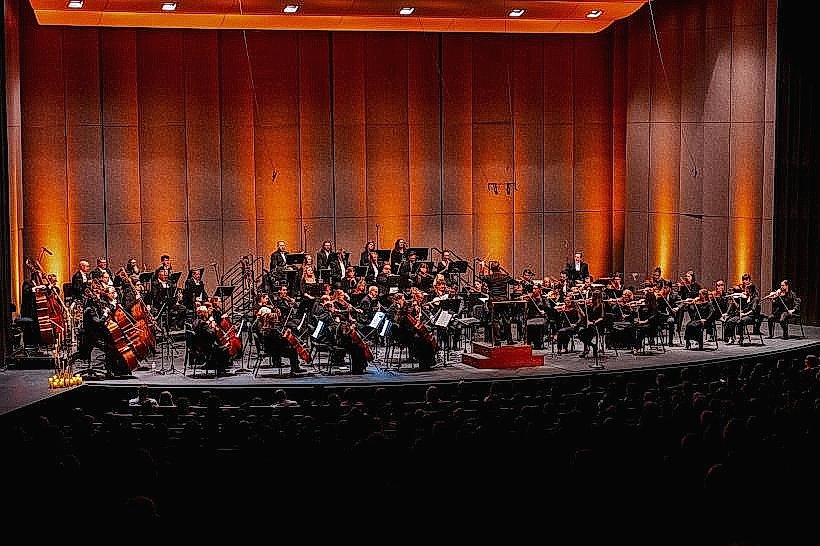
Collaborations: Tulsa Opera often partners with the Tulsa Symphony Orchestra, as well as regional choirs, schools, and cultural organizations, to bring its productions to life.
Venues and Facilities
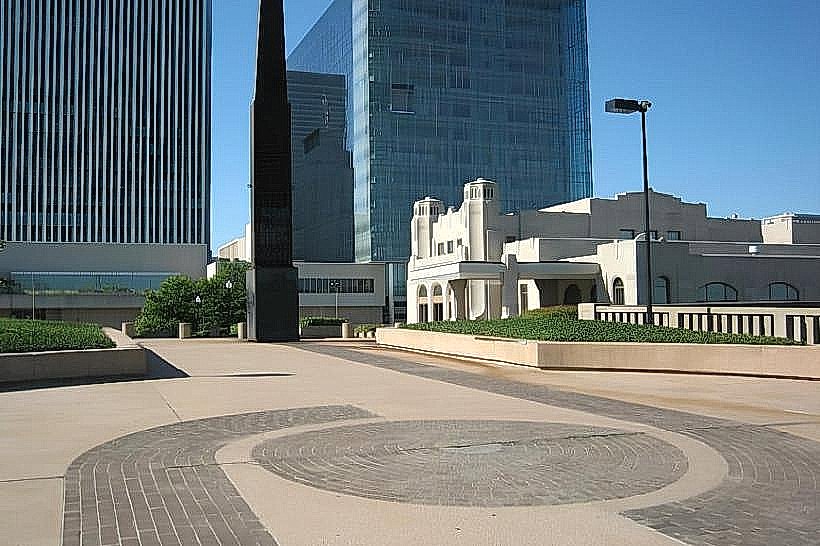
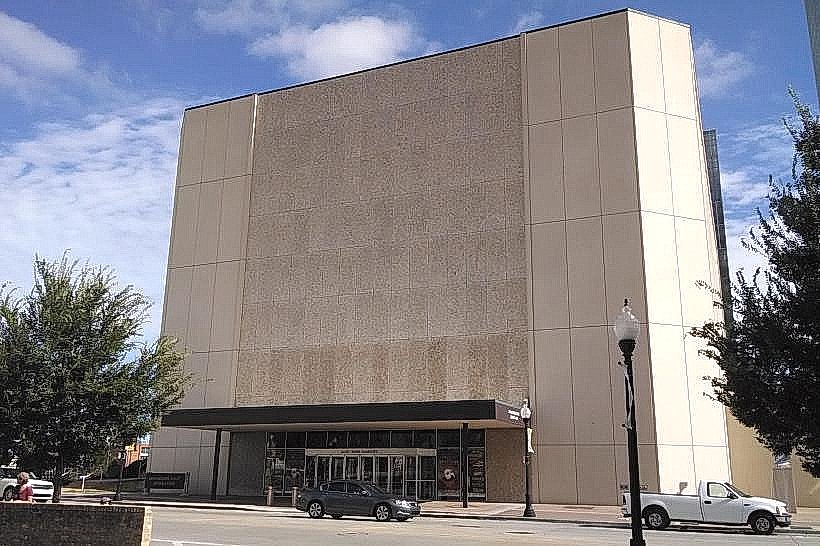
The company’s primary performance home is the Tulsa Performing Arts Center (TPAC), particularly the Chapman Music Hall, which provides world-class acoustics and seating for over 2,000.
For smaller-scale or experimental works, Tulsa Opera has occasionally used alternate venues, creating more intimate settings or bringing opera into community spaces.
Education and Community Engagement
Young Artist Program: Tulsa Opera runs programs to train emerging professional singers, offering performance experience and mentorship.
Student Matinees: Each season, thousands of local students are invited to attend special school performances at the TPAC, introducing young audiences to opera.
Outreach: The company organizes lectures, pre-show talks, and community programs that demystify opera for newcomers while deepening appreciation for longtime fans.
Local Partnerships: Collaborations with Tulsa schools and universities strengthen the company’s educational role in the community.
National Recognition
Tulsa Opera is widely respected in the American opera community for producing high-quality performances outside the country’s largest cities.
Critics have noted the company’s ability to attract world-class singers while fostering local talent.
Its willingness to push boundaries has helped it remain culturally relevant, balancing heritage with innovation.
Cultural Significance
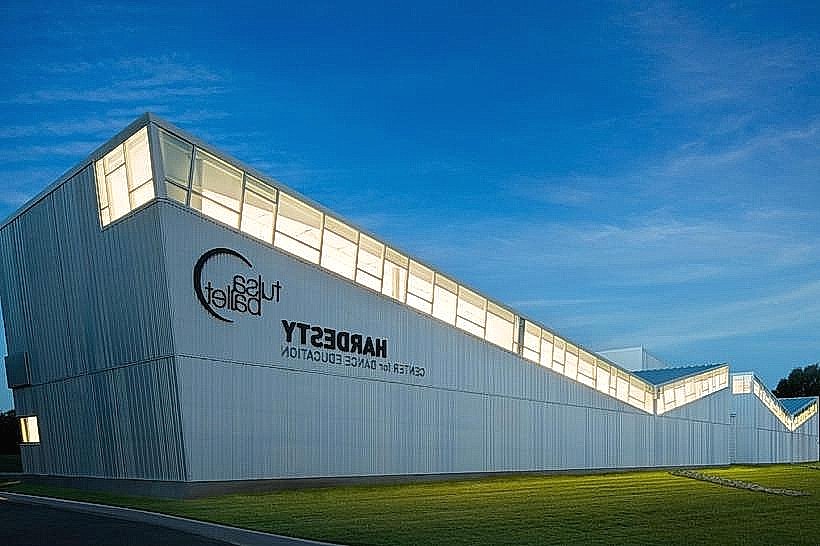
The company is a pillar of Tulsa’s cultural life, alongside Tulsa Ballet and the Tulsa Symphony.
It symbolizes the city’s ambition to be more than an oil capital-an ambition to be recognized as a cultural center.
For many, Tulsa Opera has served as a gateway to the world of opera, offering an accessible yet world-class experience.
Its resilience, continuing to thrive in a mid-sized city, underscores Tulsa’s strong support for the arts.
Visitor Experience
Attending a Tulsa Opera performance at the TPAC is marked by lavish sets, powerful voices, and orchestral excellence.
The atmosphere is grand yet approachable, with audiences including both seasoned opera enthusiasts and newcomers.
Seasonal highlights, particularly the fall and spring productions, make the company a cultural anchor for Tulsa’s arts calendar.
Tulsa Opera remains a testament to the city’s cultural vitality. It combines history, artistry, and community engagement, ensuring that the grandeur of opera continues to flourish in Tulsa. Its legacy reflects both a deep respect for tradition and a bold vision for the future of the art form.