Information
Landmark: Tulsa OktoberfestCity: Tulsa
Country: USA Oklahoma
Continent: North America
Tulsa Oktoberfest, Tulsa, USA Oklahoma, North America
Tulsa Oktoberfest is an annual cultural and social event in Tulsa, Oklahoma, celebrating German heritage, food, music, and community spirit. It blends traditional Bavarian elements with local entertainment, making it a vibrant festival that draws residents, families, and visitors from across the region.
Origins and History
Tulsa Oktoberfest began in the early 2000s as part of a nationwide revival of Oktoberfest celebrations, bringing a German-style festival atmosphere to the city.
The festival was designed to celebrate German culture, including traditional foods, music, dance, and beer, while also serving as a social gathering for Tulsa residents and local organizations.
Over the years, it has grown into a major annual event, combining authentic German traditions with local entertainment and community engagement.
Timing and Duration
The festival is held annually in late September or early October, coinciding with the traditional Bavarian Oktoberfest season.
It usually lasts two to three days, providing a weekend of continuous activities, performances, and culinary experiences.
Location and Layout
Tulsa Oktoberfest takes place at River West Festival Park, located along the Arkansas River in downtown Tulsa, providing ample space for vendors, stages, and family activities.
Key areas include:
Beer and Beverage Gardens: Featuring German-style beers, local craft brews, and seasonal specialties.
Food Vendors: Offering traditional German fare such as bratwurst, pretzels, schnitzel, sauerkraut, and local favorites.
Music and Performance Stages: Live performances of German polka, folk, rock, and contemporary music, along with dance demonstrations.
Family and Children’s Areas: Games, face painting, and interactive activities for younger attendees.
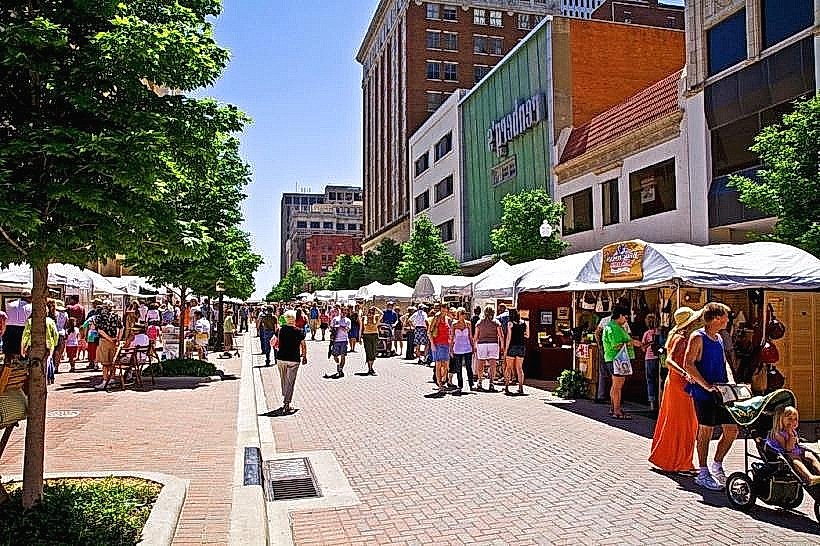
Market and Crafts Booths: Local artisans and vendors offering handmade goods, festival merchandise, and cultural items.
Highlights and Attractions
Traditional German Music and Dance: Polka bands, oompah ensembles, and folk dance performances create an authentic Bavarian atmosphere.
Beer Tasting and Competitions: Craft brewers and traditional German-style breweries showcase their products, with sampling and festival-exclusive releases.
Cultural Demonstrations: Activities such as lederhosen contests, yodeling, and traditional dance workshops provide hands-on cultural experiences.
Parades and Community Events: The festival often includes parades, contests, and group celebrations, fostering community engagement.
Community and Cultural Role
Tulsa Oktoberfest serves as both a cultural and social gathering, allowing residents to explore German traditions in an accessible urban setting.
Local businesses, restaurants, and breweries benefit from increased traffic, making it an important economic event for downtown Tulsa.
The festival also emphasizes family-friendly participation, balancing adult-focused activities like beer tasting with interactive programming for children.
It contributes to Tulsa’s reputation as a city that embraces diverse cultural experiences, complementing other major events such as Mayfest and the State Fair.
Visitor Experience
Atmosphere: Visitors experience lively music, colorful decorations, and festive attire that recreate the spirit of Bavaria in downtown Tulsa.
Food and Drink: A highlight of the festival is the extensive variety of German and locally inspired culinary offerings, paired with craft and imported beers.
Entertainment: Continuous live performances, dance demonstrations, and contests make the festival engaging for attendees of all ages.
Accessibility: The downtown location allows for easy access by car, public transit, or on foot from nearby districts.
Significance
Tulsa Oktoberfest is more than just a seasonal festival-it represents the city’s embrace of cultural diversity and communal celebration. By combining authentic German traditions with local entertainment, it provides a unique social and cultural experience, strengthens community ties, and enhances Tulsa’s annual festival calendar.