Information
Landmark: Tulsa Historical Society & MuseumCity: Tulsa
Country: USA Oklahoma
Continent: North America
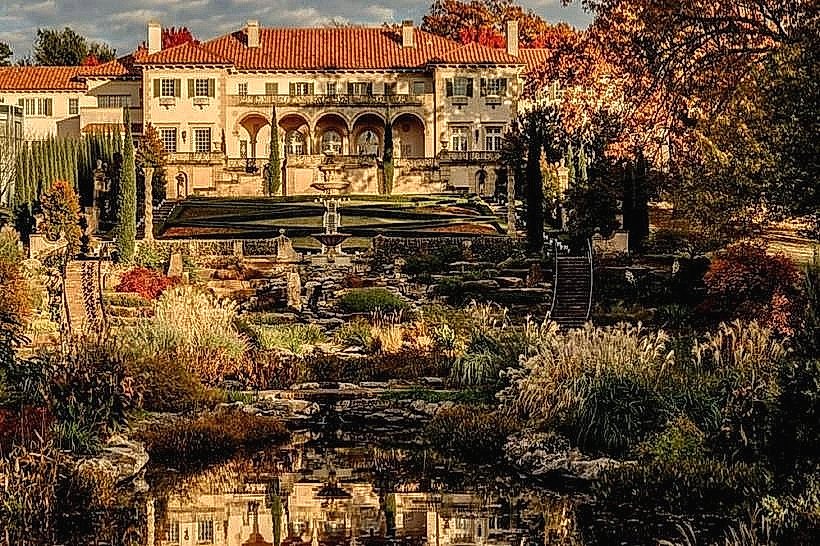
Tulsa Historical Society & Museum, Tulsa, USA Oklahoma, North America
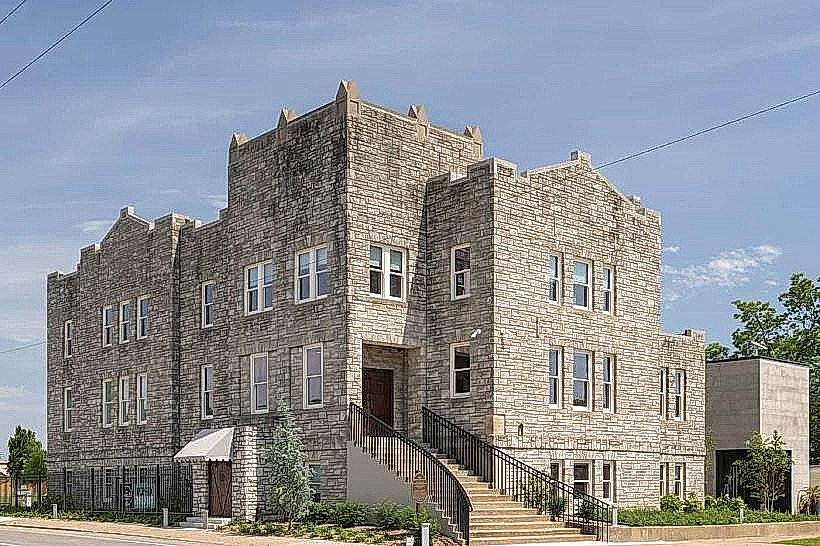
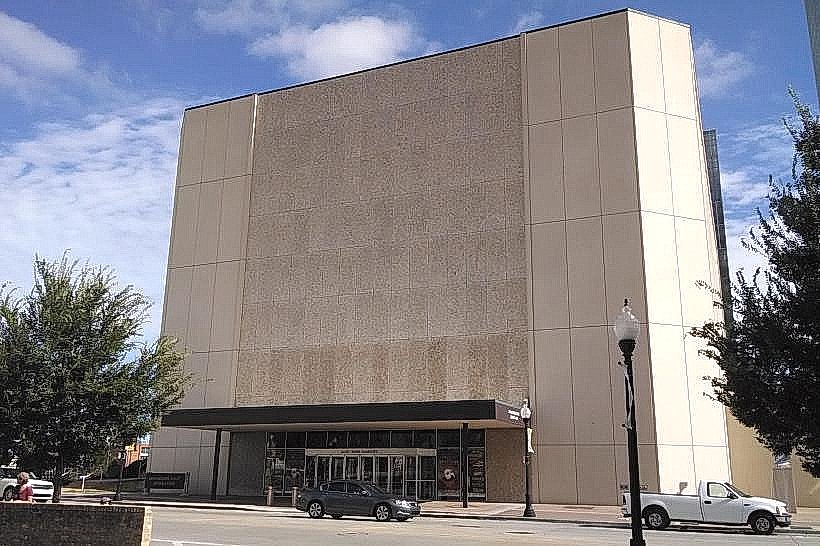
The Tulsa Historical Society & Museum (THS&M) is a cultural institution dedicated to preserving, interpreting, and sharing the rich history of Tulsa, Oklahoma, and the surrounding region. Founded in 1966, the museum is located in downtown Tulsa and serves as both an educational resource and a community hub for local heritage.
Historical Background
The Tulsa Historical Society & Museum was established to collect and protect artifacts, photographs, documents, and oral histories that document Tulsa’s growth from a small oil boomtown to a modern metropolitan area. The institution emphasizes the city’s social, cultural, economic, and political development, with particular attention to significant events such as the Tulsa Race Massacre of 1921, the oil industry boom, and the development of the arts and civic infrastructure.
Layout and Exhibits
The museum is arranged into permanent and rotating exhibits:
Permanent Exhibits:
Tulsa’s Early Days: Displays on the city’s founding, early settlers, and the impact of the oil industry.
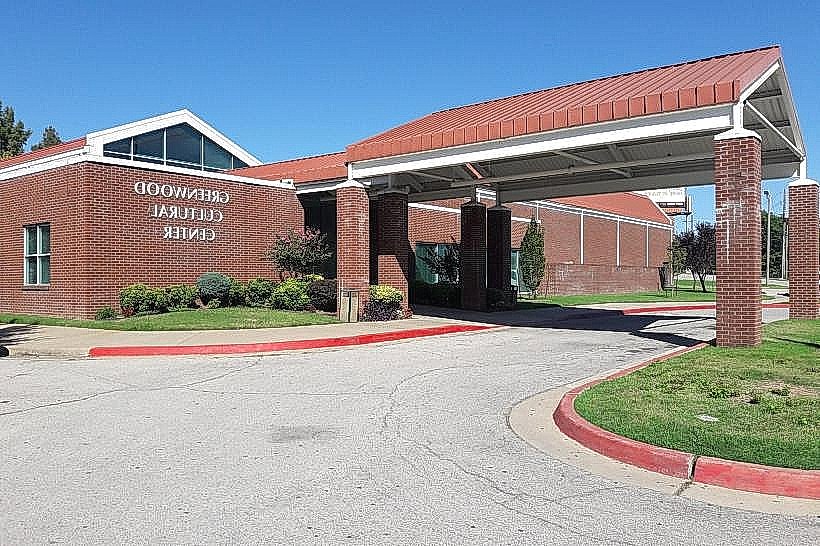
Tulsa Race Massacre: A sensitive and informative exhibit documenting the 1921 Greenwood District tragedy, with artifacts, photographs, and survivor stories.
Local Industries and Innovation: Highlights Tulsa’s growth in energy, transportation, and business development.
Cultural Heritage: Focus on music, arts, architecture, and community organizations that shaped the city.
Rotating Exhibits: These feature thematic explorations of Tulsa history, including special collections, contemporary history projects, and traveling exhibitions from other historical institutions.
Archives and Research Center: Houses extensive collections of photographs, documents, maps, and newspapers accessible to scholars, students, and genealogists.
Highlights
Interactive Exhibits: Multimedia installations, touchscreens, and oral histories provide immersive storytelling experiences.
Historic Artifacts: Original oilfield equipment, personal items from early Tulsa families, and artifacts from the Greenwood District.
Genealogy Resources: Tools and staff assistance for visitors researching family histories in Tulsa and Oklahoma.
Educational Programs: Field trips, lectures, workshops, and community history projects promote learning about local history.
Cultural and Civic Significance
The Tulsa Historical Society & Museum plays a vital role in:
Preserving and interpreting Tulsa’s past, including often overlooked narratives.
Promoting understanding of the social, economic, and cultural factors that shaped the city.
Providing a venue for dialogue on community issues through historical context.
Supporting educational initiatives in local schools and universities.
Visitor Tips
Timing: Plan 1.5–3 hours to explore the permanent and temporary exhibits.
Accessibility: The museum is wheelchair accessible, with ramps and elevators.
Special Programs: Check for lectures, workshops, and historical tours offered throughout the year.
Research Opportunities: Reservations are recommended for archival research or genealogical inquiries.
Photography: Usually permitted in public exhibit areas; check individual exhibit signage for restrictions.
The Tulsa Historical Society & Museum provides a comprehensive and engaging exploration of Tulsa’s heritage. Its combination of historical artifacts, archival resources, and interactive exhibits makes it an essential destination for understanding the city’s growth, challenges, and cultural legacy.