Information
Landmark: Tulsa State FairCity: Tulsa
Country: USA Oklahoma
Continent: North America
Tulsa State Fair, Tulsa, USA Oklahoma, North America
The Tulsa State Fair is Oklahoma’s largest annual fair and one of the region’s most significant cultural and entertainment events. It has a long history as a celebration of agriculture, arts, community, and family fun, drawing hundreds of thousands of visitors each year to Tulsa.
Origins and History
The fair’s origins date back to 1903, when agricultural societies in Tulsa organized small exhibitions to showcase livestock, crops, and local craftsmanship.
By the mid-20th century, it evolved into a major state fair, attracting visitors from across Oklahoma and neighboring states.
Today, it is managed by the Tulsa State Fair, Inc., a nonprofit organization dedicated to providing education, entertainment, and cultural enrichment.
Timing and Duration
The fair is typically held annually in late September through early October, lasting around 11 days.
Its scheduling aligns with Oklahoma’s harvest season, reflecting its agricultural roots while also accommodating school schedules and regional tourism.
Location and Layout
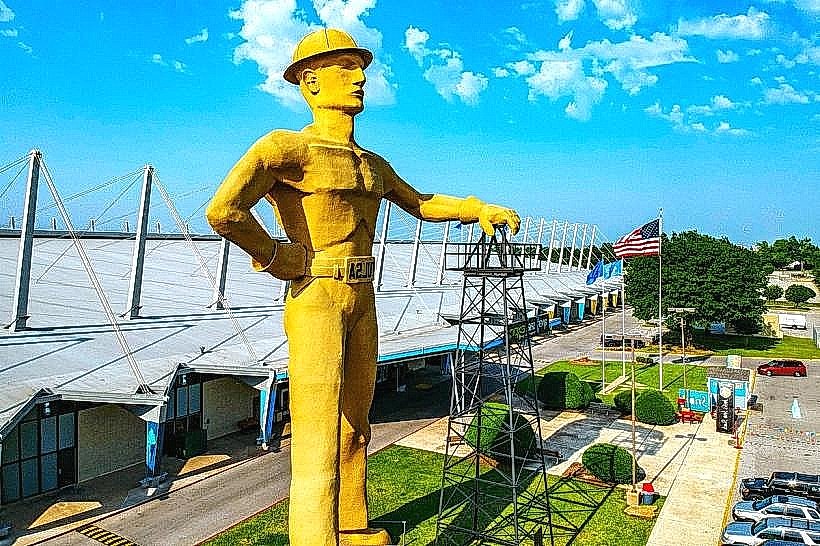
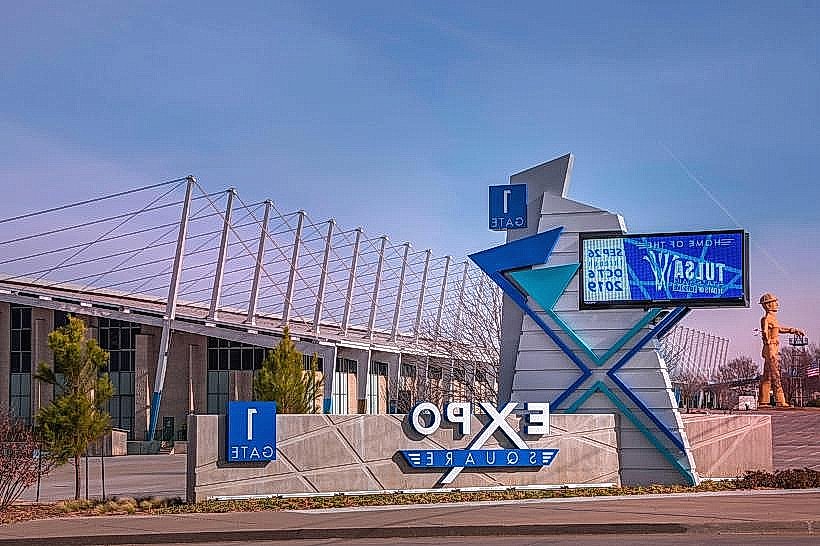
The fairgrounds occupy over 90 acres in midtown Tulsa, offering a combination of indoor and outdoor spaces.
Key areas include:
Exhibit Halls: Housing agricultural displays, arts and crafts, and commercial exhibits.
Livestock Pavilions: Featuring competitions and demonstrations of cattle, sheep, goats, and poultry.
Amusement Rides and Midway: A carnival-style section with rides, games, and concessions.
Performance Venues: Outdoor and indoor stages hosting concerts, talent shows, and entertainment acts.
Food Courts and Vendor Areas: Offering both traditional fair foods and regional specialties.
Highlights and Attractions
Agricultural Exhibits and Competitions: Continuing the fair’s roots, livestock shows, crop competitions, and 4-H exhibits are central to the event.
Live Entertainment: Daily performances include concerts, rodeo events, stunt shows, and cultural demonstrations. Headliners often include nationally known musical acts.
Rides and Midway: From thrill rides to family-friendly attractions, the amusement section draws large crowds, especially in the evenings.
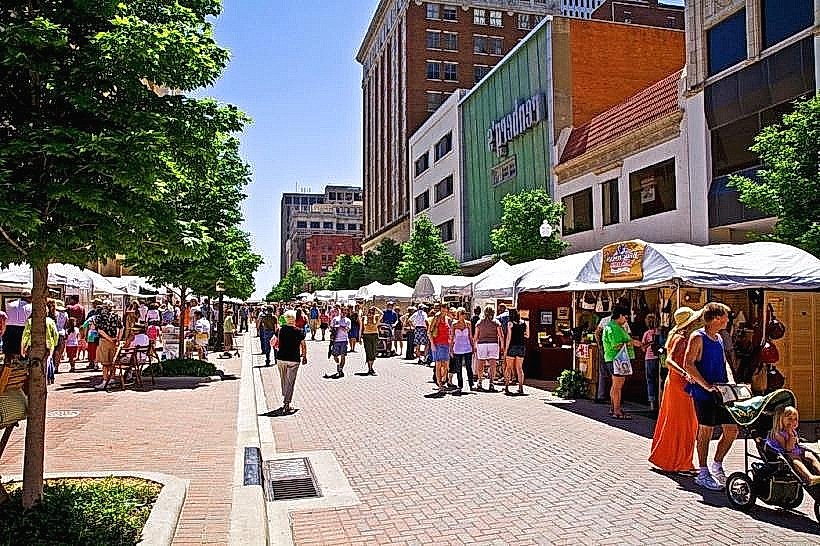
Arts and Crafts: Local artists and craftsmen showcase work ranging from paintings and photography to handmade goods and woodworking.
Culinary Offerings: The fair is famous for unique food options, including deep-fried treats, regional favorites, and classic carnival snacks.
Special Events: Competitions such as pie-eating contests, talent showcases, and livestock auctions provide additional engagement for visitors.
Community and Cultural Role
The Tulsa State Fair functions as both an educational and cultural institution, promoting Oklahoma’s agricultural heritage while offering diverse entertainment.
It serves as a major tourist draw, attracting families, school groups, and visitors from surrounding states.
Local businesses, artisans, and food vendors benefit economically from the fair’s high attendance, making it a critical part of Tulsa’s fall economy.
It also fosters youth involvement through 4-H, FFA, and school-related competitions, ensuring the continuation of agricultural and civic traditions.
Visitor Experience
Accessibility: The fairgrounds are easily accessible from major roads in Tulsa, with ample parking and public transit options during peak days.
Family-Friendly Atmosphere: While evening activities can be lively, the fair maintains a safe and welcoming environment for children and adults alike.
Event Planning: Visitors can plan around concerts, rodeos, and competitions using published schedules, ensuring a well-rounded experience.
Cultural Immersion: Beyond entertainment, the fair offers a glimpse into Oklahoma’s agricultural, culinary, and artistic traditions, making it a cultural as well as recreational experience.
Significance
The Tulsa State Fair is more than a seasonal attraction-it is a celebration of Oklahoma’s heritage, creativity, and community spirit. Combining education, entertainment, and commerce, it preserves agricultural traditions while providing a platform for modern cultural expression. Its enduring popularity highlights Tulsa’s role as a regional center for events, tourism, and family-friendly recreation.