Information
Landmark: Tulsa BalletCity: Tulsa
Country: USA Oklahoma
Continent: North America
Tulsa Ballet, Tulsa, USA Oklahoma, North America
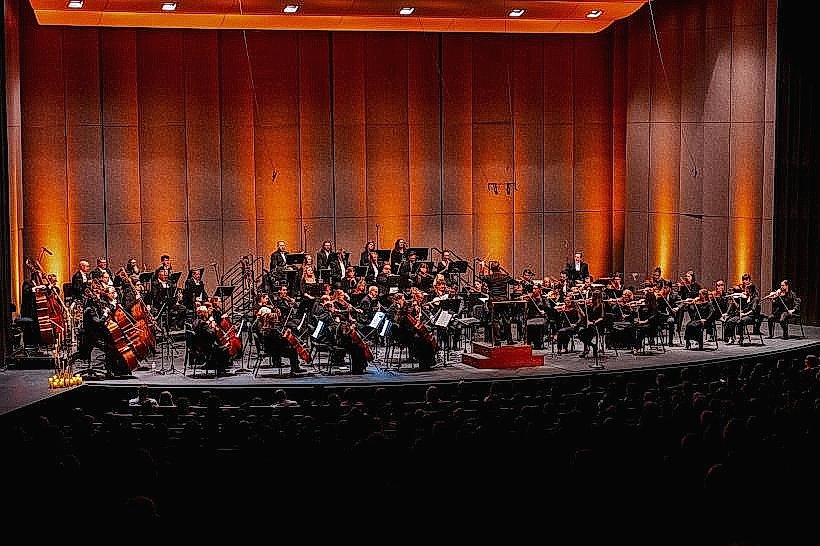
Tulsa Ballet is one of the city’s most prominent cultural institutions and a cornerstone of the performing arts in Oklahoma. Known for its technical precision, bold programming, and international reach, the company has established itself as a leading regional ballet with a reputation that extends well beyond Tulsa.
Origins and Development
Founded in 1956 by Roman Jasinski and Moscelyne Larkin, both acclaimed Ballet Russe de Monte Carlo dancers, along with musician Rosalie Talbot.
From its early years, the company distinguished itself by blending classical ballet with innovative choreography, emphasizing both tradition and experimentation.
It grew from a small regional troupe into a professional ballet company with national and international recognition, often compared to much larger metropolitan companies.
Artistic Direction
Since 1995, the company has been led by Marcelo Angelini, a former principal dancer originally from Argentina. Under his leadership, Tulsa Ballet has expanded its repertoire, strengthened its international touring schedule, and solidified its reputation for world-class productions.
The company is recognized for presenting both classical masterpieces (like Swan Lake, The Nutcracker, and Giselle) and contemporary works by renowned choreographers such as Twyla Tharp, Jirí Kylián, Paul Taylor, and Nacho Duato.
Angelini has also championed new commissions, ensuring Tulsa Ballet contributes to the evolution of dance rather than just preserving tradition.
Repertoire and Performances
Classical Ballets: Productions of staples like The Sleeping Beauty and Don Quixote remain central to its programming, appealing to audiences who love grand traditional ballet.
Contemporary Works: The company regularly stages modern pieces that explore new forms of movement and expression.
Mixed Repertory Programs: Tulsa Ballet often curates evenings that pair classical excerpts with cutting-edge new works, creating a dynamic balance between past and present.
The Nutcracker: A seasonal highlight, this production has become a Tulsa tradition, drawing families each December.
Venues and Facilities
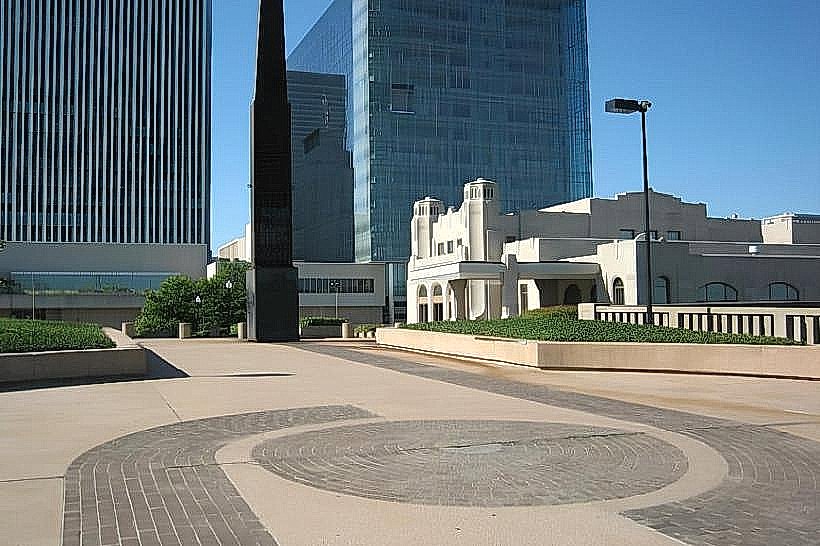
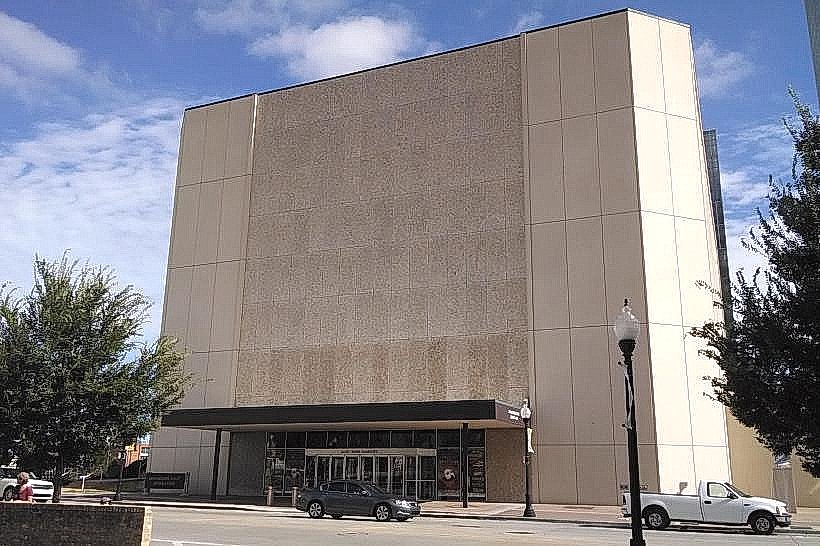
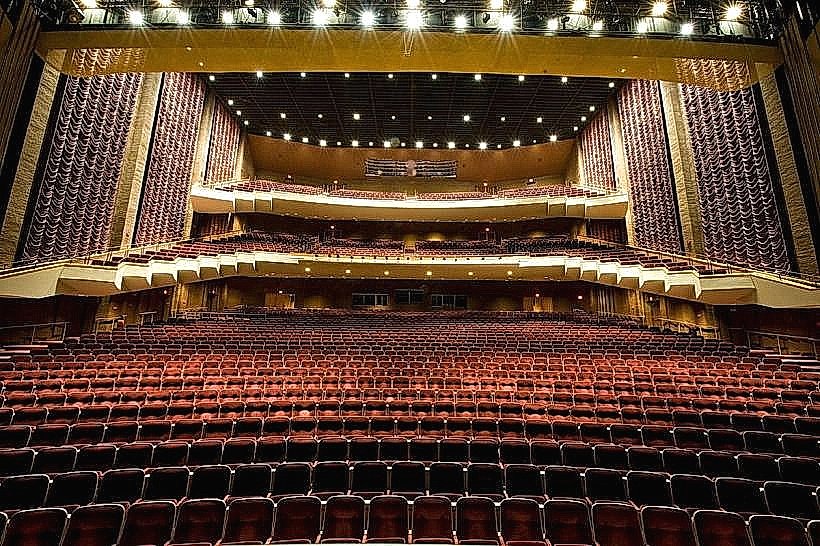
Tulsa Performing Arts Center (TPAC): The company’s main performance venue, especially for large-scale productions.
Hardesty Center for Dance Education: Opened in 2009 in south Tulsa, serving as a training school and rehearsal space.
Hardesty Center for Dance Education in Broken Arrow: Another state-of-the-art campus, emphasizing community access to dance.
These facilities allow the company not only to stage professional performances but also to train the next generation of dancers.
Education and Community Engagement
Tulsa Ballet Center for Dance Education trains hundreds of students annually, from beginners to pre-professional dancers, many of whom go on to join professional companies worldwide.
The company offers outreach programs that bring ballet into schools, community centers, and underserved neighborhoods, ensuring broad access to the art form.
Discounted performances and student matinees make ballet accessible to younger audiences.
Tulsa Ballet also organizes second company performances (Tulsa Ballet II), which provide emerging dancers with professional stage experience while expanding performance opportunities across Oklahoma.
National and International Recognition
Tulsa Ballet frequently tours internationally, performing in Europe, Asia, and the Americas, often to critical acclaim.
It has built a reputation as one of the most respected mid-sized ballet companies in the U.S., praised for technical excellence and adventurous programming.
Major publications and critics often note the company’s ability to rival ballet troupes from much larger cities.
Cultural Significance
Tulsa Ballet has become a symbol of Tulsa’s cultural ambition, showing that world-class artistry can thrive outside traditional arts capitals.
It has helped shape the city’s identity as a center for the arts, complementing other institutions like the Tulsa Opera and Tulsa Symphony.
For local audiences, it provides a chance to experience global-level ballet in their own community, while for dancers it offers a professional home that balances tradition and innovation.
Visitor Experience
Performances at the TPAC are known for their high production value, elegant staging, and intimate atmosphere compared to larger metropolitan opera houses.
Seasonal programming ensures a mix of beloved classics and bold contemporary premieres, so audiences can expect variety throughout the year.
For visitors to Tulsa, attending a Tulsa Ballet performance offers both artistic excellence and a glimpse into the city’s thriving cultural scene.
Tulsa Ballet stands as both a guardian of classical tradition and a driving force for contemporary creativity. With its rich history, international tours, acclaimed leadership, and dedication to education, it embodies the resilience and cultural vitality that define Tulsa’s artistic life.