Information
Landmark: Rakiraki Hot SpringsCity: Viti Levu
Country: Fiji
Continent: Australia
Rakiraki Hot Springs, Viti Levu, Fiji, Australia
The Rakiraki Hot Springs, also known as the Nakauvadra Hot Springs, are geothermal pools located near the town of Rakiraki in the Ra Province on the northern coast of Viti Levu, Fiji. The site consists of several natural thermal vents situated within a rural landscape at the base of the Nakauvadra Mountain Range.
Visual Characteristics
The springs manifest as small, bubbling pools of mineral-rich water emerging from the volcanic soil. The water is typically clear with a slight sulfuric odor, and the surrounding ground is often stained with yellow and orange mineral deposits. Vegetation in the immediate vicinity includes tall tropical grasses and clusters of bamboo, while the pools themselves are contained within rudimentary concrete or stone enclosures to manage water depth.
Location & Access Logistics
The springs are located approximately 4 kilometers southeast of Rakiraki Town. Access is via the Kings Road, followed by a secondary gravel track leading toward the interior foothills. Local bus services running between Rakiraki and Vaileka pass near the access point, but the final 1.5 kilometers usually requires a private 4x4 vehicle or a walk on foot. There is no formal paved parking area; vehicles typically park on the grass verge near the entrance path.
Historical & Ecological Origin
The geothermal activity is a result of the waning volcanic heat from the extinct Tavua and Nakauvadra volcanic systems, which were active during the Pliocene epoch. Subsurface water is heated by magma remnants and forced to the surface through faults in the basaltic bedrock. Historically, the springs have been used by the indigenous Ra people for medicinal purposes and as a communal cooking and washing site for centuries.
Key Highlights & Activities
Visitors can engage in thermal bathing in the designated pools, which vary in temperature from 35°C to over 50°C. The site is a starting point for shorter treks into the lower Nakauvadra hills. Local residents frequently use the hottest vents for boiling root crops like dalo (taro) or yams, a practice visitors can observe during the day.
Infrastructure & Amenities
Infrastructure is extremely basic and lacks commercial development. There are no built restrooms, changing rooms, or lockers on-site. Shade is limited to the natural canopy of nearby trees. Cell phone signal is generally available via 4G networks due to the proximity to Rakiraki Town, but there are no food or water vendors at the springs; all supplies must be purchased in town prior to arrival.
Best Time to Visit
The best time to visit is during the cooler months of June through August, particularly in the early morning (07:00–09:00) when the ambient air temperature is low enough to make the hot water comfortable. During the rainy season (November–April), the access track can become muddy and the springs may be diluted by cold surface runoff, reducing their temperature.
Facts & Legends
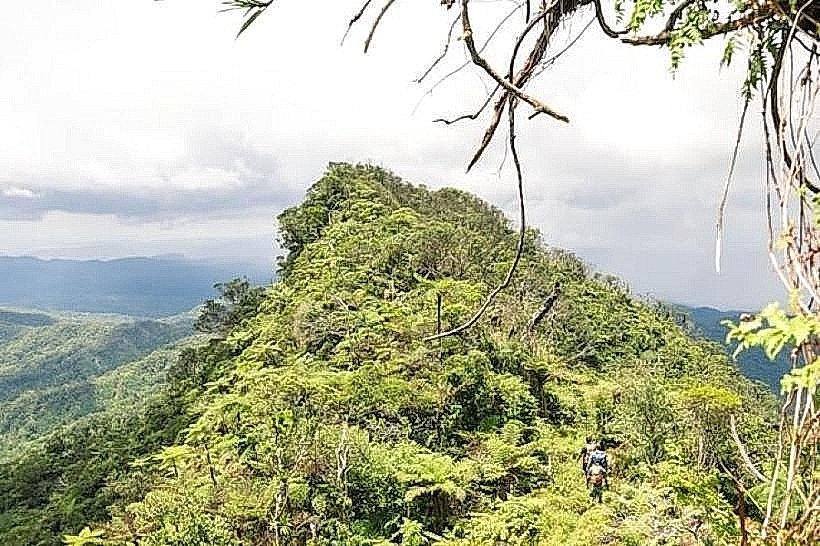
The Nakauvadra Mountains, which tower over the springs, are considered the spiritual home of the Fijian deity Degei, the creator god who takes the form of a serpent. Local legend holds that the heat of the springs comes from Degei’s breath as he stirs within the mountain caves.
Nearby Landmarks
Rakiraki Town - 4.2km Northwest
Vaileka Market - 3.8km Northwest
Tomb of Udre Udre - 2.5km West
Ellington Wharf - 4.9km Northeast
Volivoli Point - 5.0km North