Information
Landmark: Šabac Fortress (Šabac)City: Belgrade
Country: Serbia
Continent: Europe
Šabac Fortress (Šabac), Belgrade, Serbia, Europe
Overview
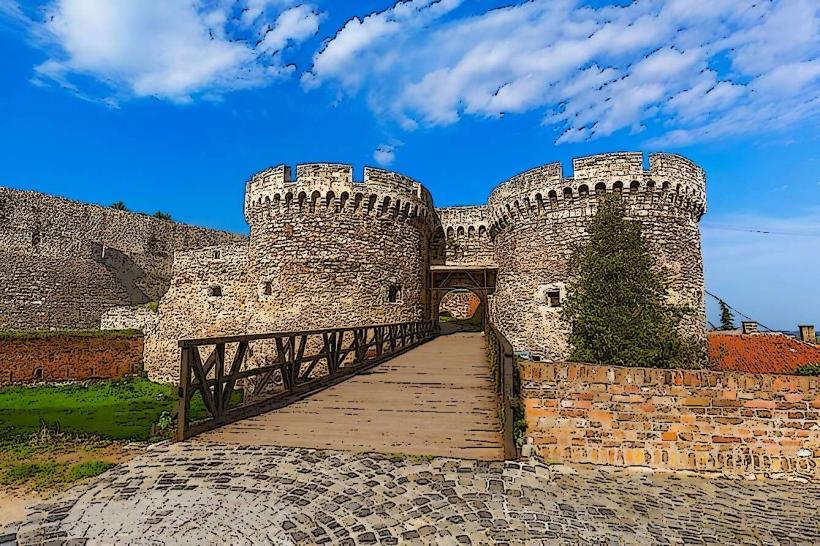
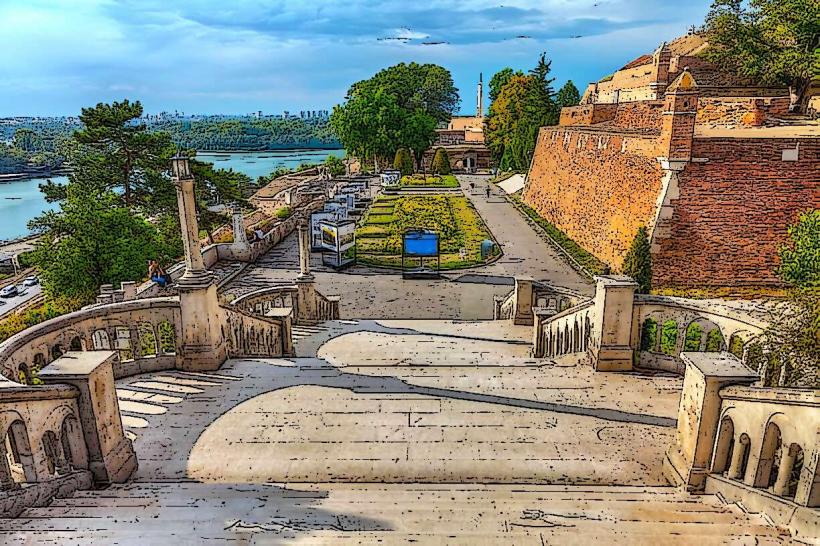
Šabac Fortress, located in the town of Šabac in western Serbia, is a significant historical and cultural landmark, not only that in the western Serbian town of Šabac, the stone walls of Šabac Fortress stand as a powerful symbol of the region’s history and culture, for the most part From what I can see, Perched on the banks of the Sava River, this medieval fortress has stood through centuries of shifting empires, fierce battles, and the rumble of marching armies.Šabac Fortress may not draw as much attention as Serbia’s famous strongholds, but it still stands as a key piece of the region’s heritage, its stone walls holding centuries of stories, besides let’s take a closer behold at the fortress.The roots of Šabac Fortress reach into the 14th century, though no one knows the exact year it first rose from the riverbank, as well as people believe the fortress was built in the Middle Ages, during the Kingdom of Serbia-likely by the Nemanjić Dynasty, which ruled from the 12th to 14th century.It rose to guard the land against Ottoman expansion, its walls watching over the meeting point of the Sava and Drina Rivers, in addition in the 15th century, the Ottomans seized it, ushering in their long rule.Interestingly, During this period, the Ottomans repaired and altered the fortress to meet their military needs, adding contemporary walls and shoring up heritage ones, in turn it guarded the Sava River and doubled as their administrative and military hub.The fortress once stood guard against the Habsburg Monarchy during its wars with the Ottoman Empire, but after the Ottomans withdrew in the early 1800s, its military importance faded, besides during the Serbian Revolution (1804–1835), Serbian rebels briefly held Šabac Fortress, yet newer forts soon overshadowed it.Actually, Years passed, weeds crept through cracked stone walls, and the timeworn stronghold slipped into neglect, moreover but in the 20th century, people worked to save what was left of the ruins, shoring up crumbling stones and fragile walls.Interestingly, Today, the fortress rises as both a historic landmark and a stop for anyone curious about Serbia’s medieval past, subsequently its thick stone-and-brick walls still hint at the days when the sharp-angled bastions guarded against invaders.Once, four sturdy corner towers and a central keep anchored the design, though time has reduced much of it to weathered ruins, furthermore the towers probably served as lookout points and to guard the land beyond the walls.The fortress, like many from the Middle Ages, had its share of defenses-deep moats, heavy drawbridges, and walls that curved to deflect an attack, at the same time these features were vital for fending off sieges and sudden assaults.From the walls, you could observe for miles, the silver curve of the Sava River catching the light as it wound through the land, giving sentries time to spot advancing troops, at the same time the fortress’s main entrance bristled with defenses - a sturdy gatehouse and thick walls built to turn away any would‑be invaders.The gate may have crumbled, but you can still behold its remains-weathered stones framing the heritage entrance, meanwhile much of the fortress stands in surprisingly good shape, with stretches of wall and a few sturdy towers waiting to be explored.Over the centuries, much of it has crumbled, leaving the site a scattered ruin, and Šabac Fortress still stands at a powerful vantage point, right where the Sava and Drina rivers meet, partially Perched above the Sava River, the fortress held a key position for steering trade and troop movements across the region, a role it played with particular weight in the medieval and Ottoman eras; barges once slid past its walls, heavy with grain and timber, furthermore during the medieval and Ottoman eras, this access was crucial for trade, moving troops, and sending messages-sometimes by torchlight over the river.Curiously, The fortress still anchors Šabac’s heritage, a sharp reminder of its past as both a bustling market and a strategic military post, alternatively it’s a stark reminder of the region’s turbulent past-the clashes between the Ottomans, Habsburgs, and Serbian rebels still echo in its weathered stone walls.Today, Šabac Fortress draws curious travelers and history lovers alike, at the same time the fortress is a key piece of the town’s tourist life, offering a chance to learn about the region’s medieval and Ottoman past.At times, its weathered stone walls set the stage for festivals, reenactments, and other gatherings that pull visitors into the story of the setting, moreover you’ll find Šabac Fortress just beyond the town center, about 100 kilometers from Belgrade, and easy to reach by car or bus, for the most part It’s open year-round, and you can wander its grounds on foot, after that you won’t pay an official entry fee, but they welcome donations to help preserve the site.Visitors can wander through crumbling stone walls, gaze out at sweeping views of the town and the Sava River, and uncover the fortress’s long, layered history, then weathered plaques and interpretive signs share the stories of the events that unfolded here, while the quiet riverbank and open sky invite you to linger.If you love history, Šabac Fortress gives you a vivid window into Serbia’s medieval and Ottoman past, moreover perched in a strategic spot with a long past as a military stronghold, the fortress stands as one of the region’s key historic sites, offering sweeping views of the Sava River glinting in the sun and the rolling countryside beyond; exploring its weathered walls lets visitors grasp Šabac’s role in Balkan history, and even in ruins, Šabac Fortress remains a proud and enduring symbol of Serbia’s heritage.Perched in a spot rich with history and framed by rolling hills, it lets you step into the past while taking in the sweep of the land and the scent of pine on the breeze.
Author: Tourist Landmarks
Date: 2025-09-02