Information
Landmark: St. Luke's ChurchCity: Kotor
Country: Montenegro
Continent: Europe
St. Luke's Church, Kotor, Montenegro, Europe
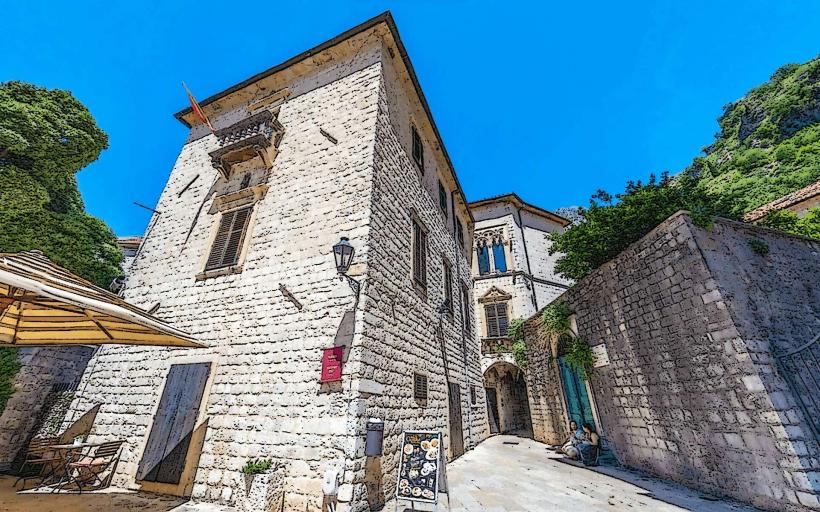
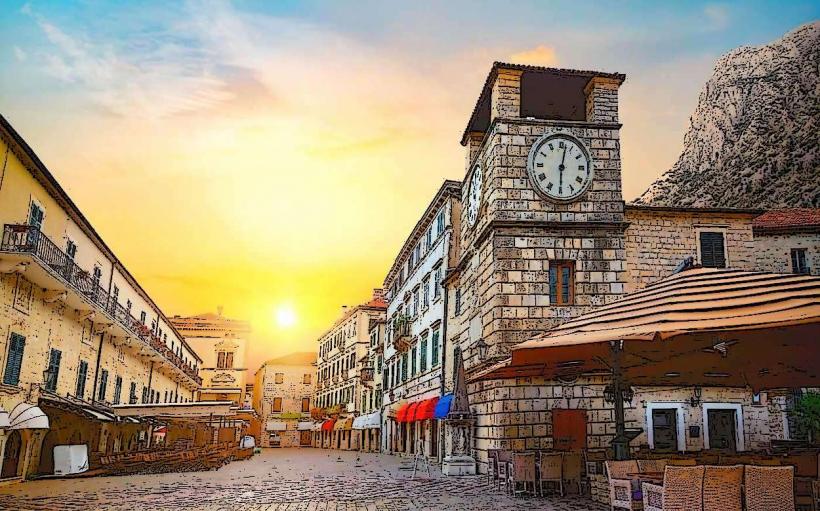
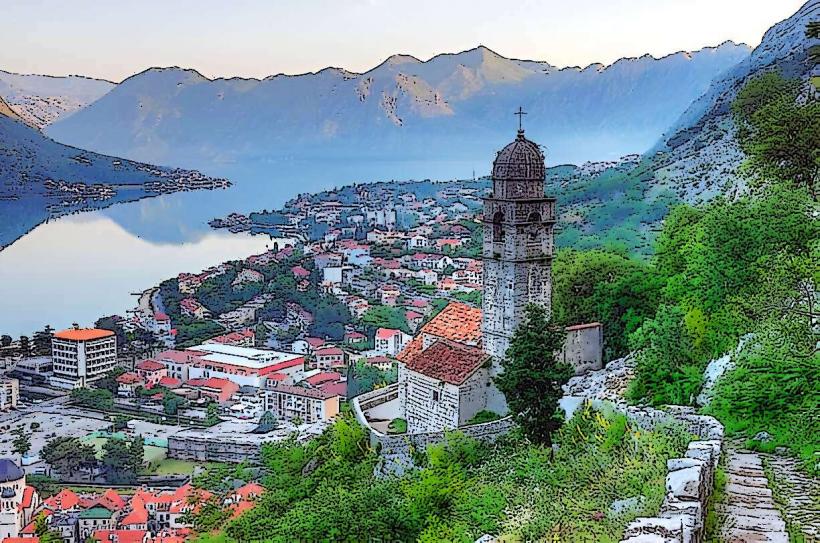
St. Luke's Church (Crkva Sv. Luke) is one of the most important historical landmarks in Kotor, Montenegro, and is located in the heart of the city’s Old Town. The church is notable for its rich architectural history, its ecumenical character, and its role in the spiritual and cultural life of Kotor.
Historical Background
St. Luke's Church was originally built in the early 12th century, making it one of the oldest churches in Kotor. It was established during a time when the Benedictine monks were active in the region. The church’s exact founding date is not definitively known, but its architectural features suggest it was constructed in the Romanesque style, which was prevalent during the medieval period.
The church has undergone several modifications over the centuries, including expansions and renovations, which have contributed to its current appearance. It has also been a site of religious significance for both Catholics and Orthodox Christians, reflecting Kotor’s long-standing history of religious and cultural pluralism.
Ecumenical Nature
One of the most interesting aspects of St. Luke’s Church is its dual Christian heritage. The church has served both as a Catholic and an Orthodox place of worship at different points in history. This dual use is a reflection of Kotor's diverse population, which includes both Catholic and Orthodox Christians.
Today, the church remains under the administration of the Roman Catholic Church, but its historical association with Orthodox Christianity is still visible, especially in its architecture and some of its interior features.
Architectural Features
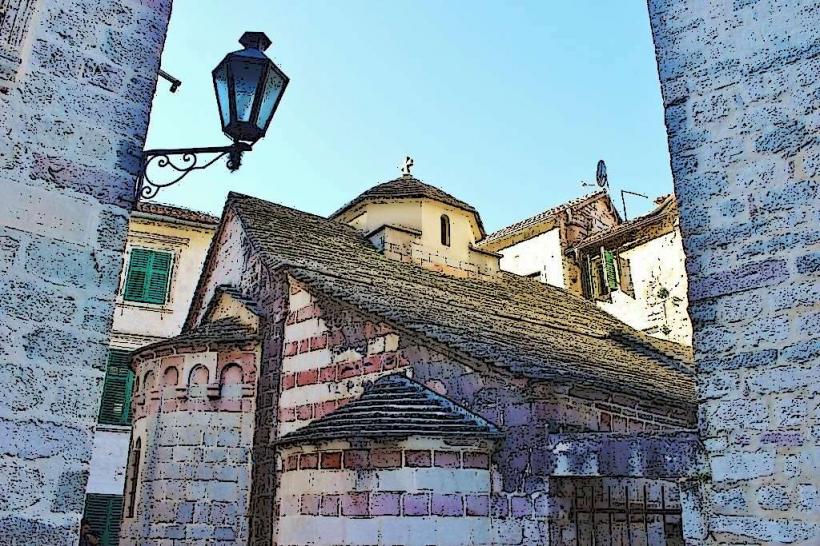
St. Luke's Church has a distinctive Romanesque design, with elements that show influences from both Byzantine and Venetian architecture, as well as later Baroque modifications. The church’s architecture blends simplicity and elegance, making it a charming example of medieval sacred architecture.
1. Exterior
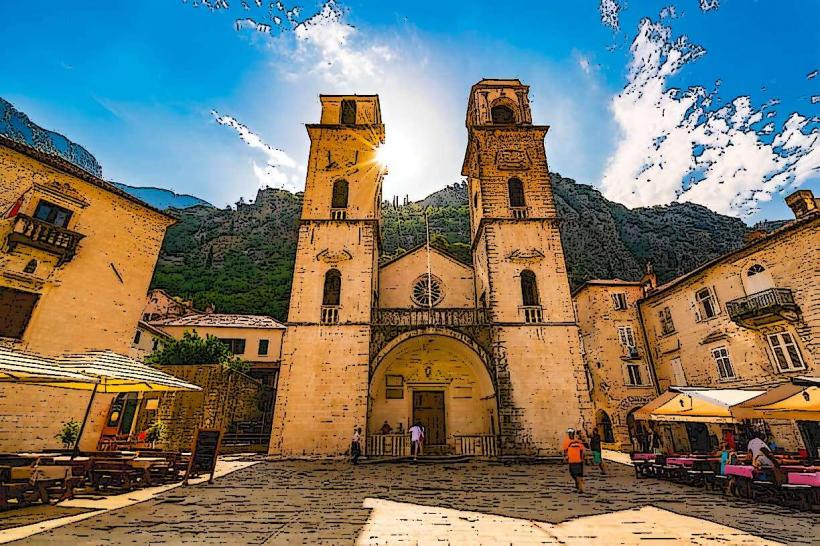
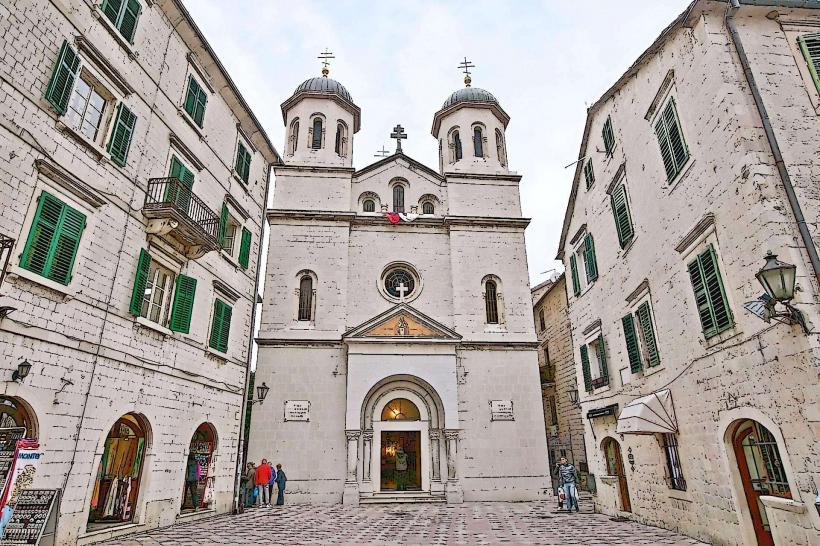
The church is built from local stone and features rounded arches typical of Romanesque design. Its simple façade is punctuated by a modest entrance and a bell tower that stands above the church.
The exterior is adorned with carved details, including inscriptions and reliefs that give insight into the artistic style of the period. The bell tower is a prominent feature of the church, and it was traditionally used to call the faithful to services.
2. Interior
Inside, St. Luke's Church has a basic yet elegant design. The nave is relatively small compared to larger cathedrals, which enhances the intimate atmosphere of the space. The walls are decorated with frescoes, some of which date back to the 12th and 13th centuries, offering a glimpse into medieval religious art.
The church's altar is adorned with religious icons and paintings, and the interior features wooden elements that reflect the craftsmanship of the period. The iconostasis, which separates the altar from the congregation, is a feature common in Orthodox churches but adapted to suit the church’s Catholic tradition.
3. Historical Alterations
- Over time, the church has undergone several renovations and alterations, especially after the Ottoman and Venetian periods. For example, in the 17th century, the church underwent a Baroque restoration that added some of the decorative elements seen in the church today, including its wooden ceiling.
Cultural and Religious Significance
St. Luke's Church has long been a center of religious life in Kotor. It represents the historical convergence of Christian traditions in the region, which has made it an important place for both local residents and visitors interested in the cultural and religious history of Montenegro.
The church is one of the few in Kotor that has survived relatively unchanged over the centuries, maintaining its original spiritual character despite the many political and religious shifts in the region.
The church was originally used for Catholic services but was later used by the Orthodox Christian community after the Ottoman conquest of Kotor in the 15th century. It was only in the late 19th century that it became exclusively a Catholic church once more.
In addition to its religious role, the church is also an important cultural landmark in Kotor. The building’s long history and its role as a place of worship for different Christian communities reflect the town’s diverse religious heritage.
Modern-Day Role
Today, St. Luke's Church remains an active place of worship and a popular tourist attraction in the Old Town of Kotor. It offers visitors a chance to experience both the religious and cultural history of the region, as well as the peaceful atmosphere of a historic church.
1. Religious Services
- The church still holds regular Catholic Masses and religious events, especially on important liturgical occasions like Christmas and Easter. During these times, the church is filled with both local worshippers and visitors who come to experience the sacred atmosphere.
2. Cultural Importance
- St. Luke’s Church is part of the UNESCO World Heritage Site designation for Kotor's Old Town. As such, it is preserved as part of the city’s rich cultural heritage. Visitors come to admire the frescoes, the iconography, and the church’s architecture, all of which tell the story of Kotor’s long history as a crossroads of cultures and religions.
3. Visitor Experience
The church is open to visitors, although it is important to note that it remains a place of worship, so visitors should be respectful when entering. The church is often quiet and serene, offering a peaceful respite from the bustling streets of Kotor’s Old Town.
Tours of St. Luke’s Church are available, and many visitors also take the opportunity to explore the surrounding areas, which are rich in other historical landmarks, including the nearby Karampana Fountain and St. Nicholas Church.
Practical Information
Location: St. Luke’s Church is located in the Old Town of Kotor, Montenegro, near Trg Sv. Luke (St. Luke’s Square).
Opening Hours: The church is open to visitors most days, but service hours may vary, especially on Sundays and religious holidays. It is recommended to check the schedule if you wish to attend Mass or participate in religious services.
Entrance Fees: There is generally no fee to enter the church, but donations are appreciated for its upkeep and restoration.
Best Time to Visit: The church is relatively quiet, but the best time to visit is either early in the morning or later in the afternoon when the crowds are fewer.
Conclusion
St. Luke's Church is a historic treasure in the Old Town of Kotor, offering visitors a glimpse into the city’s medieval religious history. Its blend of Romanesque and Baroque architectural styles, combined with its long-standing role as a place of worship for both Catholic and Orthodox Christians, makes it a unique and significant landmark. Whether for its historical importance, its spiritual atmosphere, or its architectural beauty, St. Luke's Church remains a central part of Kotor's cultural heritage.