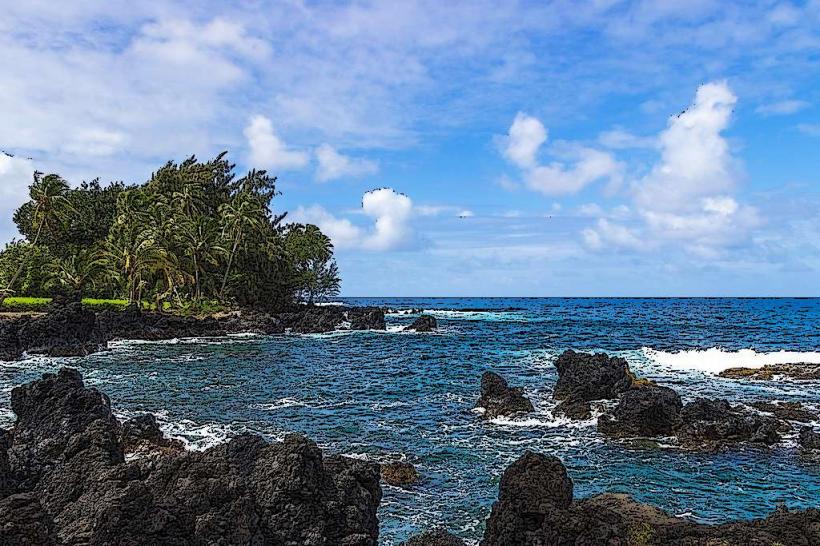
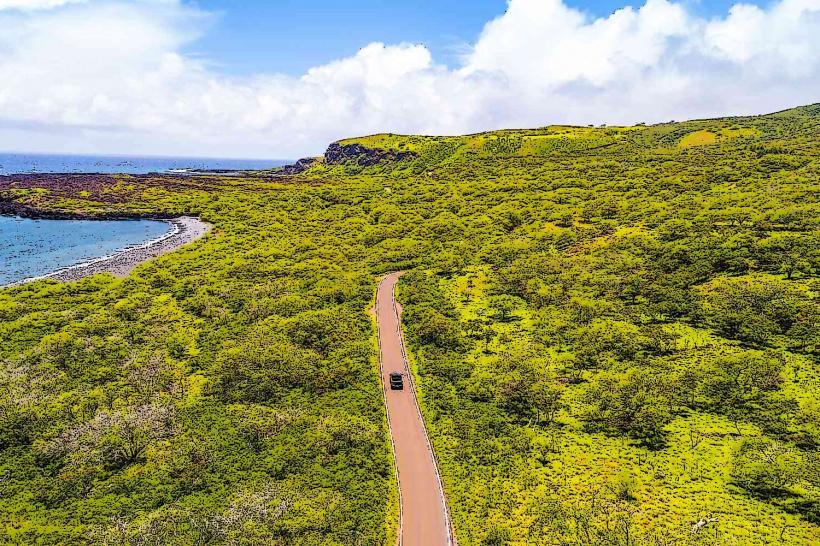
Information
Landmark: Wailua Valley State Wayside ParkCity: Maui
Country: USA Hawaii
Continent: North America
Wailua Valley State Wayside Park, Maui, USA Hawaii, North America
The Rabaul Volcano Observatory is a scientific research facility situated in Rabaul, East New Britain Province, Papua New Guinea. It monitors volcanic activity in the region.
Visual Characteristics
The observatory building is a low-profile, concrete structure designed to withstand seismic activity. Its exterior is painted a neutral, light grey. The facility includes several smaller outbuildings for equipment and housing. The surrounding landscape is characterized by dense tropical vegetation, with the prominent Tavurvur and Vulcan volcanoes visible in the distance.
Location & Access Logistics
The observatory is located approximately 3 kilometers west of the Rabaul town center. Access is via the Rabaul-Kokopo Highway. Turn off onto the observatory access road, which is unpaved but generally passable for 2WD vehicles in dry conditions. Parking is available on-site. There are no direct public transport routes to the observatory; local taxis or private hire vehicles are the primary means of access from Rabaul town.
Historical & Ecological Origin
Established in 1957, the Rabaul Volcano Observatory was initially part of the Department of Geological Surveys of Papua New Guinea. Its primary purpose was to monitor the frequent and often destructive volcanic activity of the Rabaul caldera, which includes the volcanoes Tavurvur and Vulcan. The observatory itself was rebuilt and re-equipped following the devastating eruption of 1994.
Key Highlights & Activities
Visitors can observe the monitoring equipment from designated viewing areas. Informational displays detail the history of volcanic activity in the Rabaul caldera and the science behind volcano monitoring. Guided tours explaining the observatory's function are sometimes available, subject to staff availability and current seismic alert levels. Observation of the surrounding volcanic landscape is a primary activity.
Infrastructure & Amenities
Restrooms are available for visitors. Limited shade is provided by the building's overhang and nearby trees. Cell phone signal (2G/3G) is generally available, though can be intermittent. There are no food vendors on-site; visitors should bring their own provisions. Basic accommodation for visiting scientists is present but not available to the public.
Best Time to Visit
The best time of day for viewing the surrounding volcanoes is typically mid-morning or late afternoon when the sun angle provides clearer definition of the terrain. The dry season, from June to September, offers the most reliable weather conditions with less rainfall. Volcanic activity levels can influence access; visitors should check current alert status before planning a visit.
Facts & Legends
The Rabaul caldera is one of the world's most active volcanic systems. A unique aspect of the observatory's work involves the deployment and maintenance of seismometers and GPS stations directly on the volatile volcanic cones, a task requiring specialized training and equipment.
Nearby Landmarks
- 0.5km East: Rabaul Town Center
- 1.5km Northeast: Vulcan Volcano
- 2.0km Southeast: Tavurvur Volcano
- 4.0km South: Simpson Harbour
- 4.5km Southwest: Malaguna Beach