Information
Landmark: Water TowerCity: Osijek
Country: Croatia
Continent: Europe
Water Tower, Osijek, Croatia, Europe
Overview
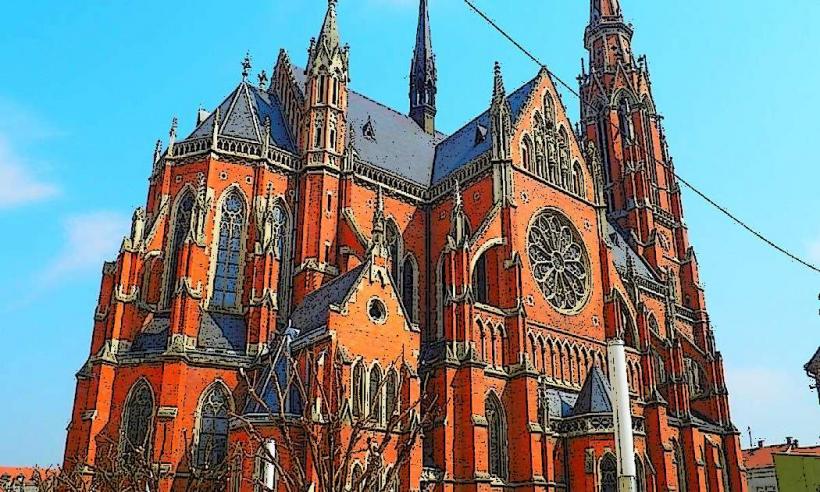
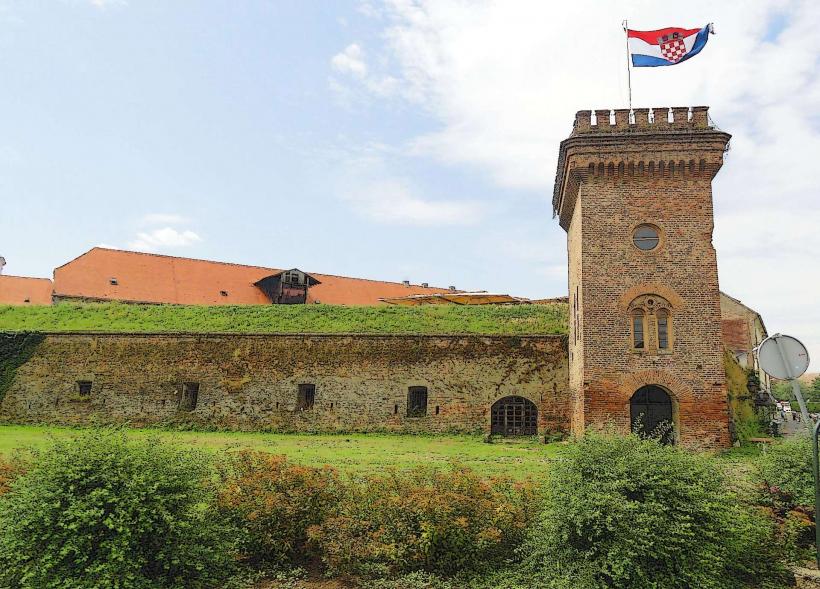
In Osijek, Croatia, the Water Tower (Vodotoranj) stands tall as one of the city’s most iconic historic landmarks, a destination that once stored thousands of liters of water and still carries deep symbolic meaning, and just a short roam from the timeworn city center, this 19th-century tower stands as a proud reminder of the city’s growth under Austro-Hungarian rule, its weathered stone catching the afternoon light.History and Construction: In 1888, the Water Tower rose from the ground as part of a push to modernize Osijek’s infrastructure, especially its water supply, bringing clean water to the city through newly laid iron pipes, what’s more the Austro-Hungarian Empire commissioned the project, seeing how vital reliable public utilities had become for a growing city.The tower rose to hold a massive water tank, ready to store and send fresh water through pipes to the people nearby, after that when it was built, Osijek was in the middle of a transformation, growing from a modest market town into a modern city, and the Water Tower stood at the heart of that change.Its design shows the late 19th-century taste for mixing practical engineering with ornate touches, on top of that today, the neo-Gothic tower still catches the eye with its pointed arches, carved stone details, and a slender spire that lifts high above the rooftops, in a sense Rising high above Osijek, the tower’s striking design makes it instantly recognizable, alternatively built from warm brick and cool stone, its facade is adorned with pointed-arch windows and crowned with sharp, gothic-style pinnacles.The tower has a hint of a castle about it, making it easy to spot against the city skyline, after that at its peak, a broad dome-once holding the water tank-still catches the light.The tower’s design captures the era’s blend of practicality and beauty-more than just a water supply, it stood as a proud emblem of modern progress, its brickwork catching the sun, subsequently at its core, the Water Tower’s job was simple: deliver a steady flow of clean water to Osijek’s growing population.Pumps pushed water into the tank high atop the tower, and from there gravity sent it rushing through a web of pipes into homes and shops across the city, not only that the tower was a key piece of the late 19th-century water system, a breakthrough that brought cleaner water, better health, and a safer life to its residents, occasionally Back then, clean, dependable water was a huge step forward, especially in Europe’s crowded cities, while in its early days, the Water Tower helped fight fires-a vital job when a single spark could race through packed streets.Though it no longer serves its original purpose, the tower still stands as a proud marker of Osijek’s industrial growth and urban history, on top of that today, it stands as a reminder of the city’s Austro-Hungarian–era growth, its brick walls still warm in the afternoon sun, and the Water Tower now draws curious visitors from near and far.In Osijek, visitors can take in the tower’s striking architecture, run a hand over its weathered stone, and uncover the city’s past woven into its walls, to boot guided tours of Osijek’s historic sites often include the Water Tower, a landmark whose brick walls have been carefully restored to keep its historic-world charm.The tank at the top no longer holds water, but the building still stands proud for its cultural and historical value, besides visitors can view it up close, though stepping inside isn’t always an option.In a way, From the street, visitors can take in the Water Tower’s weathered brickwork and wide city views, the skyline stretching toward the Drava River, in conjunction with just a short stroll from the city center, it’s an easy stop between exploring Tvrđa, strolling the river promenade, or crossing the Franjo Tuđman Bridge, for the most part Beyond its history, the tower sometimes hosts local events and art shows, keeping it woven into Osijek’s cultural life, simultaneously it stands as a symbol of the city’s growth and its enduring architectural heritage, slightly Rising from the city skyline since the late 1800s, the tower-built to modernize Osijek’s water supply-still catches the eye with its sharp neo-Gothic lines and stands as a lasting emblem of the city’s history, while the antique water tower may be dry now, but it still draws people who come to reflect on the past and connect with local culture, catching a rare glimpse of the city’s smokestack-filled industrial days.
Author: Tourist Landmarks
Date: 2025-08-30