Information
Landmark: Zanzibar Butterfly CentreCity: Zanzibar
Country: Tanzania
Continent: Africa
Zanzibar Butterfly Centre, Zanzibar, Tanzania, Africa
Overview
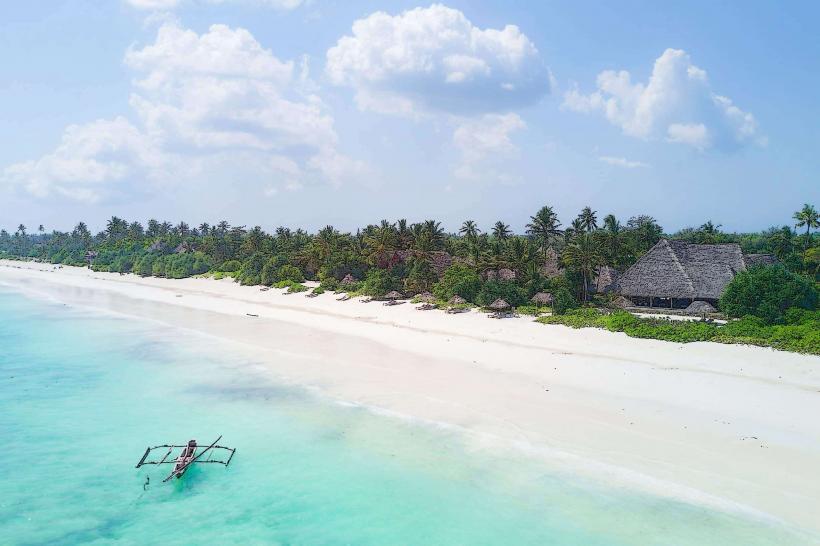
The Zanzibar Butterfly Centre, tucked away on the island of Zanzibar in Tanzania, is a lively conservation project where luminous wings flicker in the warm air, as a result in Nungwi, at the island’s northern tip, this center doubles as a conservation project and a venue where visitors can learn, all while working to protect Zanzibar’s vivid butterfly species and encourage sustainable tourism.I think, The Zanzibar Butterfly Centre (ZBC) in Nungwi, on Zanzibar Island, Tanzania, is a conservation hub, butterfly farm, and popular visitor spot, open daily from 7 a.m, as a result to 5 p.m.; the compact entry fee helps fund its conservation work.Fees change with the season and the tour you choose, after that you can drop by any time of year, though the air hums with the most butterfly activity in the warm months.The Zanzibar Butterfly Centre helps protect the island’s endangered species while supporting sustainable work for local families, as a result the center works to protect the butterflies’ natural habitat while also encouraging eco-friendly tourism that brings money into the community-like guiding visitors along shaded forest trails.One, meanwhile butterfly Conservation - the Zanzibar Butterfly Centre opened to protect the island’s endangered butterflies, especially the vivid Zanzibar red banana charaxes with its deep crimson wings.This butterfly lives only in Zanzibar, nowhere else on Earth, besides at the center, staff focus on restoring habitats and shielding local ecosystems from deforestation and other threats, creating a space where butterflies can flourish.They also work hand in hand with farmers and neighbors in the Nungwi region, also the center buys butterfly pupae from local farmers who grow the leafy plants caterpillars feed on, building a steady, sustainable market for the community, in some ways This partnership gives farmers extra income and lessens their need to clear forests or rely on harmful farming methods, furthermore to promote eco-tourism, the center offers guided walks where visitors can watch butterflies emerge from their chrysalises, learn about their life cycle, and understand why biodiversity matters.Money from entrance tickets, tours, and butterfly-themed products goes back into conservation work and helps support local families, alternatively at the Zanzibar Butterfly Centre, the real showstopper is the butterfly enclosure-a lush tropical garden where radiant flowers sway in warm air, drawing in a kaleidoscope of local and rare butterflies.Just so you know, You can stroll through the enclosure, watching butterflies at every stage of life-from tiny eggs clinging to leaves, to plump caterpillars, to delicate chrysalises, and finally, to vibrant adults drifting among the flowers, not only that the garden mirrors a wild habitat, so they flit freely around lush plants and vivid blooms, roughly Guided tours offer a closer inspect, with stories about local species like the Zanzibar red banana butterfly and the striking Zanzibar swallowtail, equally important guides hike you through a butterfly’s life cycle, why each stage matters, and how the center breeds and protects these delicate wings.From what I can see, The tour blends fascinating facts with hard truths-like vanishing forests and shifting weather that threaten Zanzibar’s butterflies, at the same time at the butterfly farm, you’ll behold how local farmers raise caterpillars in mesh enclosures, helping sustain the center’s work.The center buys butterfly pupae from farmers who raise caterpillars until they’re ready to emerge, then sell them, furthermore visitors can discover step-by-step how this work protects the environment by encouraging butterfly-friendly plants and cutting back on harmful farming methods.There’s also a tiny gift shop stocked with colorful souvenirs, delicate artwork, and handmade crafts from local artisans, subsequently sales from the shop fund conservation projects and give back to the local community, from planting native trees to repairing the school’s faded blue benches.The Zanzibar Butterfly Centre plays a vital role in protecting rare butterflies, especially the delicate species found only on the island, their wings flashing like bits of sunlight in the garden air, in turn take the Zanzibar red banana butterfly-it’s losing ground as its forest home disappears, but the center helps keep it alive through a careful breeding program, pairing fragile wings in shaded enclosures.At the same time, the center works with local farmers to build sustainable livelihoods that steer them away from practices that harm the land, in conjunction with when farmers plant flowers and shrubs that attract butterflies, they not only secure a steady income but also help protect the island’s fragile ecosystem; at the same time, the center teaches local communities why safeguarding biodiversity matters for the future, and it gives visitors a chance to get their hands dirty while learning about conservation and sustainability.Visitors come away with a clear sense of why local ecosystems matter, how every species plays its part, and how even a minute conservation effort can ripple outward to help the planet, not only that just up the road in Nungwi, where the sand feels warm underfoot, you’ll find the Zanzibar Butterfly Centre-a favorite stop in northern Zanzibar.As far as I can tell, Nearby, you’ll find Nungwi Beach, where soft white sand warms under your feet, the water glows turquoise, and schools of luminous fish dart through the shallows, as a result perfect for swimming, snorkeling, or simply relaxing in the sun, the Mnarani Marine Turtle Conservation Pond works to protect endangered sea turtles, including tiny hatchlings no bigger than your palm.At Nungwi’s Zanzibar Butterfly Centre, open from 7 a.m, besides to 5 p.m, you can watch turtles at every stage of life, from tiny hatchlings to measured-moving adults, with a modest entry fee helping fund conservation work.Kendwa Beach offers golden sunsets and a hushed shoreline for quiet escapes, while Tumbatu Island-uninhabited and steeped in history-beckons for a day of exploration, besides prices change with the seasons.If you join a guided tour, you’ll step behind the scenes and hear how the center works to protect wildlife.
Author: Tourist Landmarks
Date: 2025-09-13