Information
City: Eastern RegionCountry: Singapore
Continent: Asia
Eastern Region, Singapore, Asia
The Eastern Region of Singapore is a primary residential and industrial zone, serving as the nation's global gateway via Changi Airport. It is characterized by a mix of high-density public housing, heritage enclaves, and extensive coastal recreation areas.
Historical Timeline
Historically, the East was a landscape of coconut plantations, marshlands, and Malay fishing villages (kampongs). Governance transitioned from British colonial rule to independent Singapore in 1965. The primary event shaping the current urban form was the 1966 East Coast Reclamation Scheme, which added over 1,500 hectares of land, followed by the 1981 opening of Changi Airport, transforming the region into a logistics and aviation powerhouse.
Demographics & Population
The total population of the Eastern Region is approximately 680,000 residents. The demographic is predominantly Chinese, with a significant Malay minority, particularly in the Geylang Serai and Tampines areas. The median age is approximately 41.5 years.
Urban Layout & Key Districts
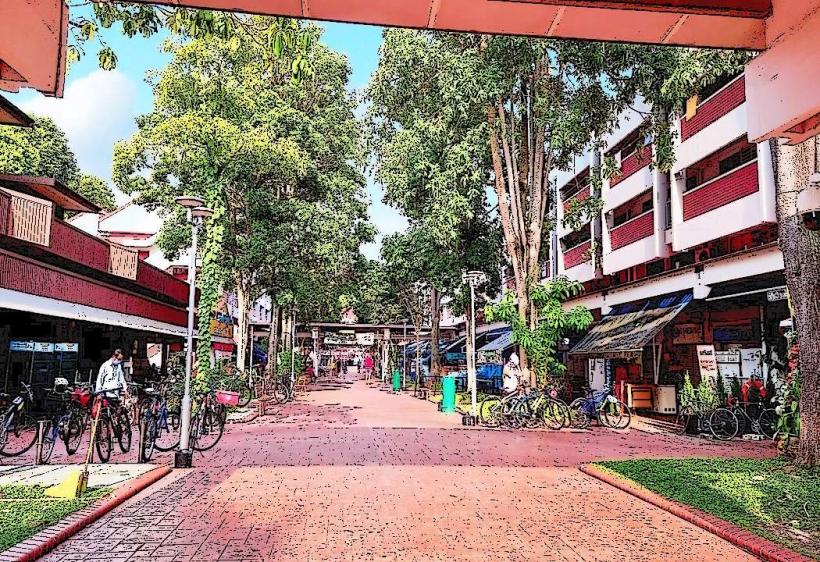
The region is organized into several major towns. The 2 most important districts are Tampines (the regional commercial center and first "Regional Centre," located Central-East) and Changi (the aviation and logistics hub, located at the Eastern Tip).
Top City Landmarks
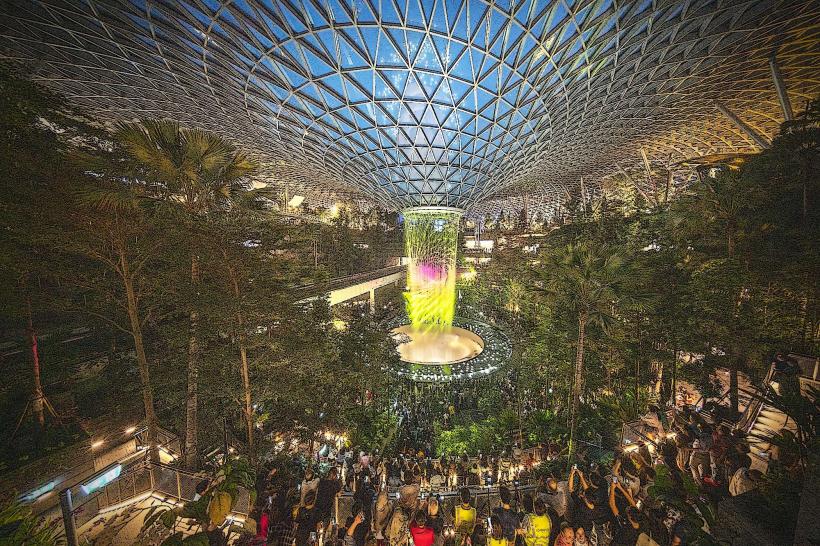
Jewel Changi Airport (Home to the HSBC Rain Vortex)
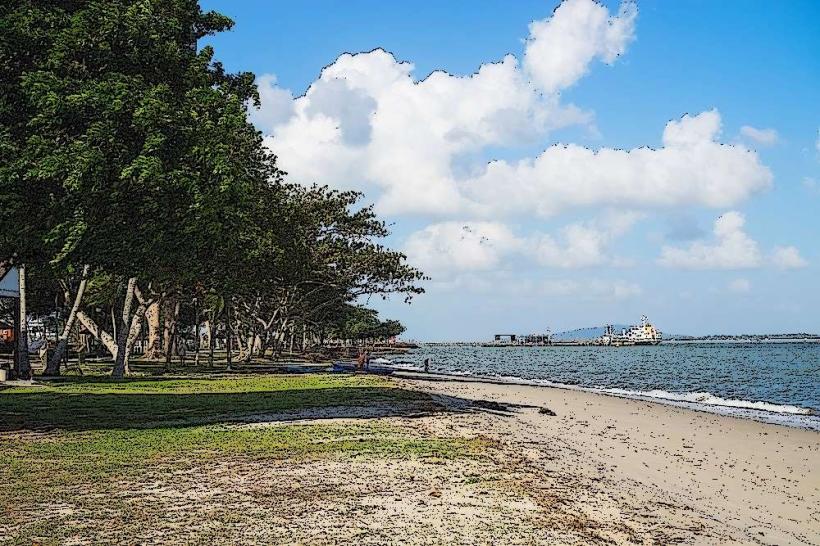
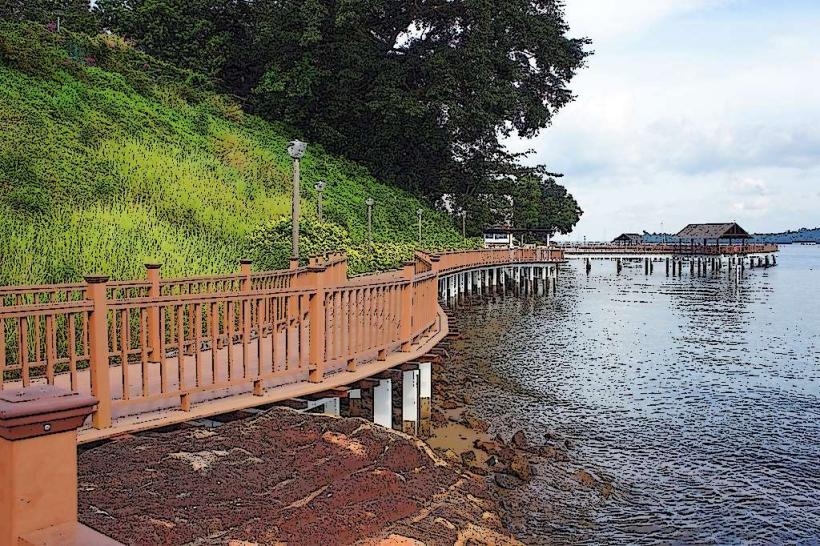
East Coast Park (15km coastal park)
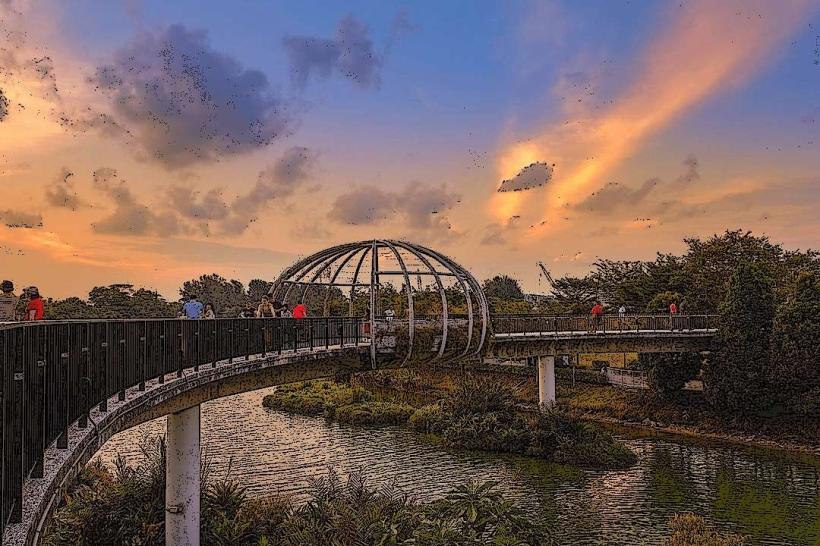
Changi Jurassic Mile
Our Tampines Hub (Singapore's largest integrated community and lifestyle hub)
Transportation Network
Movement is facilitated by the East-West (Green) and Downtown (Blue) MRT lines. The Cross Island Line is currently under construction. Public buses provide high-density coverage through the Tampines and Pasir Ris interchanges. There is no rail outside the MRT/LRT. Grab and Gojek are the dominant ride-hailing services. Traffic density is high along the Pan Island Expressway (PIE) and East Coast Parkway (ECP) during peak airport transit hours.
Safety & "Red Zones"
The general safety level is exceptionally high. There are no violent "red zones." The Geylang area (District 14) is a regulated red-light district where nightlife congestion and opportunistic petty crime are slightly higher than the national average. Common scams are primarily digital phishing or "rental" scams targeting newcomers.
Digital & Financial Infrastructure
Internet speeds average 300–500 Mbps with universal 5G. Main carriers are Singtel, StarHub, and M1. Card acceptance and QR-based payments (SGQR, PayNow) are universal in malls and most hawker centers. ATMs are high-density in all MRT stations and HDB town centers.
Climate & Air Quality
The climate is tropical, with temperatures between 25°C and 32°C. Air quality is high, benefiting from sea breezes, though it is subject to regional "Haze" (June–October). The primary weather risk is flash flooding during the Northeast Monsoon (November–January), particularly in low-lying areas of Bedok and Opera Estate.
Culture & Social Norms
Tipping is not standard. Social discipline regarding cleanliness and public order is strictly enforced. The East is the heart of Peranakan (Straits Chinese) culture, most visible in the architecture and cuisine of the Katong and Joo Chiat areas. Dress code is casual; modest attire is expected in mosques and temples.
Accommodation Zones
Katong / Joo Chiat: Stay here for boutique heritage hotels and a high density of local food culture.
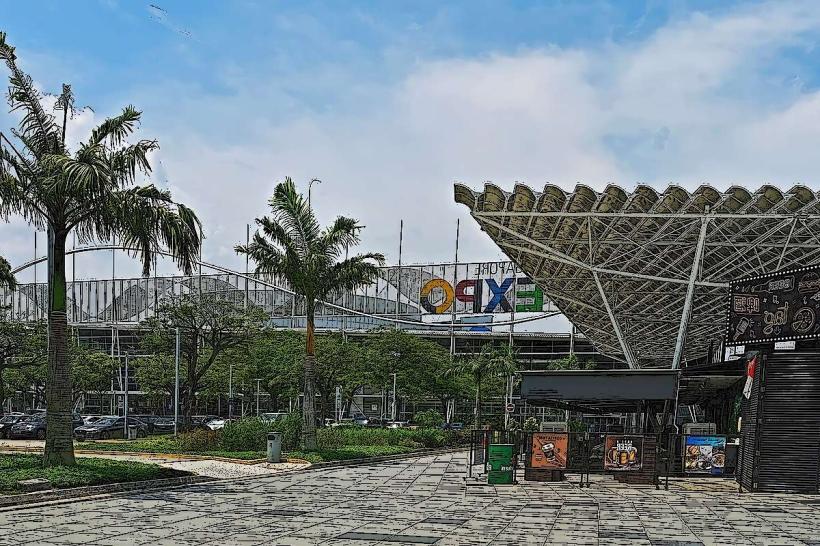
Changi / Pasir Ris: Stay here for proximity to the airport, convention centers (EXPO), and coastal resorts.
Local Cost Index
1 Espresso: 6.00 SGD ($4.45 USD)
1 Standard Lunch (Laksa in Katong): 7.50 SGD ($5.60 USD)
1 MRT Trip (Regional): 1.50 SGD ($1.10 USD)
Nearby Day Trips
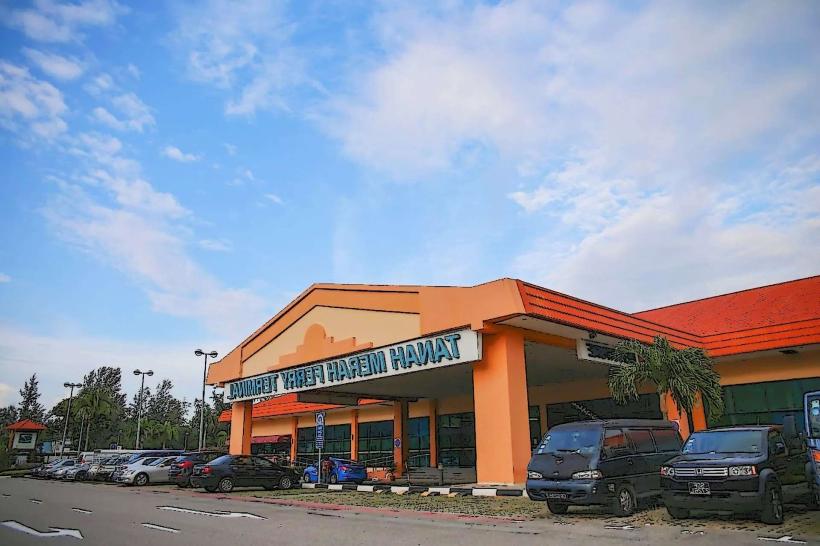
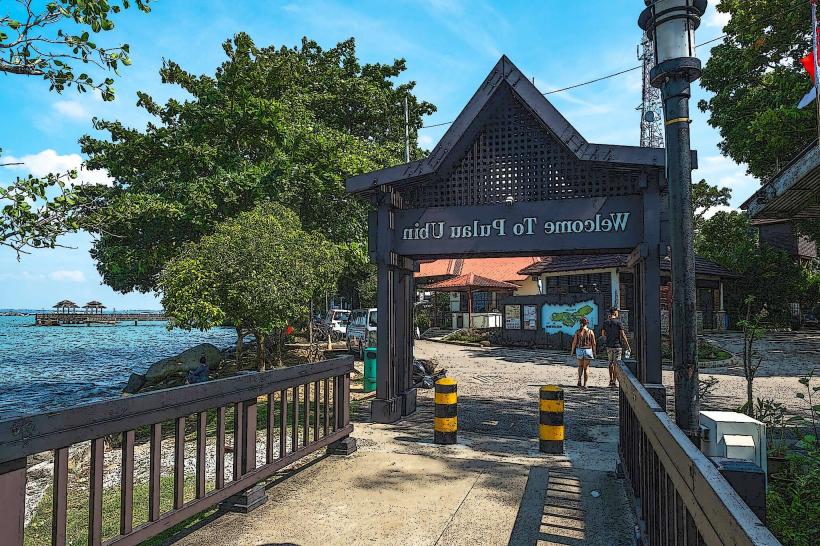
Pulau Ubin: 15-minute "bumboat" ride from Changi Point Ferry Terminal for rustic nature and cycling.
Chek Jawa Wetlands: Located on the eastern tip of Pulau Ubin.
Sentosa: 20 km (25 minutes by taxi via ECP).
Facts & Legends
Changi Airport consistently ranks as the world's best airport and features the world's tallest indoor waterfall. A local legend involves the "Changi Tree," a massive landmark tree that allegedly stood 76 meters tall and was cut down by British engineers during WWII to prevent Japanese artillery from using it as a ranging point. A verified historical oddity is that the East Coast Park was entirely man-made through reclamation using sand imported and excavated from the Bedok hills.