Information
City: RangiroaCountry: French Polynesia
Continent: Australia
Rangiroa, French Polynesia, Australia
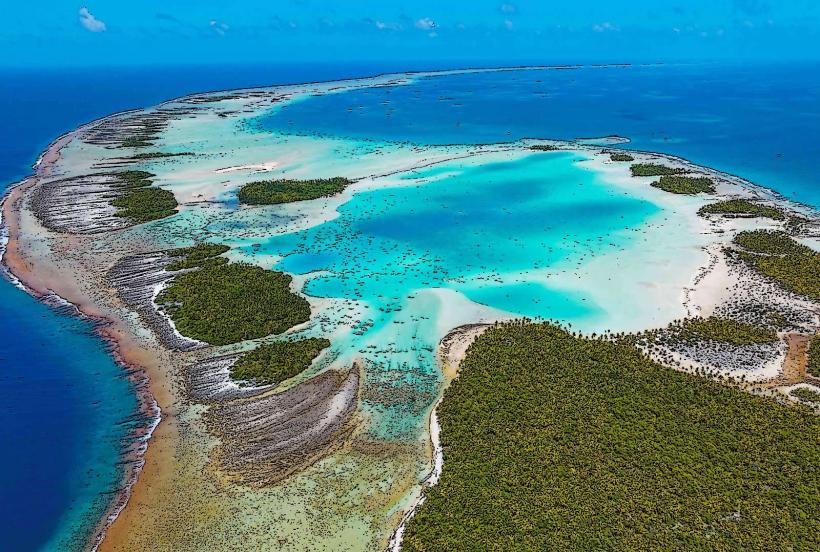
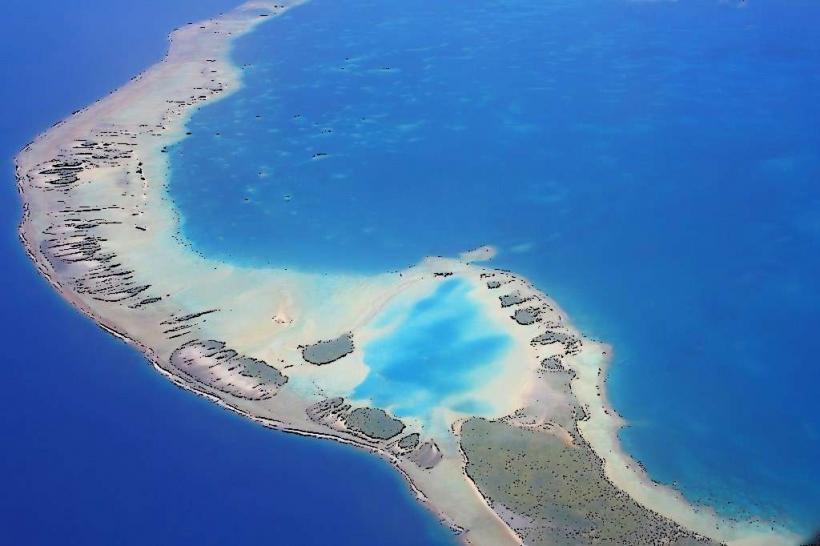
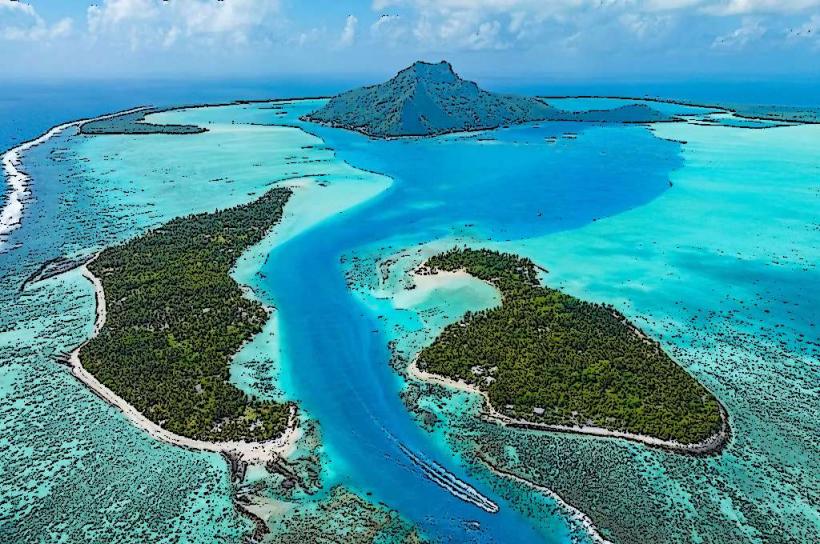
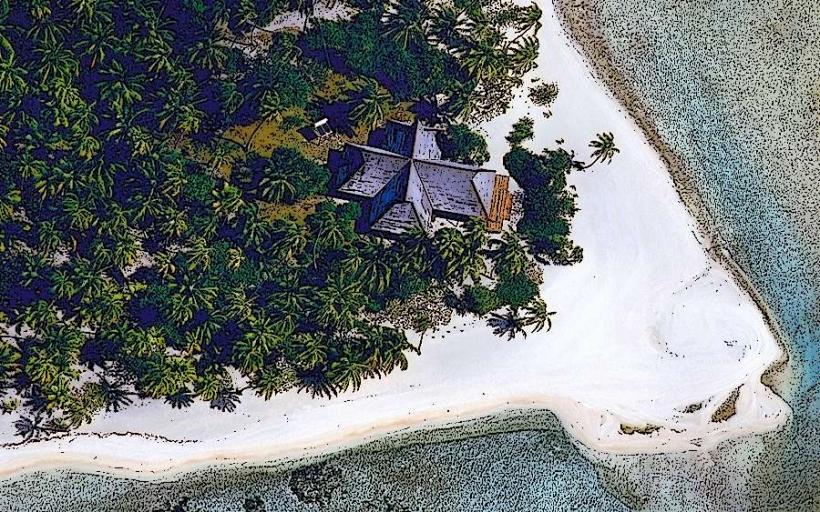
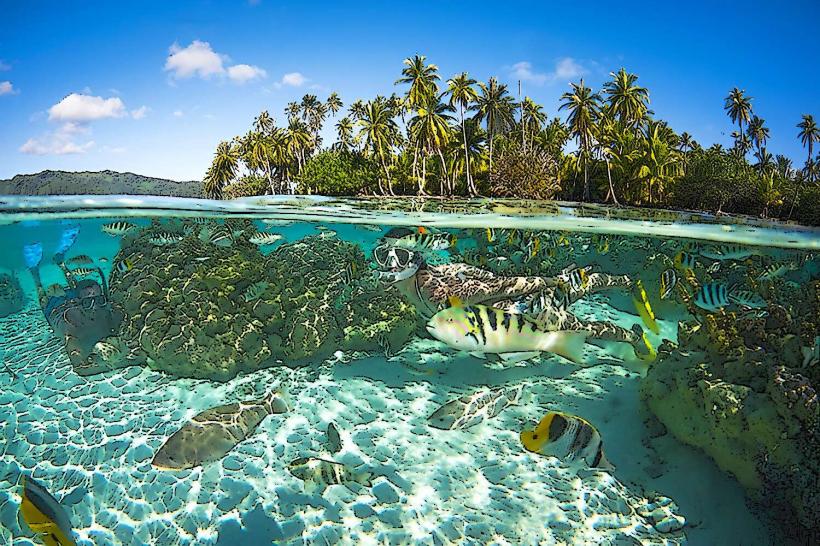
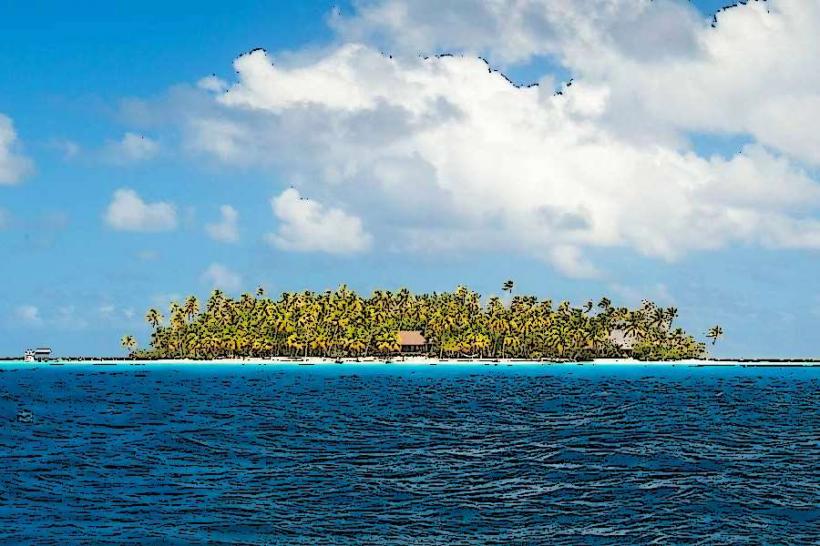
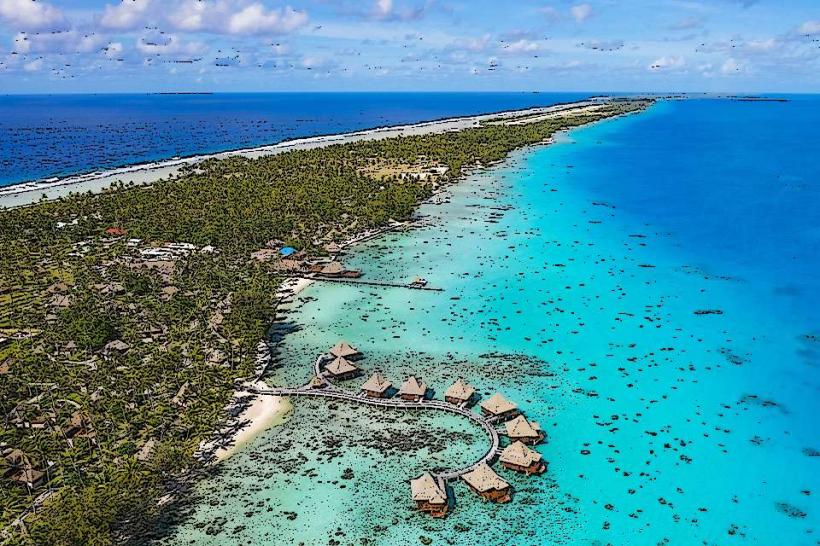
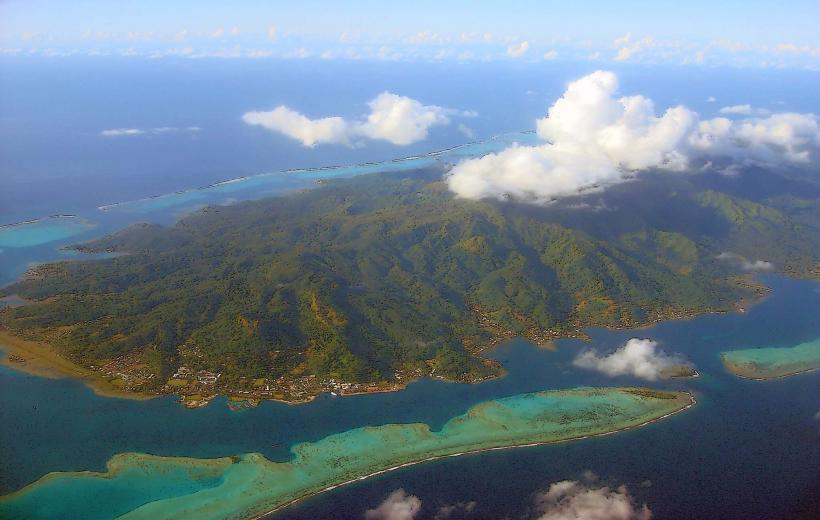
Rangiroa is the largest atoll in the Tuamotu Archipelago and the second-largest in the world. Located 350 km northeast of Tahiti, it consists of a string of approximately 415 motus (islets) surrounding a massive inland lagoon so large it possesses its own internal horizon.
Historical Timeline
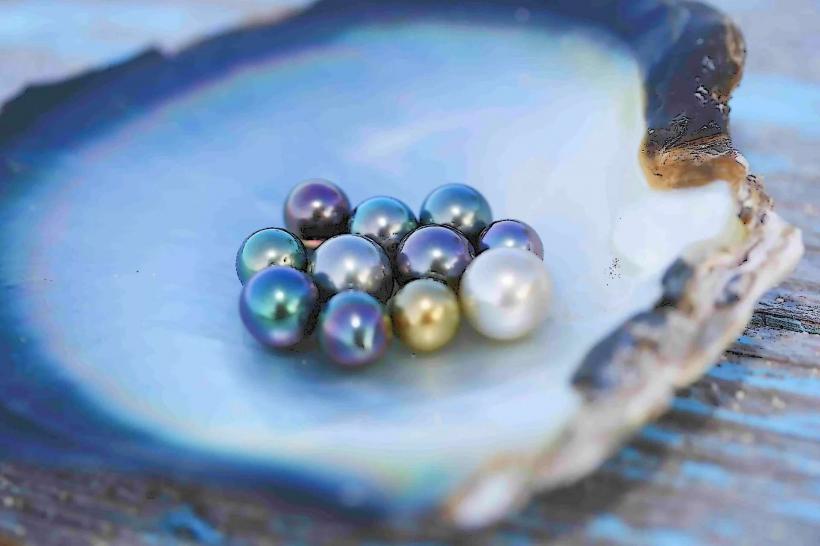
The atoll was originally settled by Polynesians in the 10th century. European contact occurred in 1616 via Dutch explorers. Historically, Rangiroa ("Vast Sky") was a center for regional trade and navigation. In the late 20th century, it transitioned from a copra-based economy to a global hub for Scuba Diving and the cultivation of black Tahitian pearls.
Demographics & Population
The population is approximately 2,700. Most residents live on the two northern motus, Avatoru and Tiputa. The demographic is Ma'ohi, focused on marine industries, pearl farming, and eco-tourism.
Urban Layout & Key Districts
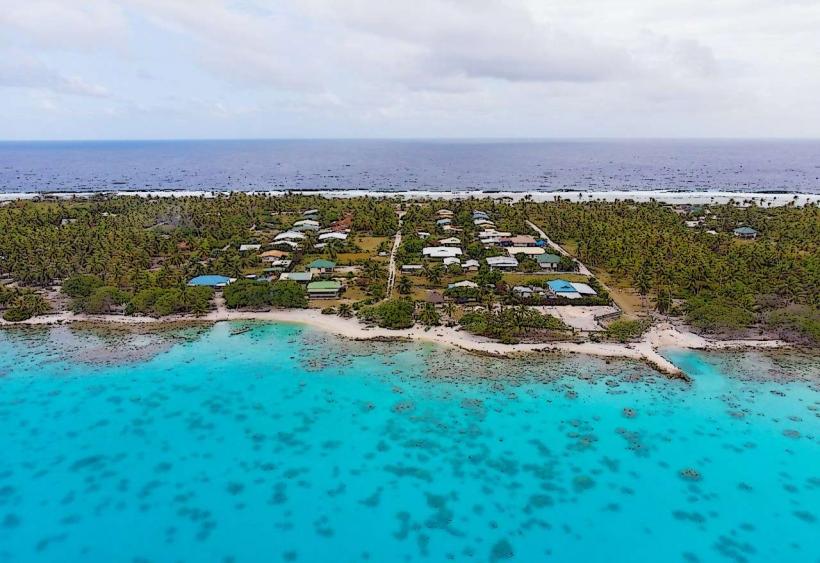
The atoll’s inhabited area is restricted to a thin strip of land between the ocean and the lagoon.
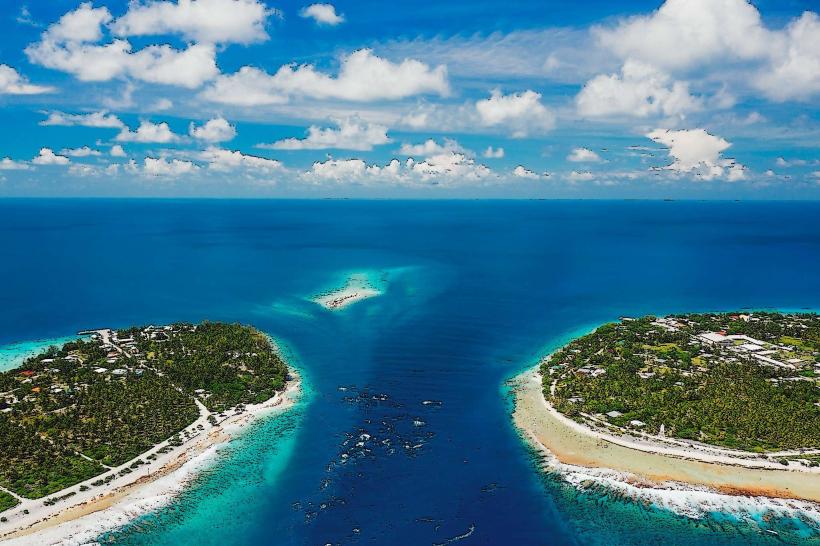
Avatoru: The main village, housing the airport, town hall, post office, and pearl boutiques. It is connected to the airport by the main road.
Tiputa: A more traditional village located across the Tiputa Pass from Avatoru; accessible only by a short boat shuttle.
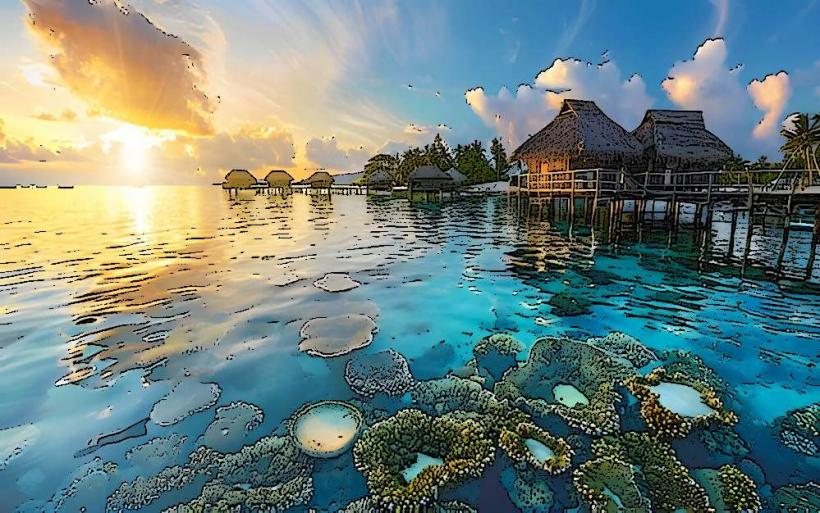
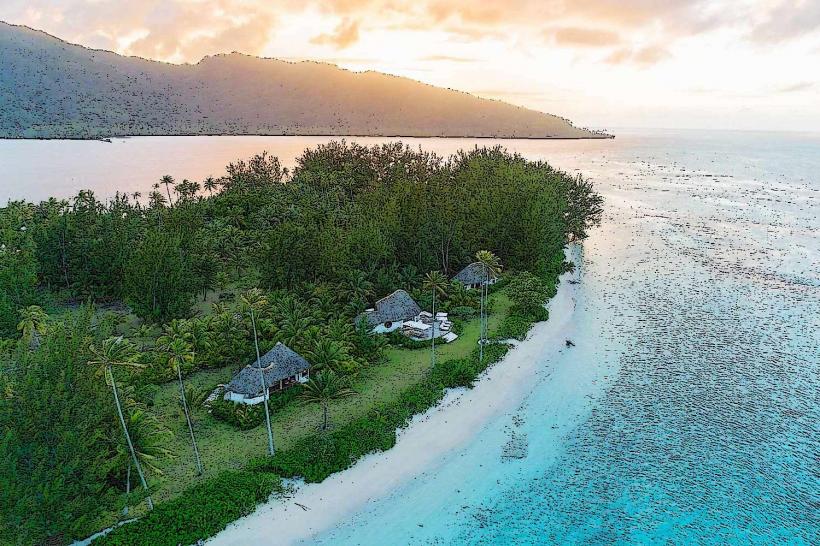
The "Lagoon Side": Refers to the interior coast where most pensions and dive shops are located.
The "Ocean Side": The rugged, coral-strewn outer coast facing the open Pacific.
Top Landmarks
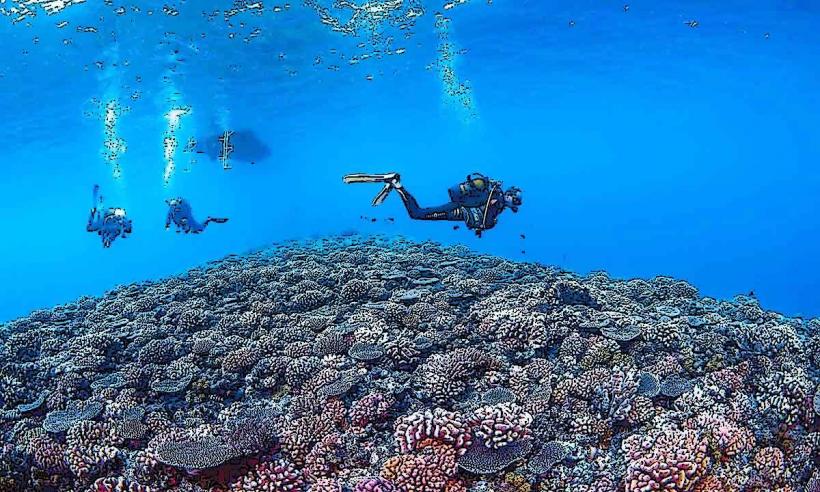
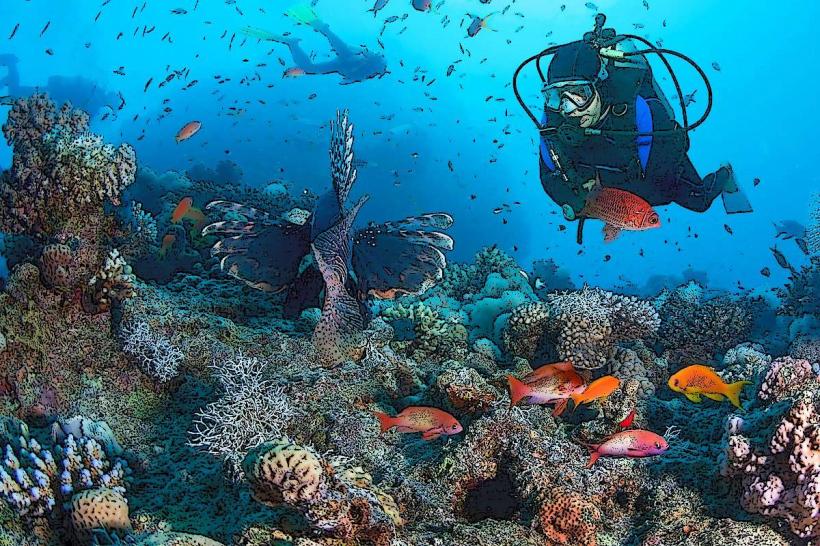
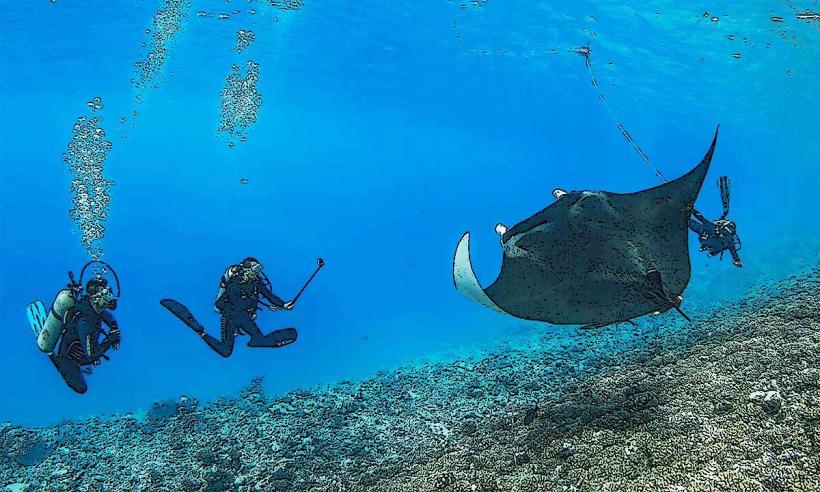
Tiputa Pass: One of the world’s premier drift-diving sites, famous for high concentrations of dolphins, hammerhead sharks, and manta rays.
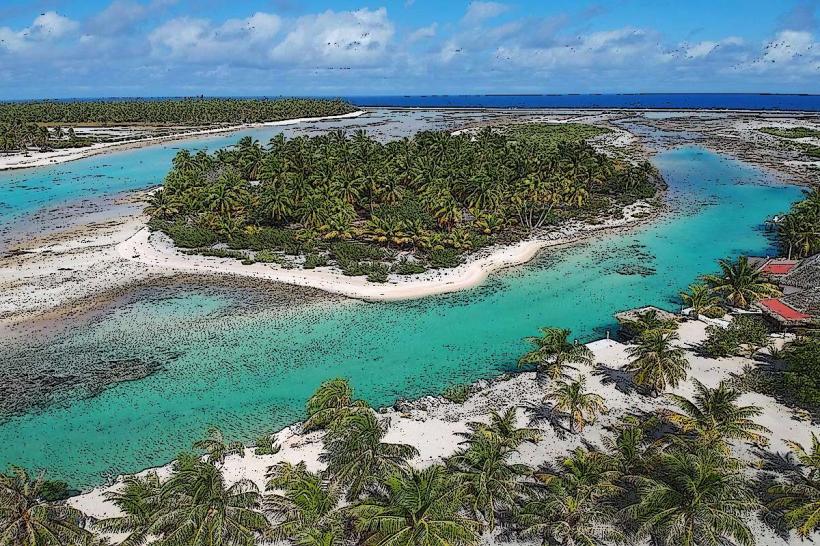
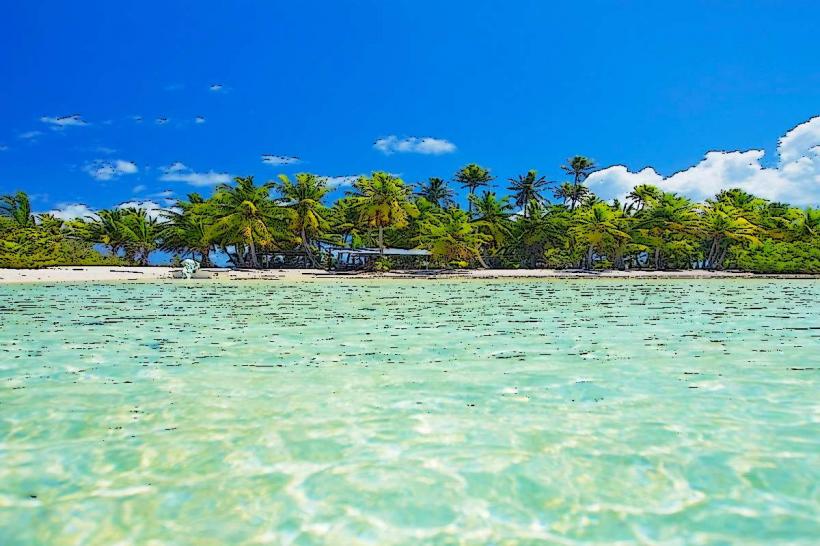
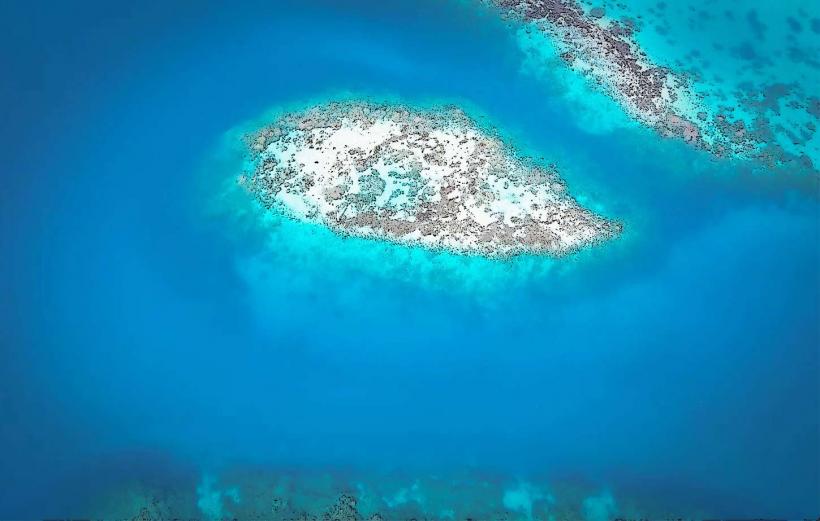
The Blue Lagoon (Lagon Bleu): A shallow, turquoise pool within the larger lagoon, surrounded by white sand motus.
Île aux Récifs (Reef Island): An area of raised fossilized coral (Feo) formations creating natural pools.
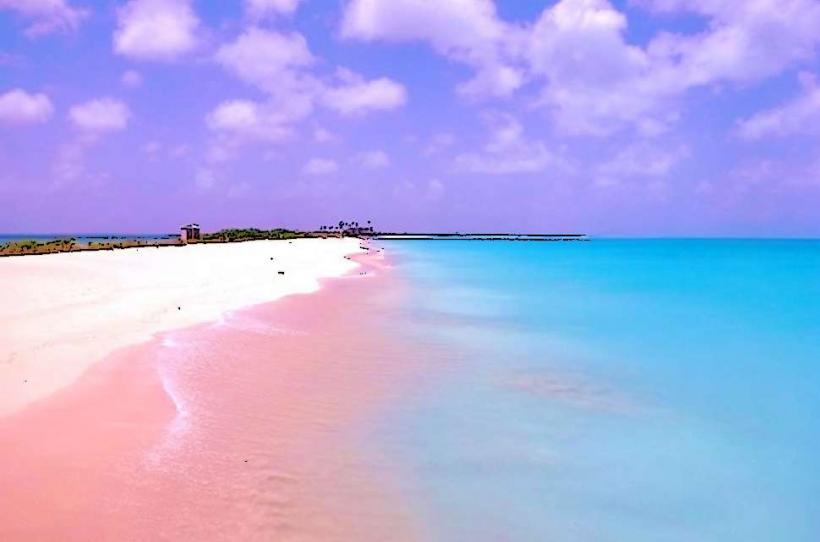
Les Sables Roses (Pink Sands): Remote sandbanks at the far end of the lagoon with a distinct pink hue from crushed coral and foraminifera.
Gauguin’s Pearl: A major operational pearl farm offering educational tours.
Transportation Network
Air: Rangiroa Airport (RGI) is the primary gateway, with daily flights to Tahiti and Bora Bora.
Road: There is one 10 km paved road on the Avatoru motu.
Water: Small speedboats are the only way to reach Tiputa village or remote motus.
Bicycles: The primary mode of transit for locals and visitors on the main strip.
Safety & "Red Zones"
Rangiroa is extremely safe.
Currents: The currents in the Avatoru and Tiputa passes are exceptionally powerful; never attempt to swim or kayak in the passes.
Sun/Hydration: The atoll is highly exposed with limited shade; heat exhaustion is a frequent risk.
Coral: Do not walk on the reef without thick-soled reef shoes to avoid stonefish and coral cuts.
Digital & Financial Infrastructure
High-speed internet is available via satellite and undersea cable. Mobile 4G is reliable in the villages. The currency is the CFP Franc (XPF) ($1 \text{ EUR} \approx 119 \text{ XPF}$). ATMs (Banque de Tahiti, Socredo) are located only in Avatoru. Credit cards are accepted in hotels, but cash is mandatory for boat excursions and small snacks.
Climate & Air Quality
Tropical atoll climate. It is significantly drier than the Society Islands. Air quality is pristine. Fresh water is a scarce resource; residents rely on desalinated water and rainwater collection.
Culture & Social Norms
The lifestyle is "Paumotu" (atoll-dweller), which is slower and more rugged than Tahiti. Tipping is not expected. It is standard to remove shoes before entering a pension or home. Rangiroa is home to the world’s only coral-soil vineyard (Vin de Tahiti), located near Avatoru.
Local Cost Index (XPF)
1 Espresso: 450–700 XPF
1 Standard Lunch (Poisson Cru): 2,000–3,500 XPF
1 Dive (Tank): 8,000–12,000 XPF
Nearby Day Trips
Tikehau: A neighboring atoll (15-minute flight) known for its pink sand and massive bird colonies.
Mataiva: A remote atoll with a unique "reticulated" lagoon structure.
Facts & Legends
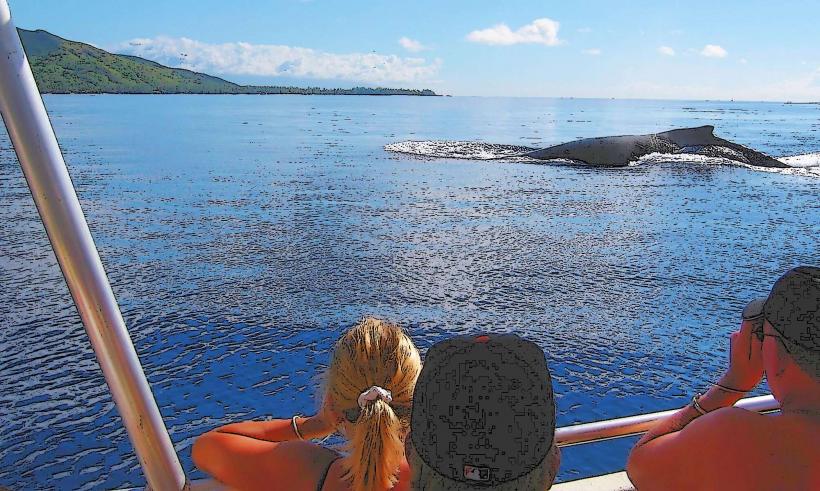
Legend says the atoll was created when a giant's fishing line snapped, leaving the massive circle of coral. A geographic fact: Rangiroa’s lagoon is so vast that the entire island of Tahiti could fit inside it. It is one of the few places on Earth where wild bottlenose dolphins are known to regularly seek out physical interaction with divers in the passes.