Information
Landmark: Blue LagoonCity: Rangiroa
Country: French Polynesia
Continent: Australia
Blue Lagoon, Rangiroa, French Polynesia, Australia
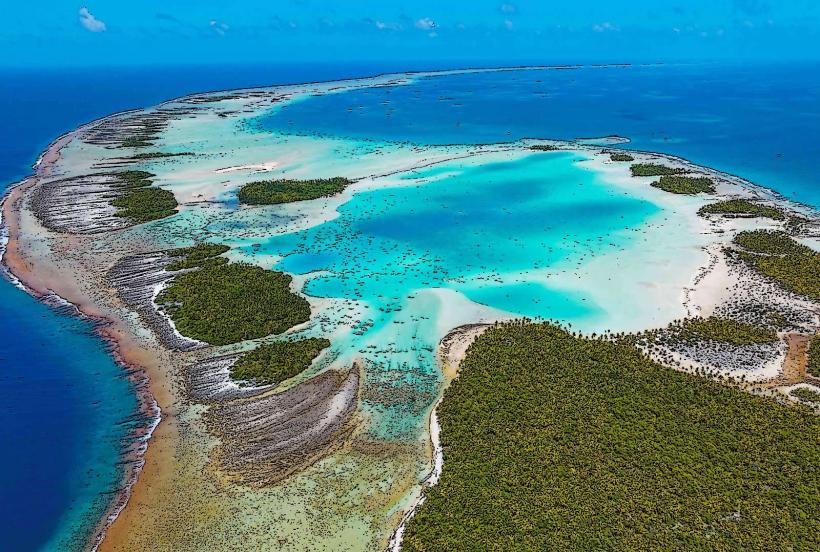
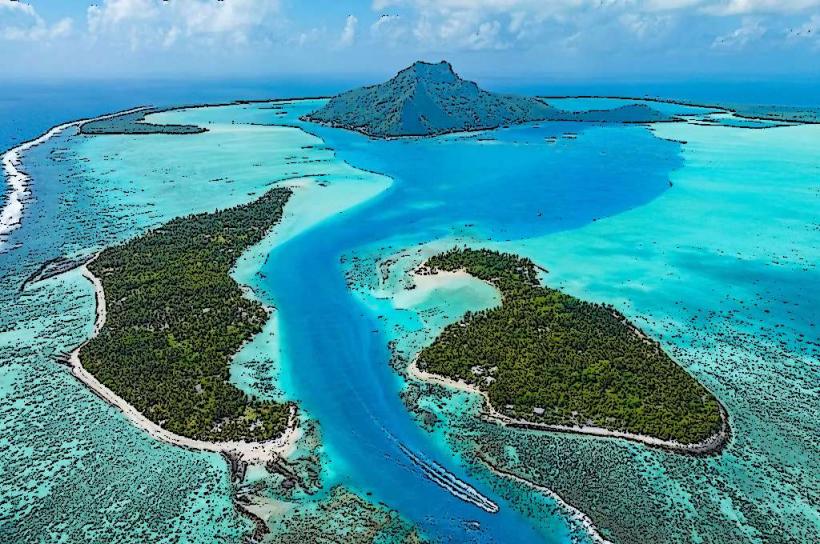
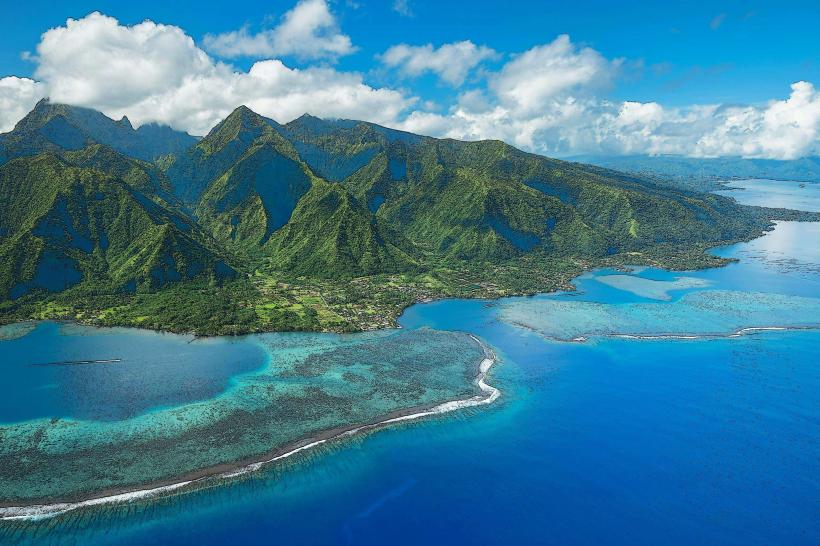
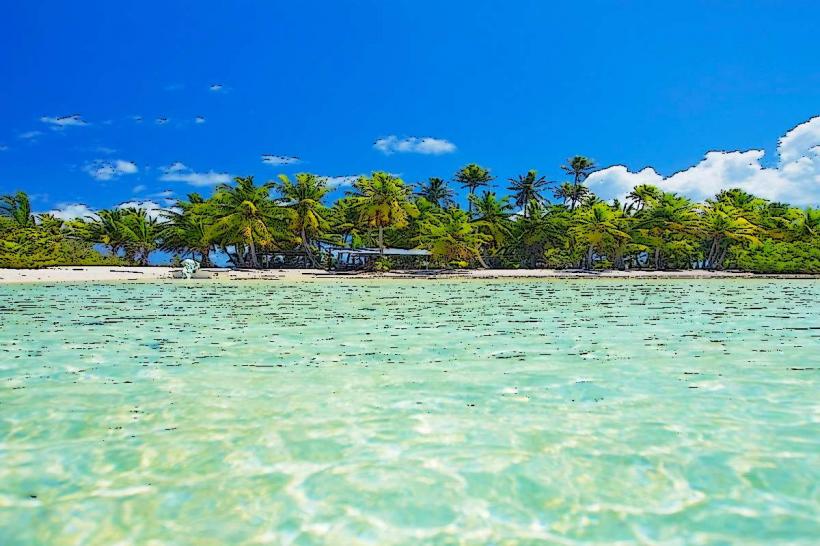
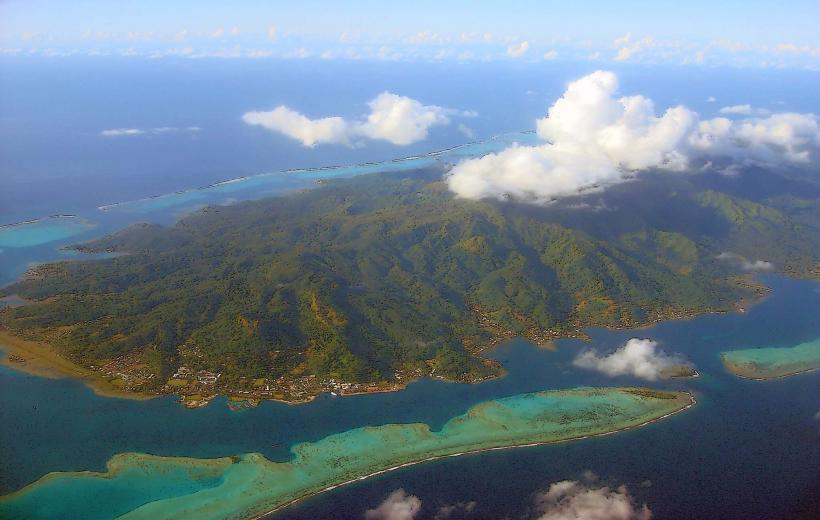
The Blue Lagoon is a shallow, coral-fringed body of water located within the Rangiroa atoll in French Polynesia.
It is a natural marine reserve characterized by its clear, turquoise waters and abundant marine life.
Visual Characteristics
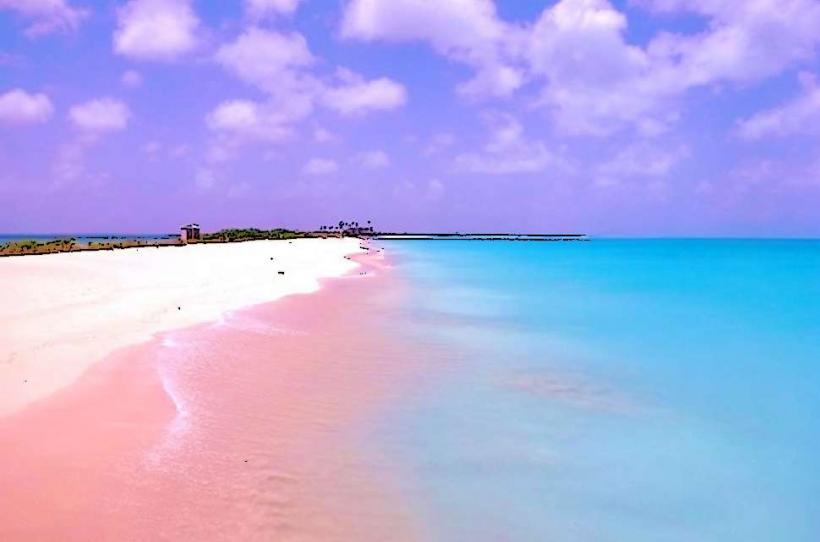
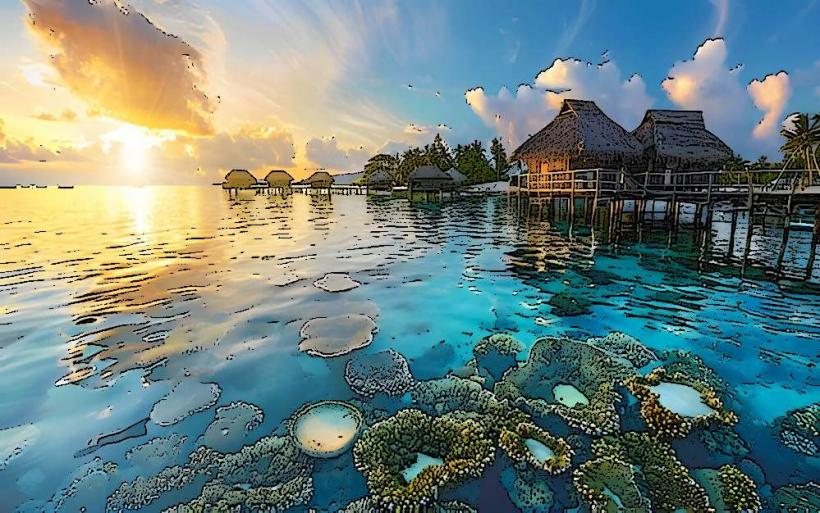
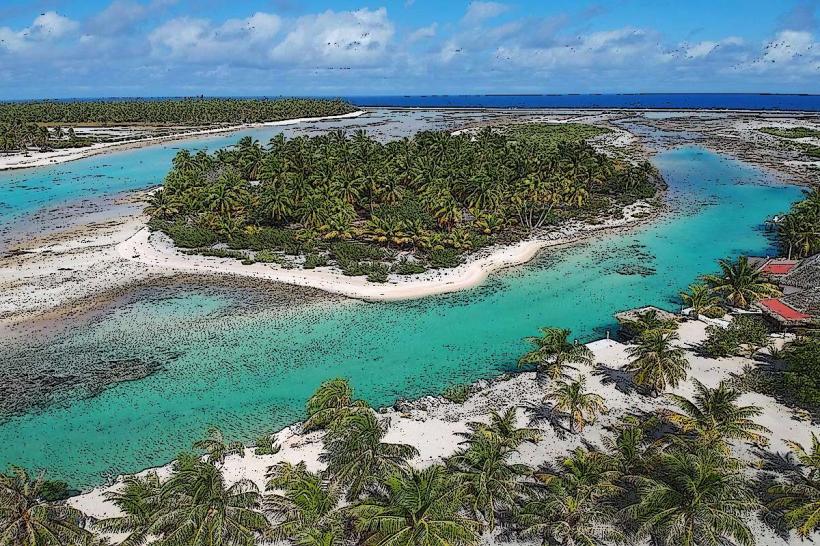
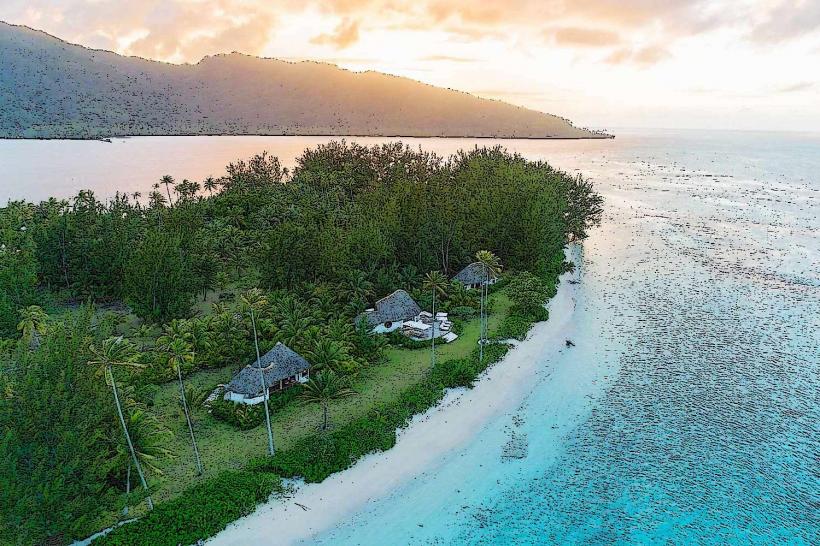
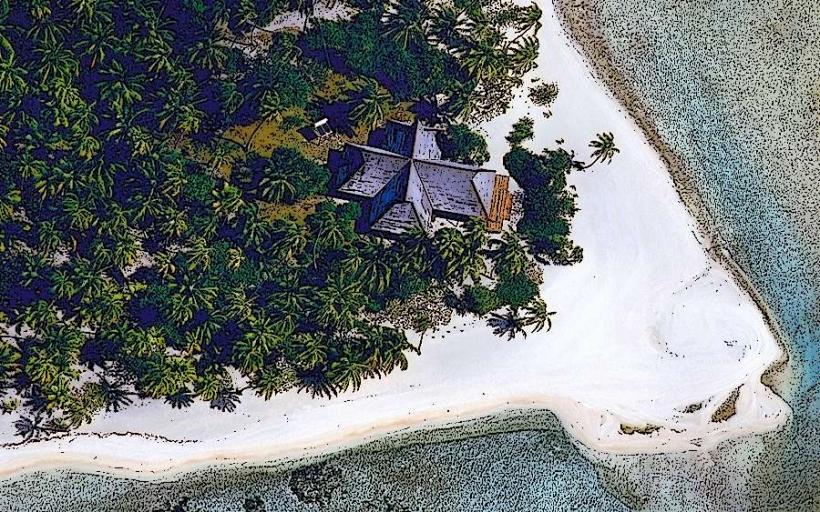
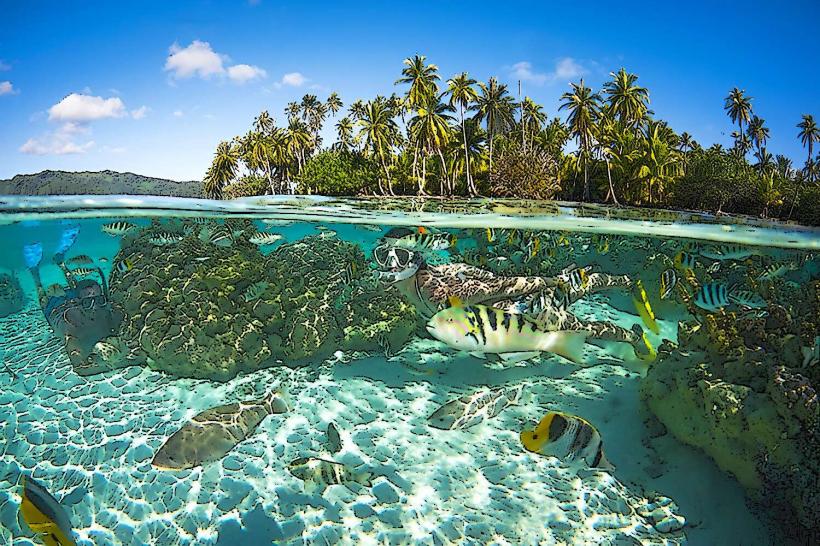
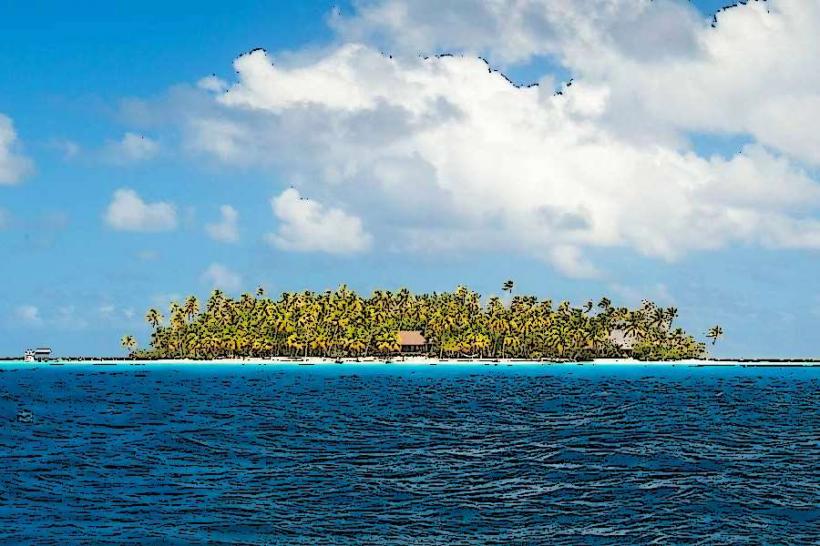
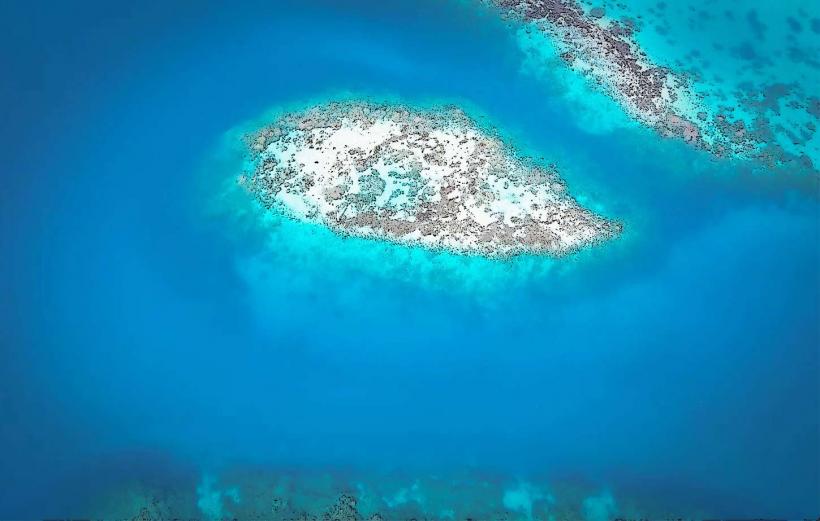
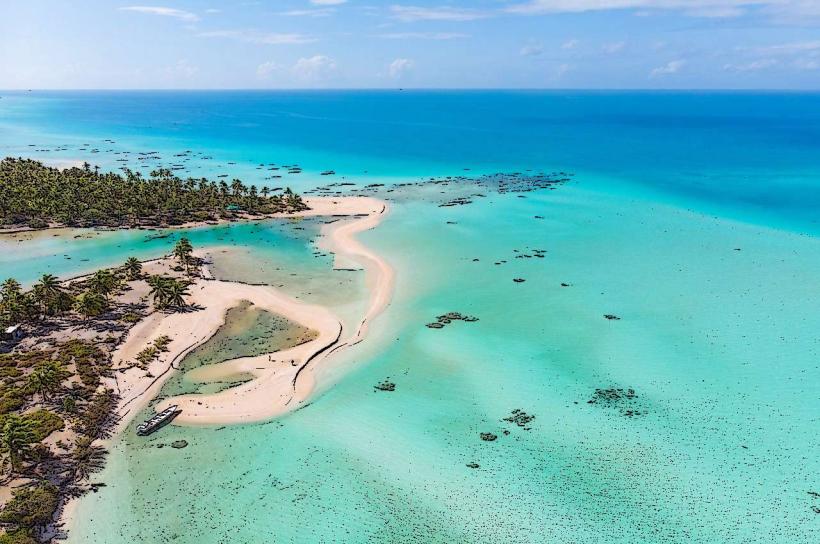
The lagoon's water exhibits a gradient of blues, from pale turquoise near the sandbars to deeper azure in its central areas. The seabed is composed of fine white coral sand. Surrounding the lagoon are low-lying coral motus (islets) covered in sparse coconut palms and low-lying scrub vegetation. The water depth averages 1 to 3 meters, with some channels reaching up to 10 meters.
Location & Access Logistics
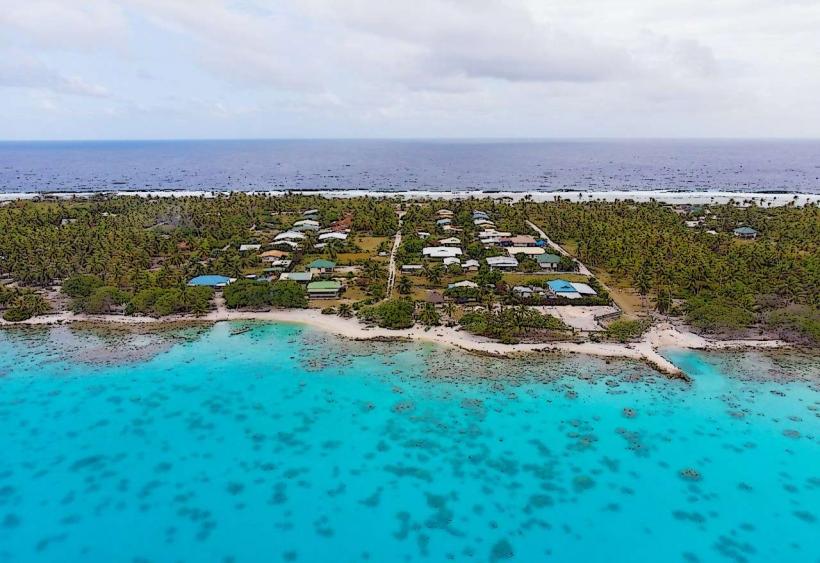
The Blue Lagoon is situated on the eastern side of Rangiroa atoll. Access is exclusively by boat, typically a 45-minute to 1-hour journey from the main village of Avatoru. Several local tour operators offer boat excursions from Avatoru. There is no direct road access. Parking is available at the departure points in Avatoru.
Historical & Ecological Origin
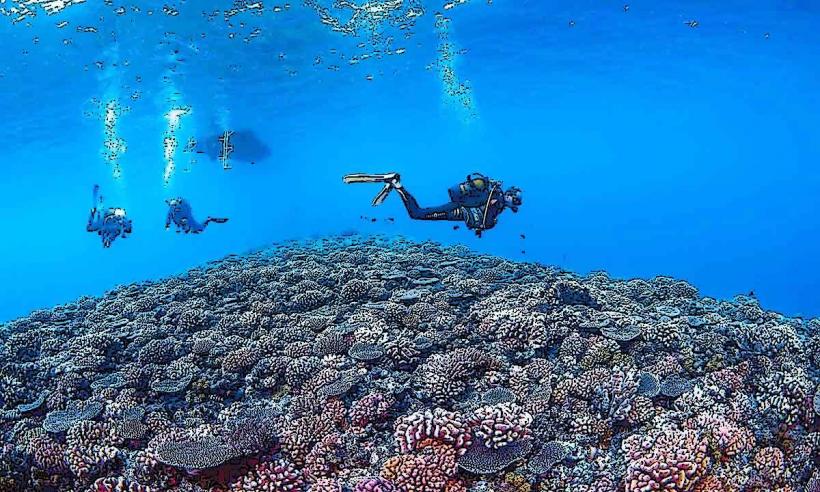
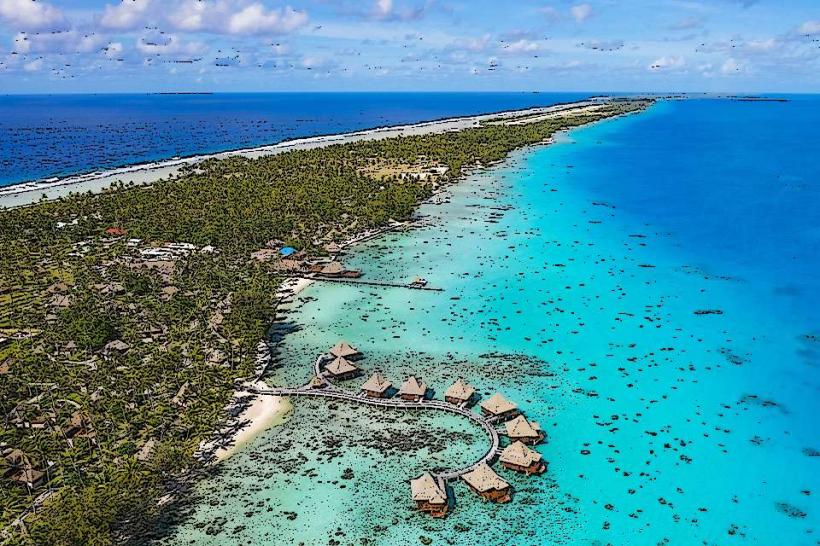
The Blue Lagoon is a natural formation, part of the Rangiroa atoll, which is the second-largest atoll in the world. It formed as a result of coral reef growth and subsequent sea-level changes over millennia. It functions as a protected marine nursery and feeding ground for various fish species.
Key Highlights & Activities
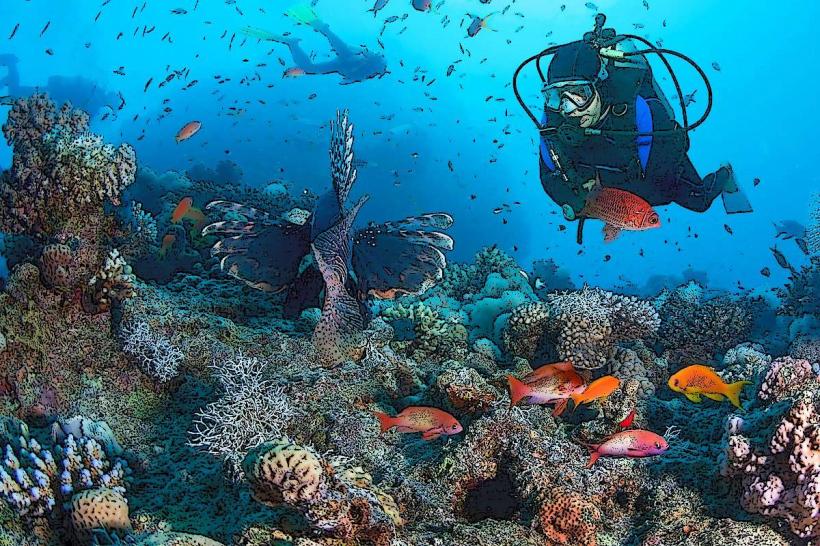
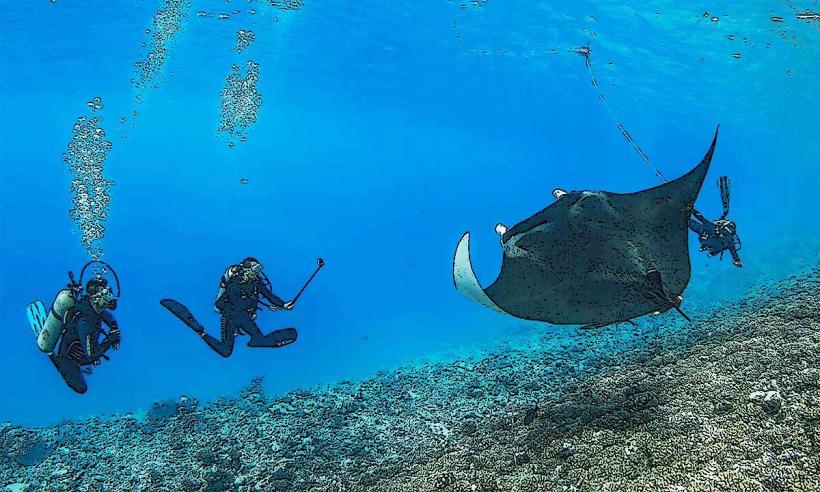
Snorkeling is the primary activity, allowing observation of reef fish, juvenile sharks, and rays. Swimming in the shallow, warm waters is also a common activity. Boat tours often include stops at sandbanks for relaxation and photography.
Infrastructure & Amenities
There are no permanent structures or amenities within the Blue Lagoon itself. Some tour operators may provide basic shade structures on their boats. Cell phone signal is generally unreliable within the lagoon. Food vendors are not present; visitors typically bring their own provisions or are provided with meals as part of a tour package.
Best Time to Visit
The best time of day for photography is between 10:00 AM and 2:00 PM when the sun is highest, illuminating the water color. The dry season, from May to October, offers the most favorable weather conditions with less rainfall. Tidal conditions are less critical for general viewing, but lower tides can expose more of the sandbanks.
Facts & Legends
The Blue Lagoon is a critical breeding ground for many species of reef fish, contributing to the health of the wider Rangiroa marine ecosystem. A specific tip for visitors is to wear reef-safe sunscreen to minimize environmental impact.
Nearby Landmarks
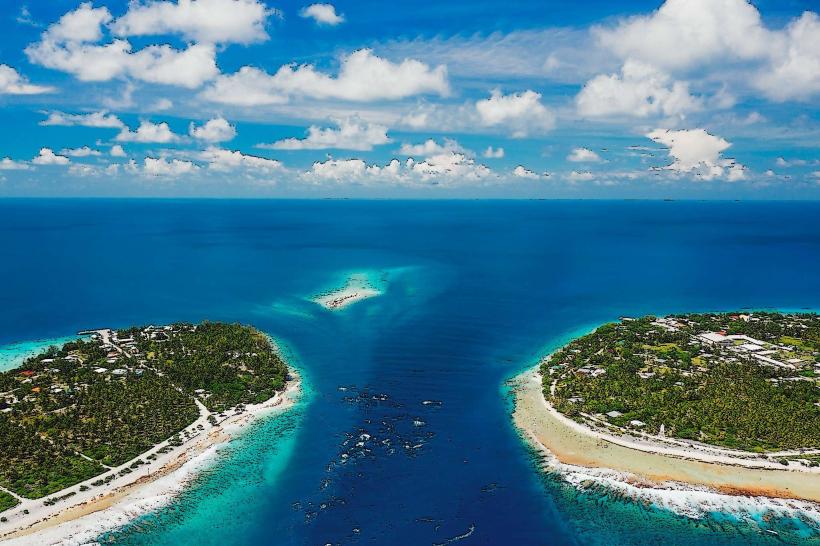
- Avatoru Pass (5km West)
- Tiputa Pass (7km West)
- Les Sables Roses (Pink Sands) (12km Southeast)
- Rangiroa Airport (RVH) (6km West)