Information
Landmark: Scuba DivingCity: Rangiroa
Country: French Polynesia
Continent: Australia
Scuba Diving, Rangiroa, French Polynesia, Australia
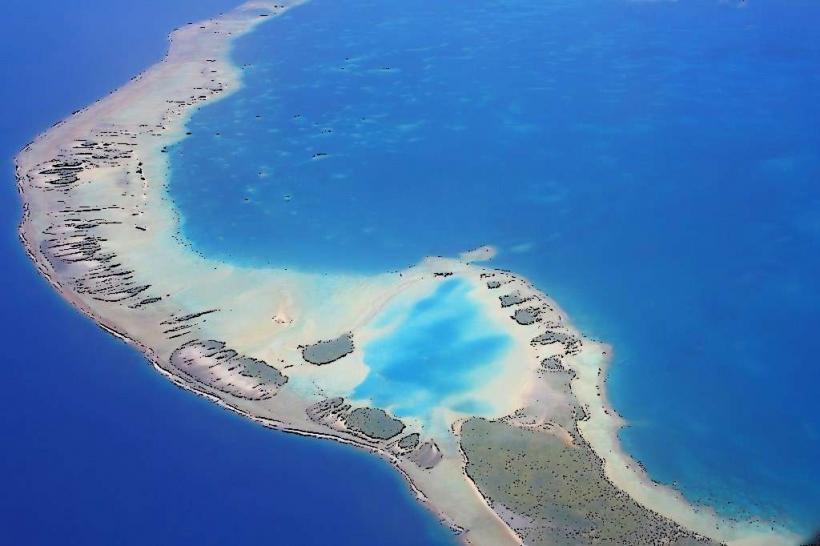
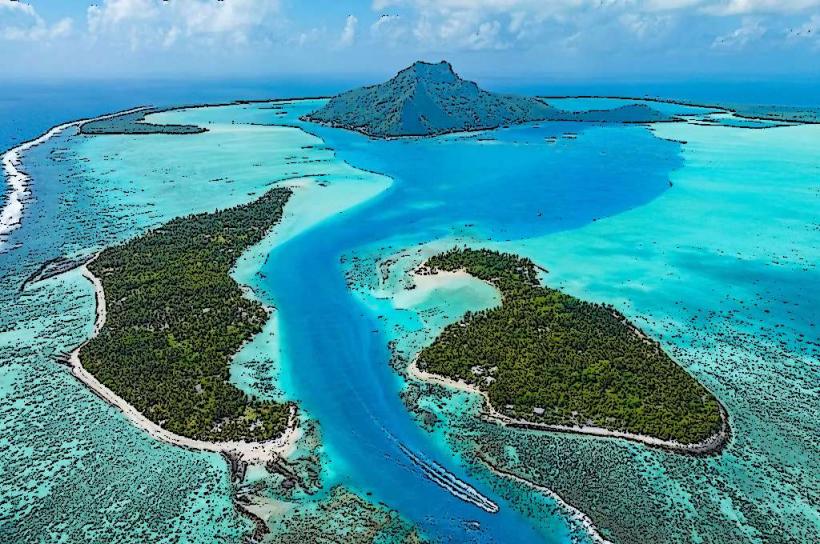
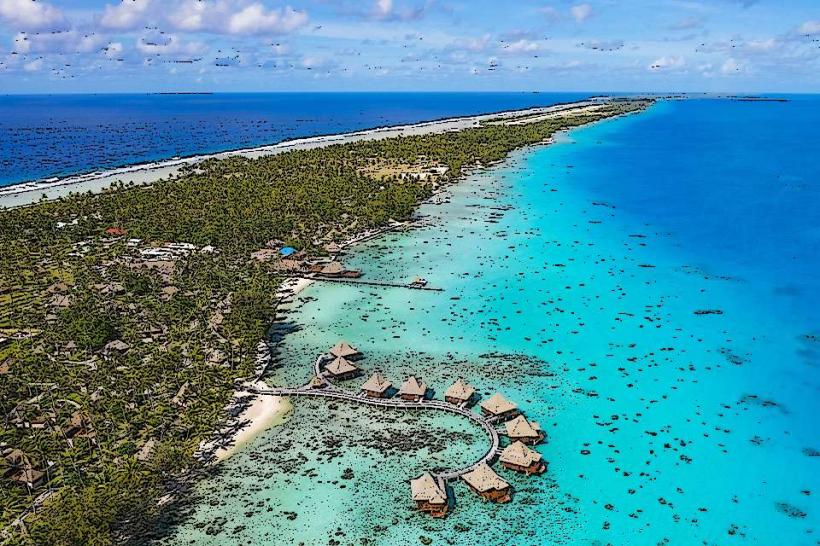
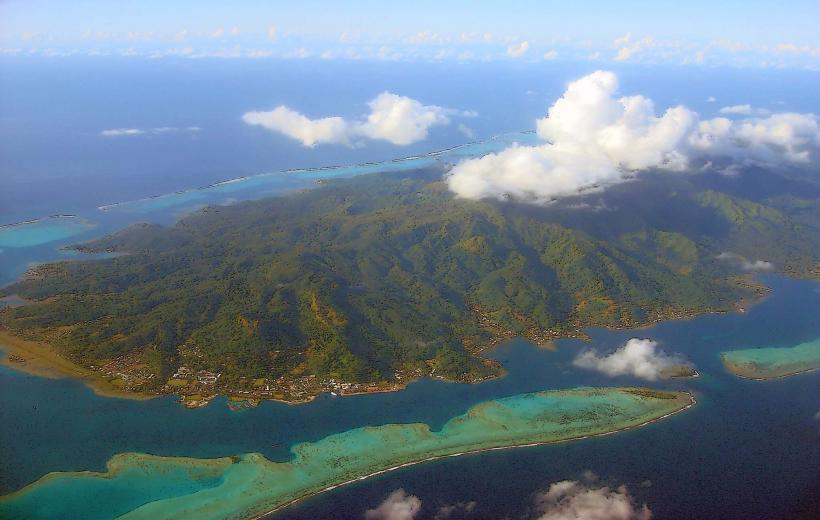
Rangiroa is a large coral atoll in the Tuamotu Archipelago of French Polynesia, known for its extensive lagoon and marine life.
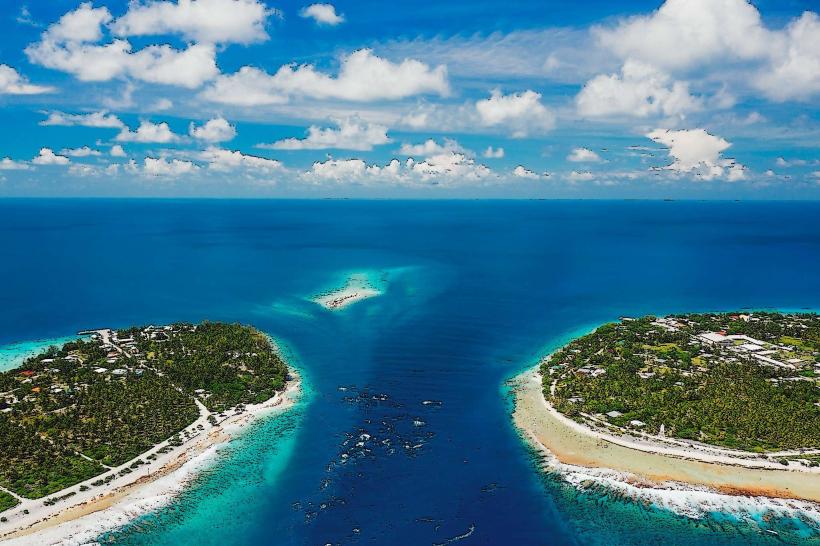
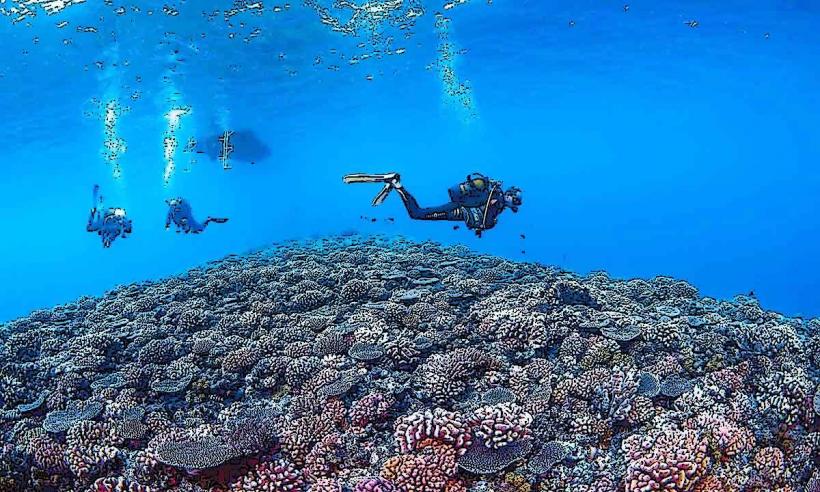
This location is a premier destination for scuba diving, offering access to the atoll's two main passes, Tiputa Pass and Avatoru Pass.
Visual Characteristics
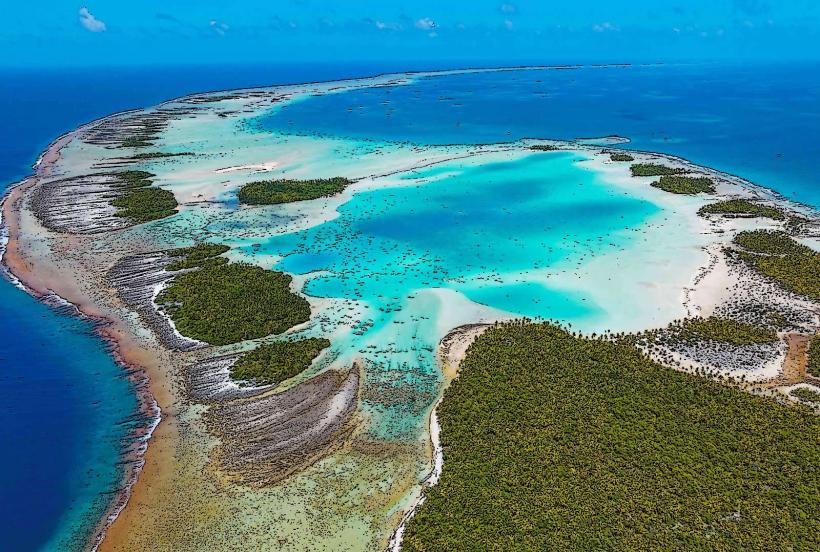
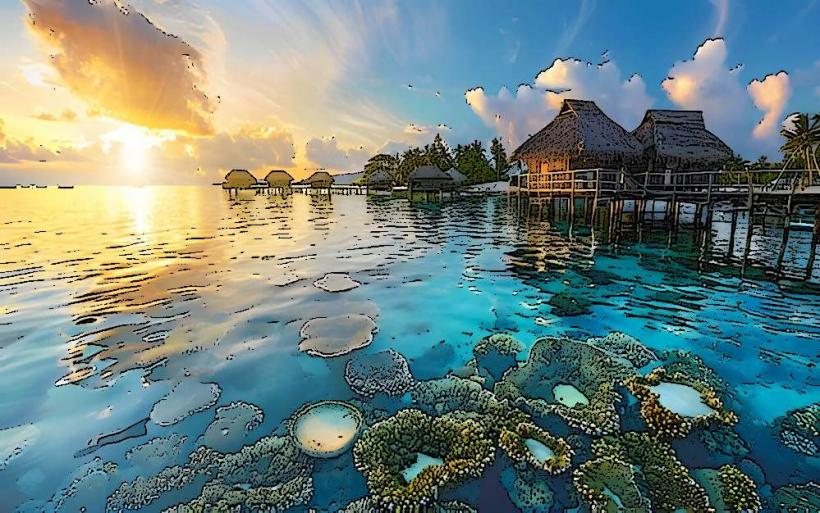
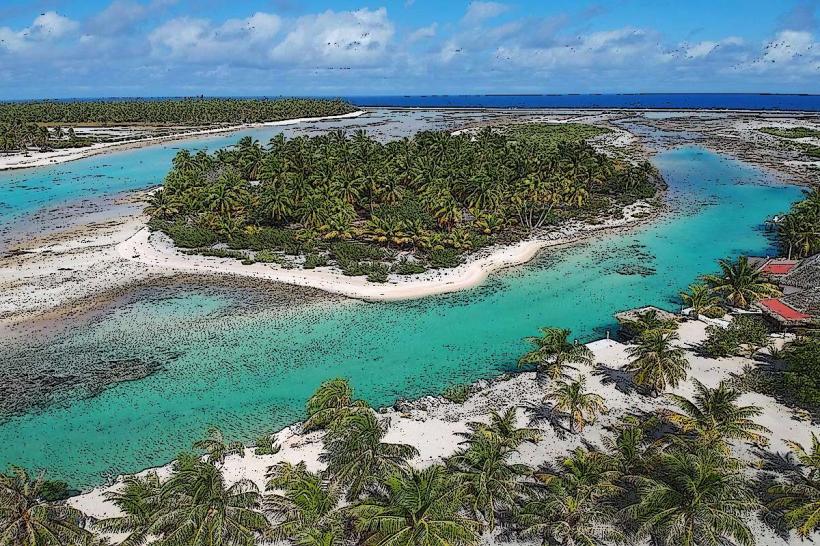
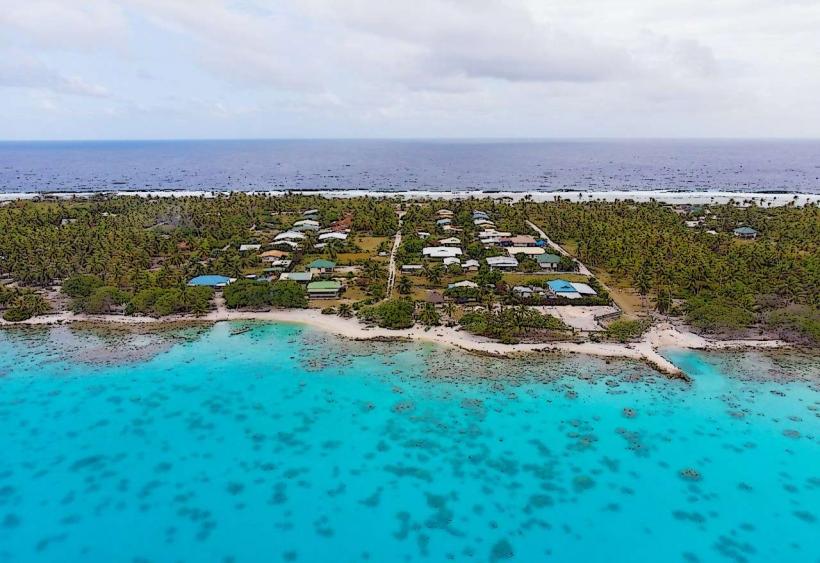
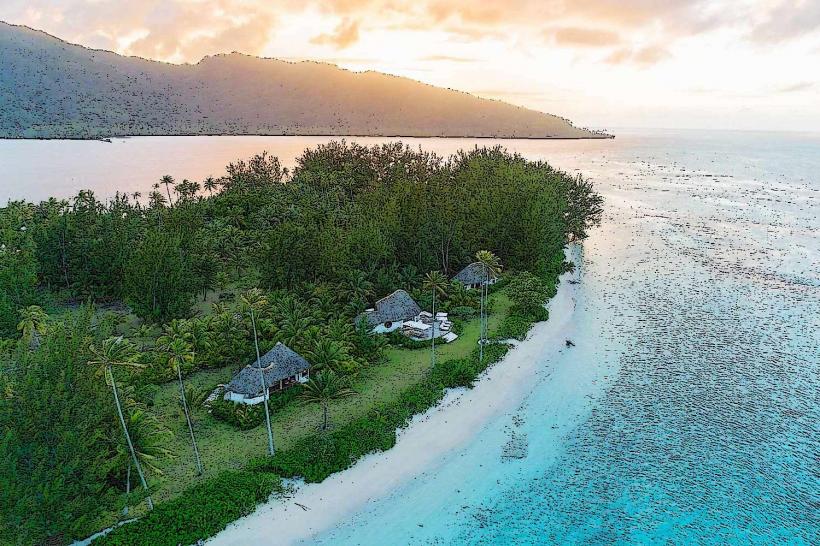
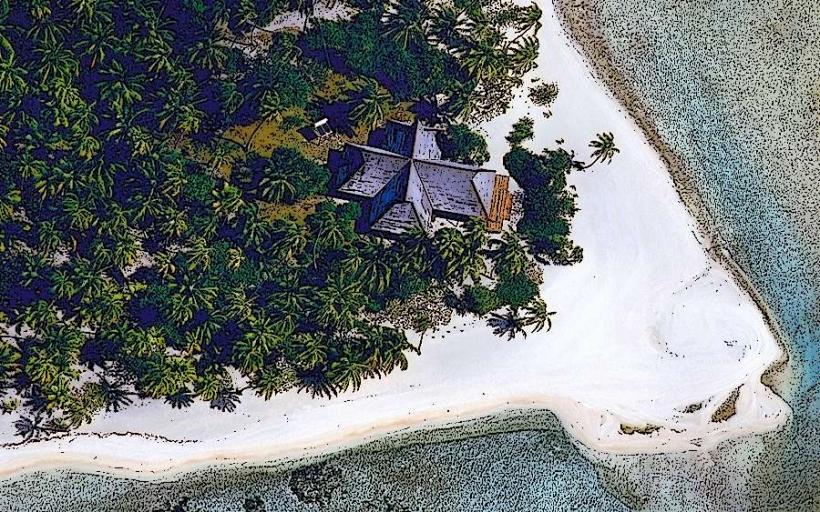
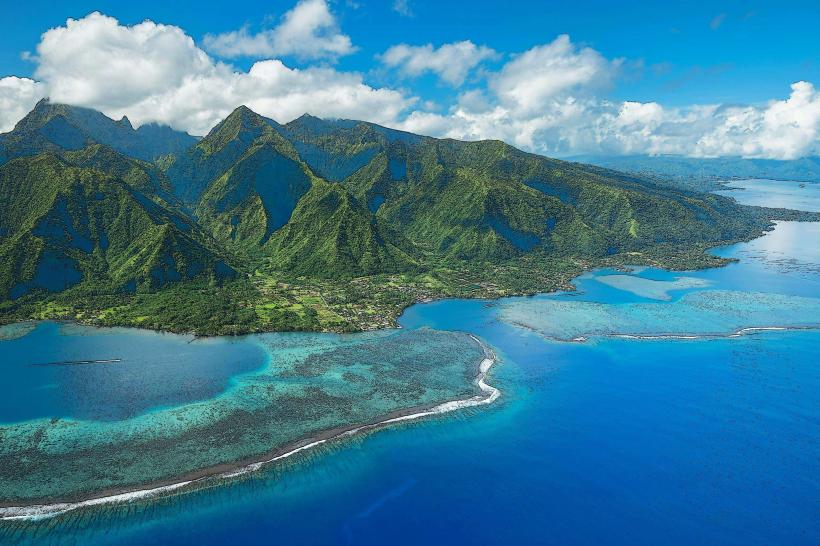
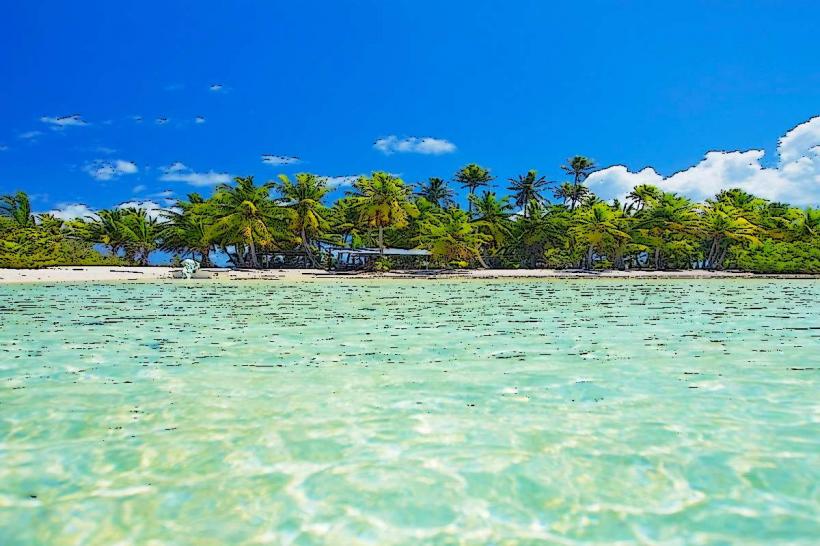
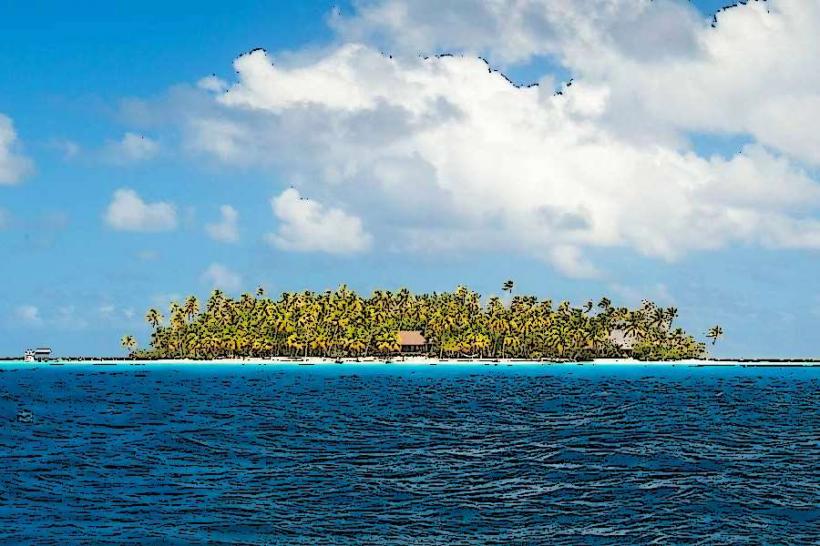
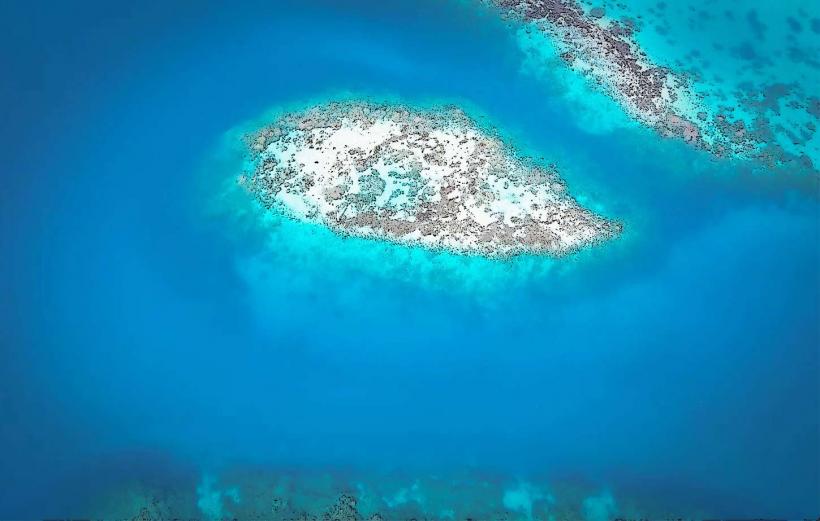
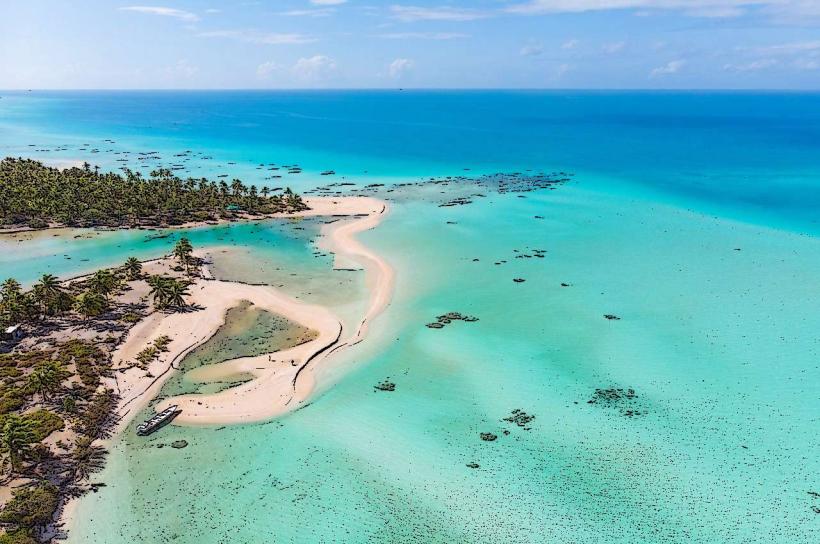
The atoll is a ring of coral land, averaging 250 meters in width, encircling a vast lagoon. The lagoon water exhibits varying shades of blue, from deep sapphire to turquoise, depending on depth and light penetration. The coral formations within the passes are complex, supporting dense marine ecosystems. The land portions are characterized by coconut palms and sparse vegetation.
Location & Access Logistics
Rangiroa Atoll is located approximately 350 kilometers east of Tahiti. Access is primarily via Rangiroa Airport (RGI), with regular flights from Papeete, Tahiti. From the airport, transportation to accommodations and dive centers is typically arranged by hotels or operators, often involving short drives on the atoll's main road or boat transfers across the lagoon. There is limited public transport; rental cars or scooters are available, but most visitors rely on pre-booked transfers.
Historical & Ecological Origin
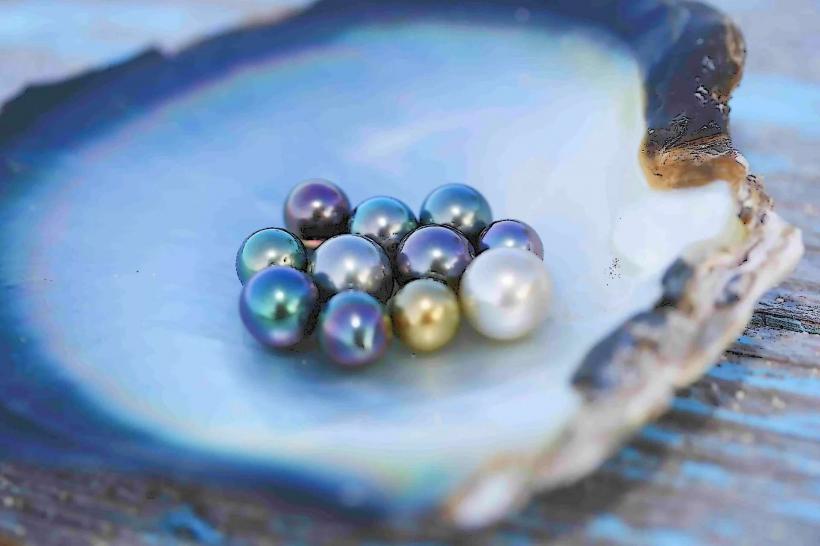
Rangiroa is a classic example of a coral atoll, formed by the gradual subsidence of a volcanic island, with coral reefs growing upwards to form the present-day ring structure. The atoll's formation is a result of geological processes spanning millions of years. Historically, it was inhabited by Polynesian peoples and later became a site for pearl farming.
Key Highlights & Activities
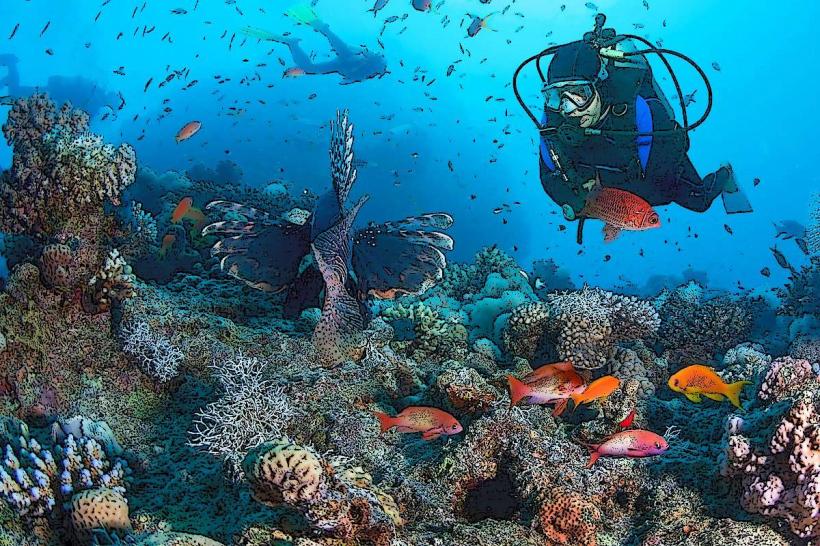
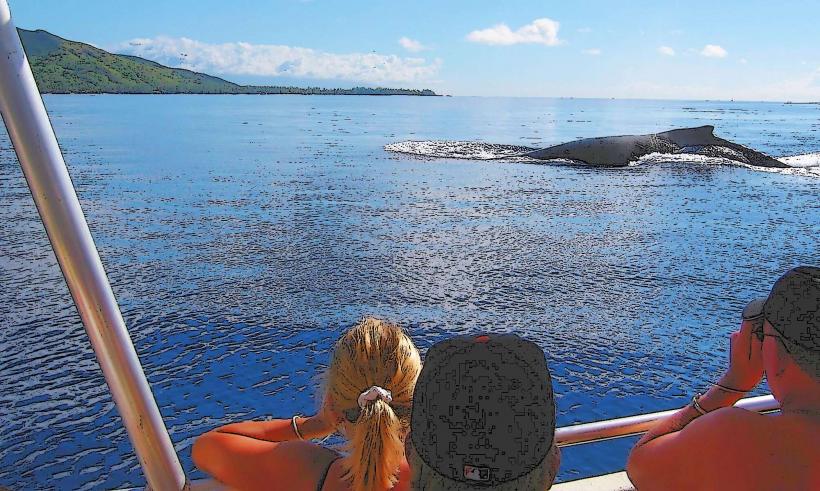
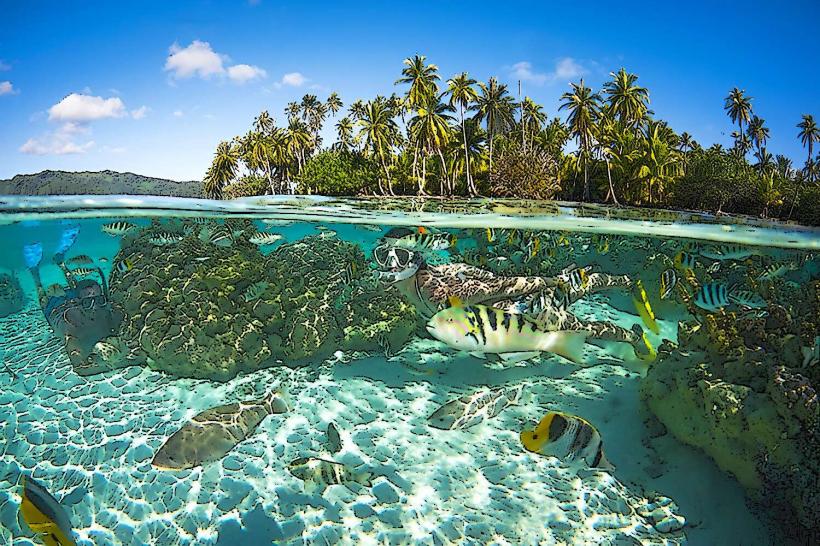
Scuba diving is the primary activity. Key dive sites include Tiputa Pass, known for drift dives with strong currents, encounters with dolphins, sharks, and manta rays. Avatoru Pass also offers opportunities for observing marine life. Snorkeling is possible within the calmer areas of the lagoon. Dolphin watching tours are available, often coinciding with boat trips through the passes.
Infrastructure & Amenities
Accommodations range from small pensions to larger resorts, many of which have on-site restaurants. Restrooms are available at most tourist facilities and dive centers. Shade is provided by palm trees and resort structures. Cell phone signal (4G) is generally available in populated areas and resorts, but can be intermittent elsewhere. Food vendors are limited, with most dining occurring at hotels or designated restaurants.
Best Time to Visit
The best time for diving is generally from May to October, during the dry season, offering calmer seas and better visibility. For dolphin encounters, sightings are reported year-round, but are often more frequent during the warmer months. Diving in Tiputa Pass is highly dependent on tidal currents; specific dive times are dictated by the tide schedule for optimal drift diving conditions.
Facts & Legends
Tiputa Pass is renowned for its "bottlenose dolphin highway," where pods of dolphins frequently use the pass currents for effortless travel. A local legend speaks of a giant moray eel that inhabits the deeper sections of the pass, though this remains unverified.
Nearby Landmarks
- Île aux Oiseaux (Bird Island) - 10km Northeast
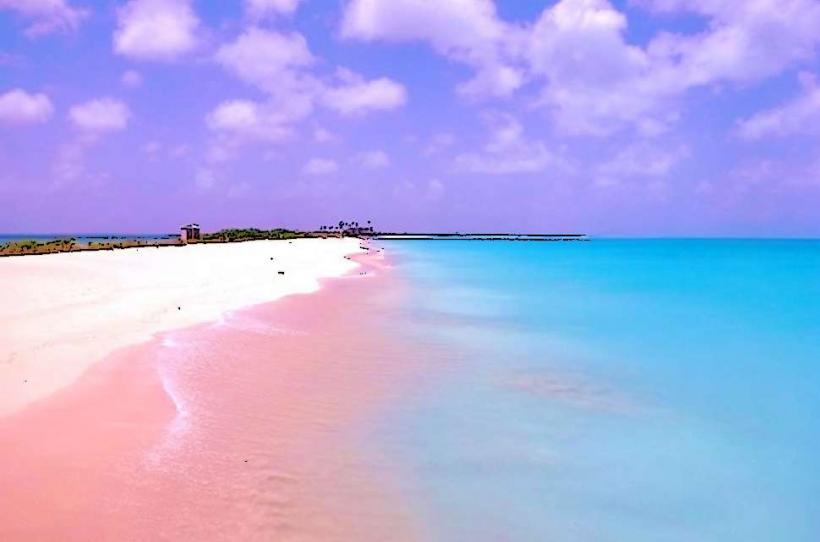
- Les Sables Roses (Pink Sands) - 15km Southeast
- Motu Paio Paio - 5km Southwest
- Avatoru Village - 2km West