Information
Landmark: Motu TivaCity: Rangiroa
Country: French Polynesia
Continent: Australia
Motu Tiva, Rangiroa, French Polynesia, Australia
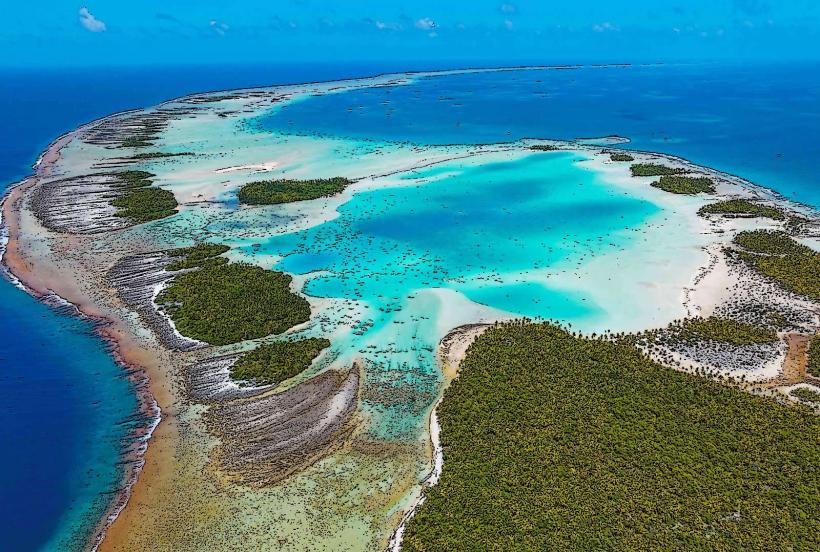
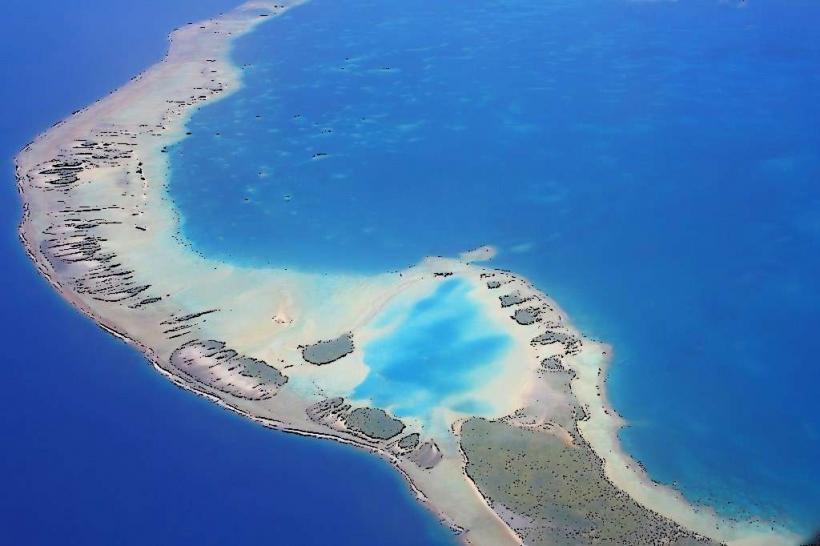
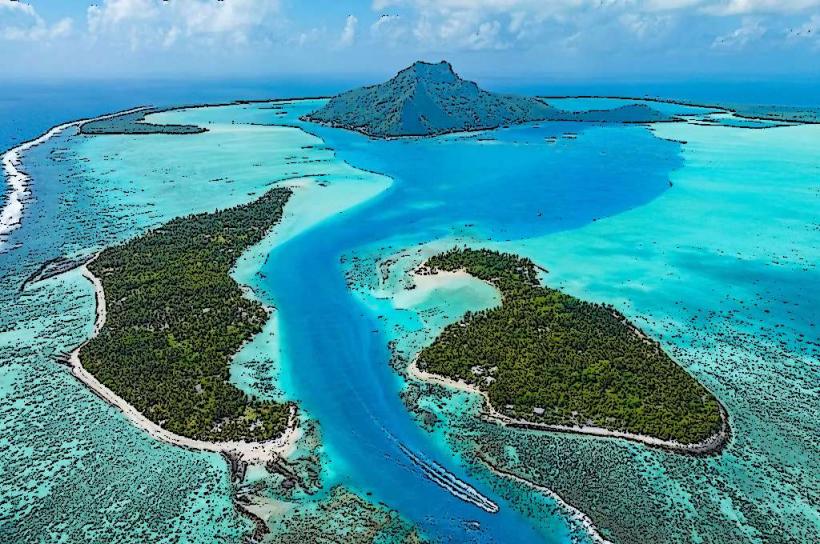
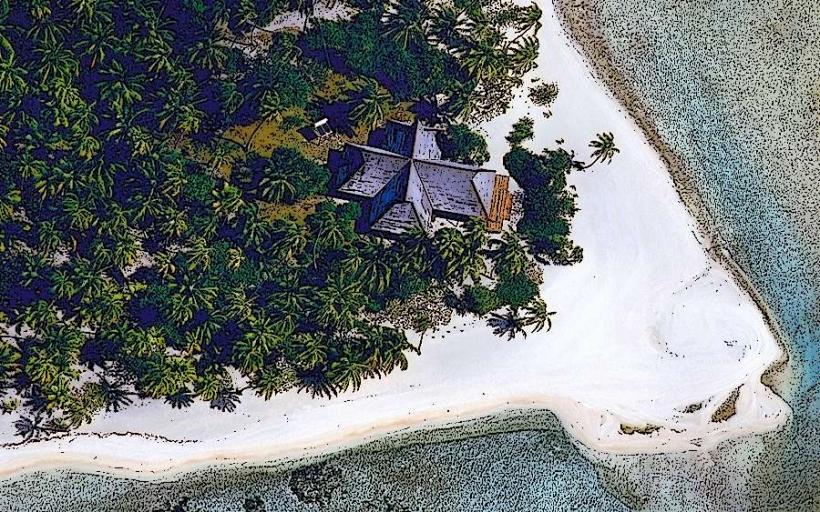
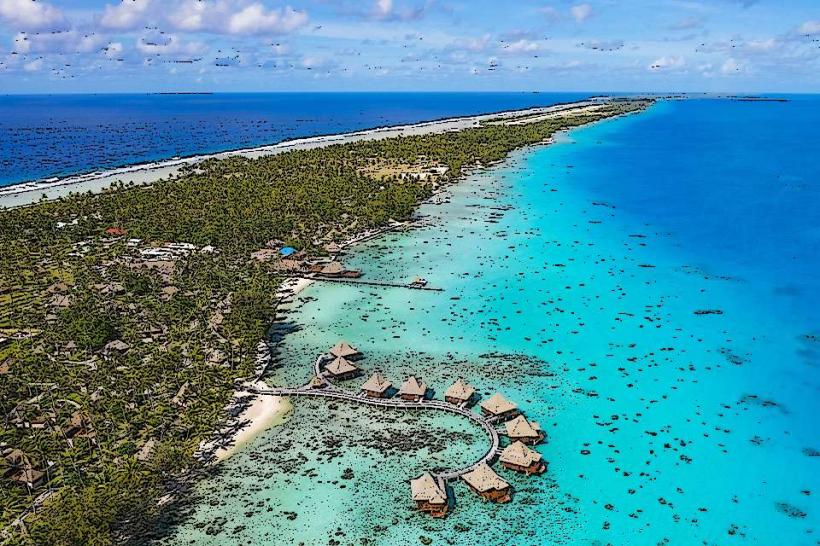
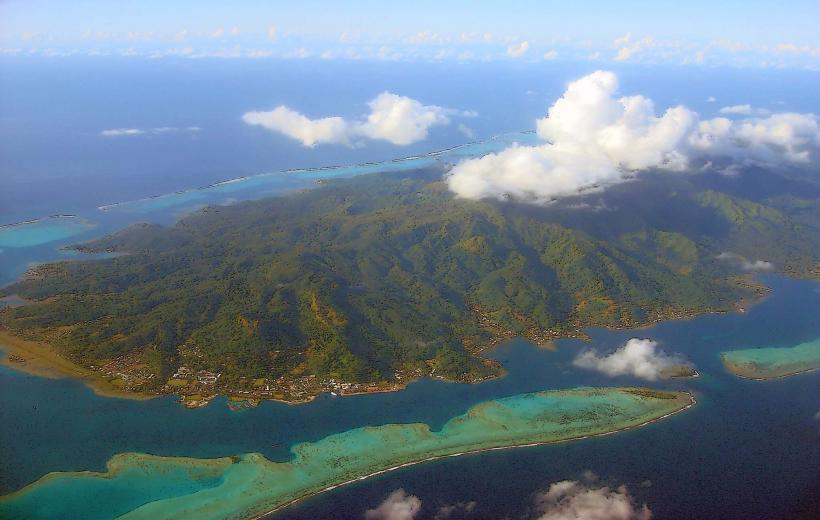
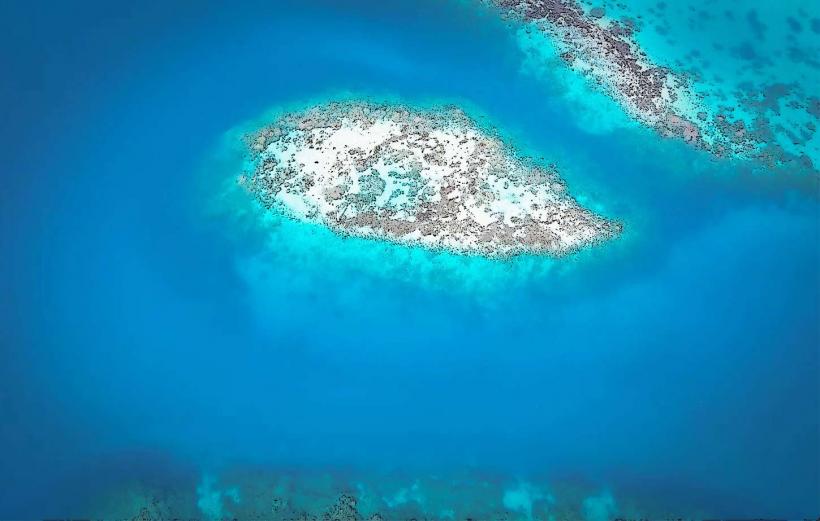
Motu Tiva is a coral islet situated within the Rangiroa atoll in French Polynesia.
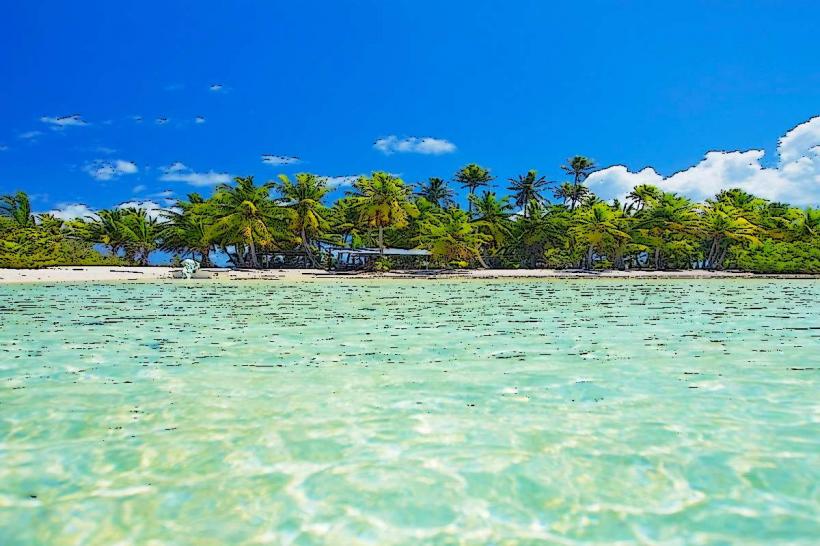
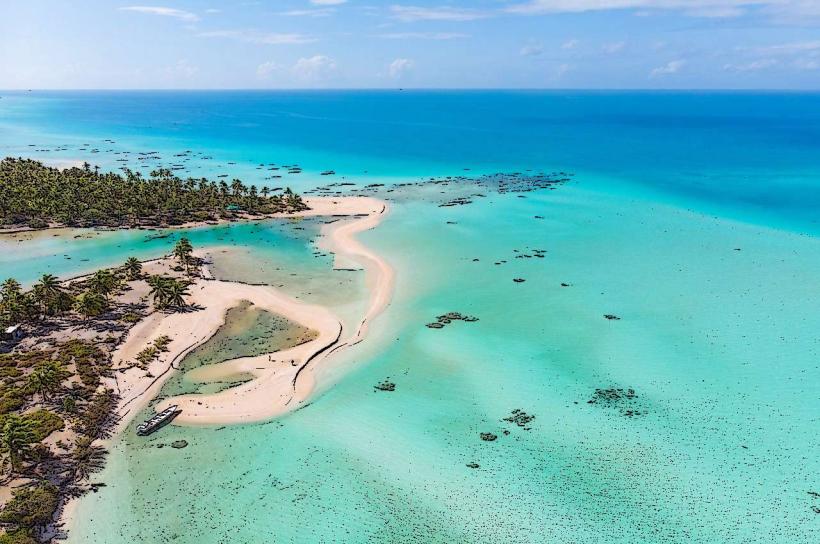
It is a small landmass characterized by its low elevation and sandy composition.
Visual Characteristics
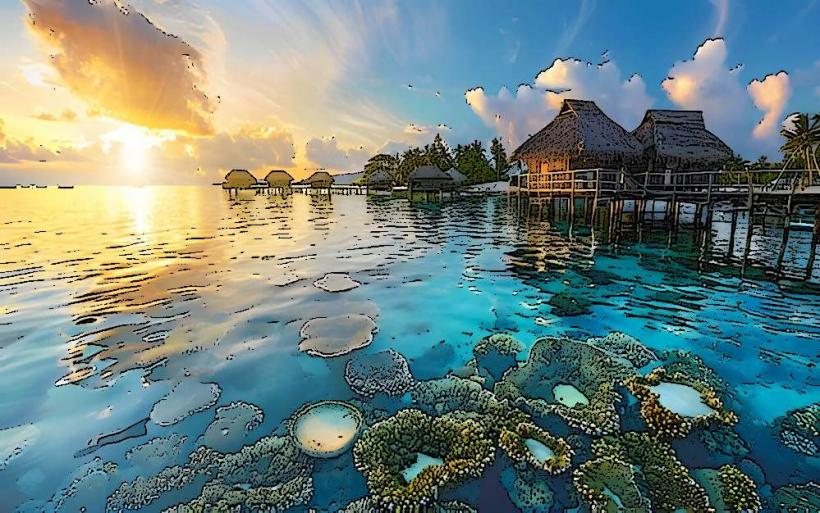
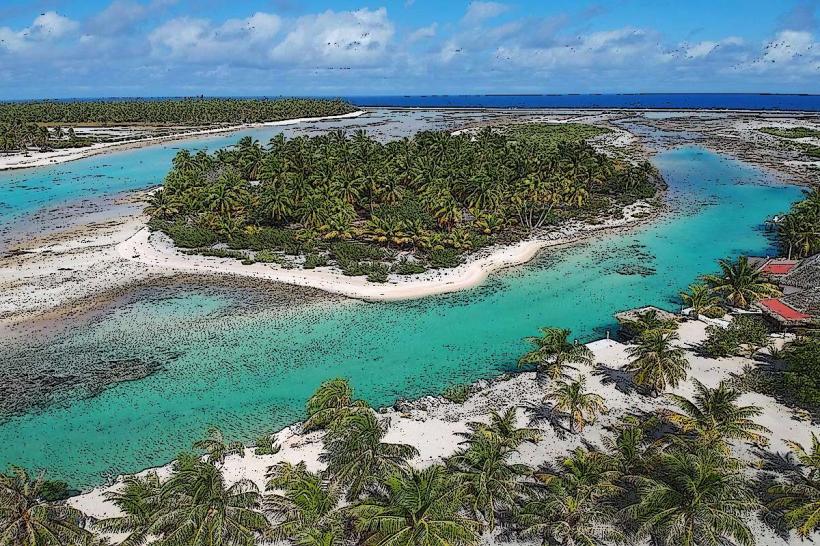
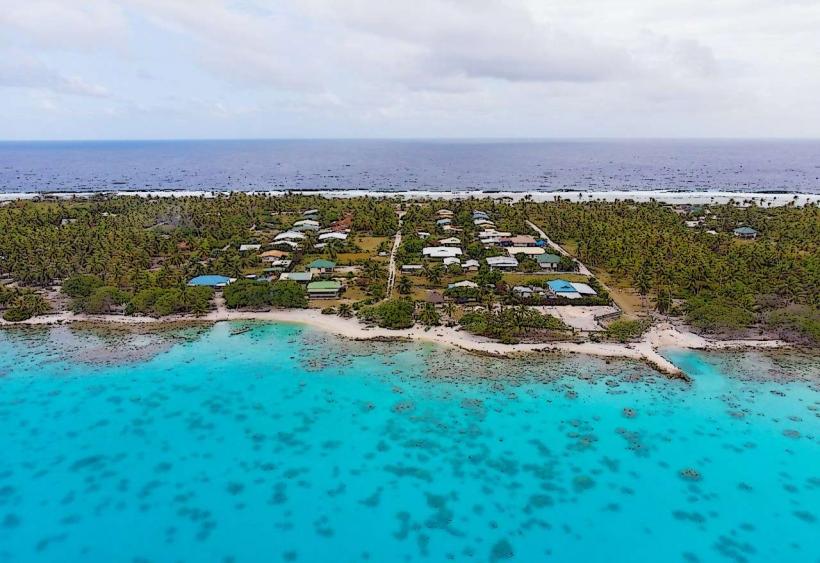
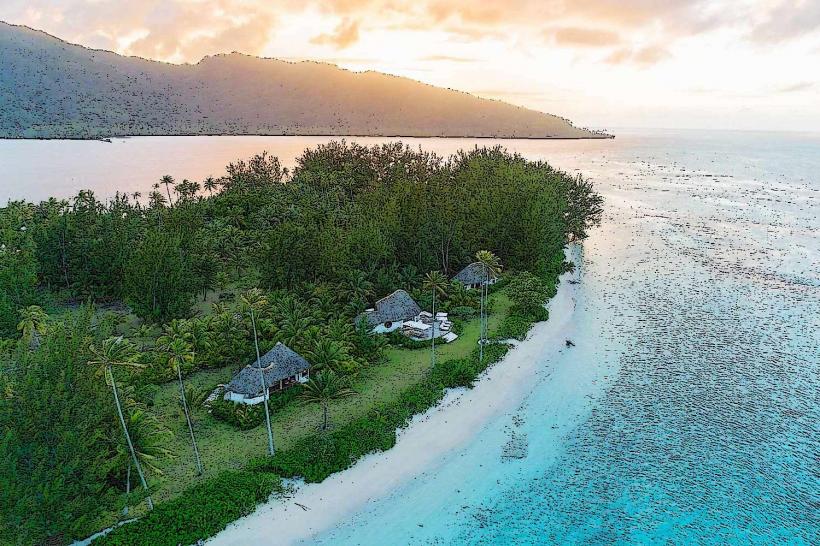
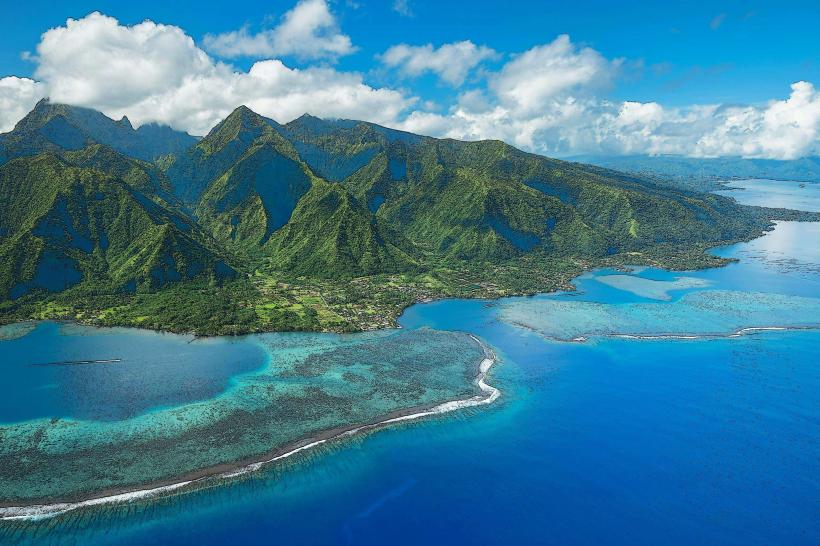
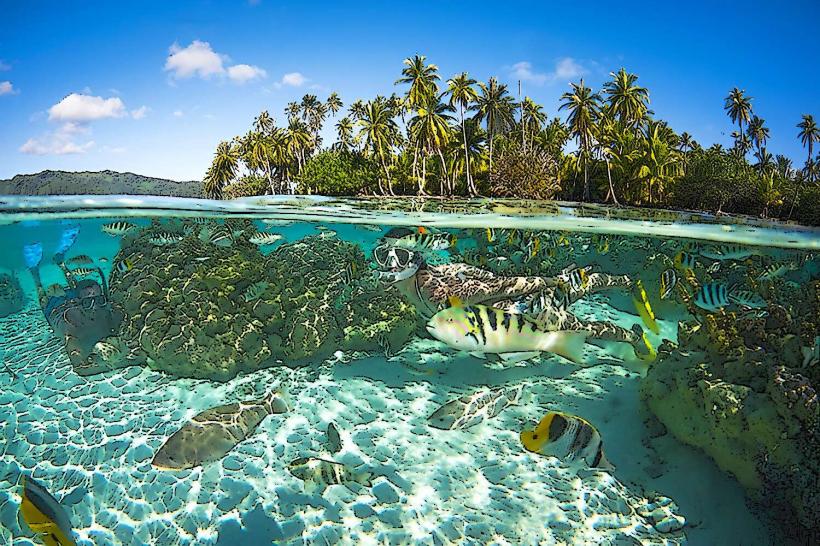
Motu Tiva consists primarily of coral sand and sparse vegetation, predominantly coconut palms. The islet's elevation is minimal, rarely exceeding a few meters above sea level. The surrounding lagoon water exhibits a range of blues, from pale turquoise near the shore to deeper sapphire further out.
Location & Access Logistics
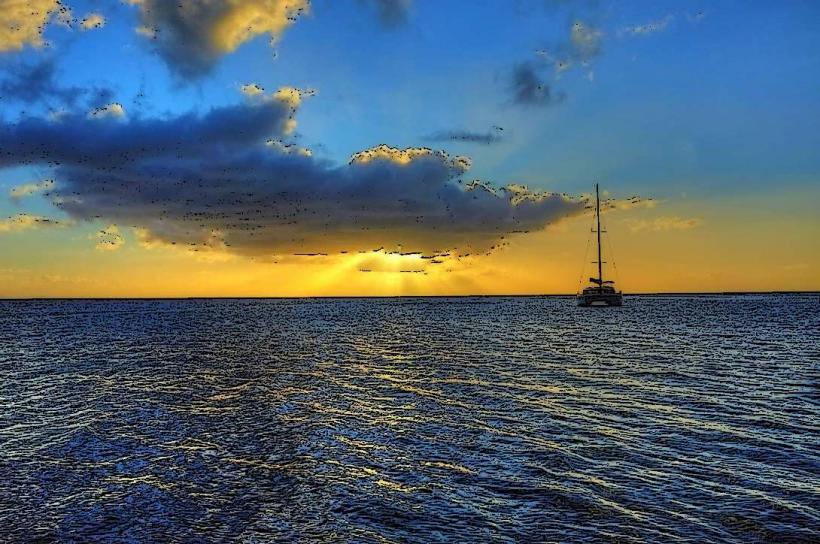
Motu Tiva is located on the eastern side of the Rangiroa atoll. Access is exclusively by boat from the main village of Avatoru. Boat transfers typically depart from the Avatoru wharf and take approximately 30-45 minutes, depending on sea conditions. There is no public transport to Motu Tiva. Private boat hire or organized tour operators are the primary means of access. Parking is available at the Avatoru wharf.
Historical & Ecological Origin
As a coral islet, Motu Tiva is a product of natural geological processes. It formed from the accumulation of coral debris and sediment over millennia within the sheltered environment of the Rangiroa atoll's lagoon. The atoll itself is a submerged volcanic island that has subsided, with coral reefs growing upwards to form the present-day ring structure.
Key Highlights & Activities
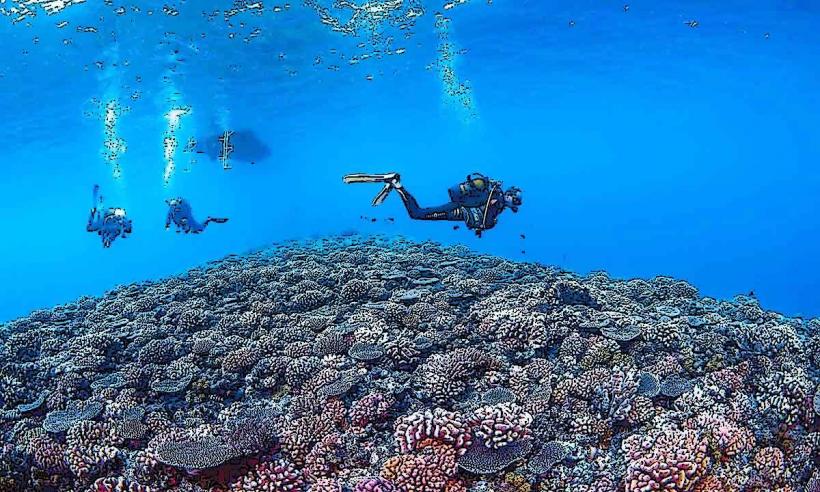
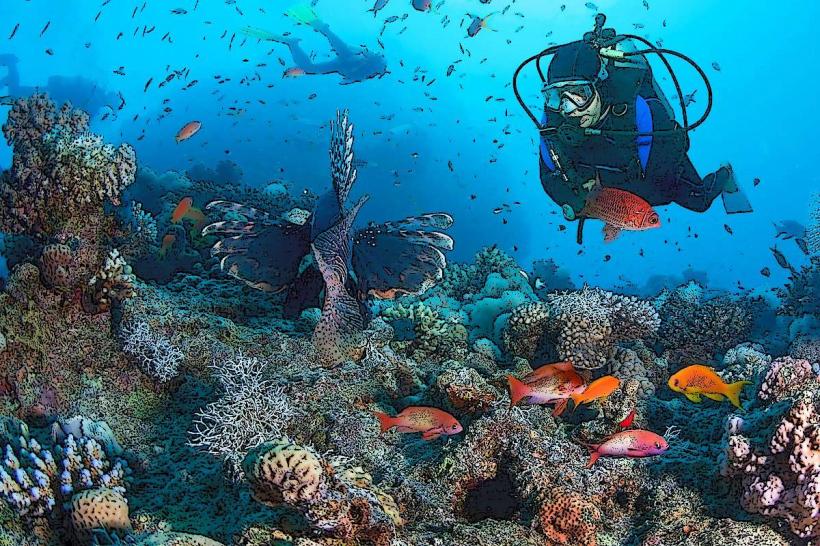
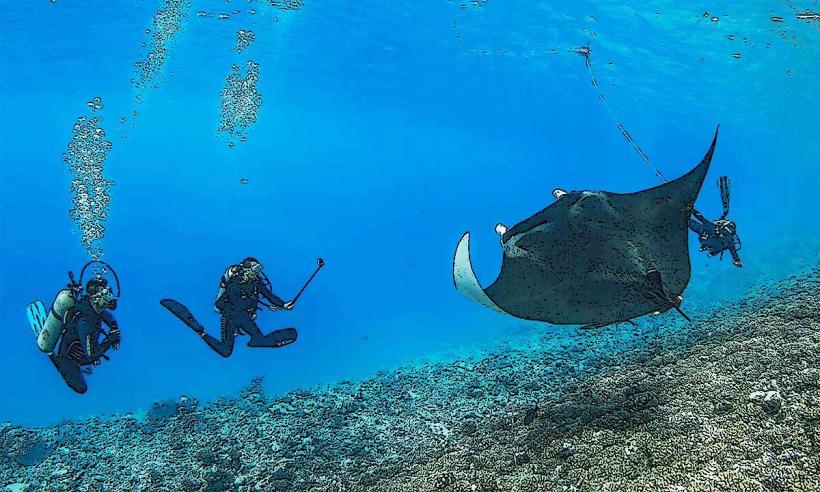
Activities at Motu Tiva are centered around the lagoon. Snorkeling is possible in the clear waters surrounding the islet, with opportunities to observe marine life. Visitors can walk the perimeter of the islet. Some tour operators offer picnic lunches on Motu Tiva.
Infrastructure & Amenities
Motu Tiva has minimal infrastructure. There are no permanent structures, restrooms, or dedicated food vendors on the islet itself. Shade is provided by natural vegetation, primarily coconut palms. Cell phone signal is generally weak or non-existent on Motu Tiva.
Best Time to Visit
The best time of day for photography is generally mid-morning to early afternoon, when sunlight is strongest and illuminates the lagoon colors. The dry season, from May to October, offers the most favorable weather conditions with lower rainfall. Tidal conditions do not significantly impact access to Motu Tiva, but calm seas are preferable for boat transfers.
Facts & Legends
A local anecdote suggests that the islet was once a favored resting spot for ancient Polynesian navigators charting courses across the Pacific. While unverified, this story highlights the islet's historical connection to seafaring traditions.
Nearby Landmarks
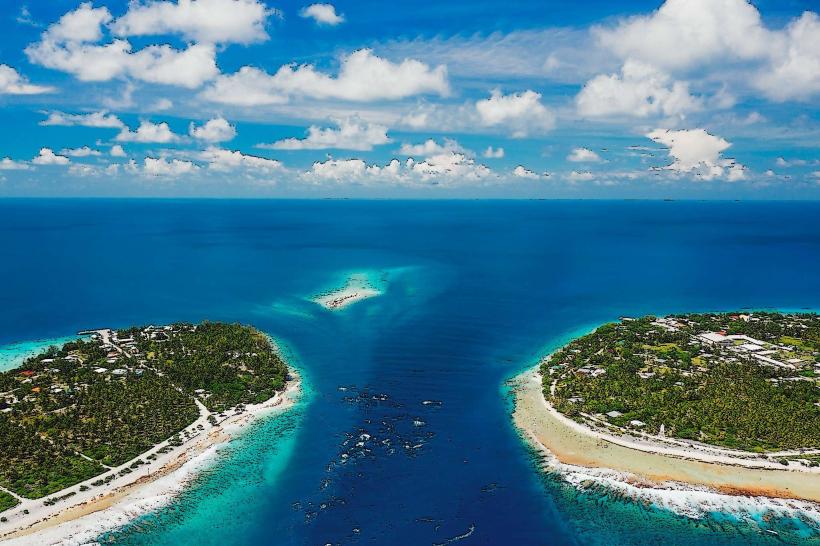
- Avatoru Pass (10km West)
- Tiputa Pass (12km West)
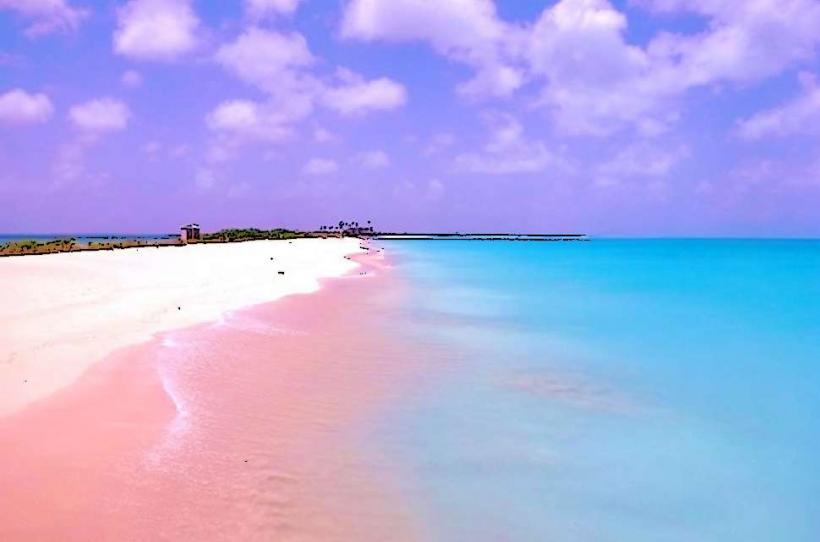
- Les Sables Roses (Pink Sands) (15km South)
- Rangiroa Airport (11km West)