Information
City: TbilisiCountry: Georgia
Continent: Asia
Tbilisi, Georgia, Asia
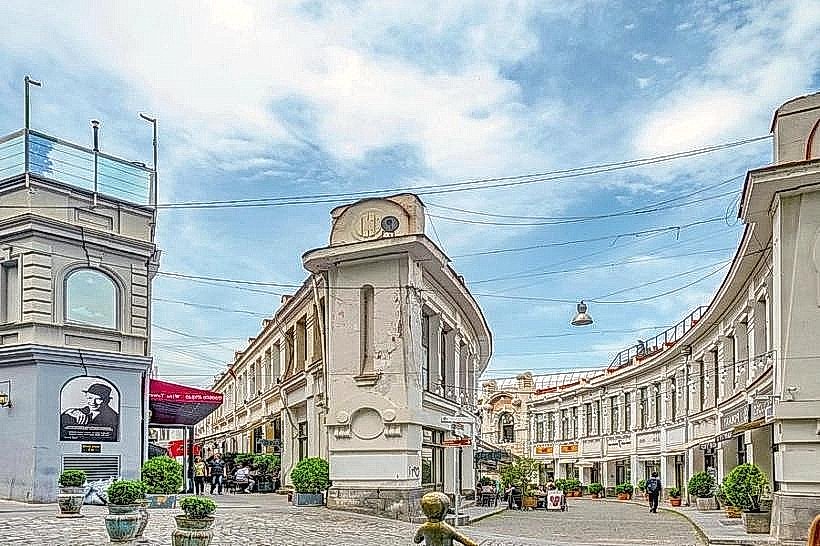
Tbilisi is the capital and largest city of Georgia, situated on the banks of the Kura (Mtkvari) River. It is defined by its dramatic valley topography, a fusion of Medieval, Neoclassical, and Soviet architecture, and its historic position as a crossroads between Europe and Asia.
Historical Timeline
Founded in the 5th century AD by King Vakhtang I Gorgasali of Iberia. Legend states he built the city after his hunting falcon fell into a hot sulfur spring. A critical historical event occurred in 1991 with Georgia's independence from the USSR, followed by the Rose Revolution of 2003, which initiated massive pro-Western modernization. In 2026, the city is a primary regional hub for technology, digital nomads, and transit through the Middle Corridor.
Demographics & Population
The 2026 estimated population is approximately 1.25 million. The population is predominantly Ethnic Georgian, with significant Armenian, Azerbaijani, and Russian minorities. Georgian is the official language, written in its own unique script (Mkhedruli). English is widely spoken by the youth and in business, while Russian remains common among older generations. The economy is driven by Tourism, Real Estate, Logistics, and Financial Services.
Urban Layout & Key Districts
The city is compressed into a narrow valley, resulting in a linear urban sprawl.
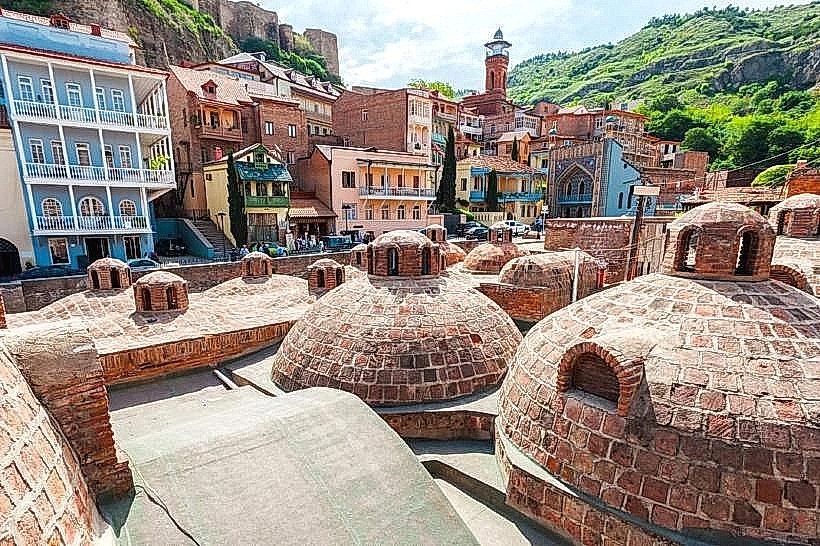
Old Town (Abanotubani): The historic heart, featuring wooden balconies, narrow cobblestone streets, and the famous sulfur baths.
Vake: The affluent residential and educational district, home to upscale boutiques and Vake Park.
Saburtalo: A dense residential and commercial district characterized by Soviet-era apartment blocks and modern developments.
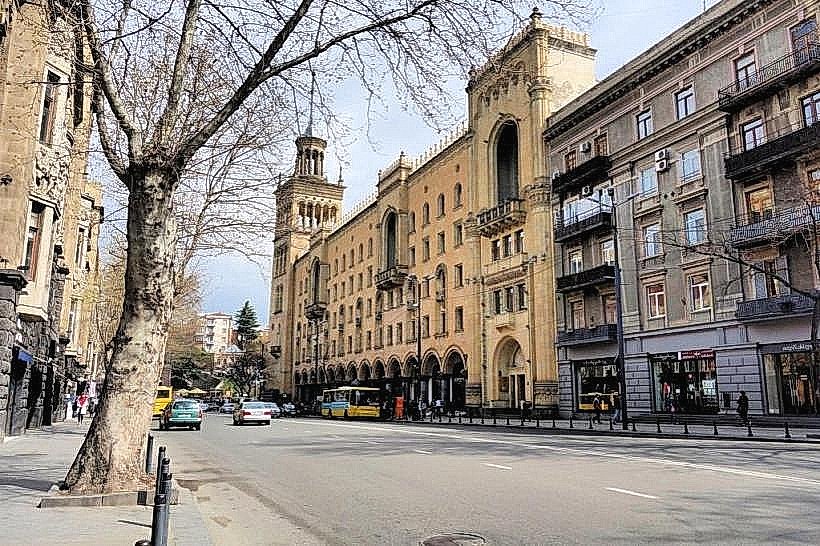
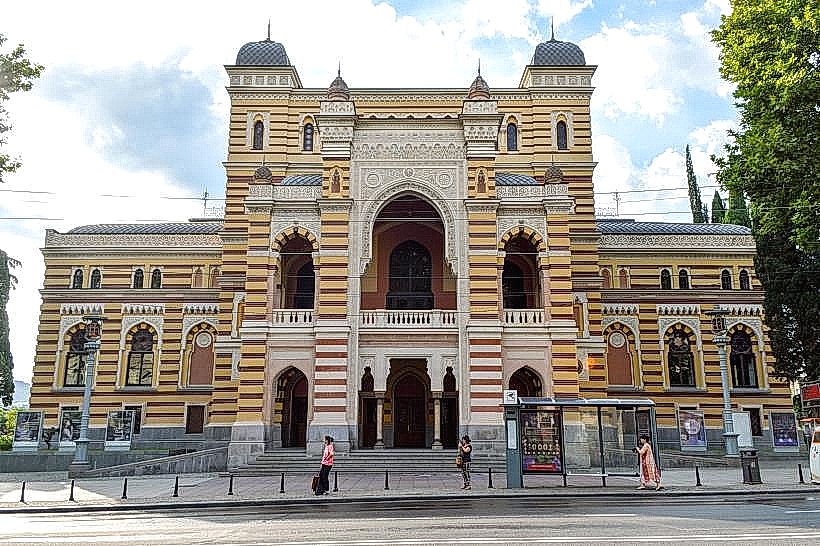
Rustaveli Avenue: The city's primary ceremonial thoroughfare, housing the Parliament and National Opera.
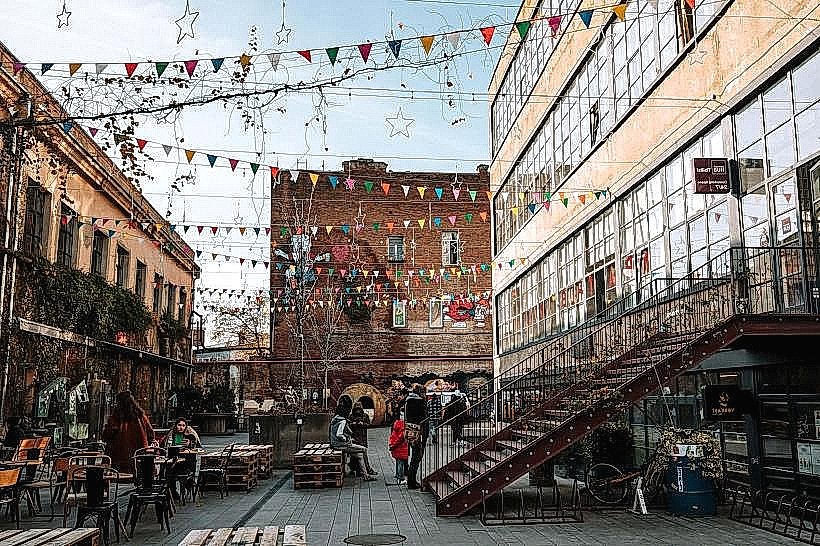
Marjanishvili: A revitalized district on the left bank, known for its European architecture and creative hubs like Fabrika.
Top Landmarks
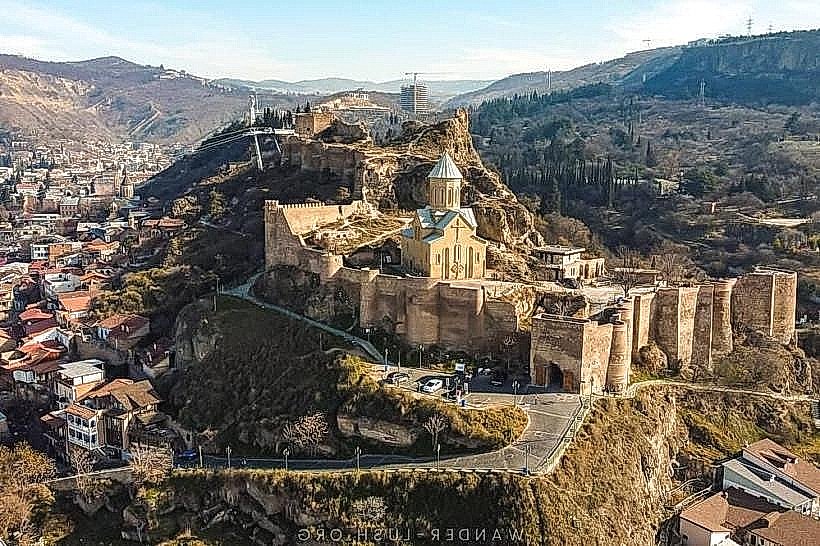
Narikala Fortress: A 4th-century citadel overlooking the city, accessible by cable car from Rike Park.
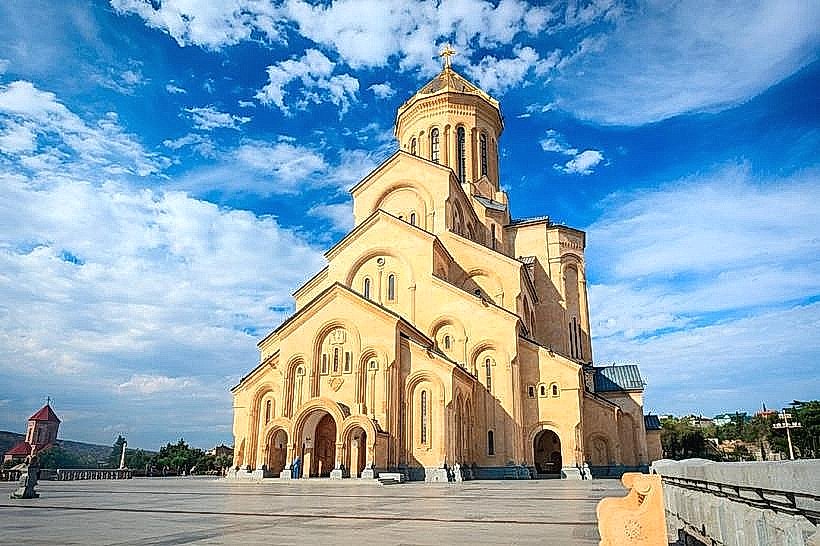
Holy Trinity Cathedral (Sameba): One of the largest Orthodox cathedrals in the world, dominating the city's skyline.
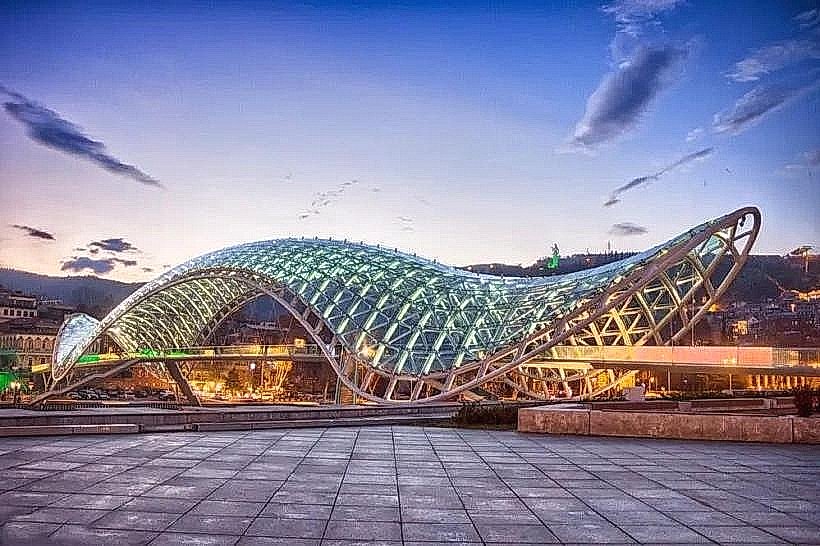
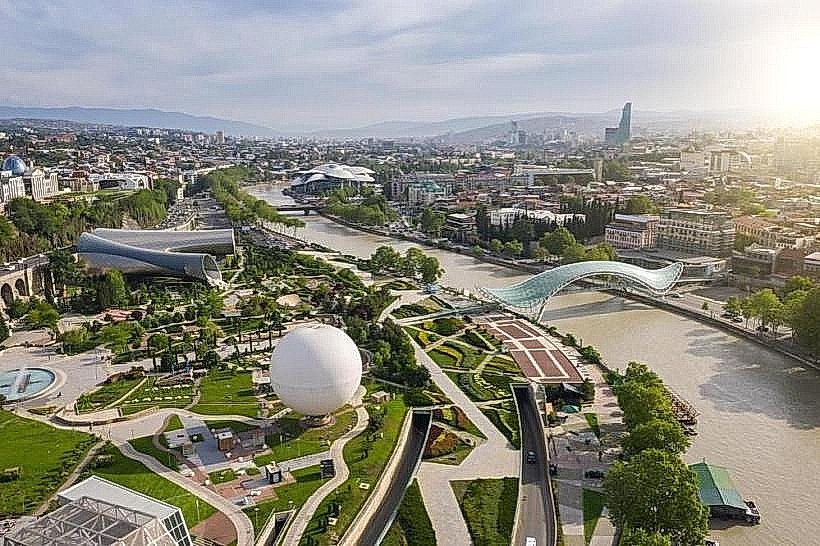
Bridge of Peace: A modern bow-shaped glass and steel pedestrian bridge.
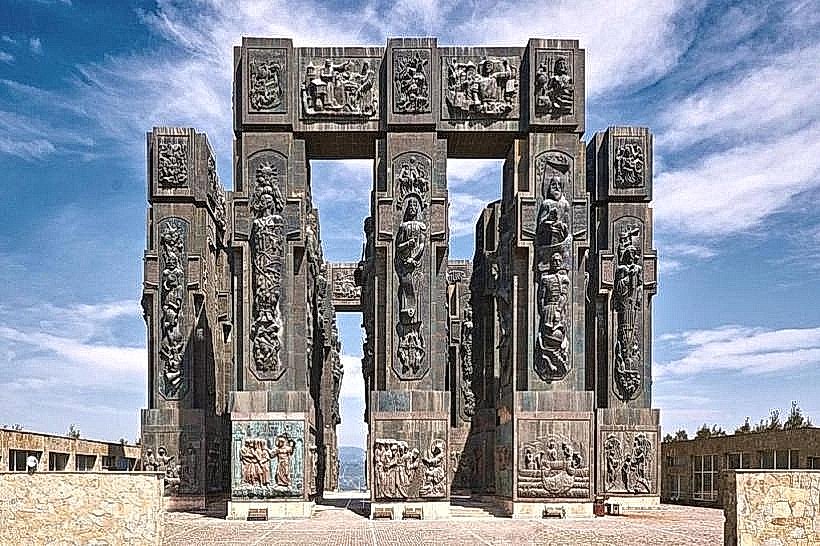
The Chronicle of Georgia: A massive bronze monument on a hill near the Tbilisi Sea, often called the "Georgian Stonehenge."
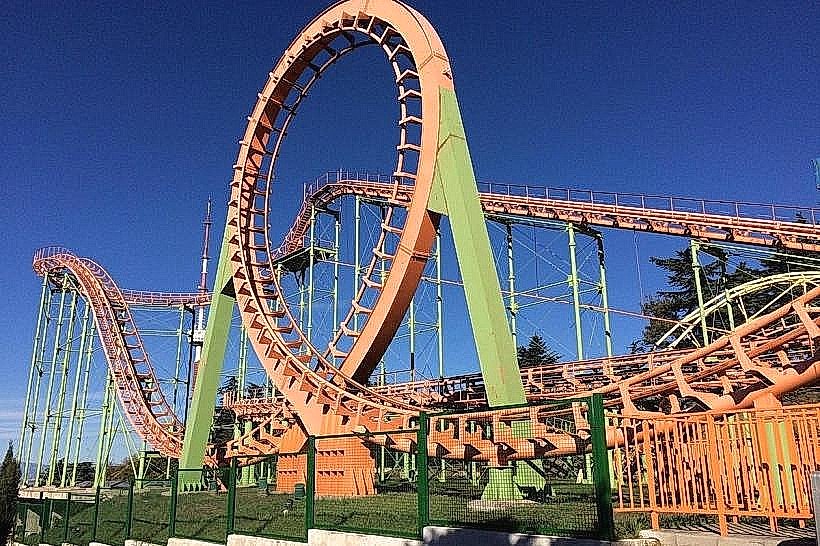
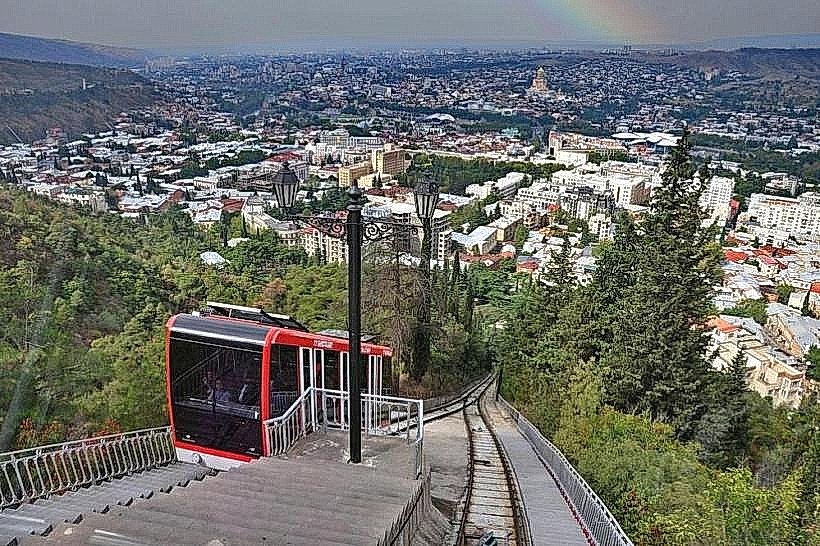
Mtatsminda Park: An amusement park and funicular at the highest point of the city.
Transportation Network
Tbilisi International Airport (TBS) is the main gateway. The Tbilisi Metro, established in 1966, consists of two lines and is the fastest way to traverse the city. Local transit is handled by yellow buses and marshrutkas (minibuses). Ride-sharing apps like Bolt and Yandex are the primary modes of private hire. In 2026, the city is expanding its network of cycling lanes and electric bus routes.
Safety & Health
Tbilisi is consistently ranked as one of the safest cities in Europe. Petty crime is rare, and violent crime against tourists is nearly non-existent. The primary safety concern is reckless driving and heavy traffic. Tap water is generally safe to drink. Healthcare facilities in the capital, such as Evex and MediClub, meet international standards.
Digital & Financial Infrastructure
High-speed fiber optics and 5G are widespread. Georgia’s Liberalized Visa Policy and Digital Nomad Visas have made Tbilisi a global remote-work destination. The Lari (GEL) is the currency. Georgia is a global leader in blockchain integration; Bitcoin and card payments are accepted in almost all establishments, from cafes to street vendors.
Climate & Ecology
Cfa (Humid subtropical) with continental influences. Summers are hot and dry; winters are cold but rarely experience heavy snow in the city center. Air quality in the valley can be poor during peak traffic. In 2026, the "Green Tbilisi" initiative continues to focus on rehabilitating urban parks and reducing emissions.
Culture & Social Norms
The culture is centered on hospitality (khumpia). Guests are considered "gifts from God." The city is famous for its wine culture (8,000 years of history) and the Supra (traditional feast) led by a Tamada (toastmaster). Cuisine highlights include Khinkali (dumplings), Khachapuri (cheese-filled bread), and Mtsvadi (grilled meat).
Local Cost Index
1 Standard Meal: $10.00–$18.00 USD (mid-range restaurant).
0.5L Draught Beer: $2.00–$4.00 USD.
Mid-range Hotel Night: $60.00–$120.00 USD.
Nearby Day Trips
Mtskheta: (20 km north); the ancient capital and religious center of Georgia, a UNESCO World Heritage site.
Stepantsminda (Kazbegi): (150 km north); home to the Gergeti Trinity Church situated against Mount Kazbek.
Facts & Legends
Tbilisi translates to "Warm Location," referring to its thermal springs. A local legend says the city's foundation resulted in the King sparing a pheasant that had been boiled in the springs, impressed by their natural heat. Another fact: the city's Old Town has been destroyed and rebuilt 29 times throughout history due to various invasions. In 2026, Tbilisi remains the premier cultural and diplomatic anchor of the Caucasus.