Information
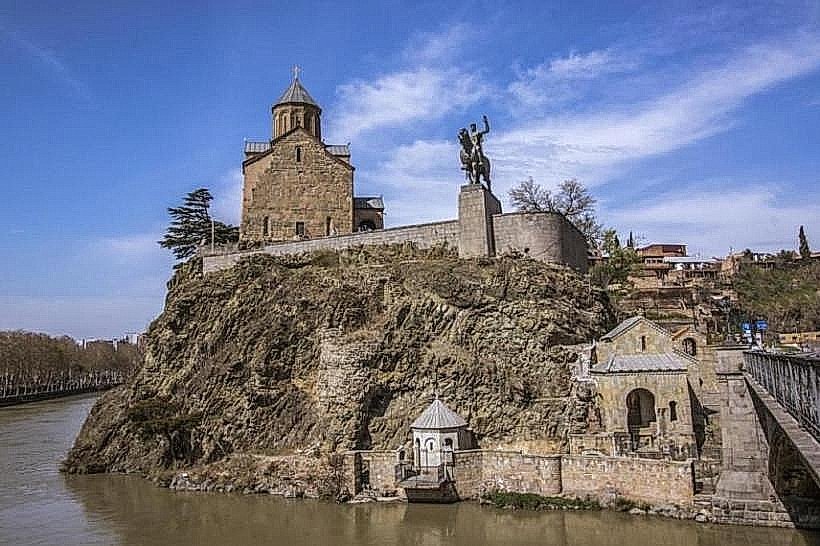
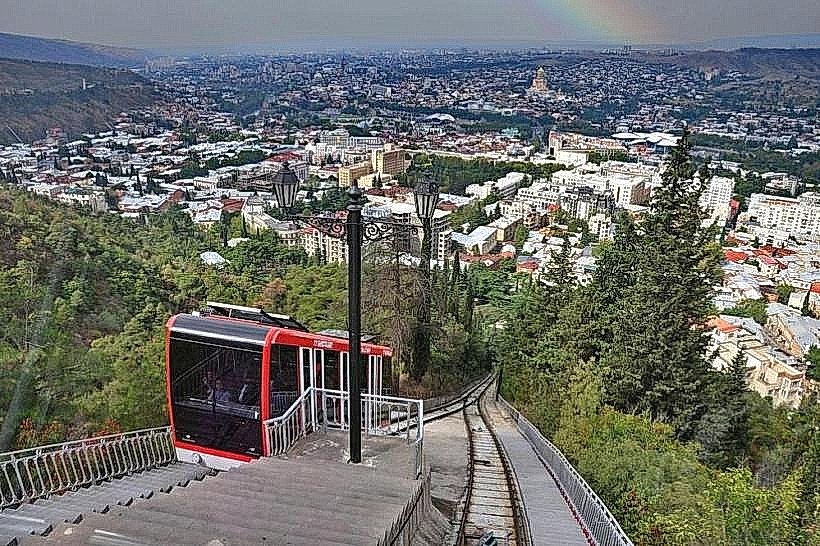
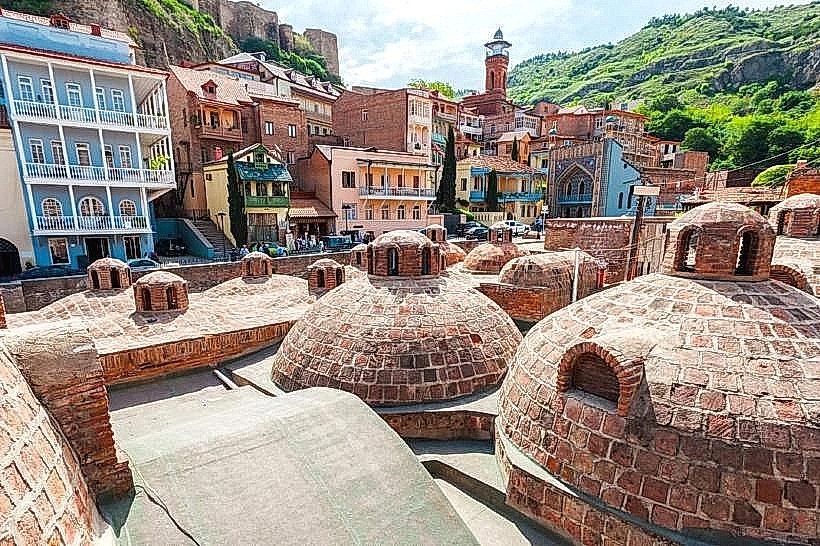
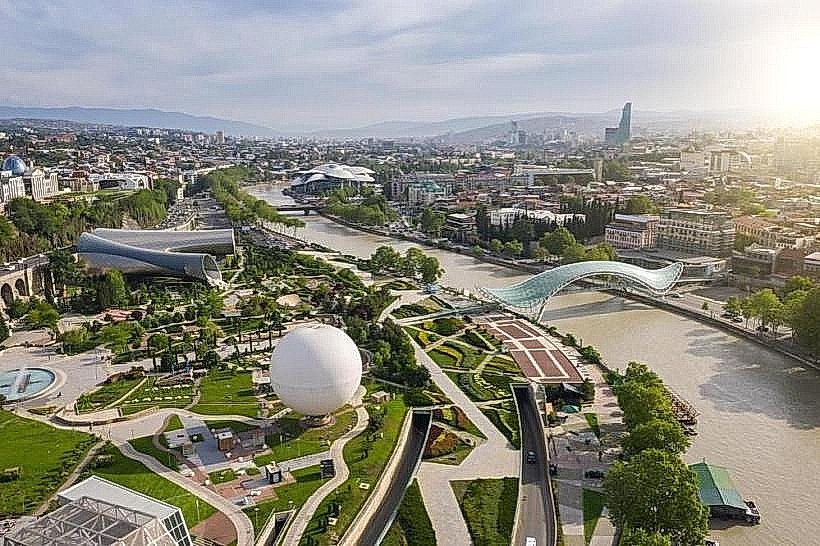
Landmark: Narikala FortressCity: Tbilisi
Country: Georgia
Continent: Asia
Narikala Fortress, Tbilisi, Georgia, Asia
The Brahmaputra River is a major trans-boundary river flowing through China, India, and Bangladesh. In Mymensingh, Bangladesh, it forms a significant geographical feature.
Visual Characteristics
The river's width varies seasonally, typically ranging from 1 kilometer to over 10 kilometers during the monsoon. The water color is generally brown due to suspended silt. The riverbanks are composed of alluvial soil and sand, with vegetation density increasing away from the immediate water's edge.
Location & Access Logistics
The Brahmaputra River flows through the Mymensingh district. Access points are numerous along its course. From Mymensingh city center, various local roads lead to the riverbanks. For instance, the Mymensingh-Gouripur Road provides access to areas east of the city. Parking is generally available on unpaved areas near the riverbanks, though it is informal. Public transport options include local buses and auto-rickshaws to reach specific points along the river.
Historical & Ecological Origin
The Brahmaputra is a geologically young river, formed by tectonic activity and river capture. Its current course is believed to have been established around 1780 after a major flood altered its path. Ecologically, it is a dynamic alluvial river system, supporting diverse aquatic life and influencing the surrounding floodplain ecosystem.
Key Highlights & Activities
Boat trips are available, offering views of riverine life and the landscape. Fishing is a common activity for local residents. Observing the river's flow and the daily activities of communities along its banks are primary engagements.
Infrastructure & Amenities
Basic amenities are limited directly on the riverbanks. Small local tea stalls and food vendors may be present in populated areas near access points. Restrooms are generally not available at informal access points. Cell phone signal (4G/5G) is typically available in areas close to Mymensingh city.
Best Time to Visit
For photography, early morning and late afternoon offer softer light. The dry season, from November to March, provides more stable river conditions and clearer skies. During the monsoon (June to October), the river is at its widest and most powerful, but access can be challenging.
Facts & Legends
The Brahmaputra is known as the "Son of Brahma" in Hindu mythology, signifying its divine origin. A specific local tip is to inquire about ferry schedules for crossing the river, as these are essential for local transport and offer a different perspective of the river's scale.
Nearby Landmarks
- 0.8km West: Mymensingh Town Hall
- 1.5km North: Mymensingh Circuit House
- 2.2km Southwest: Mymensingh Medical College
- 3.5km East: Gouripur Upazila