Information
Landmark: Sioni CathedralCity: Tbilisi
Country: Georgia
Continent: Asia
Sioni Cathedral, Tbilisi, Georgia, Asia
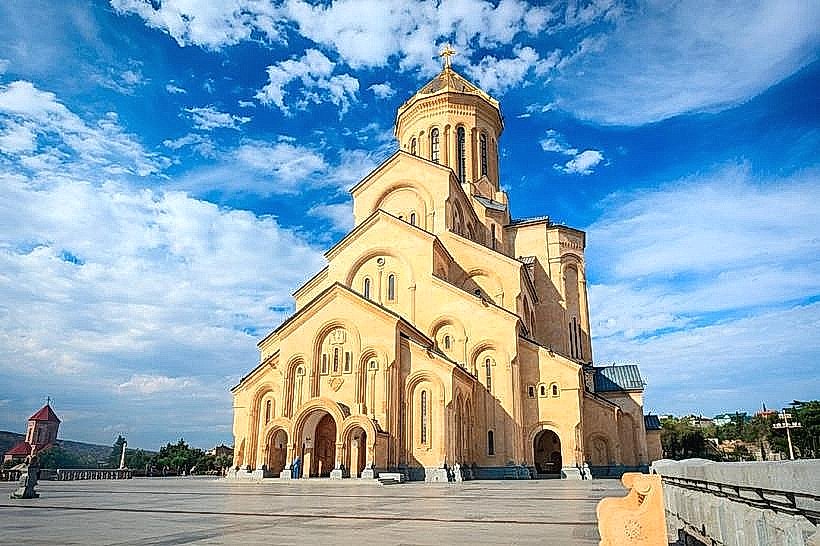
Sioni Cathedral is a Georgian Orthodox cathedral located in Tbilisi, Georgia.
Visual Characteristics
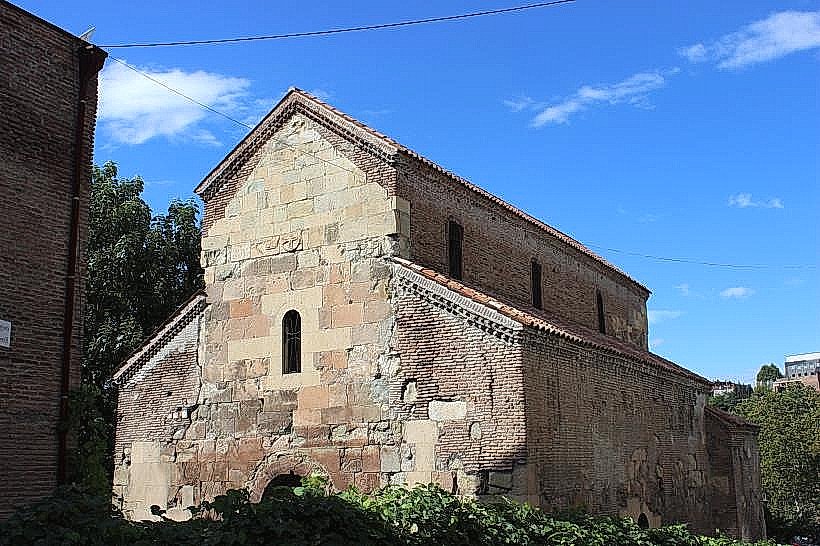
The cathedral is constructed primarily from dressed stone and brick. Its exterior walls are a pale yellow-brown hue, with white stone detailing around windows and cornices. The structure features a central dome supported by a drum, topped with a smaller cupola. The architectural style is characteristic of medieval Georgian church design, with a cruciform plan and a single nave.
Location & Access Logistics
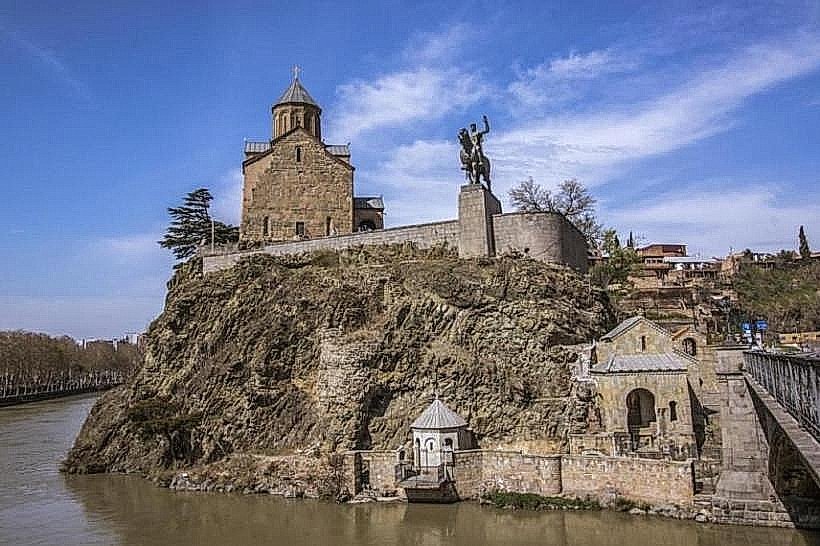
Sioni Cathedral is situated in the historic Old Town of Tbilisi, on the banks of the Mtkvari River. It is approximately 1km East of Freedom Square, the city's central hub. Access is via Sioni Street. Limited street parking is available in the vicinity, and it is accessible by foot from most central Tbilisi locations. Bus routes 31, 34, 52, and 82 stop within a 5-minute walk at the "Sioni Cathedral" stop.
Historical & Ecological Origin
The original church on this site was built in the 5th century by King Vakhtang Gorgasali. The current structure largely dates from the 13th century, with significant renovations and additions in the 17th and 19th centuries. It served as the primary cathedral of Georgia until the construction of Holy Trinity Cathedral in 2004.
Key Highlights & Activities
Visitors can observe the interior frescoes and iconostasis. The cathedral houses the relics of Saint Nino, the evangelist of Georgia. Photography is permitted inside, though visitors are requested to be respectful of ongoing services.
Infrastructure & Amenities
Restrooms are available within the cathedral complex. Limited shade is provided by the building's structure. Cell phone signal (4G/5G) is generally good within the immediate vicinity. No food vendors are located directly at the cathedral, but numerous cafes and restaurants are present on nearby streets.
Best Time to Visit
For optimal lighting for photography of the exterior, late afternoon provides direct sunlight on the western facade. The interior is accessible throughout the day, with fewer crowds typically observed in the early morning or late afternoon. Weather is most favorable for visiting between May and October.
Facts & Legends
A unique feature of Sioni Cathedral is the presence of a fragment of the True Cross, believed to have been brought to Georgia by Saint Nino. Legend states that the cross was made from the wood of a tree that grew from the spot where Saint Nino's tears fell.
Nearby Landmarks
- Anchiskhati Basilica (0.2km West)
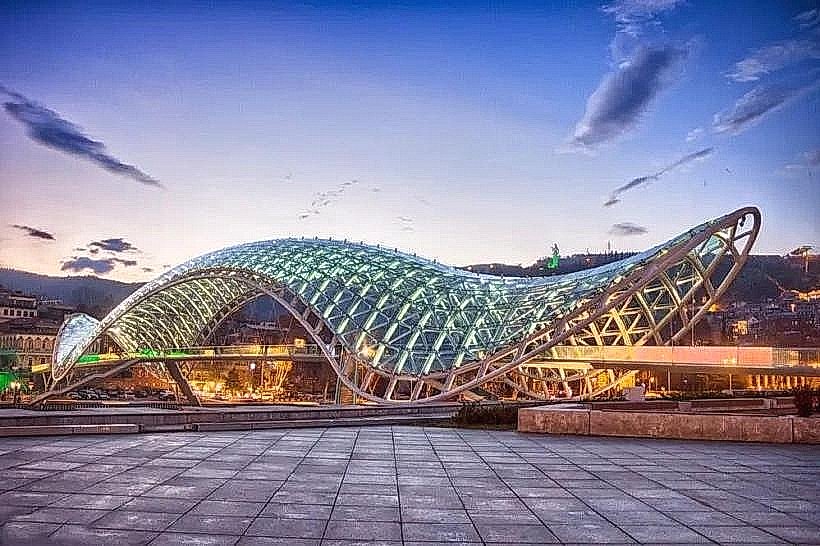
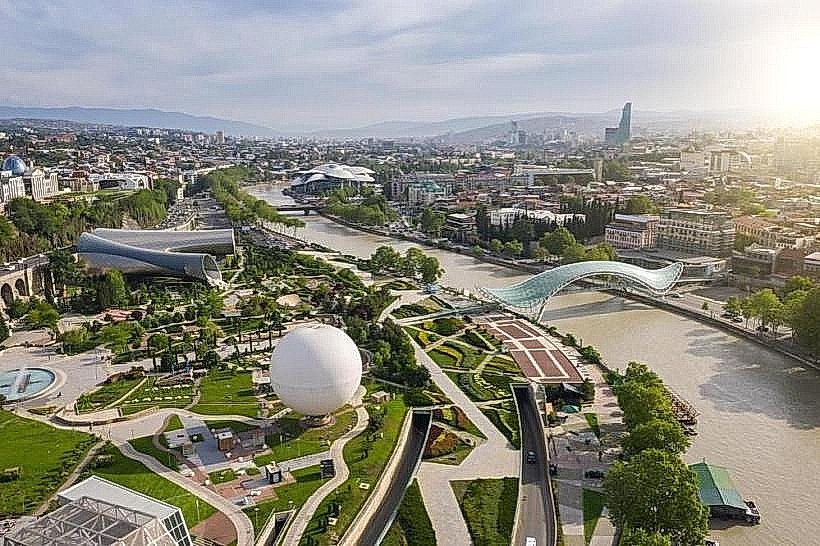
- Bridge of Peace (0.4km Southwest)
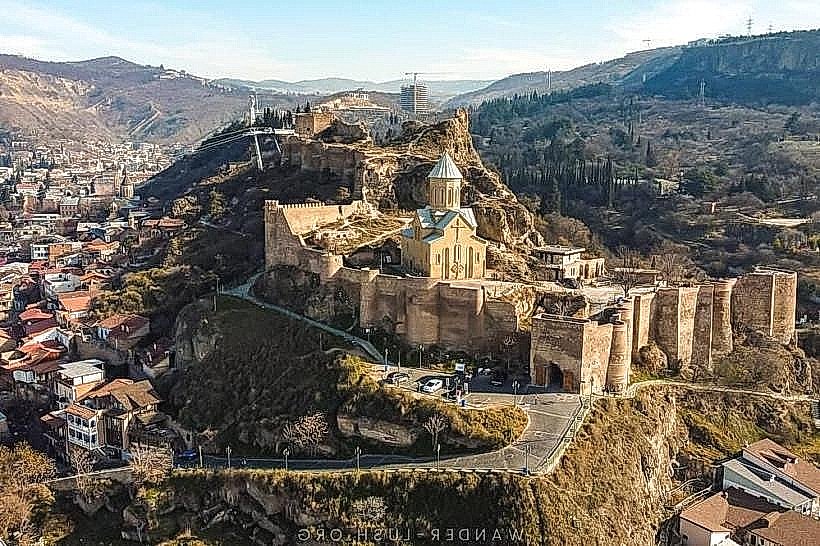
- Narikala Fortress (0.6km Northwest)
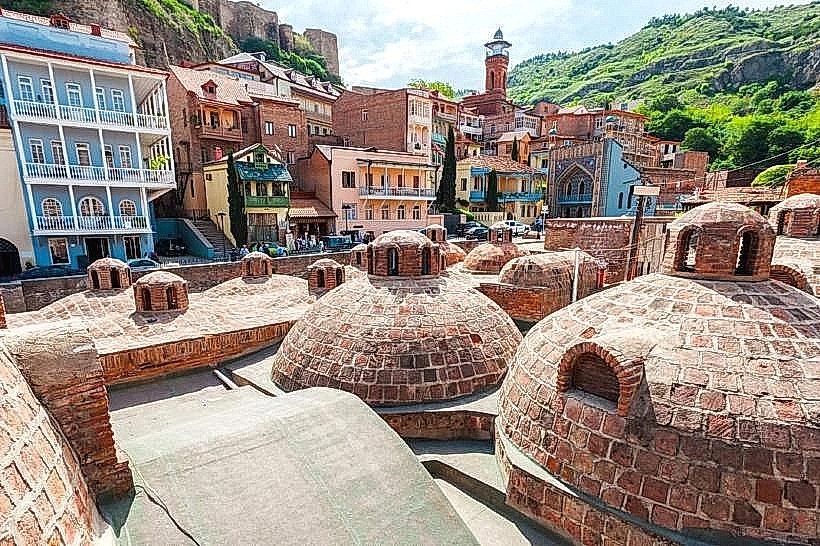
- Abanotubani (Sulfur Baths) (0.7km West)
- Georgian National Museum (1.2km West)