Information
Landmark: Tbilisi Old TownCity: Tbilisi
Country: Georgia
Continent: Asia
Tbilisi Old Town, Tbilisi, Georgia, Asia
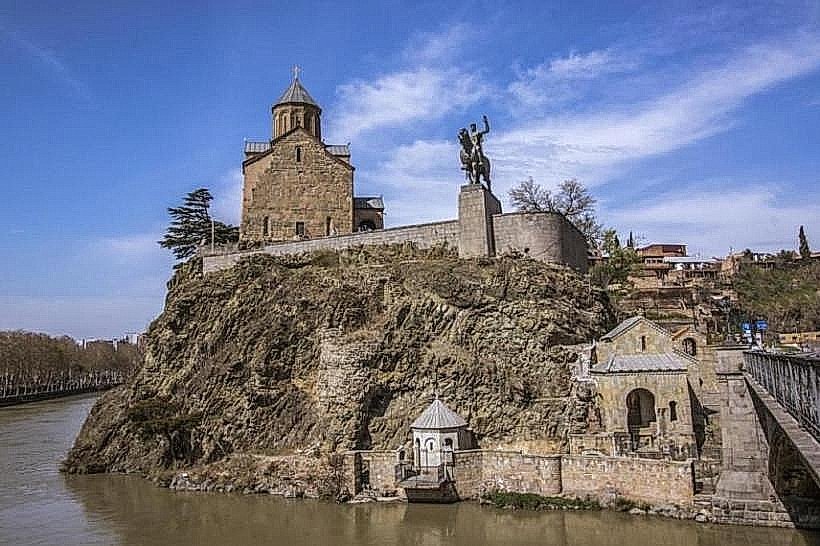
Tbilisi Old Town is the historic core of Tbilisi, Georgia, situated on the banks of the Mtkvari River.
Visual Characteristics
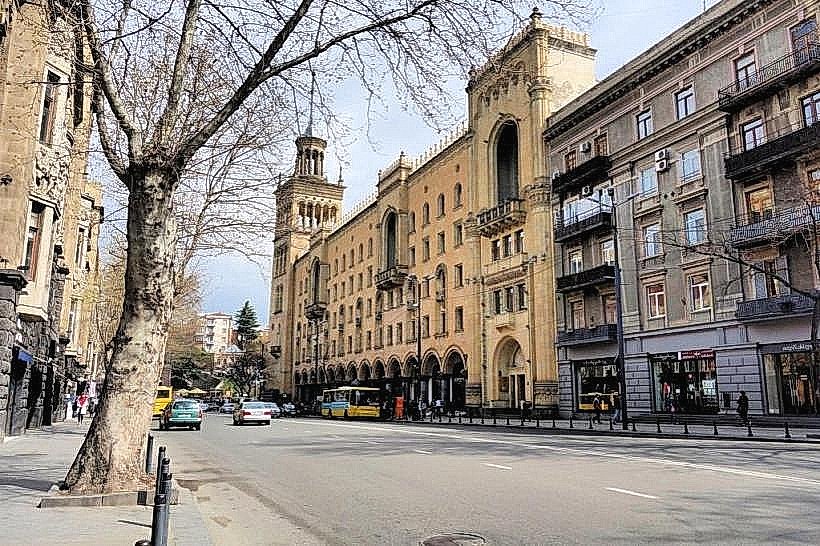
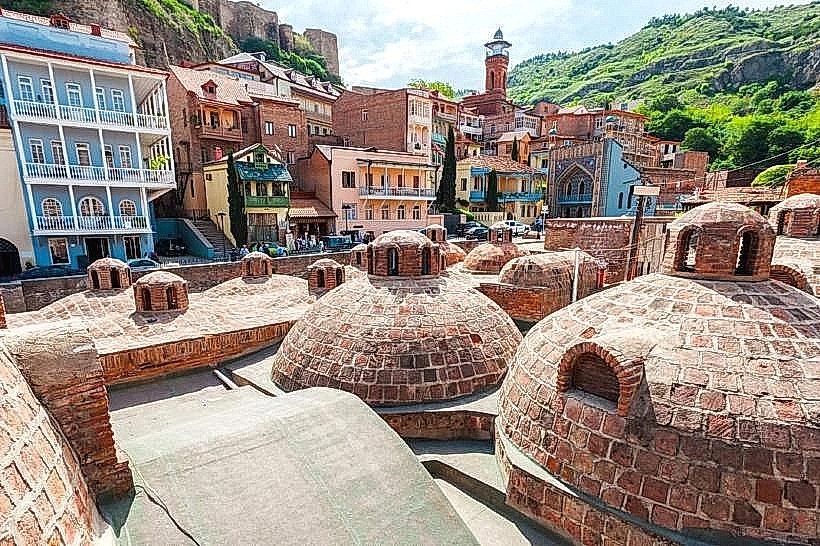
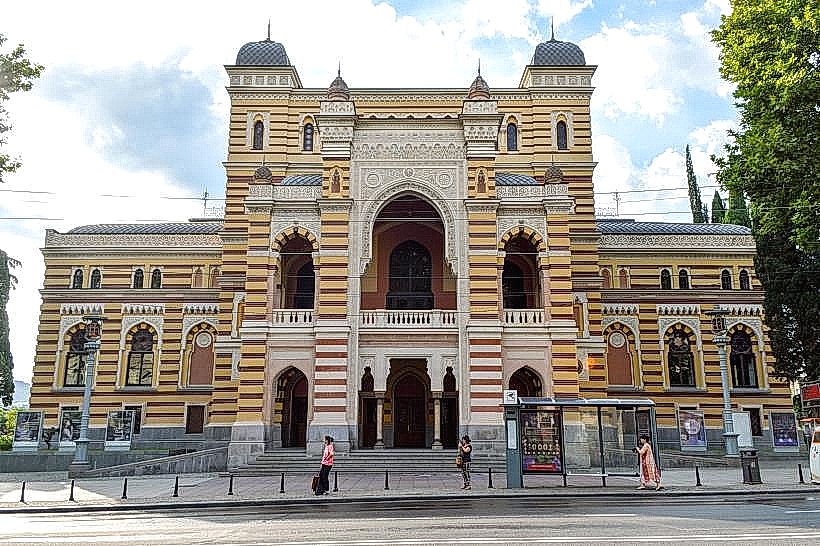
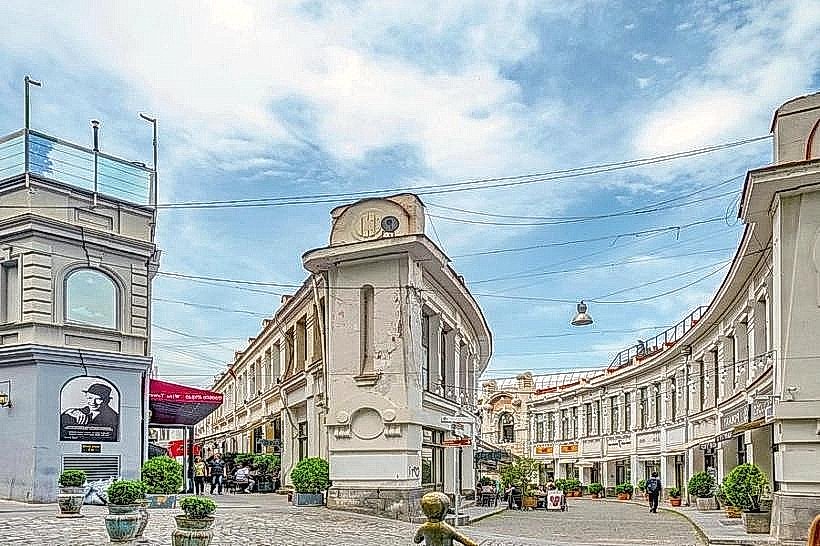
The Old Town features a dense concentration of multi-story houses with distinctive wooden balconies, often painted in muted earth tones or pastel colors. Buildings are primarily constructed from brick and stone, with tiled roofs. Architectural styles reflect a blend of medieval, classical, and Art Nouveau influences. Narrow, winding cobblestone streets characterize the urban layout.
Location & Access Logistics
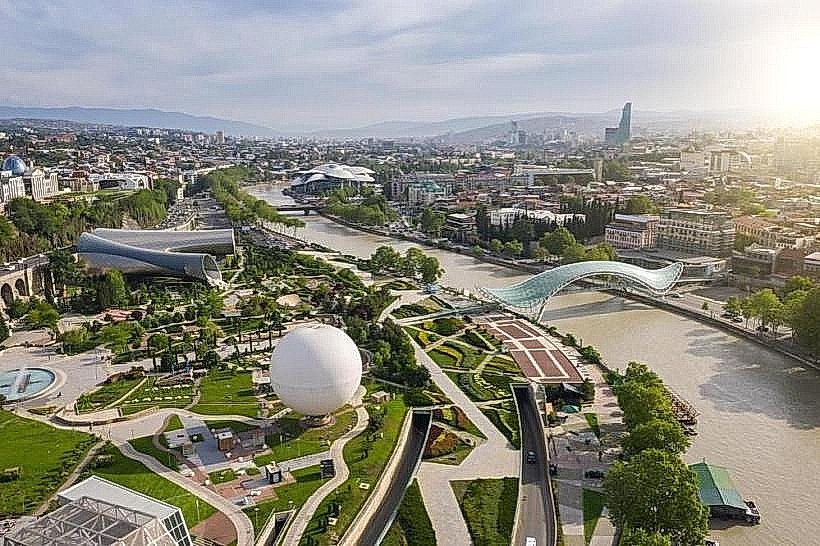
Tbilisi Old Town is located in the central district of Tbilisi, approximately 1 kilometer east of Rustaveli Avenue. Access is primarily on foot from the city center. Public transport options include the Tbilisi Metro with the closest stations being Avlabari and Liberty Square, both requiring a short walk. Several bus lines also serve the perimeter of the Old Town. Parking is severely restricted within the Old Town itself; designated parking areas are available on the periphery, such as near the Peace Bridge.
Historical & Ecological Origin
The origins of Tbilisi date back to the 5th century AD, founded by King Vakhtang Gorgasali. The city's strategic location on trade routes contributed to its development. The Old Town's layout and architecture are a result of centuries of construction, destruction, and reconstruction, influenced by Persian, Arab, Byzantine, and Russian periods.
Key Highlights & Activities
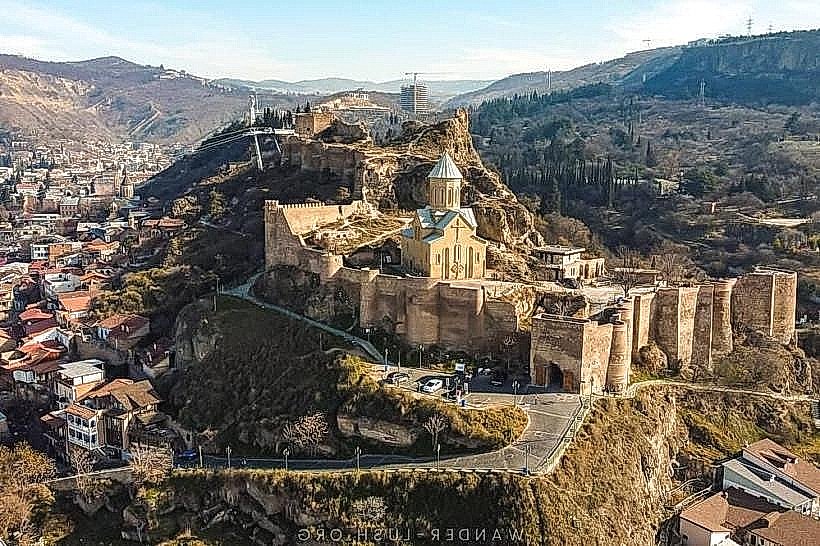
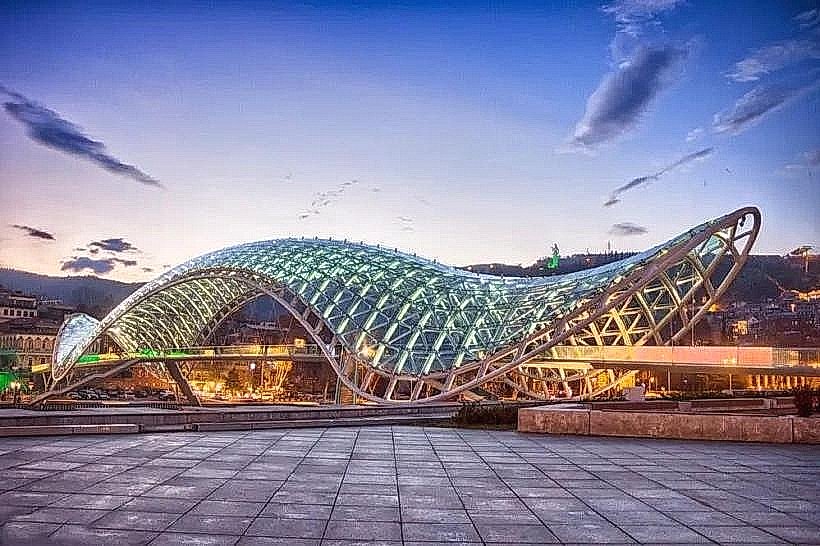
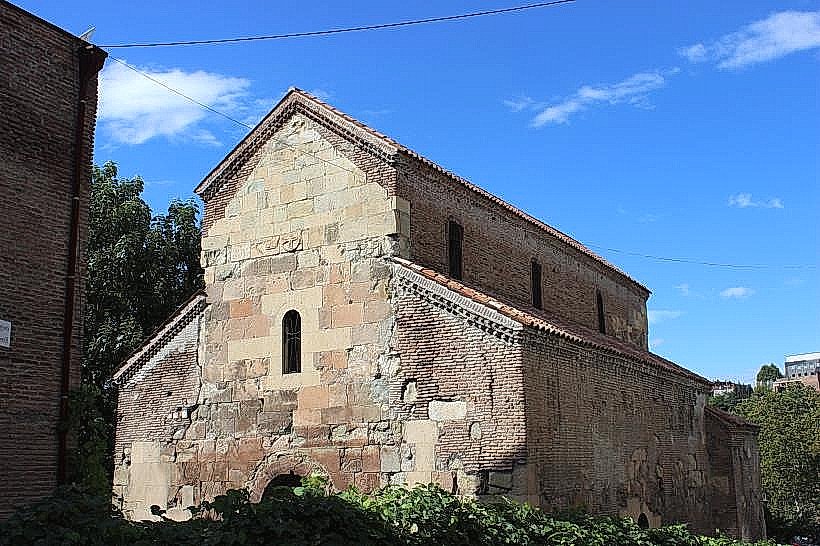
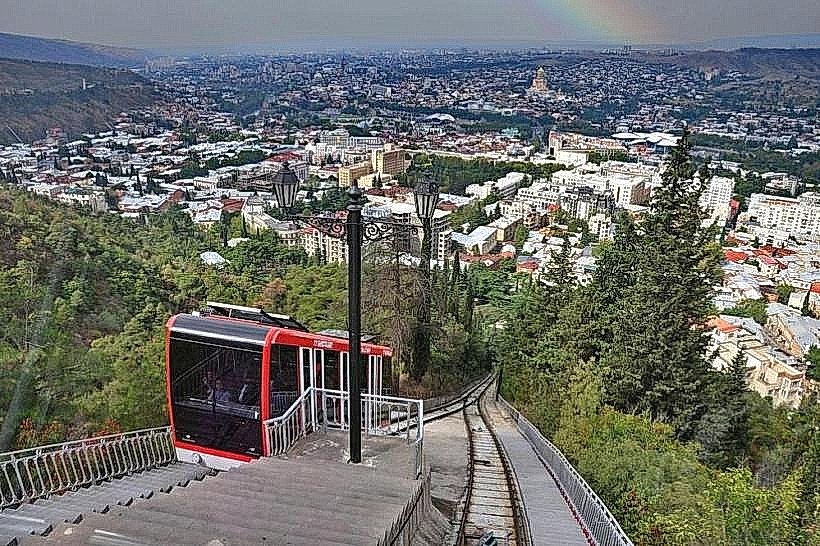
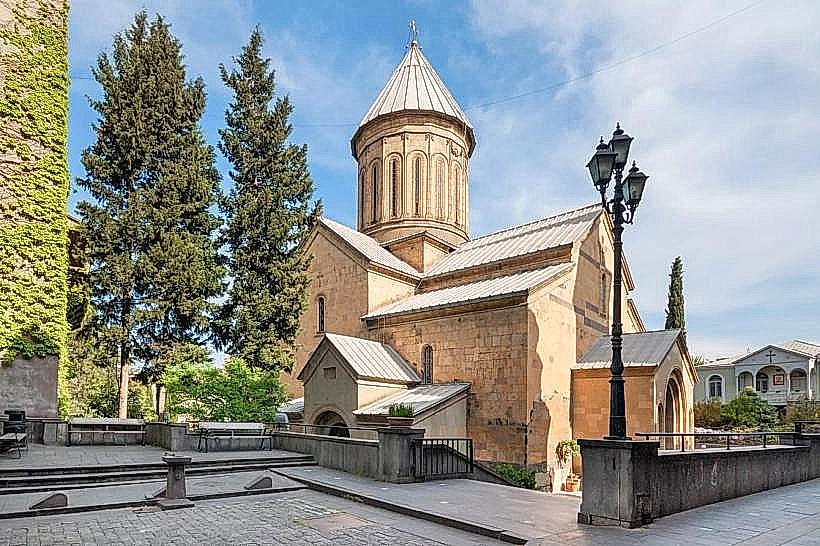
Explore the Narikala Fortress, accessible via cable car or a steep walk. Visit the sulfur baths district (Abanotubani) for their distinctive domed roofs. Walk across the Bridge of Peace. Ascend to the Mother of Georgia statue for panoramic views. Visit Sioni Cathedral and Anchiskhati Basilica. Browse the shops and cafes along Shardeni Street.
Infrastructure & Amenities
Restrooms are available in many cafes and restaurants. Shade is provided by building overhangs and narrow street configurations. Cell phone signal (4G/5G) is generally strong throughout the Old Town. Food vendors and numerous restaurants are present within the Old Town and its immediate surroundings.
Best Time to Visit
For photography, early morning or late afternoon provides optimal lighting conditions, avoiding harsh midday sun. The best months for weather are typically April to June and September to October, offering mild temperatures. High tide is not a relevant factor for this urban landmark.
Facts & Legends
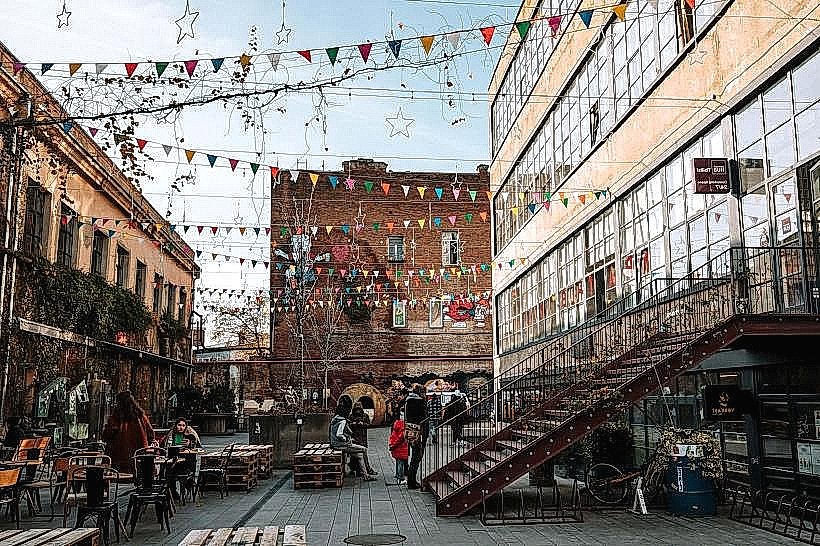
Legend states that King Vakhtang Gorgasali discovered the hot springs while hunting, and the area's sulfurous waters led to the city's founding. A specific tip for visitors is to look for the small, often unmarked courtyards which can lead to quiet, atmospheric spaces away from the main thoroughfares.
Nearby Landmarks
- Narikala Fortress (0.2km West)
- Sulfur Baths (Abanotubani) (0.3km West)
- Bridge of Peace (0.4km Southwest)
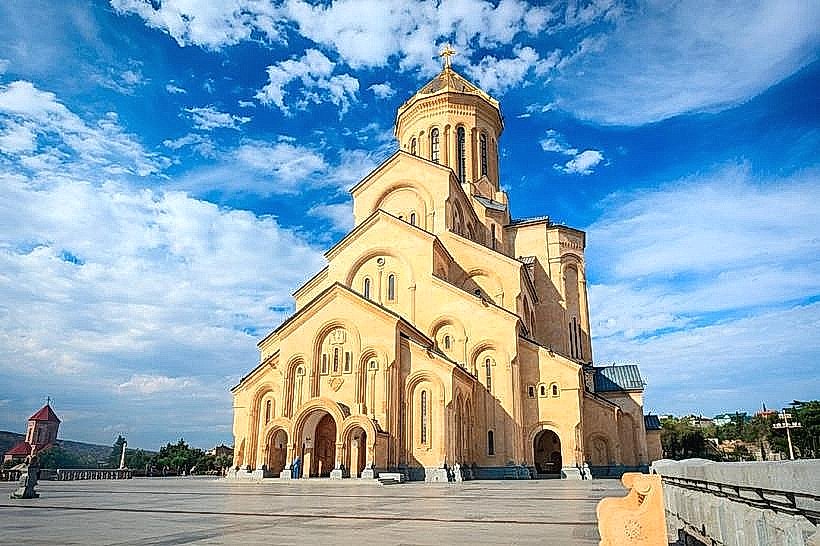
- Holy Trinity Cathedral of Tbilisi (Sameba) (1.5km East)
- Rustaveli Avenue (1.0km West)