Information
City: TobagoCountry: Trinidad and Tobago
Continent: North America
Tobago, Trinidad and Tobago, North America
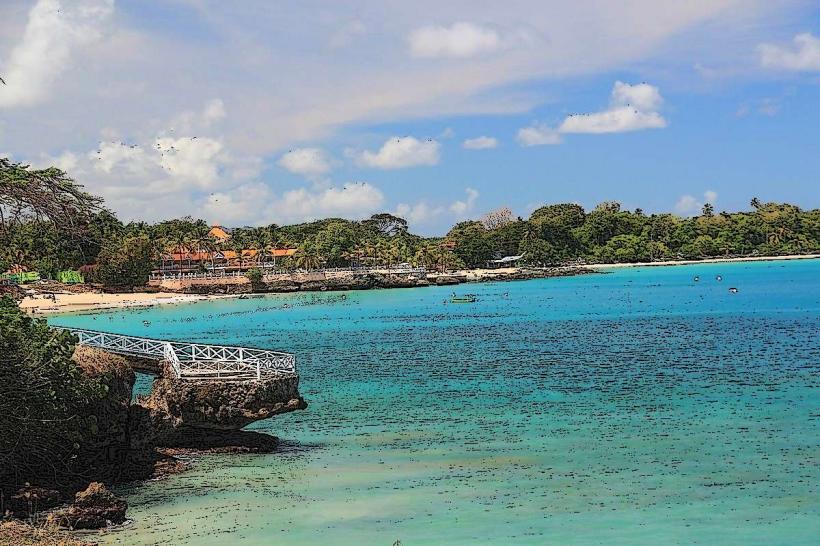
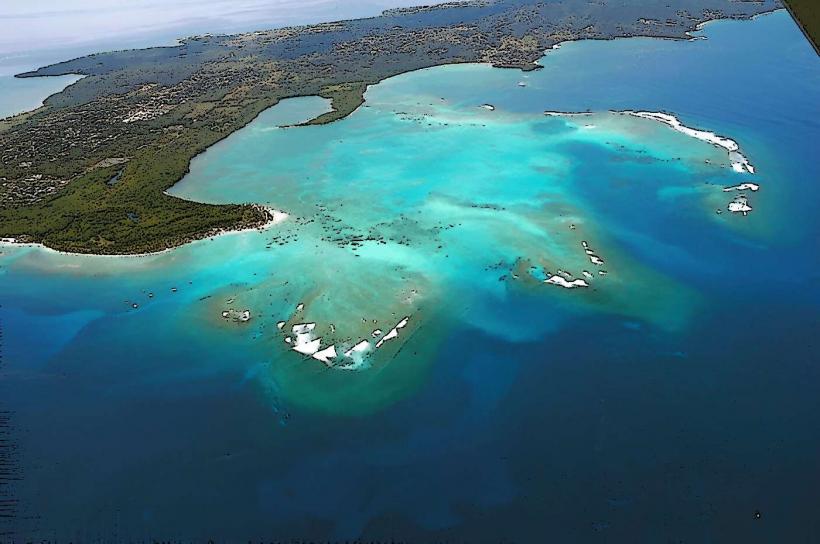
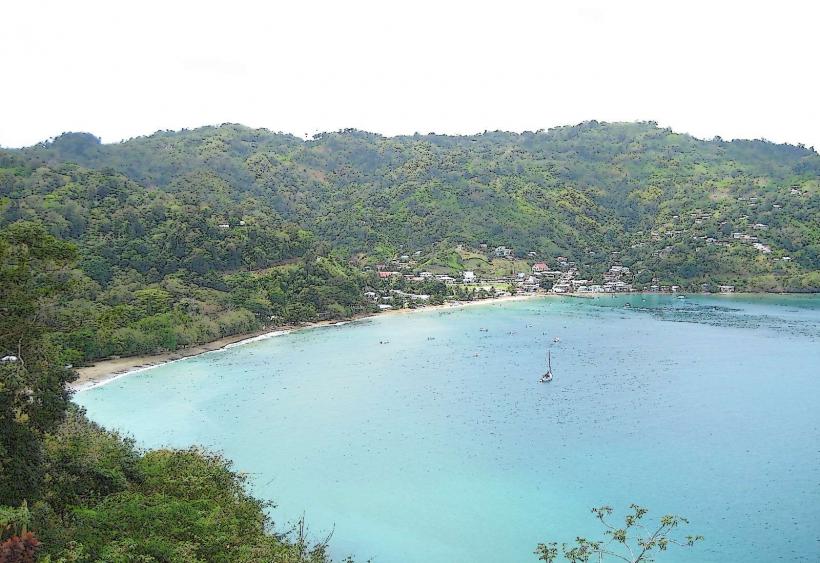
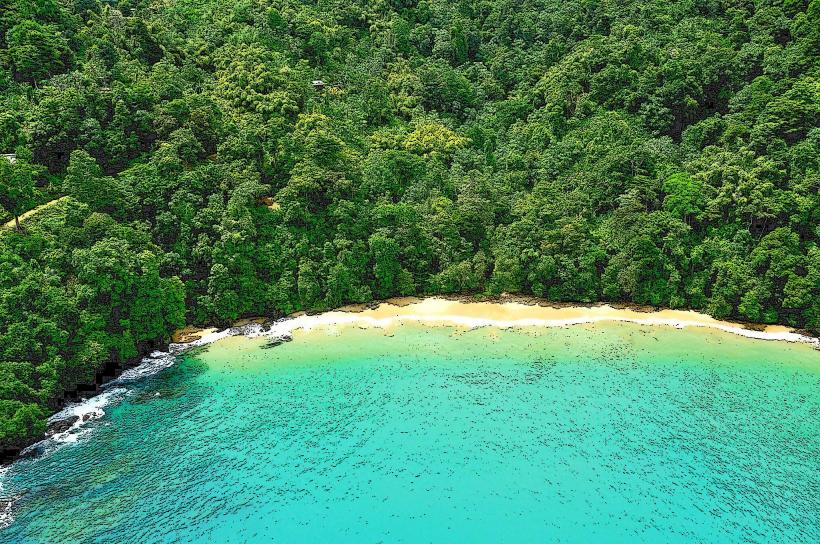
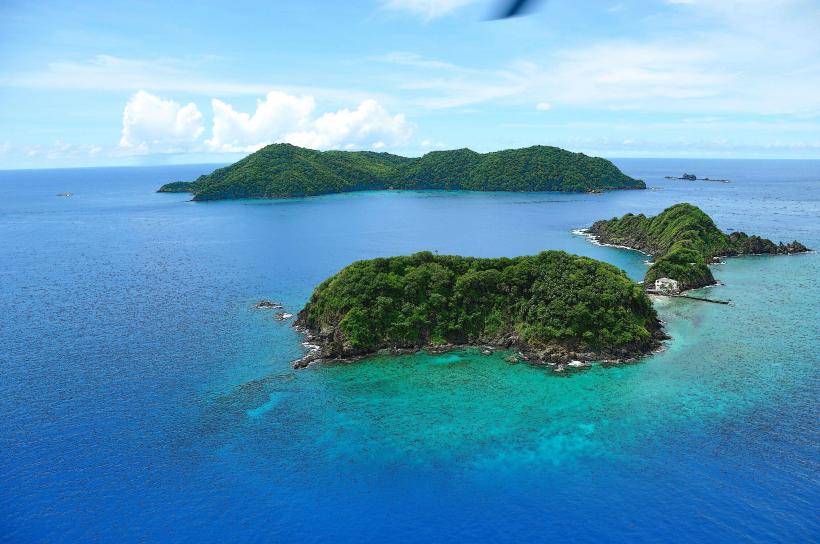
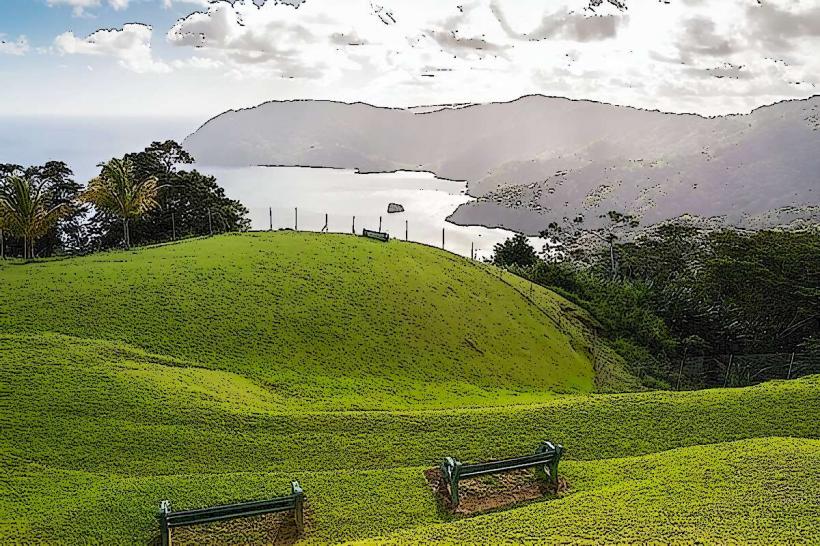
Tobago is the smaller of the two main islands comprising the Republic of Trinidad and Tobago. It is located in the southern Caribbean, approximately 35 kilometers northeast of its larger sister island, Trinidad. Unlike Trinidad, which is geologically an extension of the South American mainland, Tobago is of volcanic origin and features a more traditional "Caribbean island" topography.
Historical Timeline
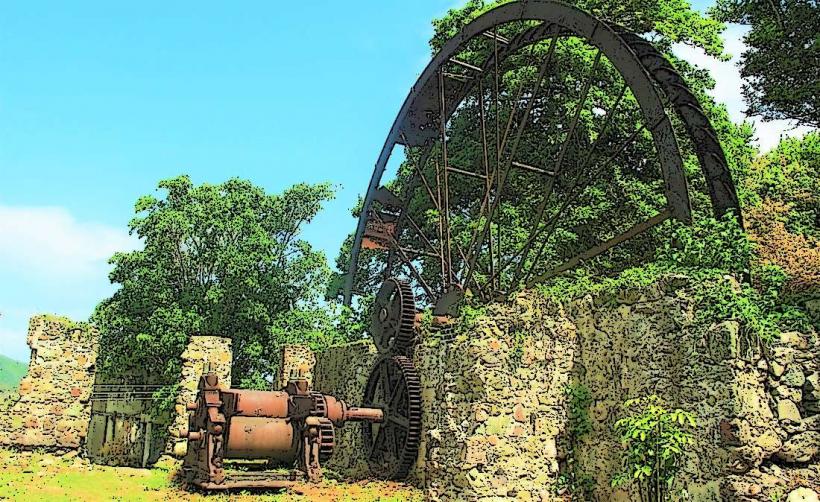
The island changed hands 33 times among the British, French, Dutch, and Courlanders-more than any other Caribbean territory-due to its strategic location and fertile soil. The British ultimately secured control in 1814. In 1889, following the collapse of its sugar economy, Tobago was administratively linked to Trinidad. The most significant modern event was the 1980 establishment of the Tobago House of Assembly (THA), granting the island a degree of internal self-governance.
Demographics & Population
The island has a population of approximately 60,000. The demographic is overwhelmingly of African descent (over 90%), with smaller minorities of Mixed, East Indian, and European heritage. The culture is distinct from Trinidad, characterized by a more socially conservative, rural, and community-oriented lifestyle.
Urban Layout & Key Districts
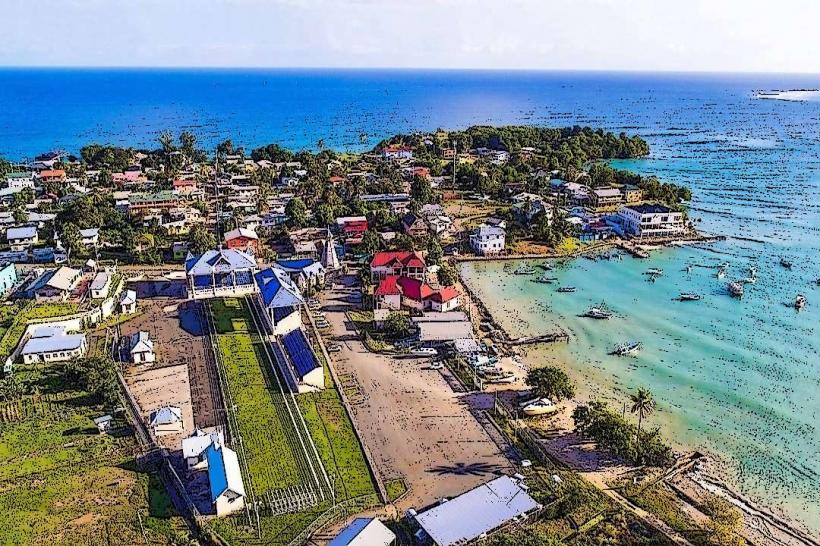
Scarborough: The capital, administrative center, and primary deep-water port.
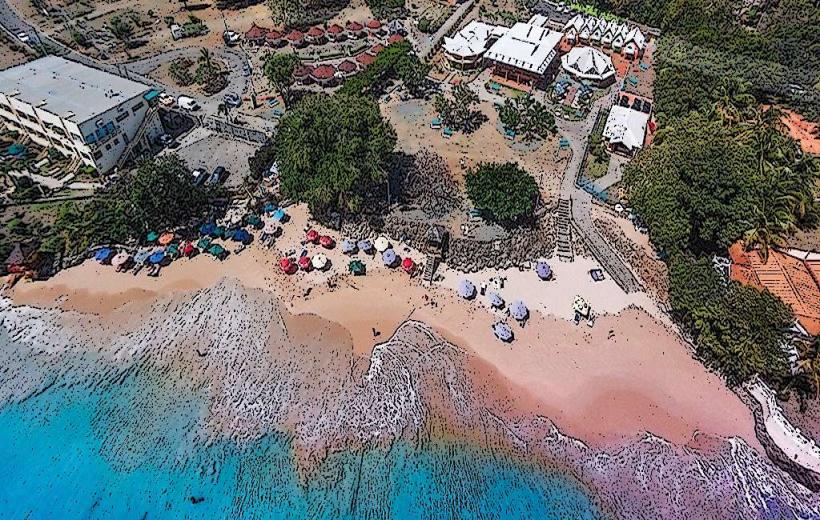
Crown Point: The tourism hub on the southwestern tip, containing the international airport and major beaches.
Black Rock & Mt. Irvine: Upscale residential and hotel districts known for surfing and golf.
Speyside: The diving and eco-tourism center on the northeastern coast.
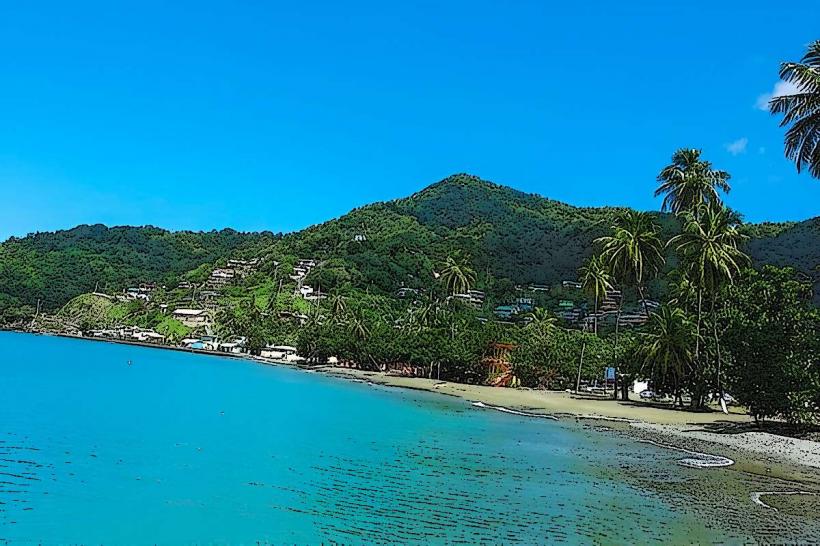
Charlotteville: A traditional fishing village at the northernmost point.
Top Landmarks
Main Ridge Forest Reserve: Established in 1776, it is the oldest legally protected rainforest in the Western Hemisphere.
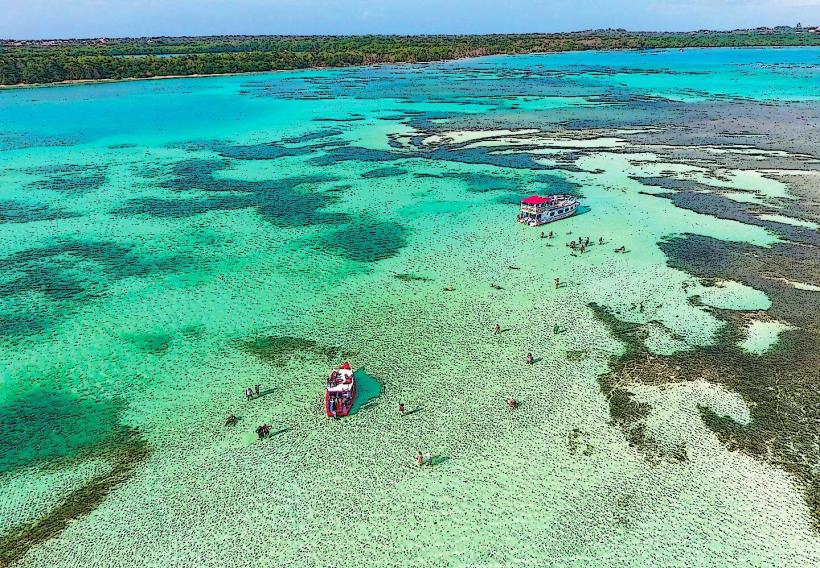
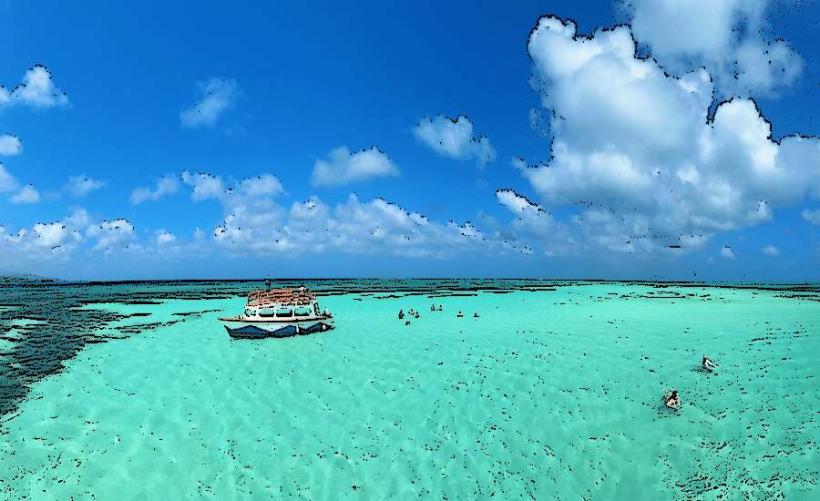
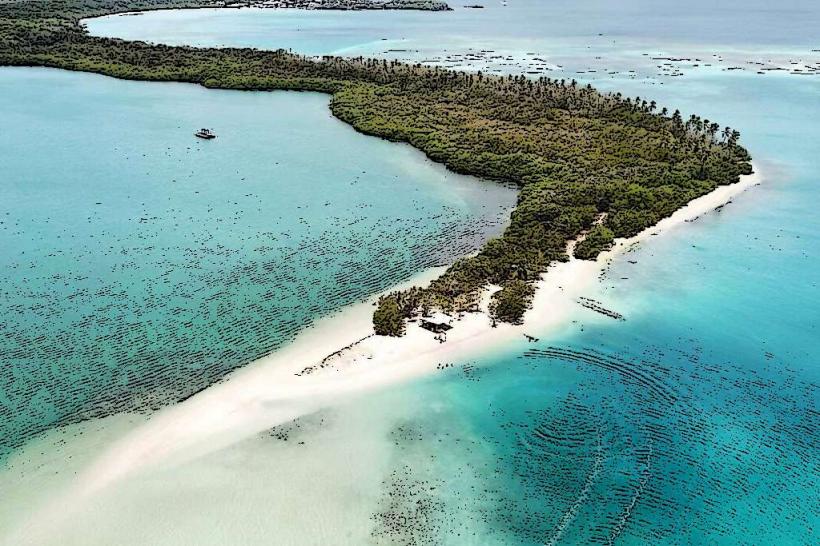
Nylon Pool: A shallow, crystal-clear sandbar in the middle of the ocean near Buccoo Reef.
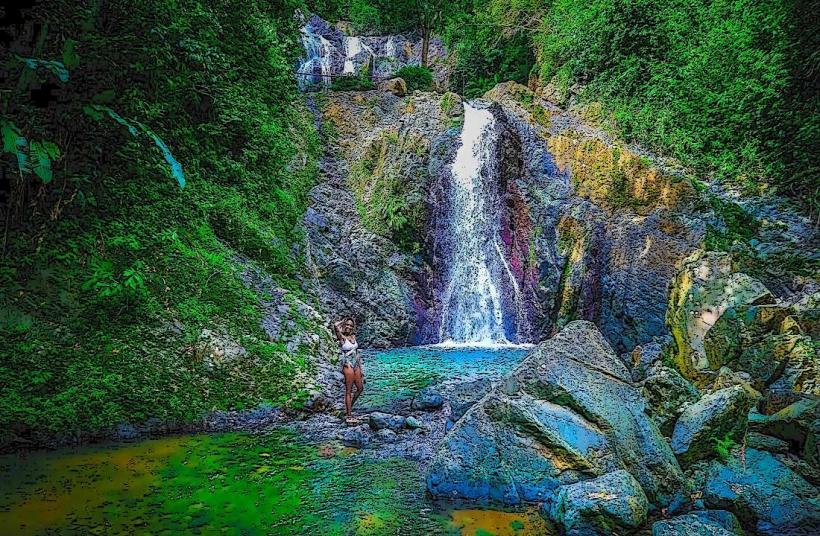
Argyle Falls: The island's highest waterfall, featuring three tiers and natural swimming holes.
Fort King George: A well-preserved 18th-century British fortification in Scarborough.
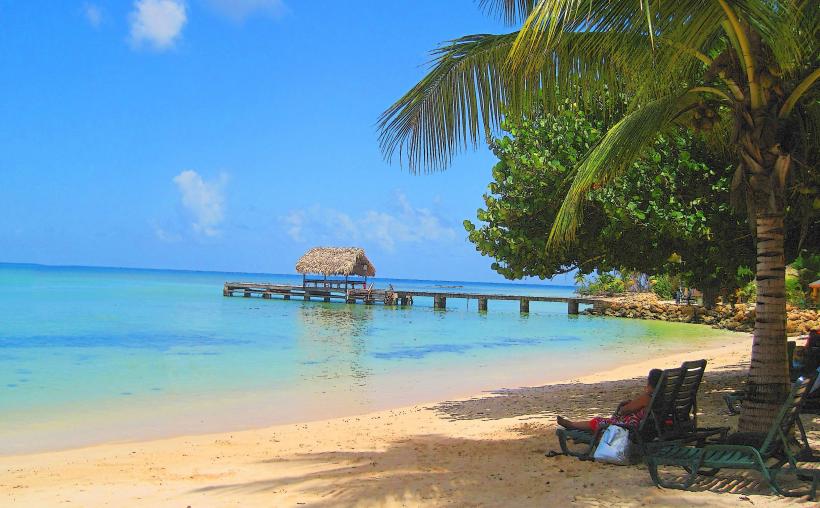
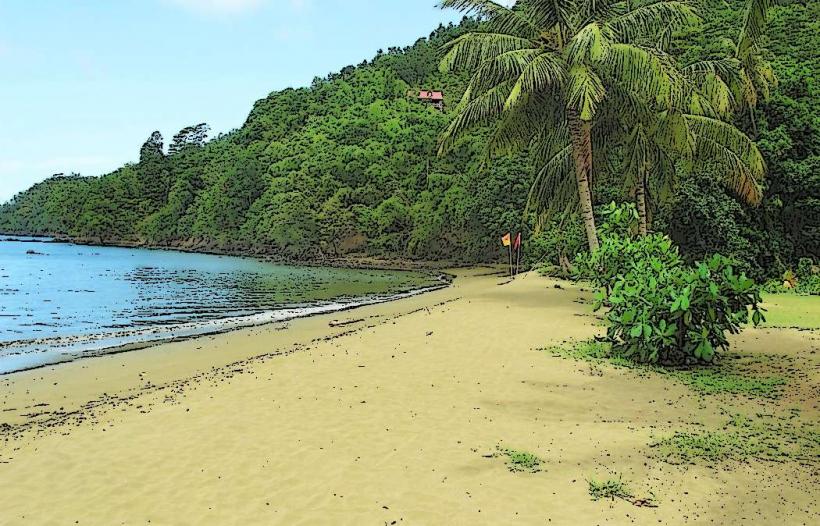
Pigeon Point Heritage Park: Frequently cited as the island's most iconic beach with its famous thatched-roof jetty.
Transportation Network
Movement relies on a single main artery, the Claude Noel Highway, which connects Crown Point to Scarborough.
Buses/Maxis: Blue-banded maxi-taxis and PTSC buses provide public transit.
Inter-Island: The A.N.R. Robinson International Airport and the Scarborough Ferry Terminal connect to Trinidad.
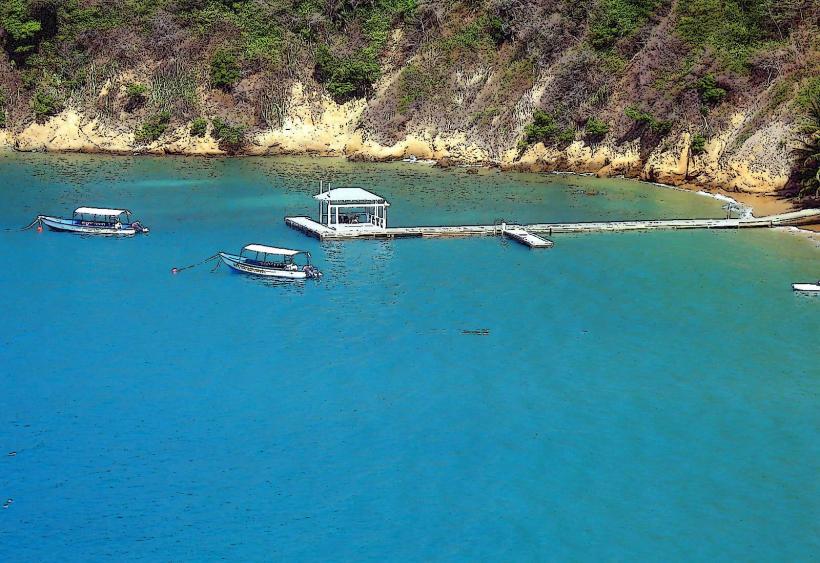
Maritime: Water taxis and private charters are essential for reaching offshore sites like Little Tobago.
Safety & "Red Zones"
Tobago is generally safer than Trinidad, but caution is necessary. Avoid isolated beaches (such as Englishman's Bay or Turtle Beach) after dark. Petty theft from rental cars at tourist sites is the most common crime. Use "H" registered taxis. There are no designated "Red Zones," but solitary hiking in the Main Ridge without a certified guide is discouraged due to the risk of becoming lost.
Digital & Financial Infrastructure
High-speed fiber internet is available in the southwestern "lowlands" but can be intermittent in the northern "highlands." The economy uses the Trinidad and Tobago Dollar (TTD). ATMs are concentrated in Crown Point and Scarborough; there are very few banking facilities in the northern villages (Speyside/Charlotteville). Cash is essential for local dining and transit.
Climate & Air Quality
Tobago has a tropical marine climate. The dry season (January–May) is the peak tourist period. Air quality is exceptional, driven by the constant Northeast Trade Winds. The island is occasionally subject to Atlantic hurricanes, though it lies on the southern edge of the hurricane belt.
Culture & Social Norms
The culture is centered on folk traditions, specifically the Tobago Heritage Festival (July/August). It is the birthplace of the Tobago Love Dog and the unique Blue Food (dasheen) cuisine. Tipping is 10–15%. Social etiquette requires formal greetings ("Good morning/afternoon") when interacting with residents.
Local Cost Index (TTD)
1 Espresso: 25–40 TTD
1 Standard Lunch (Curried Crab & Dumpling): 80–180 TTD
1 Taxi Ride (Crown Point to Scarborough): 50–100 TTD (Private)
Nearby Day Trips
Little Tobago: An offshore bird sanctuary famous for the Red-billed Tropicbird.
Buccoo Reef: A protected marine park for glass-bottom boat tours.
Castara: A scenic village known for its community-tended clay ovens and beach life.
Facts & Legends
Tobago is frequently claimed to be the inspiration for Daniel Defoe's Robinson Crusoe. A local legend involves the "Silk Cotton Trees" in Plymouth, which are said to be haunted by the spirit of "Gang Gang Sarah," a witch who supposedly flew from Africa to Tobago but lost her powers because she ate salt. Geographically, Tobago possesses the largest brain coral in the world off the coast of Speyside.