Information
Landmark: Bon Accord LagoonCity: Tobago
Country: Trinidad and Tobago
Continent: North America
Bon Accord Lagoon, Tobago, Trinidad and Tobago, North America
Overview
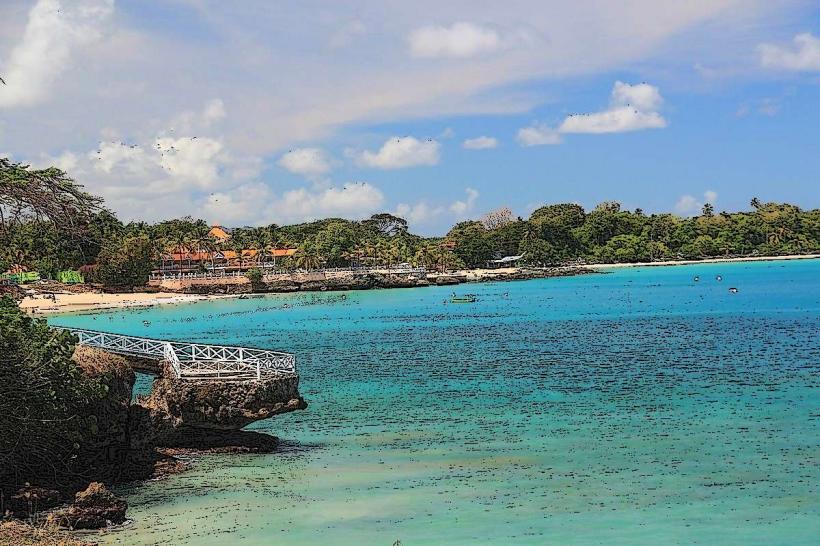
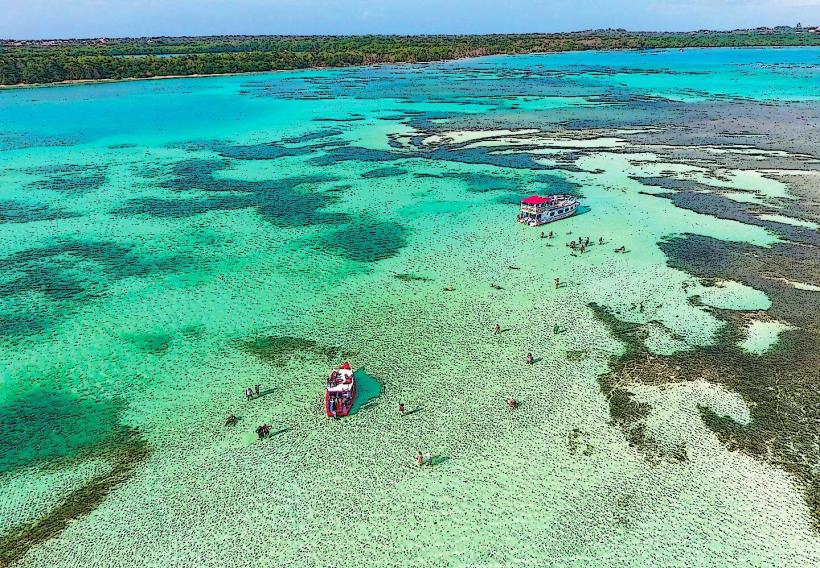
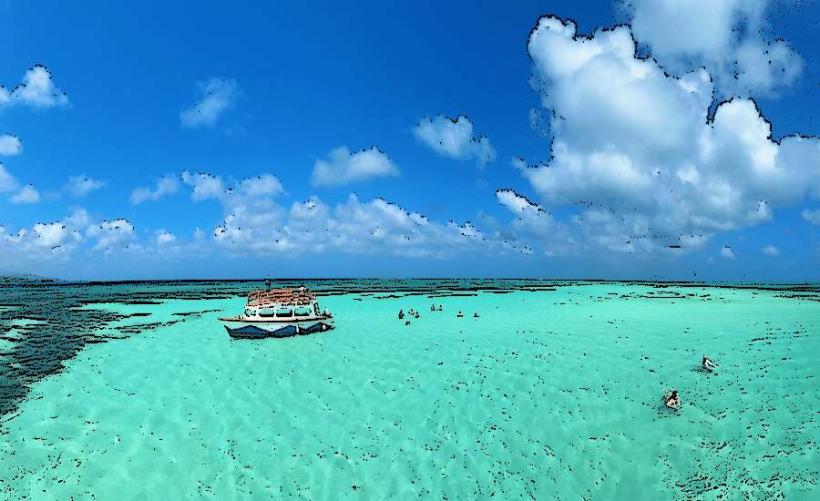
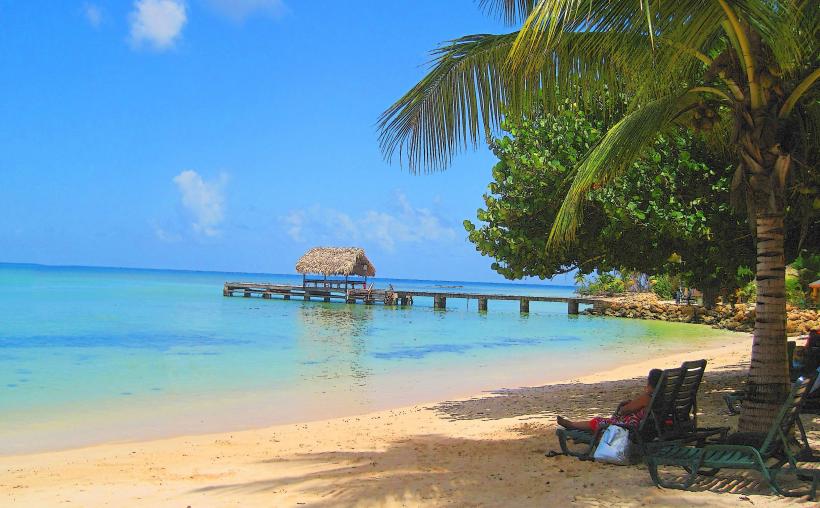
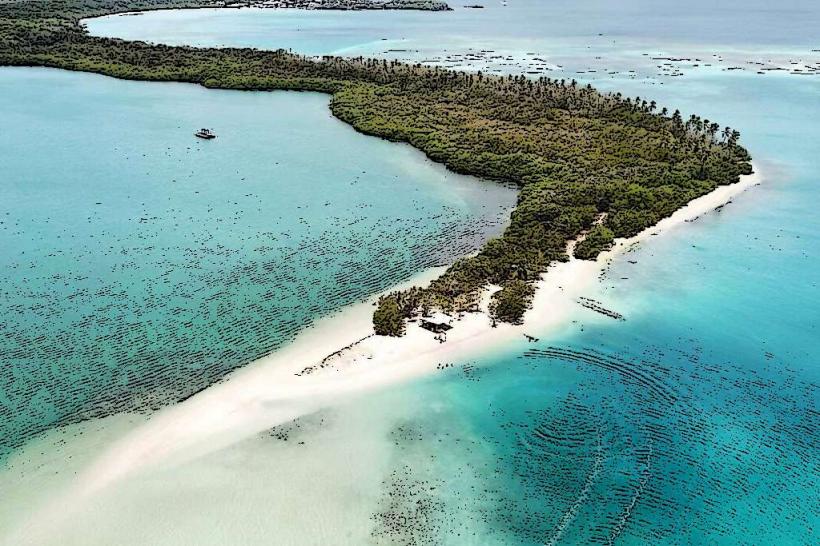
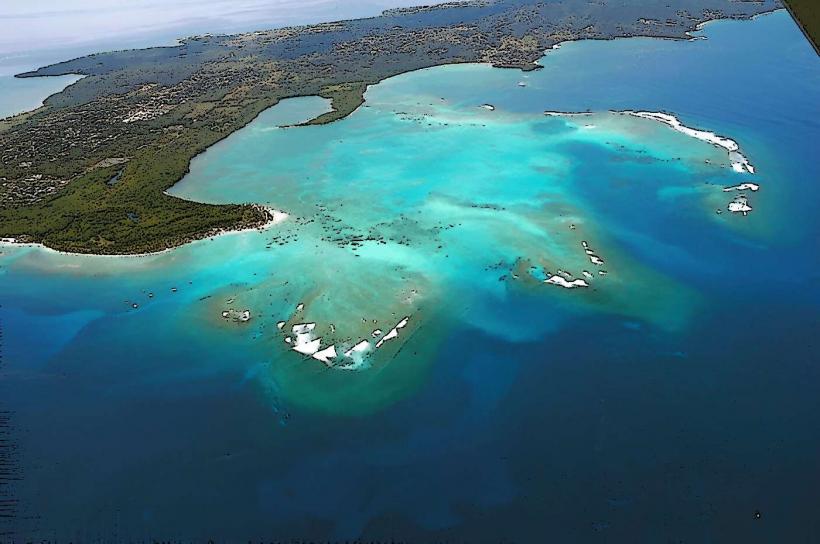
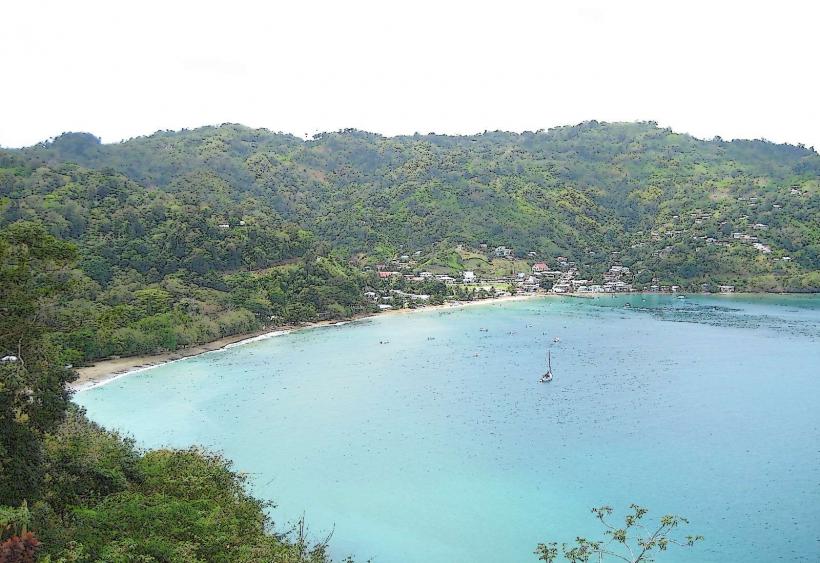
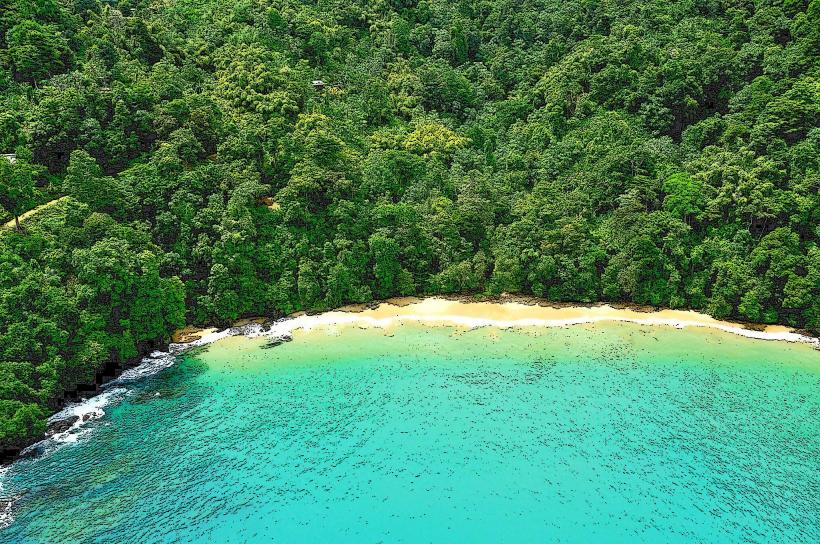
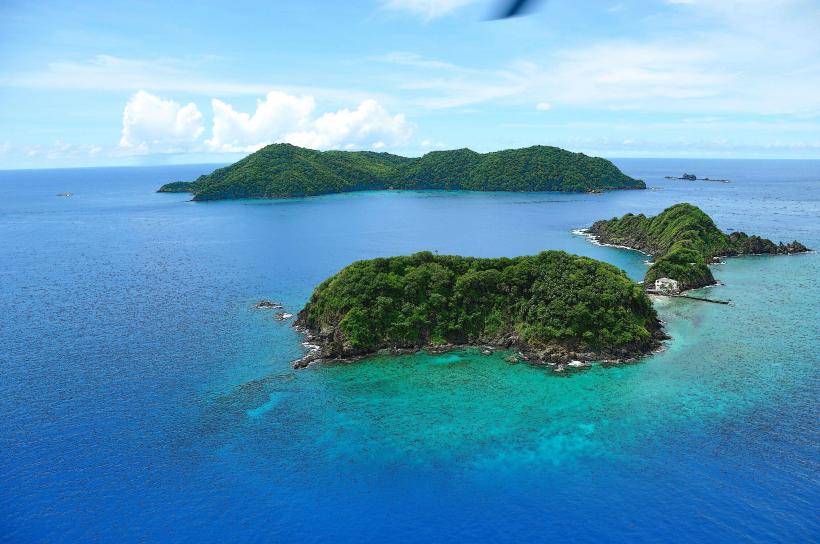
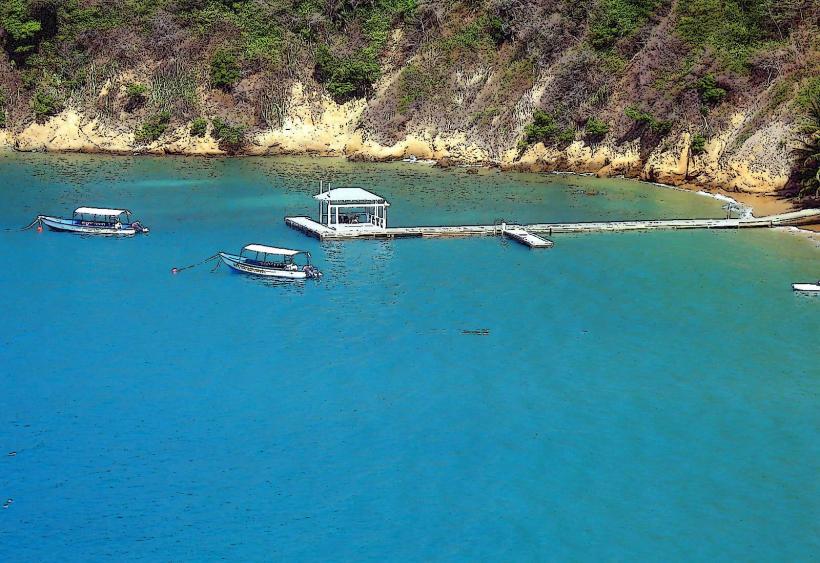
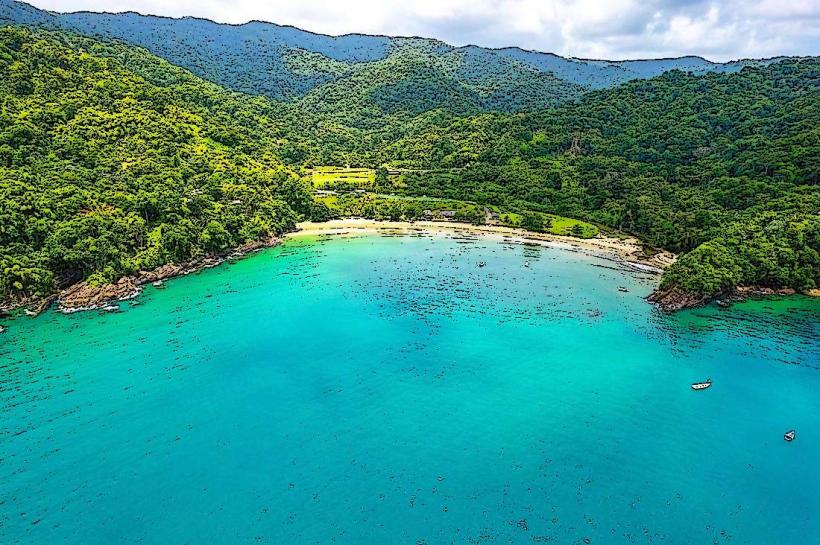
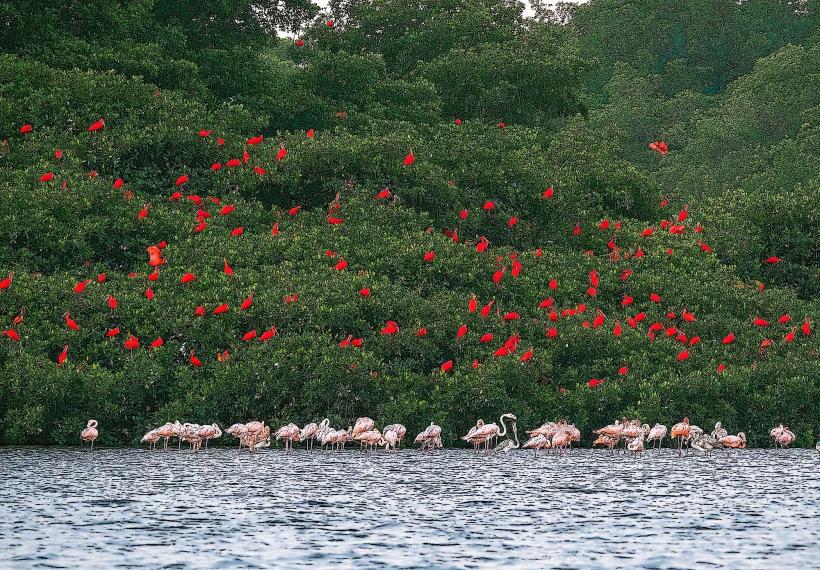
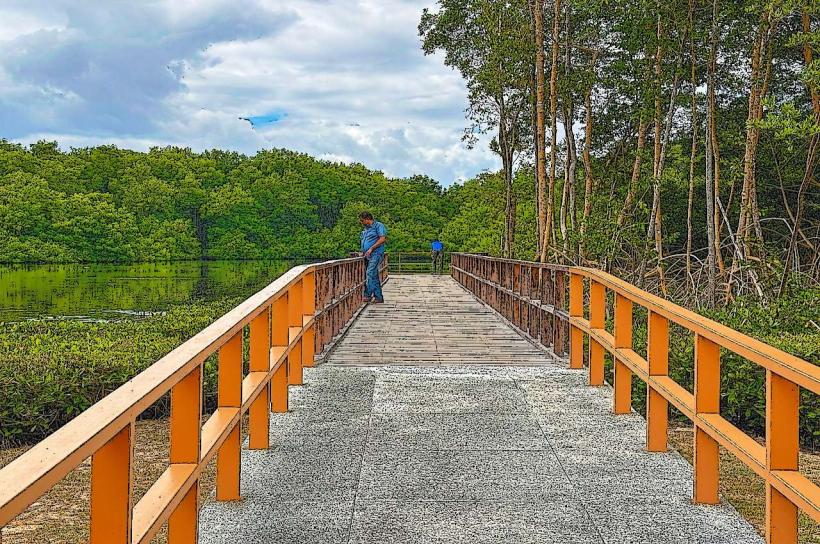
Bon Accord Lagoon, shimmering with calm blue-green water, lies on Tobago’s southwestern coast, close to the lively spots of Crown Point and Store Bay, and holds both beauty and ecological importance, in conjunction with its calm, glassy waters shelter a remarkable variety of life, making it a vital home for countless wildlife species.The lagoon shapes Tobago’s natural life, sheltering vibrant ecosystems and rare birds, and it’s a spot nature lovers and birdwatchers can’t miss-especially when the water shimmers gold at sunset, then here’s a close gaze at Bon Accord Lagoon-calm waters, soft mangroves, and the start of the story: 1.Bon Accord Lagoon sits just outside Crown Point, so visitors staying near Store Bay or Pigeon Point can reach it in minutes-sometimes with the scent of salt air still clinging from the shore, in addition just five minutes by car from A. Believe it or not, N, along with r.Robinson International Airport, the lagoon sits close enough for travelers to catch the scent of salt on the breeze as they arrive, after that it’s also only a short hop from Store Bay and Pigeon Point Beach, making it easy to add to any day exploring Tobago’s southwest coast.With its shallow, glassy water, the lagoon invites birdwatchers, kayakers, and boaters alike, besides with its still air and gentle rustle of leaves, this spot offers a quiet retreat for anyone wanting to get away from the island’s busier corners.Bon Accord Lagoon’s mangrove forests shield the shore from erosion and shelter a rich variety of marine life, alternatively mangroves shelter young fish, giving them a risk-free locale to grow-a lifeline for Tobago’s fishing trade.The lagoon teems with life, from darting silver minnows to vivid shorebirds and tangled ribbons of seagrass, subsequently bon Accord Lagoon is a haven for resident and migratory birds, where visitors might catch sight of herons stalking the shallows, egrets lifting off in a flash of white, or pelicans gliding low over the water; its clear blue-green waters shimmer against the lush vegetation and coastline, making it a true paradise for birdwatchers.Snowy egrets, great blue herons, and roseate spoonbills stalk the shallows of the lagoon and its marshy edges, calling the region home, to boot mangrove trees and muddy shores offer ideal spots for these species to feed and nest, while the lagoon’s shallow waters-warm and rippling in the sun-become a nursery for fish, crabs, and other marine life.Now and then, visitors might catch sight of a compact shark gliding past or a stingray stirring the sandy floor, especially near the lagoon’s edges or in the deeper blue, equally important all around, thick mangroves fringe Bon Accord Lagoon, anchoring the shoreline and keeping the ecosystem alive.They offer risk-free havens where fish can hide among swaying seaweed, give countless creatures a area to breed, and stand as a crucial barrier that shields the coast from wearing away, simultaneously mangroves help keep the water clear, straining out sediment and pollutants like a natural sieve.For a closer glance at Bon Accord Lagoon, grab a kayak or canoe and glide past roots that twist into the glassy shallows, what’s more the shallow, glassy water is perfect for paddling, and you can join a guided tour that winds through tangled mangrove roots to spot vivid birds and other wildlife in the lagoon.You can often rent kayaks from local outfitters near the lagoon, where the water smells faintly of salt, subsequently it’s also a top spot for birdwatching, especially if you’re hoping to catch sight of coastal or migratory species gliding overhead.Somehow, For the best birdwatching, head out early in the morning or in the soft light of late afternoon, when wings flash and calls ring through the air, at the same time bring binoculars and a camera-you’ll want both to catch the dart of a heron’s wings mid-flight.Guided walks wind around the lagoon and through the mangroves, where you’ll learn about the fragile ecosystem, spot local wildlife, and observe why these forests matter, what’s more with still waters, tangled green roots, and flashes of color from tropical birds, Bon Accord Lagoon is a photographer’s dream.Whether you’re snapping shots of dazzling parrots, the still curve of the shoreline, or the water shifting from gold to pink at dusk, Bon Accord Lagoon gives you endless chances for breathtaking photos, consequently many visitors hop into minute boats for a deliberate, looping tour across its calm surface.On these boat trips, visitors can glide through tangled mangrove forests and slip into the lagoon’s still corners, the ones you can’t reach on foot, along with hop on a guided boat tour and you’ll hear stories about the lagoon’s tangled mangroves, its wildlife, and why it matters so much to Tobago.As far as I can tell, Bon Accord Lagoon is also protected as a vital conservation area, meanwhile mangrove ecosystems are especially fundamental-they shield coastlines from pounding waves, soften the force of storms, and provide shelter for a rich variety of marine life.You know, Locals work to protect the lagoon and its wildlife through eco-tourism projects and hands-on environmental lessons, sometimes wading knee-deep to plant young mangroves, as well as in Tobago, this lagoon forms part of a larger push to safeguard the island’s coral reefs, mangroves, and other fragile habitats.It seems, Local guides and conservationists team up to highlight why these ecosystems matter and to promote tourism that respects the land, equally important just down the road, Pigeon Point Beach dazzles with soft white sand and water so clear you can glimpse the shells beneath your feet, slightly often As you can see, It’s perfect for a swim, a picnic under the shade of an heritage oak, or an afternoon of water sports, also you can hop on a boat to Buccoo Reef and the crystal-clear Nylon Pool, then head to Store Bay, where food stalls sizzle, jet skis buzz across the water, and the air hums with music and laughter.Just a short stroll from Bon Accord Lagoon lies another inviting beach worth exploring, and nearby, Buccoo Reef waits with its sparkling coral and clear water-some of the finest snorkeling and diving you’ll find in Tobago, in conjunction with hop on a boat tour to witness the reef’s colorful underwater life, where darting fish flash like quicksilver.The ideal time to visit Bon Accord Lagoon is the dry season, January through May, when the days stay sunny and perfect for kayaking, spotting rare birds, or snapping photos in golden light, as well as right now, the water’s crystal-clear and the sea stays calm-perfect for paddling or diving.From June to December the rains roll in, and while it’s still worth the trip, be ready for a sudden, warm downpour, equally important during this time, the lagoon stays calm, its surface barely rippling, and birdwatchers can still spot plenty of activity.Bon Accord Lagoon offers a quiet, vital refuge that feels like a true escape.
Author: Tourist Landmarks
Date: 2025-09-11