Information
Landmark: Caroni Swamp BoardwalkCity: Tobago
Country: Trinidad and Tobago
Continent: North America
Caroni Swamp Boardwalk, Tobago, Trinidad and Tobago, North America
Overview
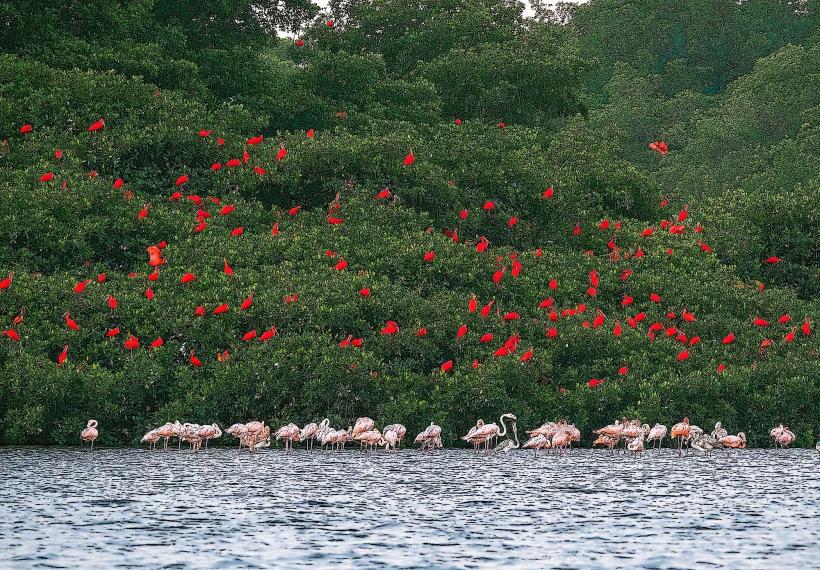
As far as I can tell, The Caroni Swamp Boardwalk winds through the heart of Trinidad’s Caroni Swamp, offering a quiet path where mangrove roots twist into the water, to boot strolling the boardwalk, you can breathe in the damp, earthy air, spot herons gliding low over the water, and get a rare, up-close peek at the swamp’s rich ecosystem and wildlife.It’s one of the best ways to take in the Caroni Swamp’s beauty-watching scarlet ibises sweep across the sky-while discovering its rich biodiversity, meanwhile first.The Caroni Swamp Boardwalk sits in the heart of the Caroni Swamp, along Trinidad’s western coast, just a short amble from the quiet village of Caroni where mangroves crowd the shoreline, not only that you can reach the boardwalk by boat along the Caroni River, starting at the Caroni Bird Sanctuary Visitor Centre.From there, a guide steers you past mangroves and still water until you arrive at the boardwalk’s entrance, and the boat ride eases you into the swamp, where you might glimpse an egret lifting off or catch the glint of sunlight on mangrove roots.At the boardwalk, you step onto an elevated wooden path that winds deep into the wetlands, simultaneously the Caroni Swamp is a thriving mangrove ecosystem, alive with plants and wildlife.The boardwalk leads visitors deep into the swamp’s lush heart, where mangroves, swamp palms, and other wetland plants crowd the water’s edge, subsequently with each step, they can spot tangled roots gripping the muddy banks and flashes of sparkling green leaves swaying over the waterlogged ground.The raised boardwalk lets visitors wander through the swamp without upsetting the fragile life beneath their feet, alternatively egrets, herons, and other birds make their homes here, drawing birdwatchers from near and far.Mind you, You might spot scarlet ibises, egrets, and herons gliding overhead or resting in the mangroves, their feathers catching the late afternoon light; the Caroni Swamp is especially known for the scarlet ibis, Trinidad and Tobago’s striking national bird, meanwhile from the boardwalk, you can watch these vivid birds sweep in, especially at sunset when great flocks settle noisily into the mangroves.You’ll often observe herons, kingfishers, and sleek black cormorants along the boardwalk, their reflections rippling in the water, and beyond the birds, the Caroni Swamp shelters a wide range of other animals, along with it’s not unusual for visitors to view caimans sliding into the water, iguanas basking on sun-warmed rocks, crabs scuttling sideways, and sleek mangrove snakes winding through the branches.The swamp serves as a vital breeding ground for many fish species, its murky waters alive with darting minnows and tiny crabs, then along the boardwalk, wildlife lovers can pause to watch, snap photos, and take in the swamp’s vibrant life.The Caroni Swamp Boardwalk itself is a sturdy, elevated wooden path that winds gently through mangroves and sunlit wetlands, consequently the boardwalk lets visitors wander safely through the swamp without disturbing its fragile plants, and its smooth, steady planks make it easy for anyone-young kids, grandparents, or anyone in between-to enjoy the saunter.The Caroni Swamp Boardwalk offers a peaceful, all-absorbing way to connect with nature, where the air smells faintly of salt and mangrove leaves, as well as along the wooden path, petite signs share stories about the swamp’s ecosystem-its tangled mangrove roots, the herons and scarlet ibises that glide overhead, and why this rare habitat needs protection, mildly For the most magical light, go in the afternoon and stay as the sun melts into the horizon, subsequently that’s when the scarlet ibis and other birds sweep back into the swamp to roost, their wings flashing red in the fading light-a sight visitors never forget, mildly Interestingly, As the sun sinks low, it washes the mangroves and their restless birds in a soft gold light, besides from January to May-the dry season-warm, rain-free days make the Caroni Swamp Boardwalk a favorite spot for exploring.The swamp draws visitors all year, with the scene changing as the seasons shift-one month you might spot scarlet ibises, another, sleepy caimans, what’s more from June to December, the rainy season brings fewer crowds and a calm, hushed atmosphere, though you’ll want a light poncho for sudden showers.On the Caroni Swamp Boardwalk, naturalists lead the way, pointing out each leaf, birdcall, and ripple in the water, equally important these guides dive deep into the swamp’s wildlife, explain why the ecosystem matters, and share stories of the Caroni River and its wetlands.On guided boat rides to the boardwalk, you might hear about the mangroves’ role in sheltering fish or catch sight of a scarlet ibis lifting off from the water, then the Caroni Swamp remains a vital protected haven, safeguarding Trinidad and Tobago’s natural heritage for generations to come.It’s a nursery for young fish darting through the shallows and a guarded haven for herons, gulls, and countless other creatures, in turn the Caroni Swamp Boardwalk helps promote eco-tourism and teach visitors why wetlands matter, all while protecting the area for the long term.Guides remind people to tread lightly, keep their distance from wildlife, and leave the mangroves undisturbed, after that set within the Caroni Bird Sanctuary, it’s a haven for scarlet ibises flashing red against the green, along with countless other birds.Many who stroll the boardwalk end up booking a boat ride through the sanctuary, gliding past mangroves to watch herons and egrets in the wild, after that east of Caroni lies Matura Beach, where each year massive leatherback turtles haul themselves onto the sand to nest under the moonlight.This beach lies within a larger conservation area that helps protect local wildlife, from nesting seabirds to tiny crabs scuttling over the sand, as well as south of Caroni, you’ll find Pitch Lake, the world’s largest natural asphalt deposit, loosely Visitors can join guided tours to hear how shifting earth and time carved the lake, and why it matters to the region’s past, to boot the Caroni Swamp Boardwalk, with its whispering mangroves and glowing scarlet ibis, lets you step into one of Trinidad’s most treasured wild places.With its mix of birdwatching, wildlife encounters, and sweeping views, it’s a spot nature lovers, photographers, and anyone curious about Trinidad’s diverse ecosystems won’t want to miss-imagine the flash of a scarlet ibis against the green mangroves, consequently the boardwalk invites visitors to step into the heart of the swamp, where cypress knees rise from dim water, offering an easy path to explore its beauty and discover why protecting wetlands matters, not entirely It’s hard to tell whether the air outside carries rain or just the sharp scent of wet pavement.
Author: Tourist Landmarks
Date: 2025-09-11