Information
Landmark: No Man’s LandCity: Tobago
Country: Trinidad and Tobago
Continent: North America
No Man’s Land, Tobago, Trinidad and Tobago, North America
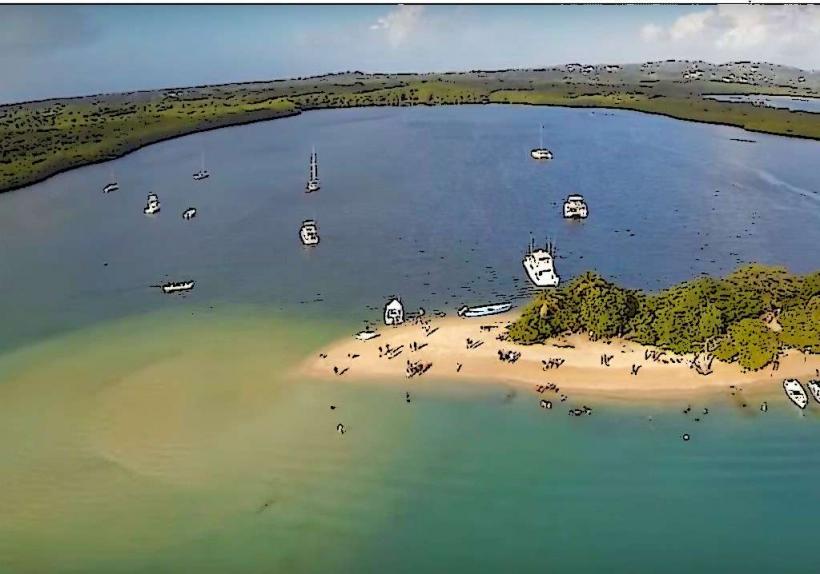
No Man’s Land is a sandbar located off the coast of Tobago, Trinidad and Tobago. It is accessible by boat.
Visual Characteristics
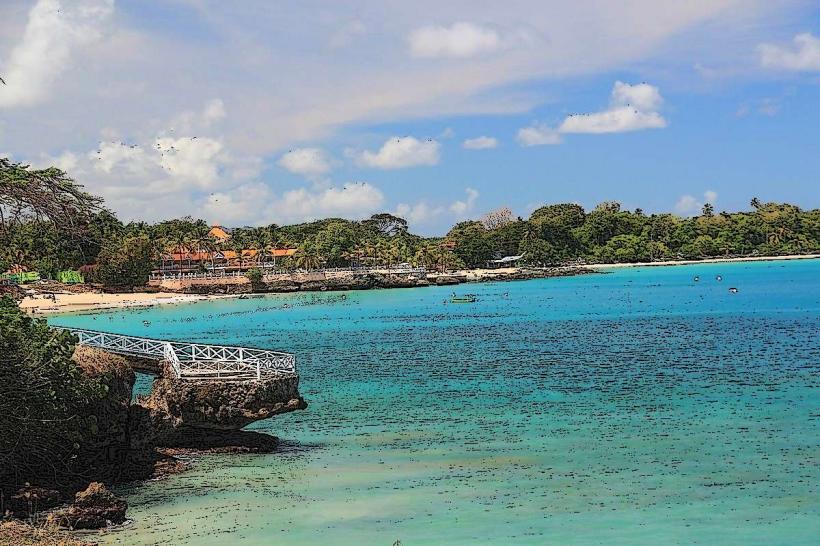
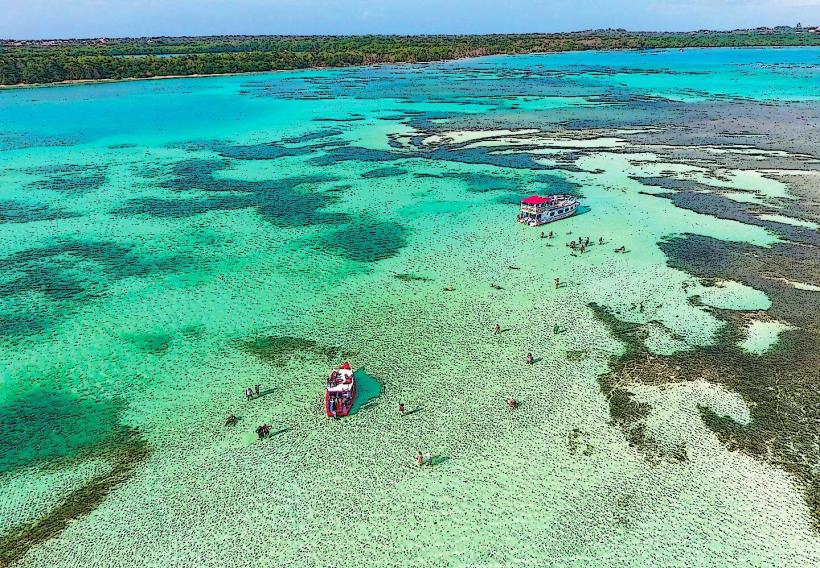
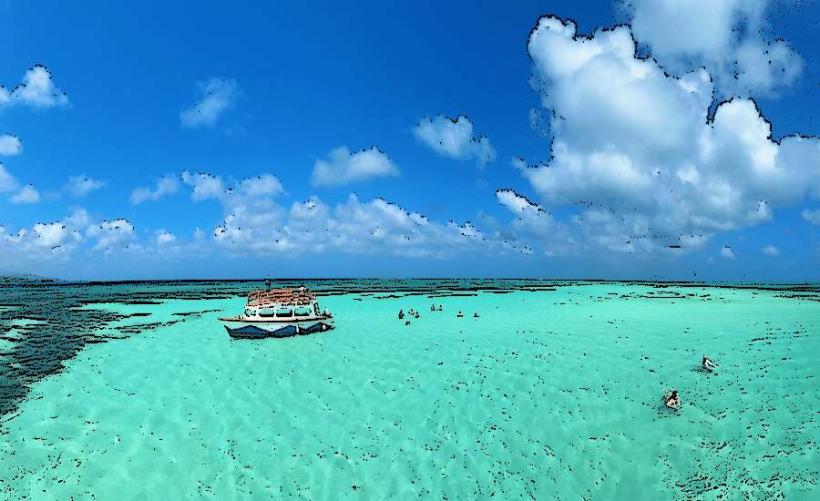
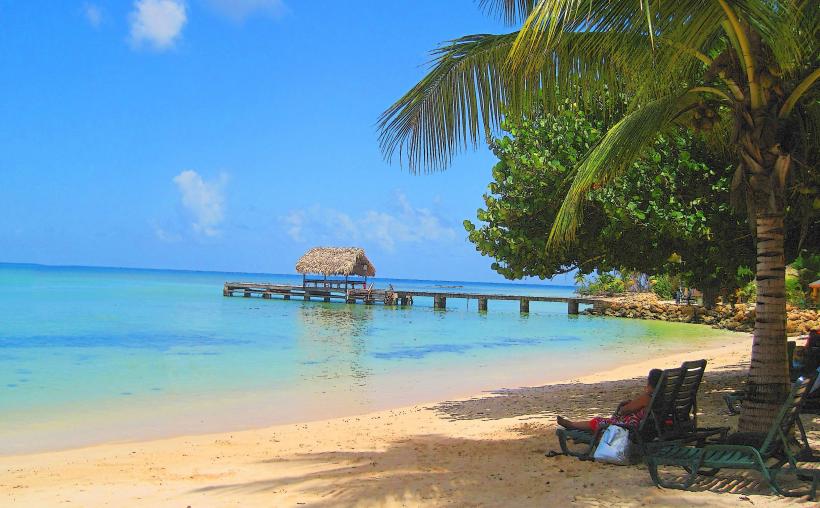
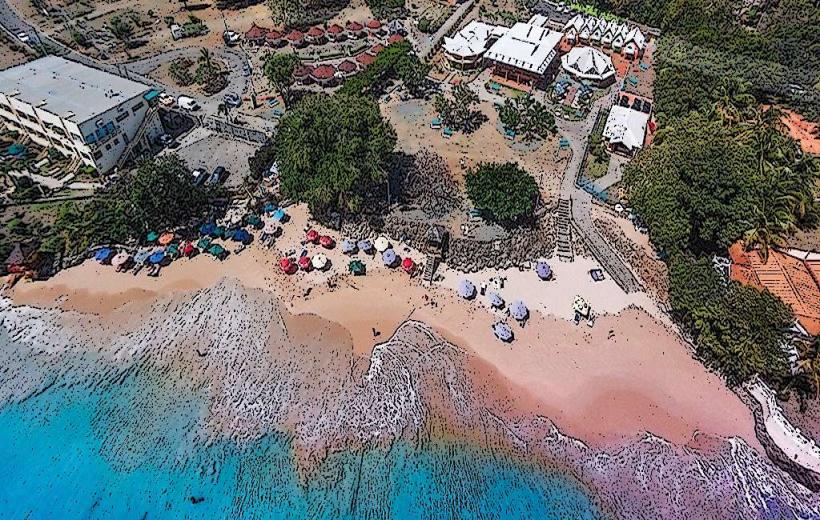
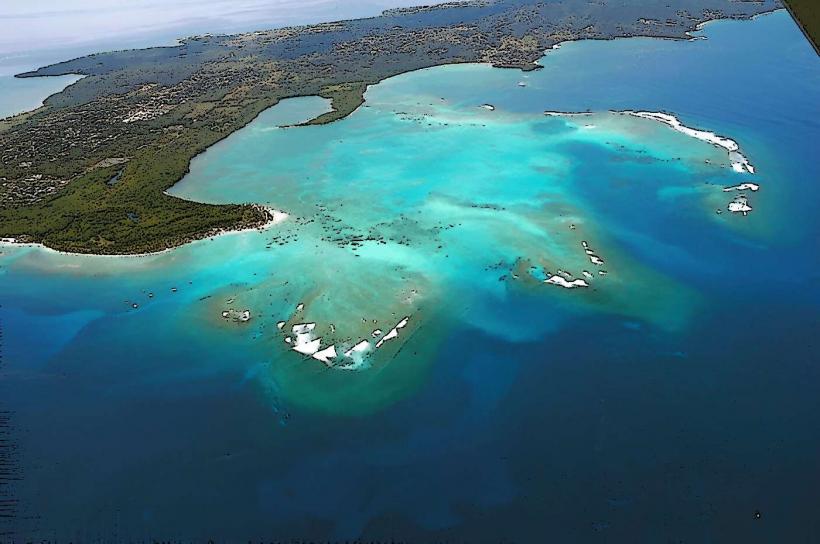
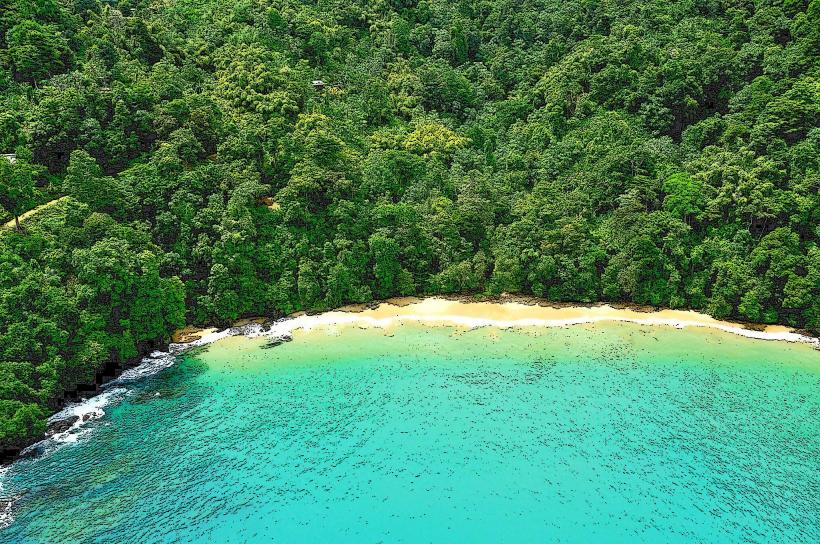
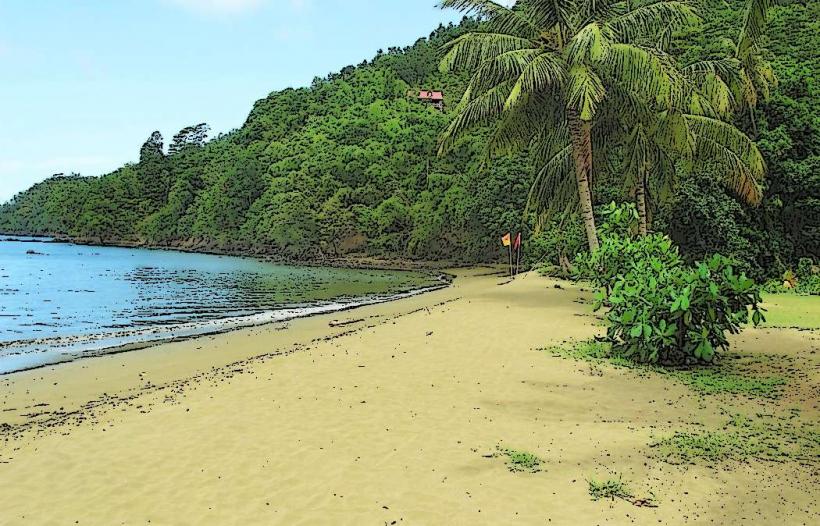
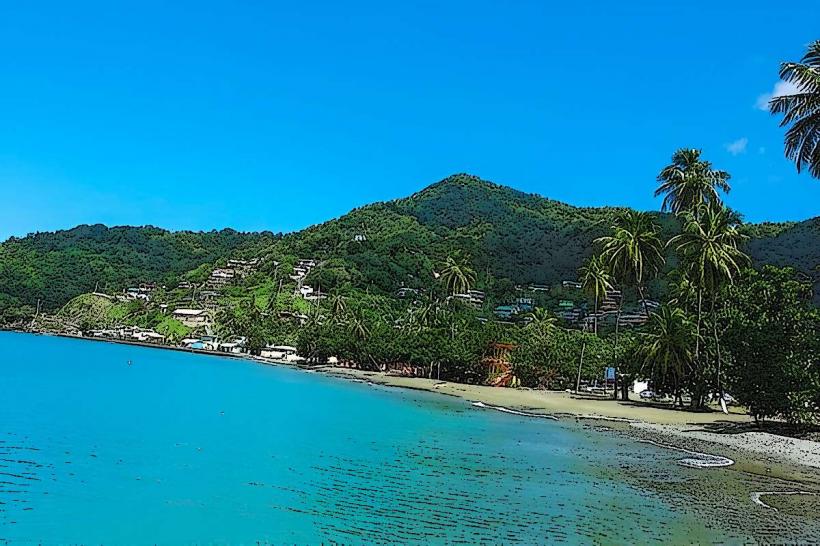
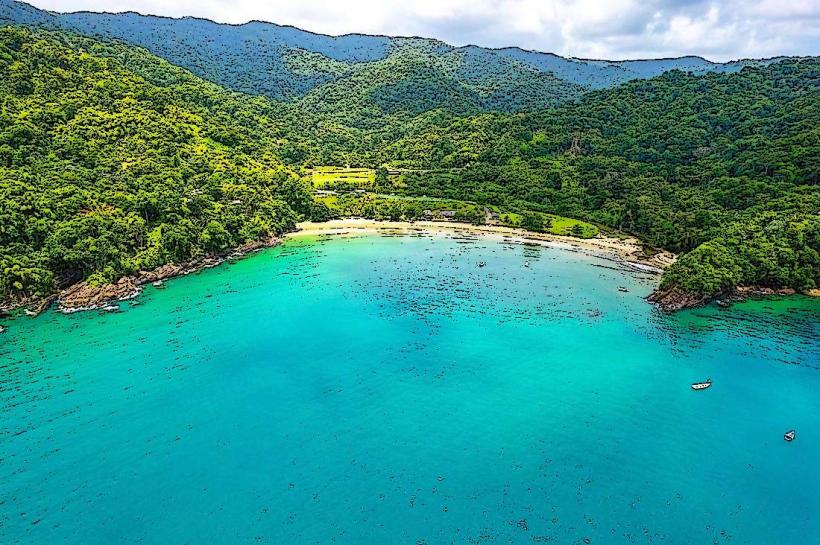
This landform consists of a narrow strip of light-colored sand, approximately 1.5 kilometers in length. The sand is fine-grained. The surrounding water exhibits a gradient from shallow, clear turquoise near the sandbar to deeper blue further offshore. Vegetation is sparse, limited to a few hardy grasses and low-lying shrubs on the more established sections of the sandbar.
Location & Access Logistics
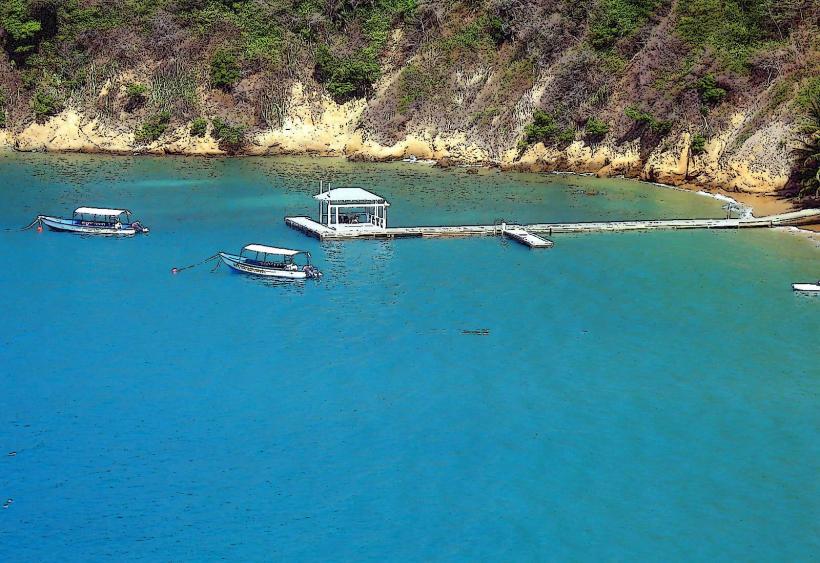
No Man’s Land is situated approximately 3 kilometers east of the main island of Tobago, near the village of Speyside. Access is exclusively by boat. Private boat charters and water taxis can be hired from the main jetties in Speyside. The journey typically takes 10-15 minutes. There is no direct road access, and no parking facilities are available at the sandbar itself. Visitors should arrange for boat pick-up and drop-off.
Historical & Ecological Origin
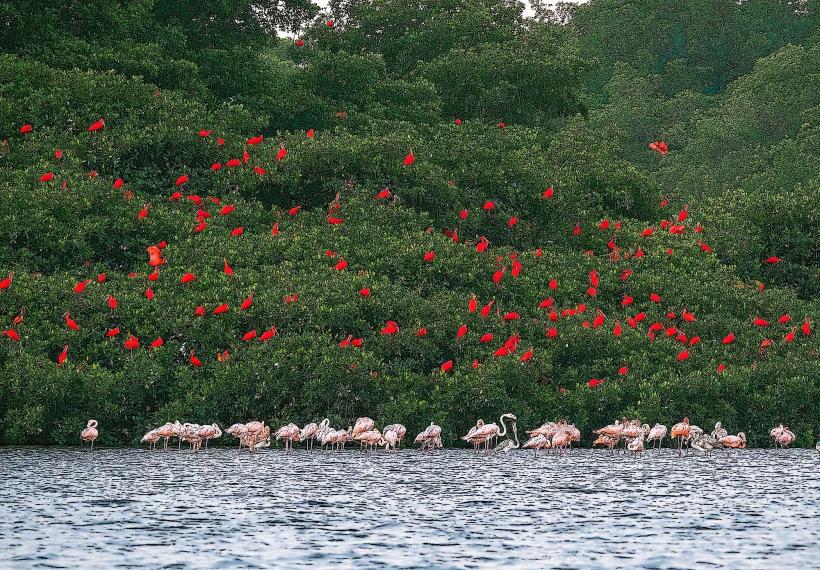
No Man’s Land is a natural sandbar formed by the deposition of sand and sediment carried by ocean currents. Its formation is a dynamic process influenced by tidal patterns and wave action. Ecologically, it serves as a temporary habitat for shorebirds and a foraging ground for marine life in the adjacent shallow waters.
Key Highlights & Activities
Activities include wading in the shallow waters, sunbathing on the sand, and observing marine life in the clear shallows. Snorkeling is possible in the calmer areas surrounding the sandbar, particularly on the leeward side. Birdwatching is also a potential activity due to the presence of migratory and resident shorebirds.
Infrastructure & Amenities
There are no permanent infrastructure or amenities on No Man’s Land. Visitors should bring all necessary supplies, including water, food, and sun protection. Restrooms and food vendors are not available on the sandbar. Cell phone signal is generally weak to non-existent.
Best Time to Visit
The best time of day for photography is generally mid-morning to early afternoon when the sun is high, illuminating the water colors. The dry season, from January to May, offers the most favorable weather conditions with lower rainfall. Visiting during low tide can expose more of the sandbar's expanse.
Facts & Legends
Local lore suggests that the sandbar's shape and size can change significantly after major storms, leading to its name implying a constantly shifting territory. A specific tip for visitors is to wear water shoes, as the sand can be hot underfoot during midday, and small shells can be present.
Nearby Landmarks
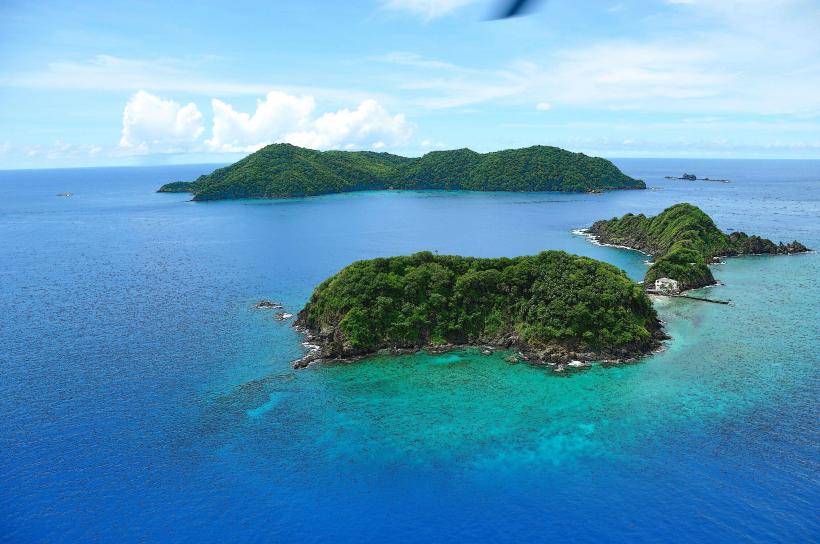
- Little Tobago Island (0.8km East)
- St. Giles Island (2.5km Northeast)
- Speyside (3km West)
- Tobago Main Ridge Forest Reserve (10km Southwest)