Information
City: TrondheimCountry: Norway
Continent: Europe
Trondheim, Norway, Europe
Trondheim serves as the "Technology Capital" of Norway and its third-largest city. It functions as the nation’s historical and ecclesiastical heart, characterized by its status as the original Viking capital (Nidaros), its role as the site of all royal consecrations, and its contemporary identity as a leading European hub for research, engineering, and innovation.
Historical Timeline
Founded in 997 by King Olav Tryggvason as a trading post, it served as Norway's capital until 1217. The primary event shaping its layout was the 1681 Great Fire, after which General Johan Caspar von Cicignon redesigned the city with wide, fire-stopping avenues (such as Munkegata). In the 20th century, the 1910 establishment of the Norwegian Institute of Technology (now NTNU) shifted the city’s trajectory from a regional administrative center to a global technological power.
Demographics & Population
The population is approximately 215,000 (2026 estimate). The demographic is uniquely shaped by a student population of over 40,000, meaning roughly one in five residents is a student. This creates a high-turnover, young, and highly educated workforce. International residents account for approximately 11% of the population, largely concentrated in research and tech sectors.
Urban Layout & Key Districts
The city is situated on a peninsula formed by the loop of the Nidelva River.
Midtbyen: The historic and commercial center, following Cicignon’s 17th-century grid.
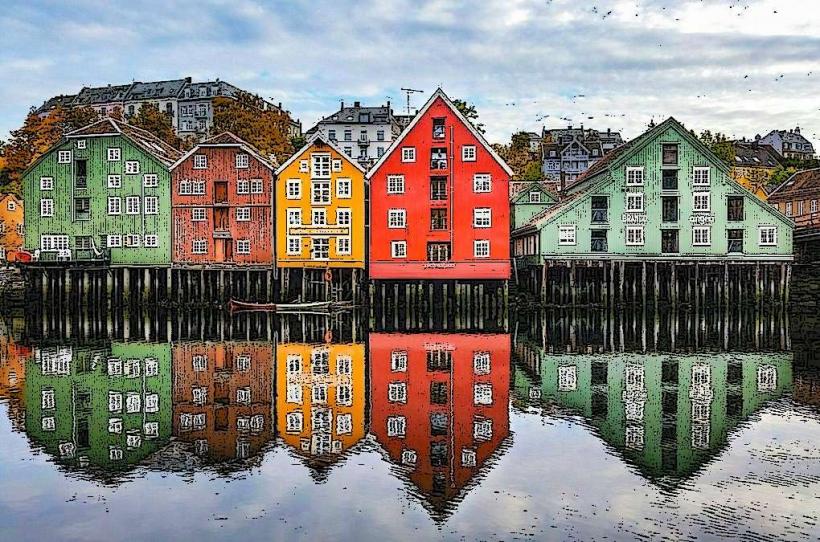
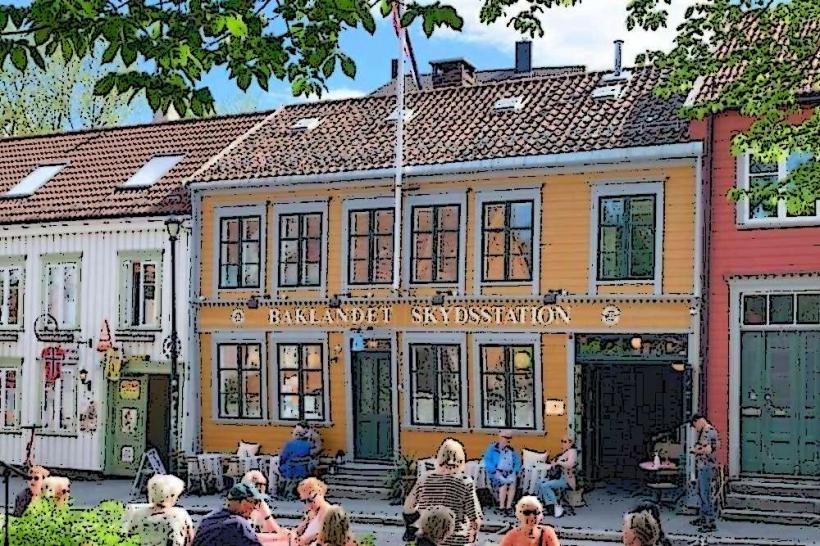
Bakklandet: A protected district of colorful 18th-century wooden houses and cobblestone streets on the east bank of the river.
Solsiden: A former shipyard ("The Sunny Side") transformed into a modern lifestyle district with high-density dining and nightlife.
Gløshaugen: The hilltop campus of NTNU, dominating the city’s southern skyline.
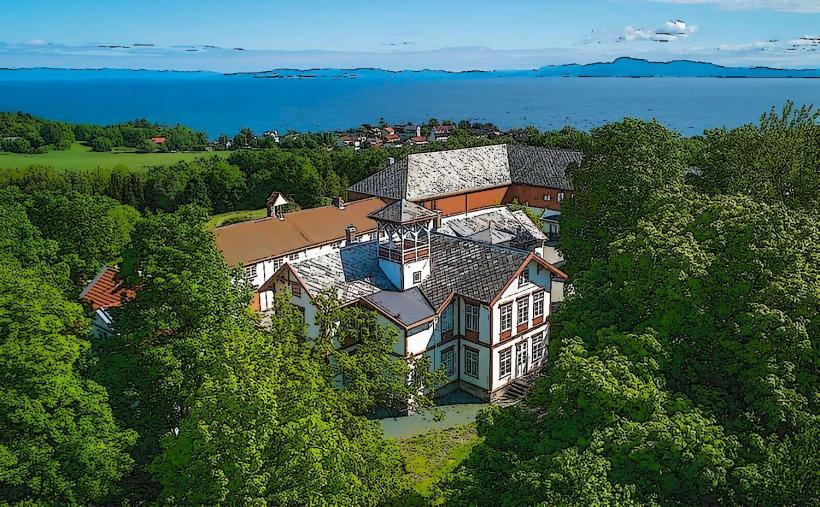
Lade: A northern coastal district known for its historical estates and coastal hiking trails.
Top City Landmarks
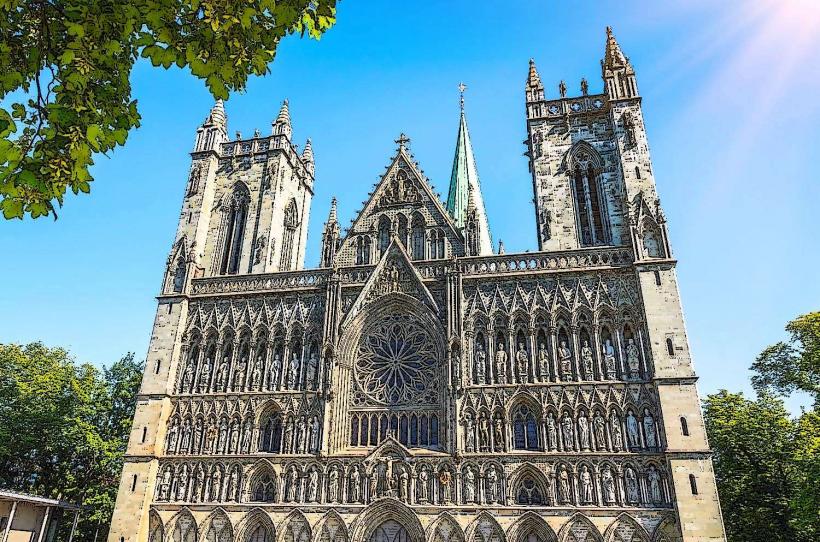
Nidaros Cathedral (Nidarosdomen): The northernmost medieval cathedral in the world and the national sanctuary of Norway.
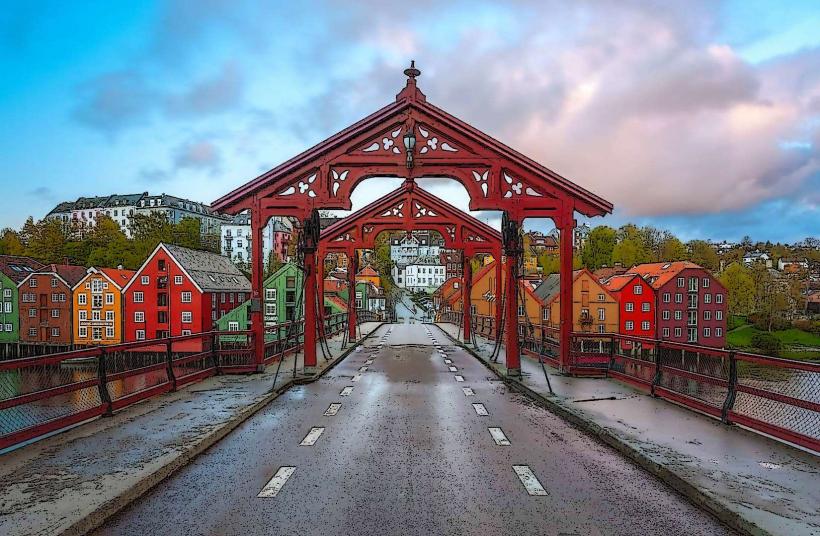
The Old Town Bridge (Gamle Bybro): Known as "The Portal of Happiness," featuring iconic red gates.
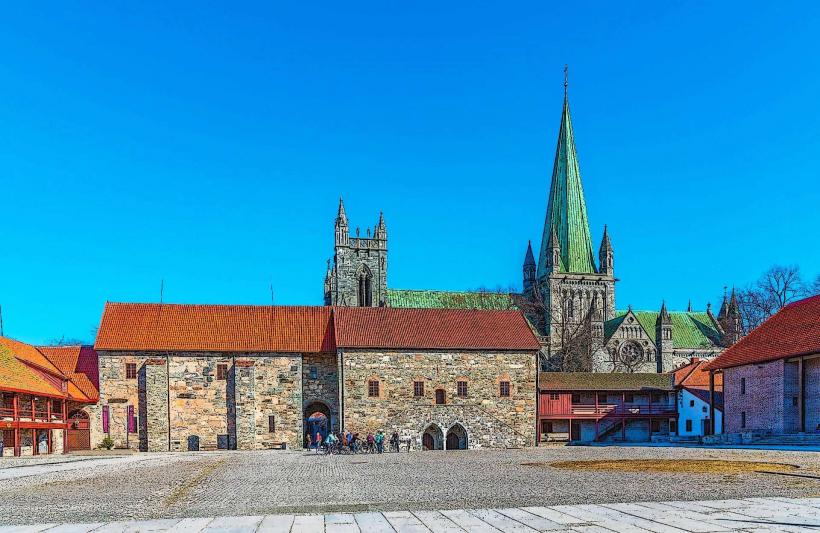
Archbishop's Palace (Erkebispegården): One of the best-preserved medieval stone complexes in Northern Europe.
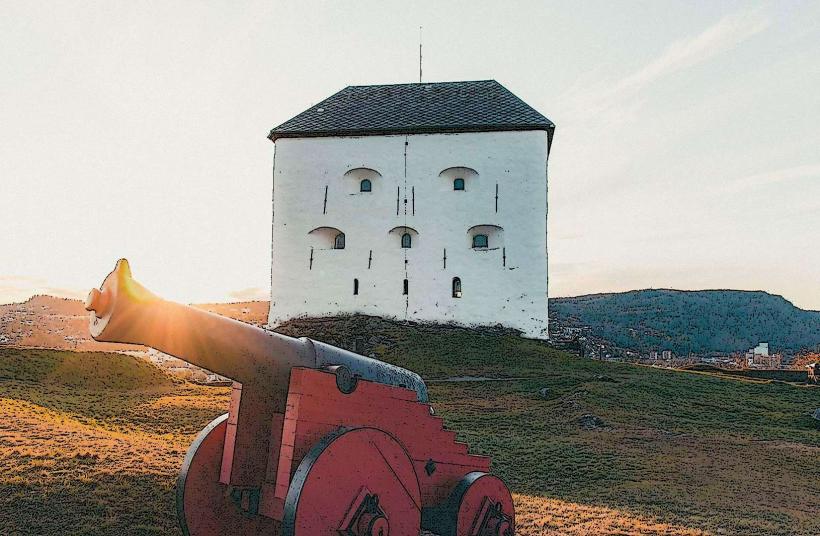
Kristiansten Fortress: A 17th-century fortification on a hill providing 360-degree views of the city and fjord.
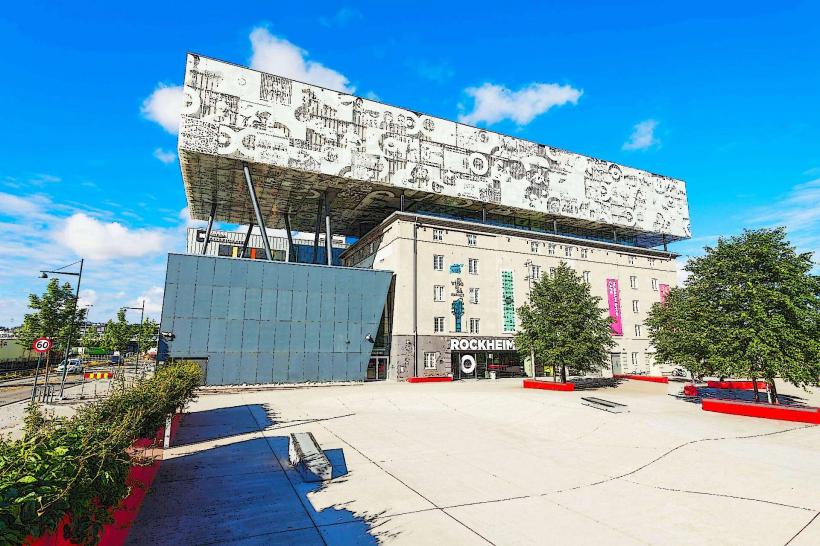
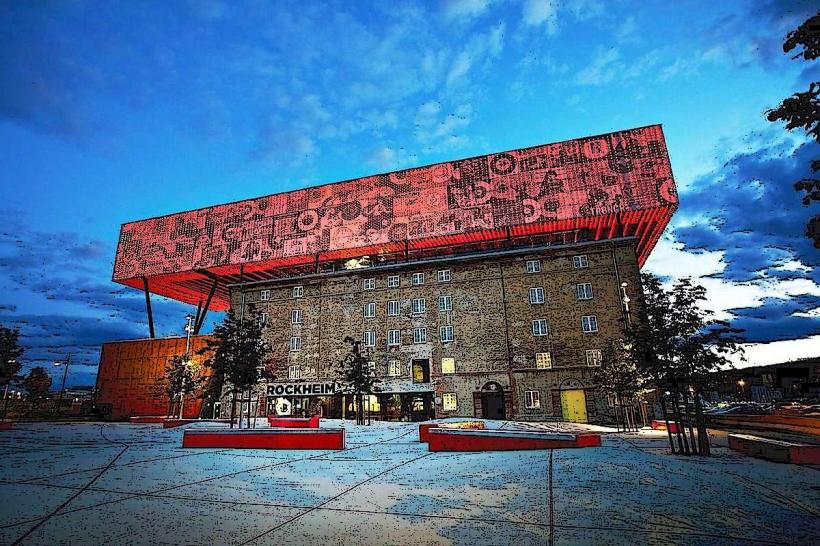
Rockheim: Norway’s national museum for popular music, housed in a striking building with a cantilevered "box."
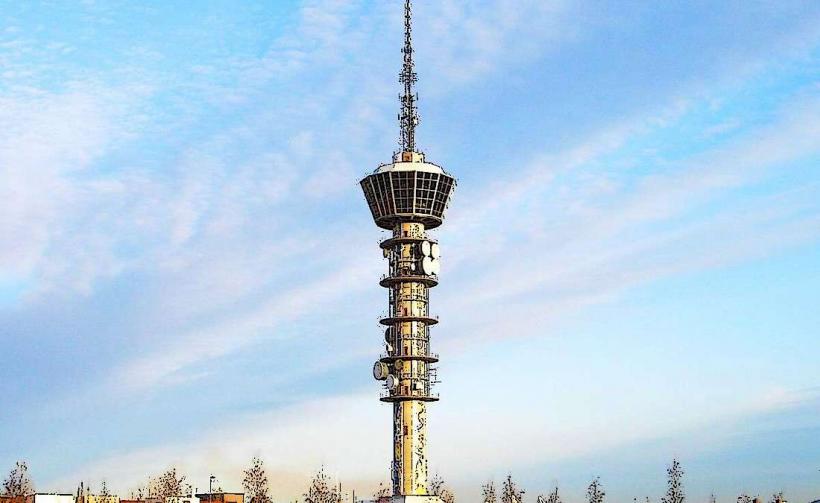
Tyholttårnet: A 124-meter radio tower featuring a revolving restaurant.
Transportation Network
Movement is managed by AtB. Public transit is dominated by an extensive bus network and the Gråkallbanen-the northernmost tram line in the world. The city is a pioneer in cycling infrastructure, famously featuring the Sykkelheis Trampe, the world’s only bicycle lift. Air travel is serviced by Trondheim Airport, Værnes (TRD), 35 km east and linked by frequent trains and the Flybussen. Trondheim is the terminus for the Dovrebanen (south to Oslo) and the Nordlandsbanen (north to Bodø).
Safety & "Red Zones"
The safety level is extremely high. There are no "red zones." The city center is safe at all hours. Environmental caution is advised when kayaking on the Nidelva River due to strong currents, and hikers in the Bymarka forest should be prepared for rapid weather shifts.
Digital & Financial Infrastructure
Average internet speed is 500–1000 Mbps via fiber-optic. Trondheim is the primary testbed for 6G development in Norway. The city is entirely cashless. Mobile payments (Vipps/Apple Pay) and cards are the only accepted forms of payment in almost all venues, including self-service farm shops in the surrounding Trøndelag region.
Climate & Air Quality
Temperatures range from -4°C in winter to 19°C in summer. Due to its position on the fjord, it is less cold than the interior but prone to high humidity and winter slush. Air quality is pristine.
Culture & Social Norms
Tipping is not required. The culture is a mix of "Trøndersk" folk tradition and intellectual cosmopolitanism. Trondheim is a recognized European Region of Gastronomy, with a focus on high-end local sourcing (e.g., Michelin-starred restaurants Fagn and Speilsalen). Respect for the Cathedral's status as a pilgrimage site is expected.
Accommodation Zones
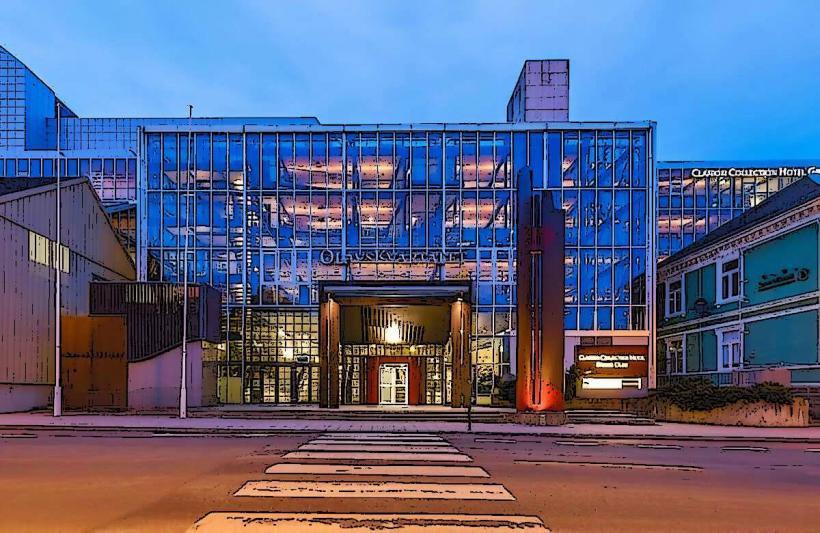
Midtbyen: Stay here for luxury (Britannia Hotel) and proximity to historical sites.
Bakklandet: Stay here for boutique guesthouses and a "living history" atmosphere.
Brattøra: Stay here for modern harbor-front hotels and proximity to the train station.
Local Cost Index
1 Espresso: 45 – 55 NOK
1 Standard Lunch (Nordic Bistro): 220 – 350 NOK
1 Pint of Local Craft Beer: 115 – 160 NOK
1 Nidaros Cathedral Entry: 120 – 150 NOK
Nearby Day Trips
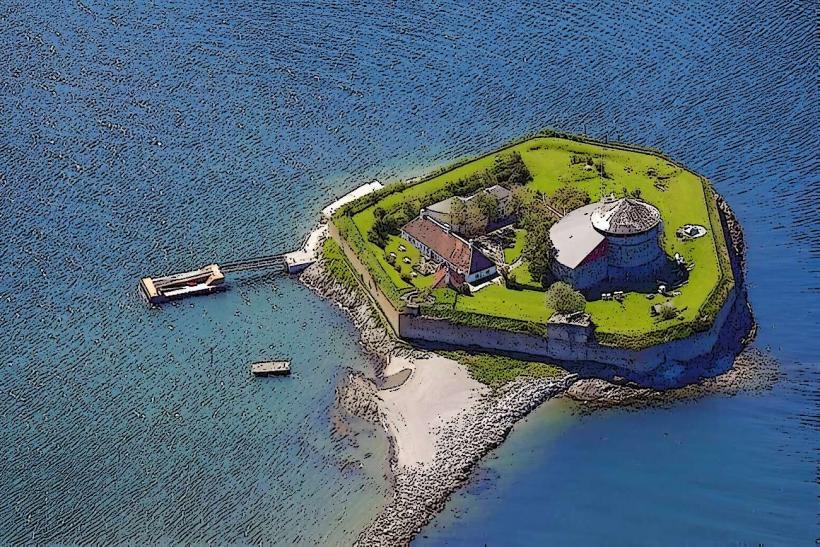
Munkholmen Island: A former monastery/prison accessible by boat from the harbor (summer only).
Røros: 2.5 hours by train/car-a UNESCO-listed 17th-century copper mining town.
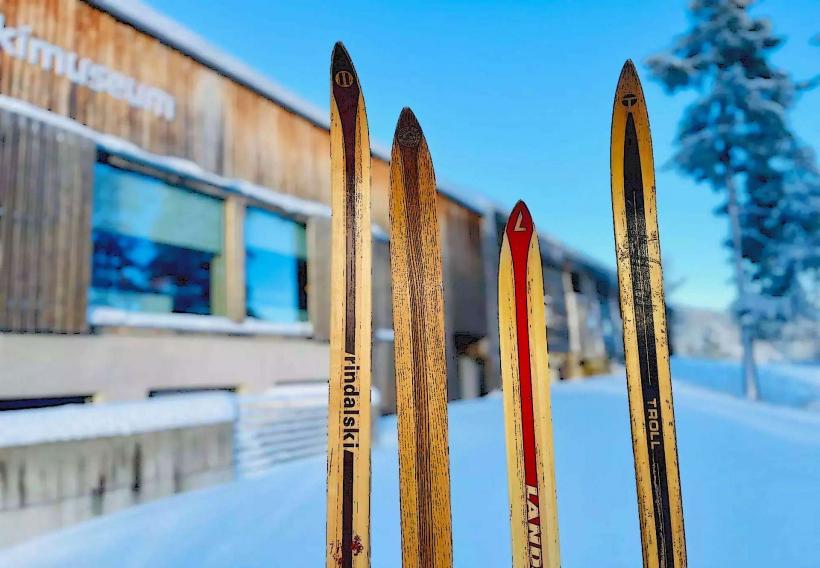
Bymarka: A massive forest reserve on the city's edge for skiing and hiking.
Facts & Legends
According to legend, the Lewis Chessmen (12th-century ivory pieces found in Scotland) were actually carved in Trondheim. A verified historical fact is that Trondheim is the site where every Norwegian king since the Middle Ages has been crowned or consecrated, a tradition maintained to this day in the Nidaros Cathedral.