Information
Landmark: Stiftsgården PalaceCity: Trondheim
Country: Norway
Continent: Europe
Stiftsgården Palace, Trondheim, Norway, Europe
Stiftsgården Palace is a historic building located in Trondheim, Norway, and serves as the official residence of the Norwegian monarch when visiting the city. It is one of the most significant and well-preserved wooden buildings in Norway, reflecting both the city's architectural heritage and royal history.
1. History and Background
- Construction: Stiftsgården was built between 1774 and 1778, originally designed as a private residence. It was commissioned by the Danish-Norwegian Governor of Trondheim, Count Herman Wedel Jarlsberg, who sought to create a grand home in the city. The palace was designed in the Rococo style, a popular European architectural trend of the time, characterized by ornate decoration and a sense of elegance.
- Ownership: Originally a private residence, the building became the official royal residence in Trondheim in the 19th century. It has served as the royal residence for Norwegian monarchs during their visits to the city, particularly King Harald V and Queen Sonja, who use it as a home while in Trondheim for official engagements or ceremonial events.
- National Monument: Stiftsgården is a significant part of Norway's cultural heritage and has been listed as a national heritage site. It is managed by the Norwegian Directorate for Cultural Heritage, ensuring its preservation for future generations.
2. Architectural Design
- Style: The building is designed in a Rococo style, but it also incorporates elements of Empire style and other 18th-century European architectural trends. The wooden structure is a testament to Norway’s longstanding tradition of wooden architecture, which dates back to medieval times.
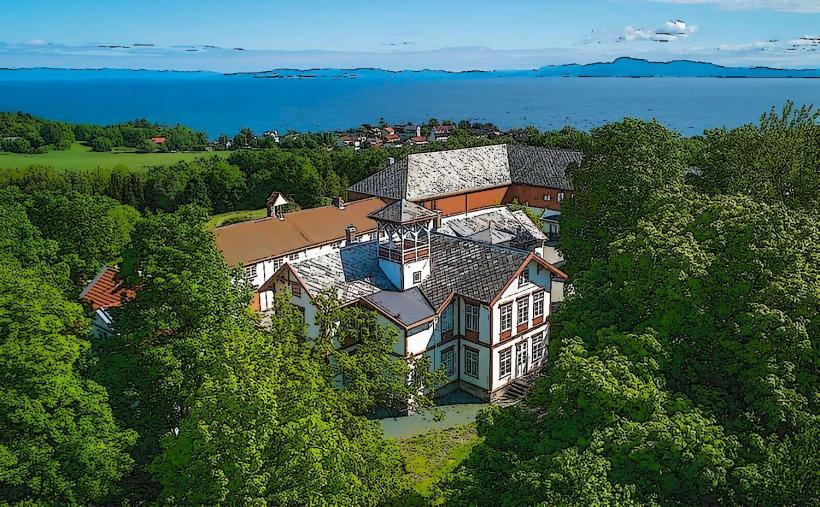
- Exterior: Stiftsgården has an elegant façade with decorative details, including a grand staircase leading to the entrance. The palace’s exterior is painted in a soft, muted yellow, enhancing its majestic and refined appearance. The building is surrounded by a well-maintained garden and grounds, contributing to its grand setting.
- Interior: The interior of Stiftsgården is equally impressive, with richly decorated rooms that reflect the tastes of the 18th and 19th centuries. The palace features ornate furniture, chandeliers, and tapestries, as well as a selection of fine art. The royal family has maintained its regal atmosphere, and it serves as an appropriate venue for official functions and events.
- The Royal Apartment: The royal suite is furnished to meet the needs of the Norwegian monarch and other dignitaries who stay there. The rooms are decorated with historical pieces, maintaining the building's aristocratic charm.
3. Significance to Norwegian Royalty
Stiftsgården holds a special place in the history of the Norwegian monarchy, particularly in Trondheim. The building is used for ceremonial purposes, such as when the King and Queen visit the city or attend official functions in the region.
- Royal Visits: Stiftsgården is where the Norwegian royal family stays when they visit Trondheim. It provides an official, yet comfortable, residence during their stays in the city, offering a connection to the historical traditions of the monarchy.
- Cultural Heritage: The palace symbolizes the continuity of the Norwegian monarchy, serving as a reminder of the royal family’s long history in Trondheim and its connection to the city.
4. Public Access
While Stiftsgården is primarily a private residence for the royal family, it is occasionally open to the public for tours. Visitors can explore its historical rooms and learn about its architectural and cultural significance. The palace is also a popular spot for those interested in Norwegian royal history and architecture.
- Guided Tours: The palace offers guided tours during certain periods of the year, especially in the summer months, when tourists visit Trondheim in large numbers. These tours give a detailed insight into the building’s history, the Norwegian monarchy’s connection to Trondheim, and its architectural beauty.
- Events and Ceremonies: Stiftsgården is sometimes used for public ceremonies or official events that may be open to limited attendance or specific audiences.
5. Cultural Impact
- Symbol of Trondheim’s Royal History: As the former residence of the Governor of Trondheim and the current royal residence, Stiftsgården has played an important role in the city’s history. It is a symbol of Trondheim’s importance in Norwegian history, particularly during the period when it served as the capital of Norway before the capital was moved to Oslo.
- Tourist Attraction: Stiftsgården is one of the key landmarks in Trondheim, attracting tourists and history enthusiasts who are interested in Norway’s royal heritage and wooden architectural style. The building’s historical significance, combined with its well-preserved architecture, makes it a unique attraction in Trondheim.
6. Nearby Attractions
Stiftsgården’s central location in Trondheim places it near several other important attractions, making it part of the city’s cultural circuit.
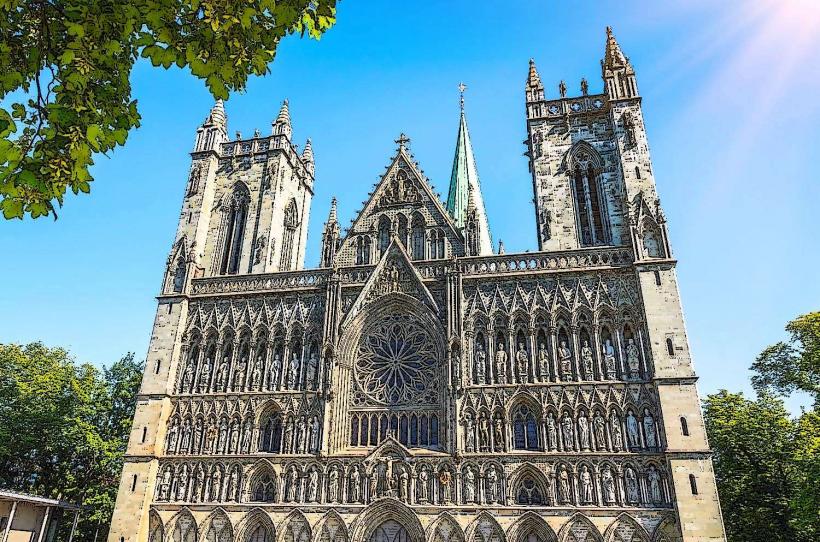
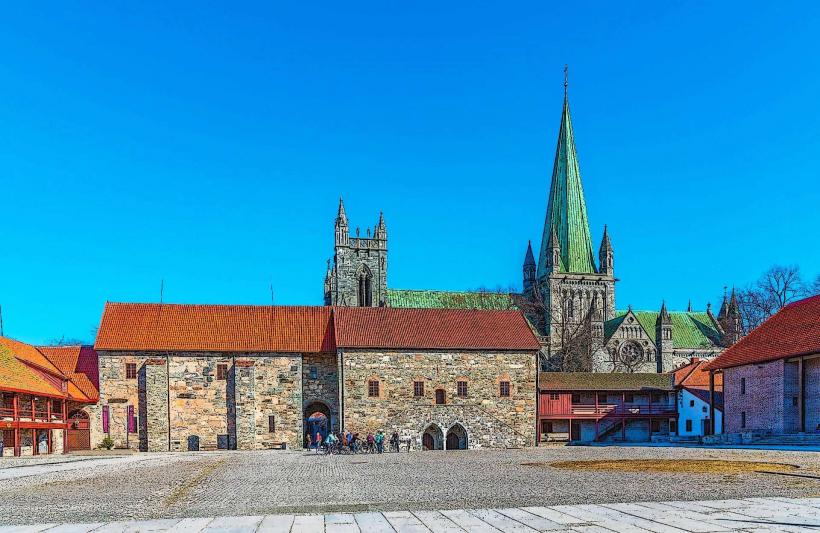
- Nidaros Cathedral: Just a short distance from Stiftsgården, the Nidaros Cathedral is one of Norway’s most important landmarks. The cathedral, built on the burial site of Saint Olaf, is an iconic piece of Norwegian history and architecture.
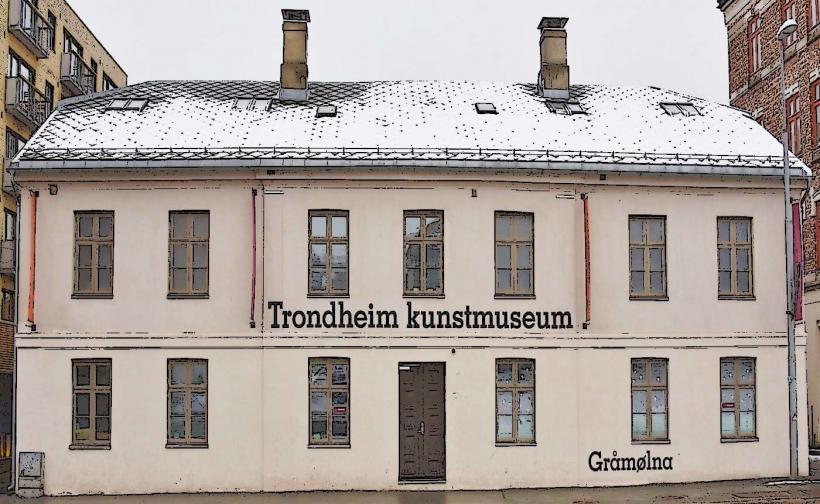
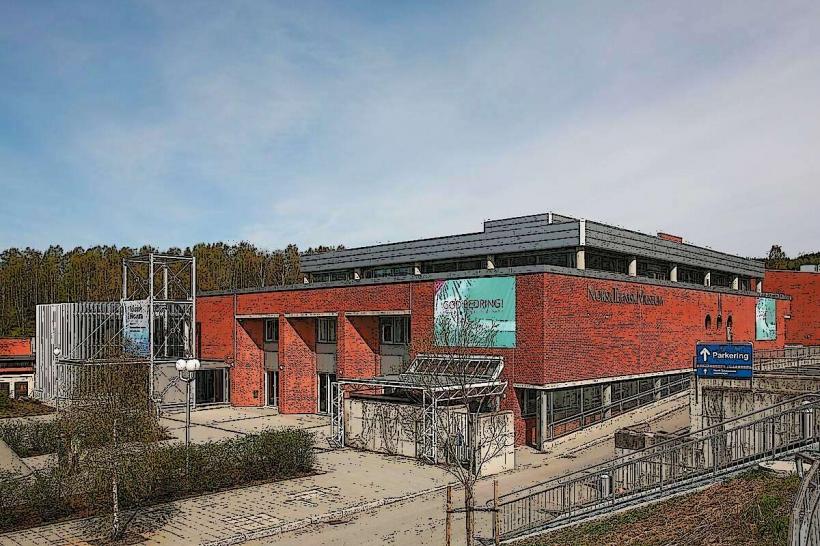
- Trondheim Art Museum: The museum is located nearby and features a collection of Norwegian and international art, providing an additional cultural experience for visitors.
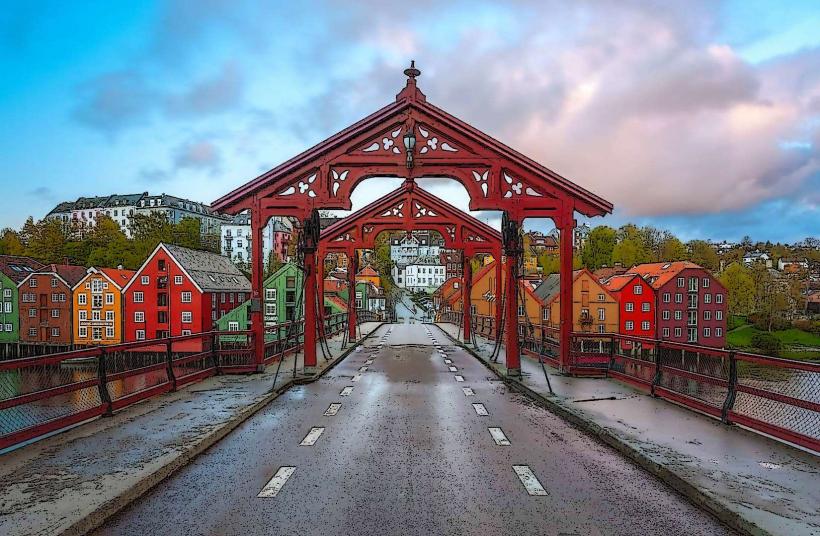
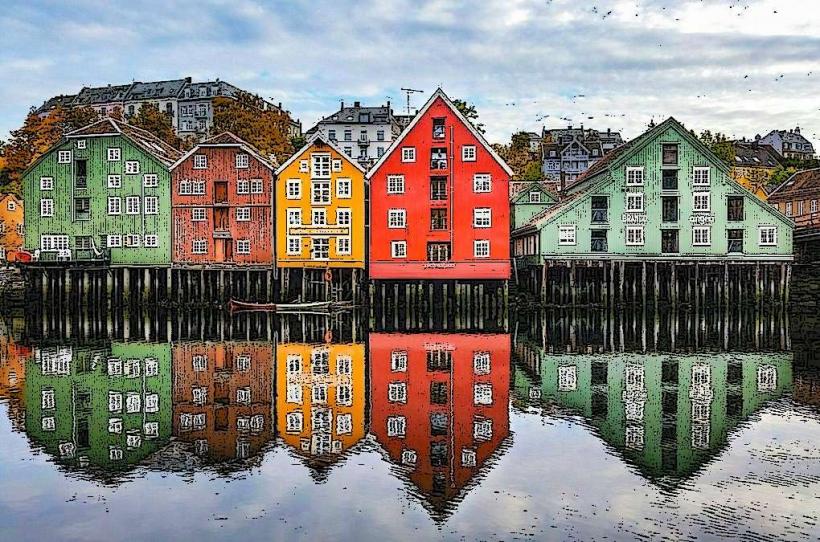
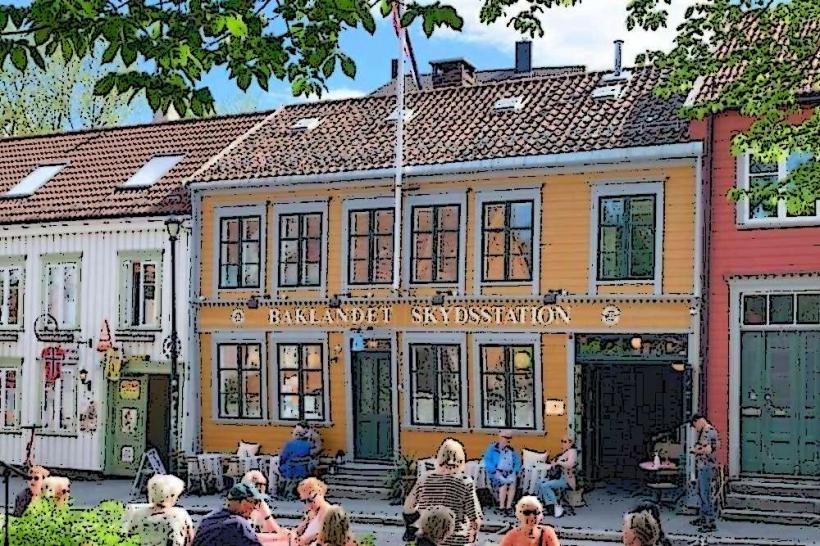
- Bakklandet: A charming district with colorful wooden houses and cobblestone streets, Bakklandet offers a picturesque setting for exploring Trondheim's history and culture.
7. Conclusion
Stiftsgården Palace is a key part of Trondheim’s architectural and royal heritage. From its construction in the 18th century to its present-day use as the royal residence for visiting Norwegian monarchs, it represents the city’s rich history and ties to the royal family. Its Rococo design, historic significance, and royal connections make it a must-see landmark for visitors to Trondheim, offering a glimpse into the past while continuing to serve as a symbol of the Norwegian monarchy’s enduring legacy.